
GMC Commercial Trucks For Sale in New York
GMC trucks for sale in New York, from Sierra HD pickups to chassis cabs and TopKick straight trucks, with specs that favor payload, durability, and corrosion control.
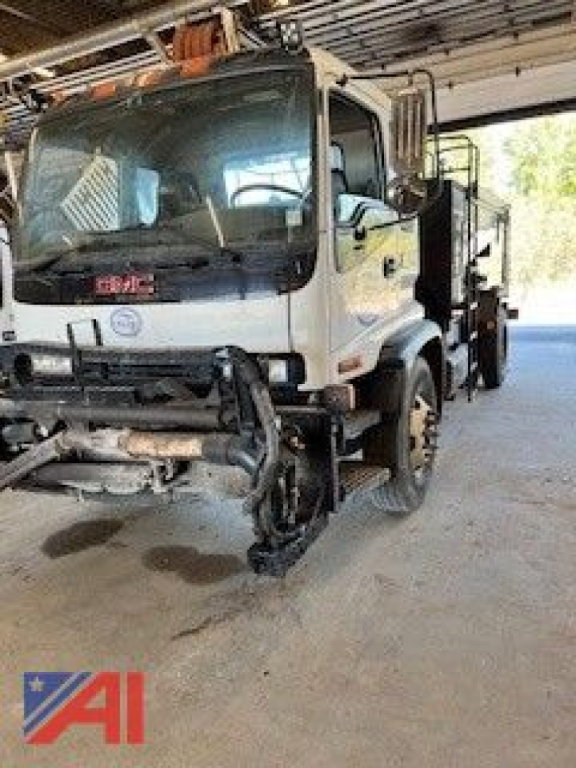
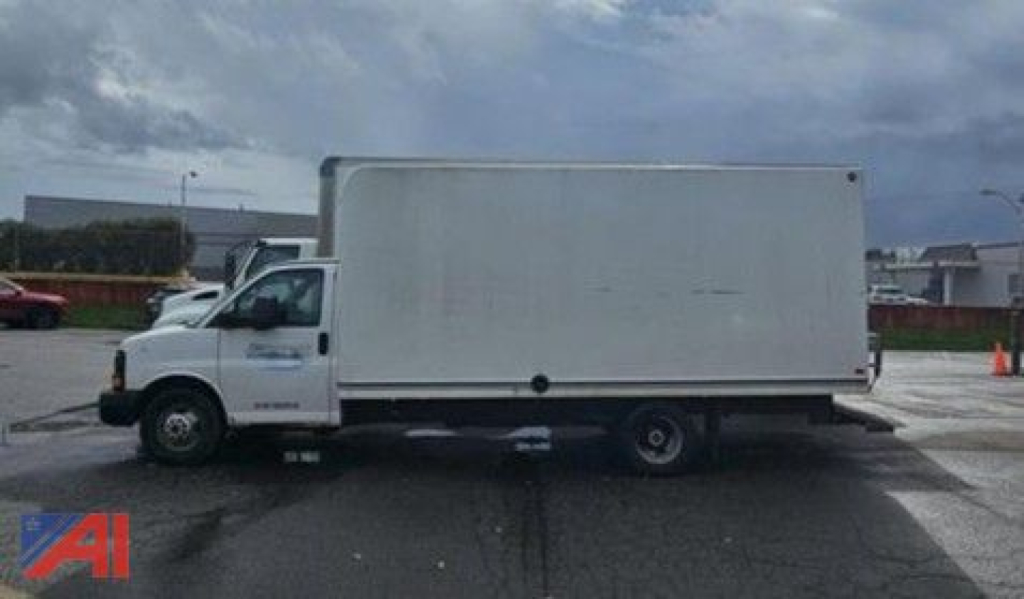
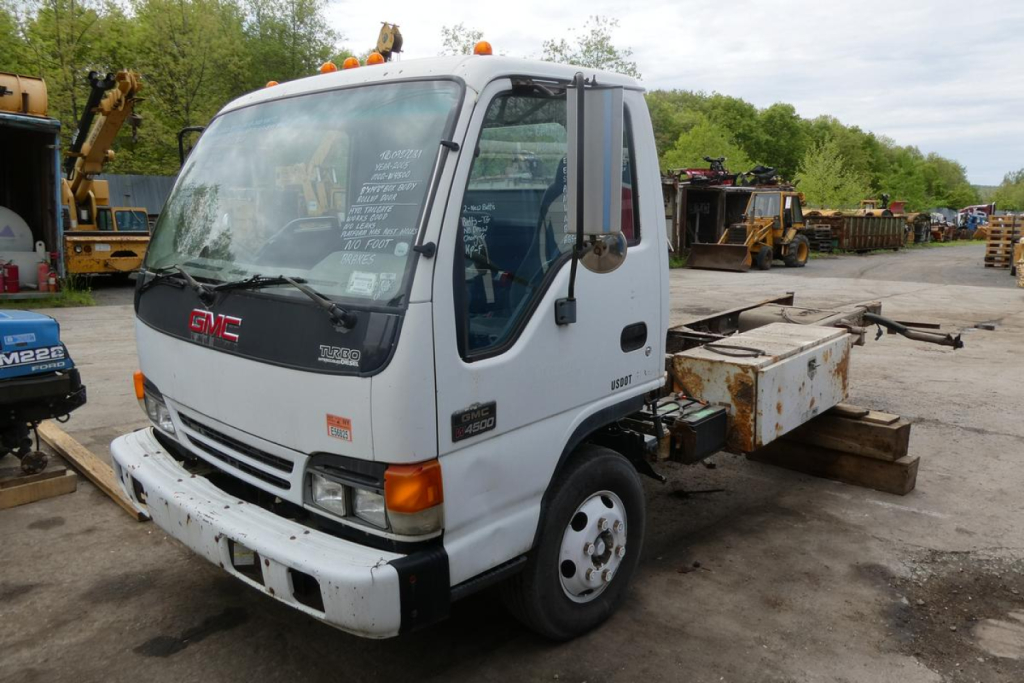
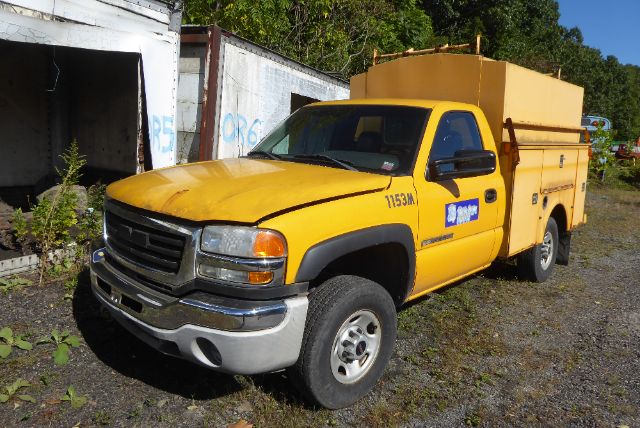
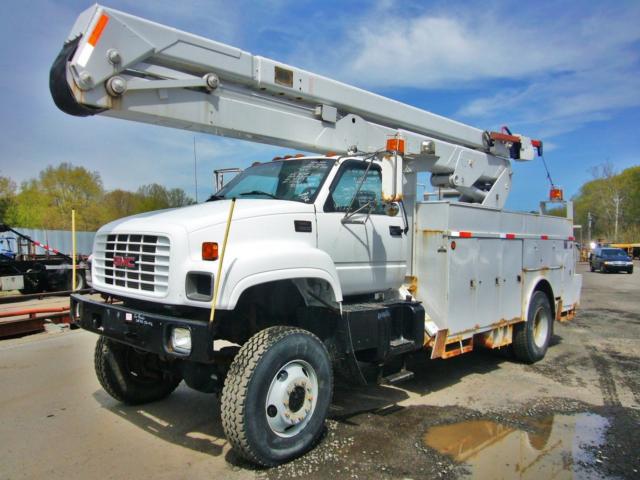
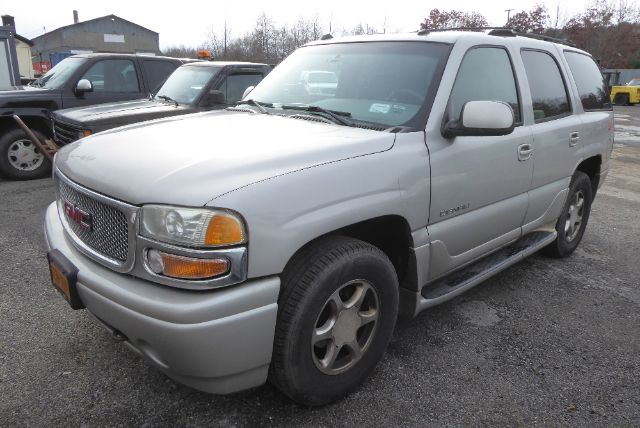
Selling a gmc commercial truck? List your gmc commercial truck for sale and reach thousands of commercial buyers.
GMC Commercial Trucks in New York
Powertrain options center on the 6.6L Duramax diesel with an Allison automatic for heavy towing and PTO work, and a 6.6L gasoline V8 for lower upfront cost and simpler emissions hardware. The diesel’s exhaust brake, robust cooling, and high GCWR suit hilly upstate routes and longer highway hauls, while gas excels in short stop municipal or utility cycles with less idle related aftertreatment risk. Axle ratios, locking differentials, and selectable 4x4 are common, with plow prep packages adding higher output alternators, uprated front axles, and better thermal management for slow speed winter work. For legacy medium duty GMC units, Allison 1000 and 2000 series automatics remain serviceable and widely supported, a plus when building fleets around common parts.
Floor strength and body construction drive uptime. Pickup beds use high strength steel floors that pair well with spray in liners and ribbed mats to limit point load denting. Chassis cabs mated to van or reefer bodies should be evaluated for crossmember spacing, 12 inch centers are common, laminated hardwood or composite floors that are forklift rated, and scuff liners at 12 to 24 inches to protect sidewalls. For refrigerated builds, thermal integrity depends on insulation thickness and continuity, foam density, properly sealed rear frames, quality door gaskets, and thermal breaks at posts and thresholds. Well spec’d bodies hold temperature with fewer cycles, reduce fuel burn on diesel or electric TRUs, and keep door frost to a minimum on multi stop city routes.
Tare weight is a lever for payload and compliance. Aluminum flatbeds, service bodies with lightweight drawer systems, and aluminum wheels can remove several hundred pounds compared to steel, which helps stay within axle and gross ratings while carrying more material or equipment. Balance weight savings against durability and duty cycle, stainless and steel remain smart where impacts and abrasion are common. Pay attention to cab to axle and wheelbase for turning in tight borough streets, specify appropriate spring or helper packs for constant load, and confirm DEF tank placement, fuel capacity, and PTO provisions for your upfit. A clean New York spec usually includes rust inhibiting coatings, frequent wash plans, and attention to lighting harness sealing to keep corrosion related electrical faults in check.
Frequently Asked Questions about GMC Commercial Trucks in New York
Which GMC chassis is best for a dump, flatbed, or service body in New York?
A Sierra 3500HD chassis cab with straight C channel frame rails, 34 inch frame width, and dual rear wheels is the most versatile for dump, flatbed, and service bodies. It accepts common PTO equipped Allison automatics, offers multiple cab to axle lengths to hit target body lengths, and provides front axle ratings compatible with plow prep packages. Older GMC TopKick units also work well where higher GVWR and heavier front axles are desired, but verify frame condition and brake system type before upfitting.
How should I evaluate floor strength on a GMC based box or reefer truck?
Check crossmember spacing under the cargo floor, forklift rated floors typically use 12 inch on center or tighter. Look for laminated hardwood or high density composite floors, aluminum rear thresholds with wear plates, and scuff liners running at least 12 inches up the walls. For refrigerated bodies, confirm insulation thickness, foam continuity at posts, and door seal condition, these determine thermal integrity, cycle frequency, and product protection.
Is the Duramax diesel or the 6.6L gas engine better for New York duty cycles?
Choose based on route profile and idle time. The Duramax with an Allison automatic is ideal for heavy towing, long grades, and higher annual miles, the exhaust brake and higher GCWR reduce brake wear and improve control. The 6.6L gas V8 suits short urban routes, utility fleets, and seasonal equipment where lower purchase price and simpler emissions systems reduce complexity. In cold weather with frequent idling, the gas engine avoids aftertreatment issues, while the diesel rewards steady highway use and higher payloads.
What corrosion protections matter most for GMC trucks in a salt environment?
Prioritize factory e coated frames, stainless or aluminum bodies where appropriate, sealed Deutsch style connectors, and underbody coatings that are reapplied as part of a maintenance plan. Specify stainless fasteners on bodies, aluminum or composite tool cabinets, and rubber isolated body mounts to minimize galvanic corrosion. Establish regular fresh water wash cycles, including frame rails and behind splash shields, to remove brine that accelerates rust.
What should I look for on an older GMC TopKick or Kodiak before purchase?
Inspect frame rails and spring hangers for rust scale and perforation, check brake system type and condition, hydraulic or air, evaluate Allison transmission operation and fluid quality, and verify that the GVWR, cab to axle, and axle ratios match your intended body and route. On diesel models, confirm DPF or pre emissions status, cooling system integrity, and steering components, these trucks are robust, but parts availability and prior municipal plow duty can influence total cost of ownership.