
Used Commercial Trucks For Sale
Browse used trucks for sale including semi trucks, day cabs, sleepers, straight trucks, and utility trucks with specs that fit real work.
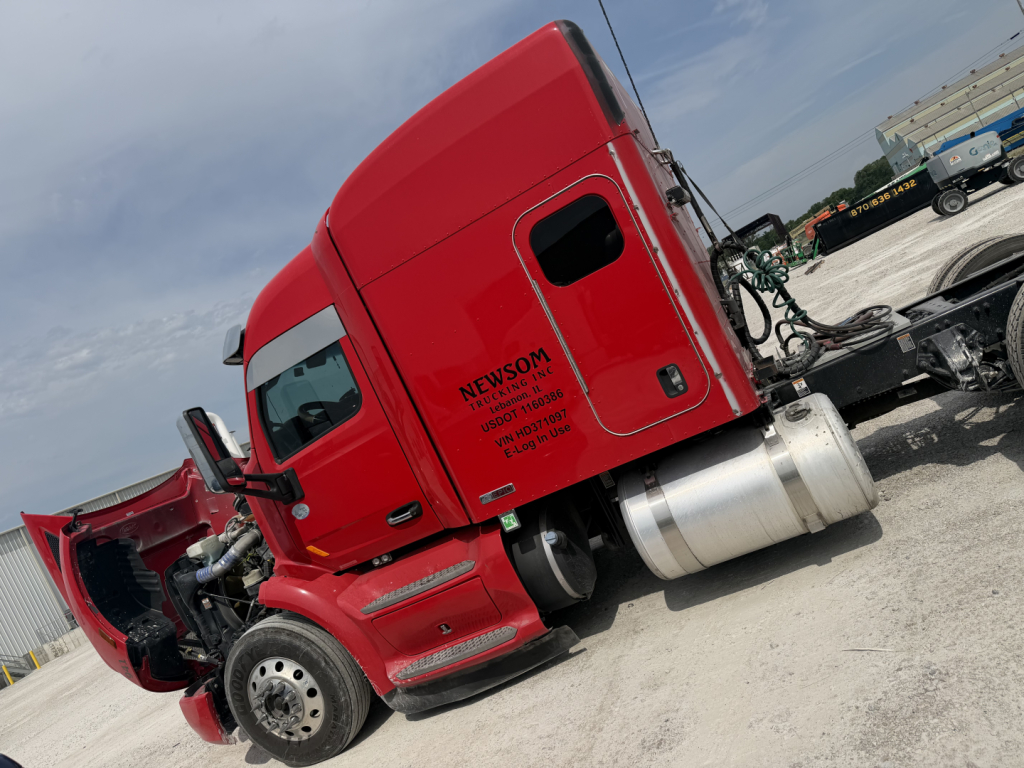
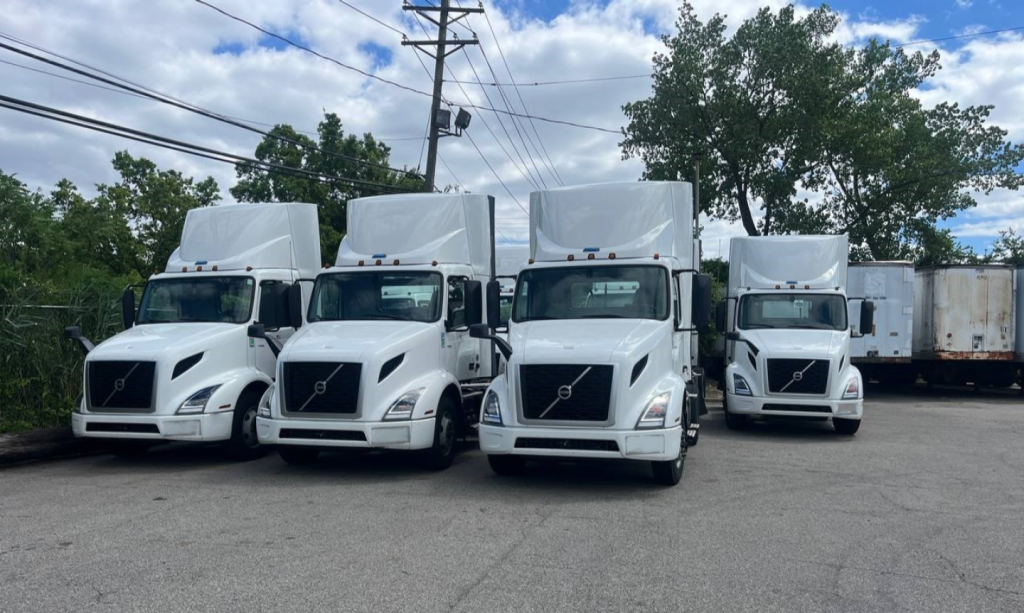
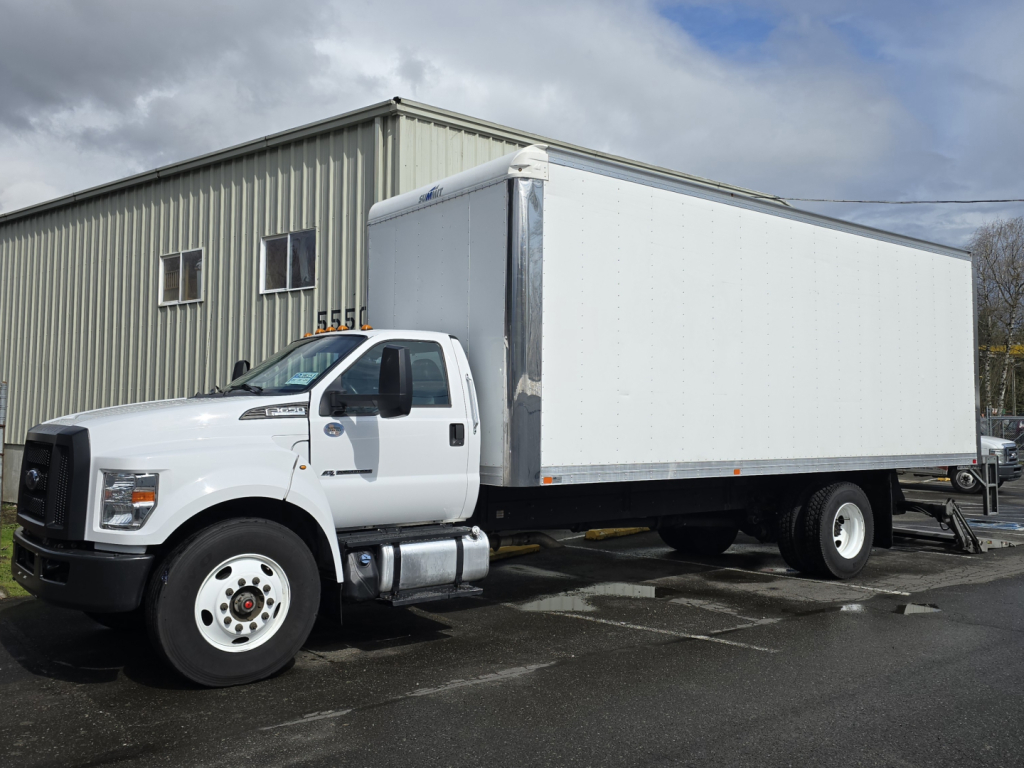
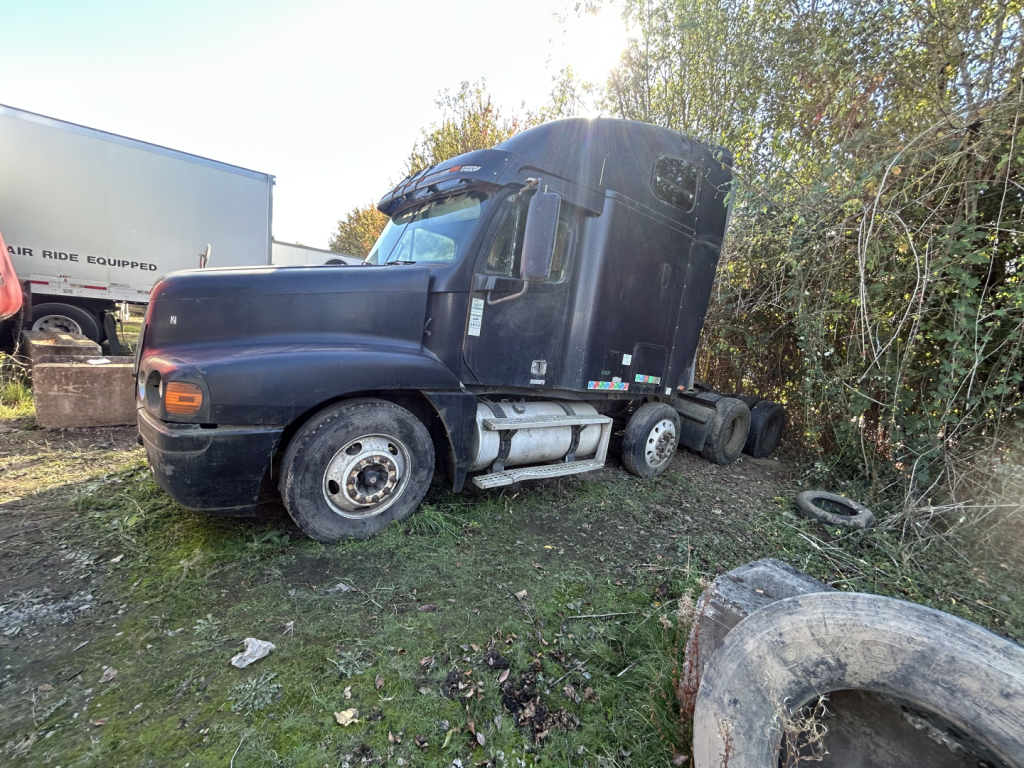

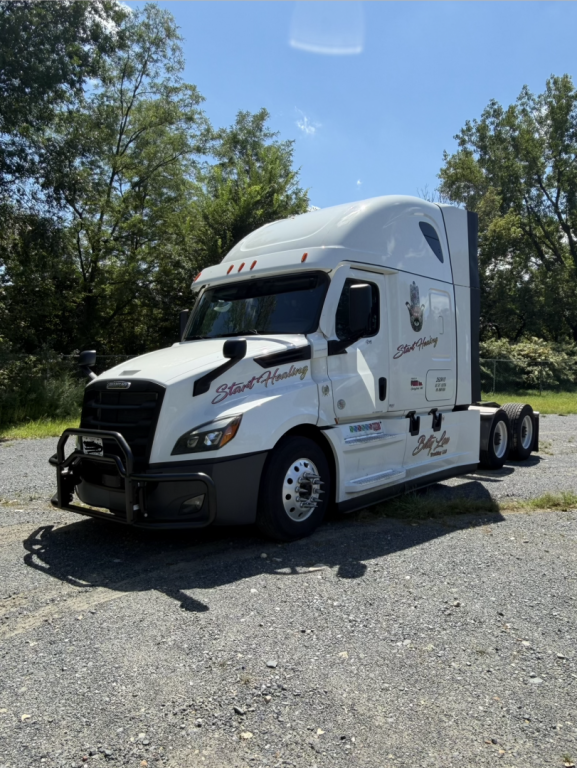
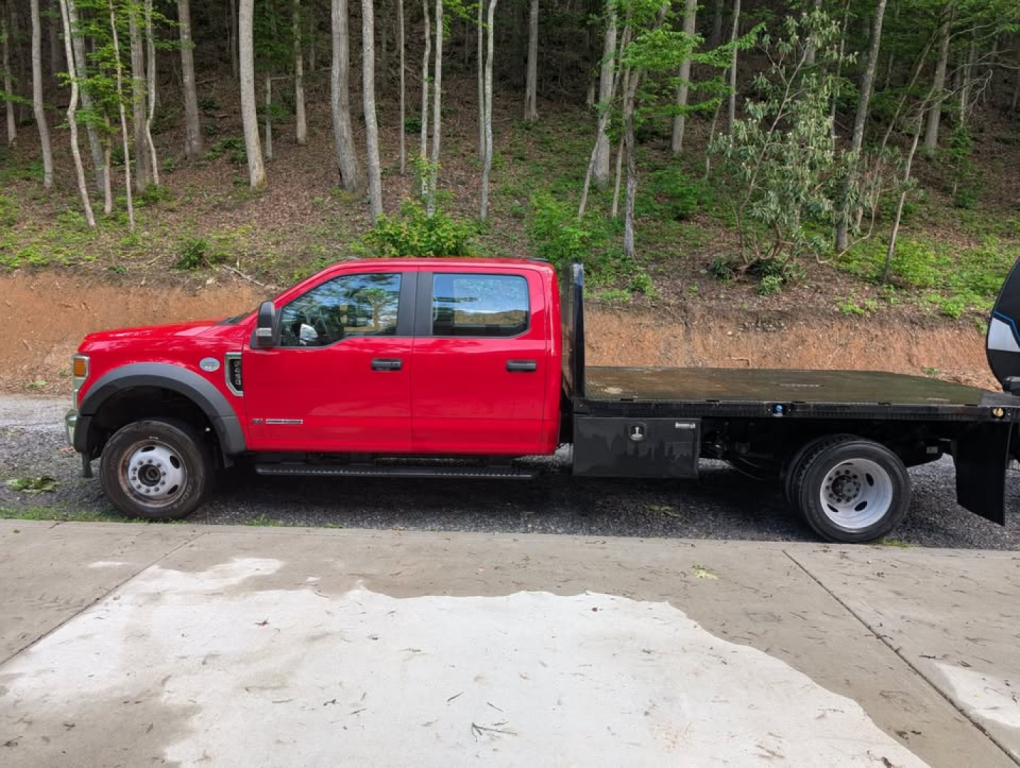

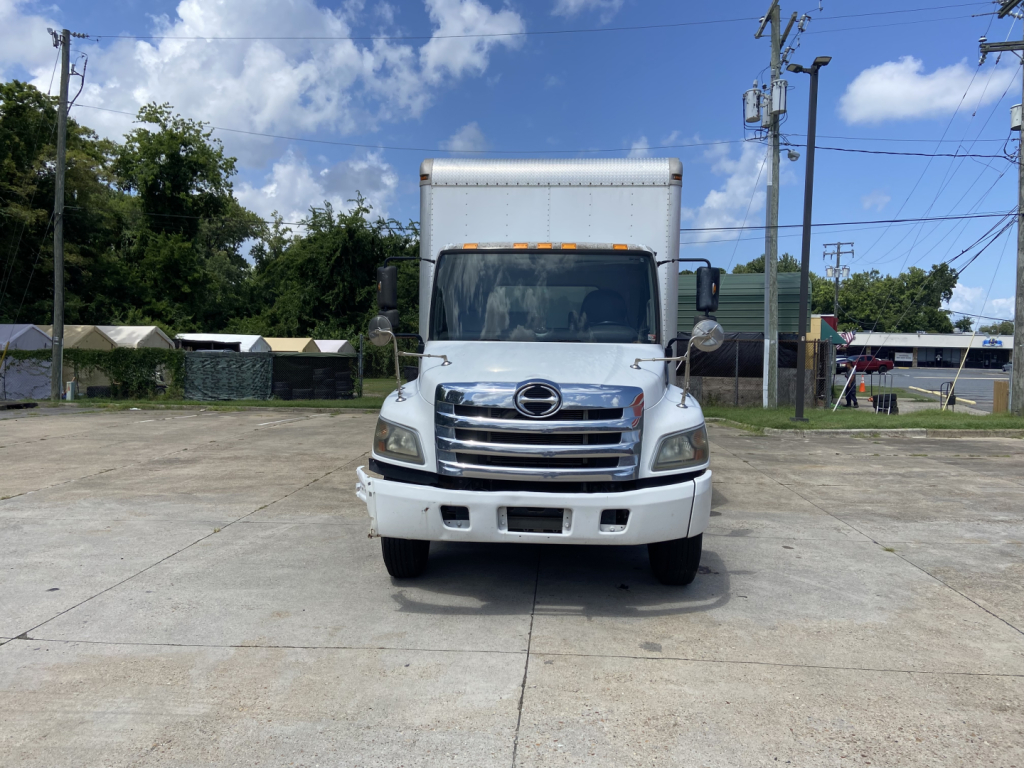
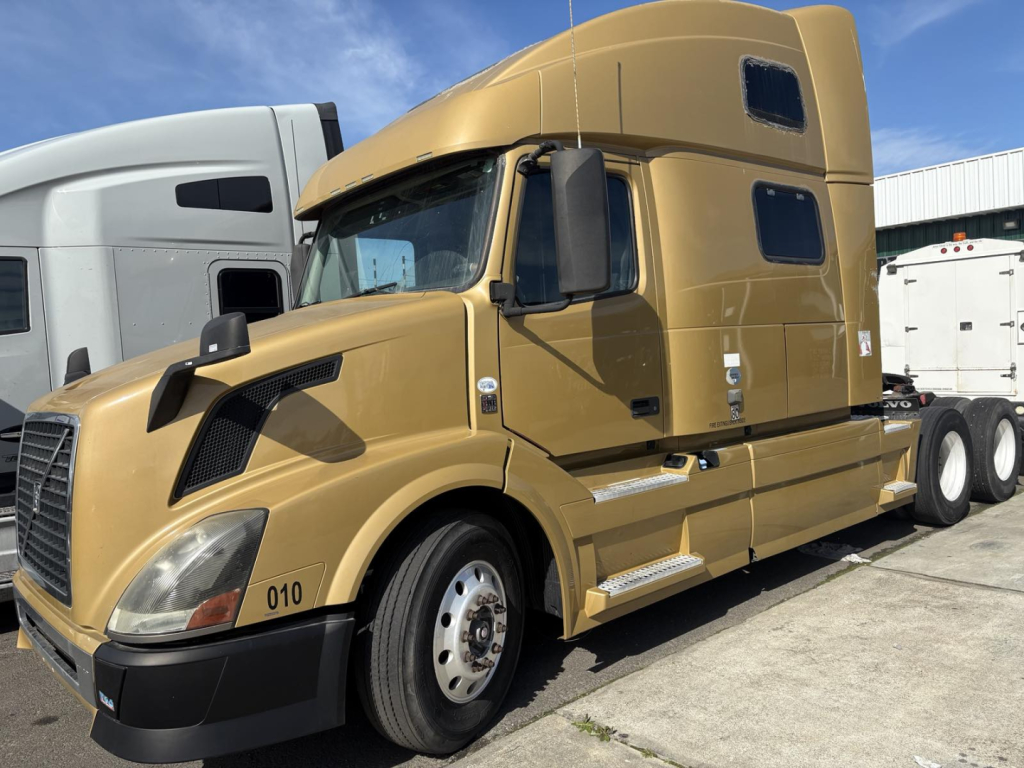

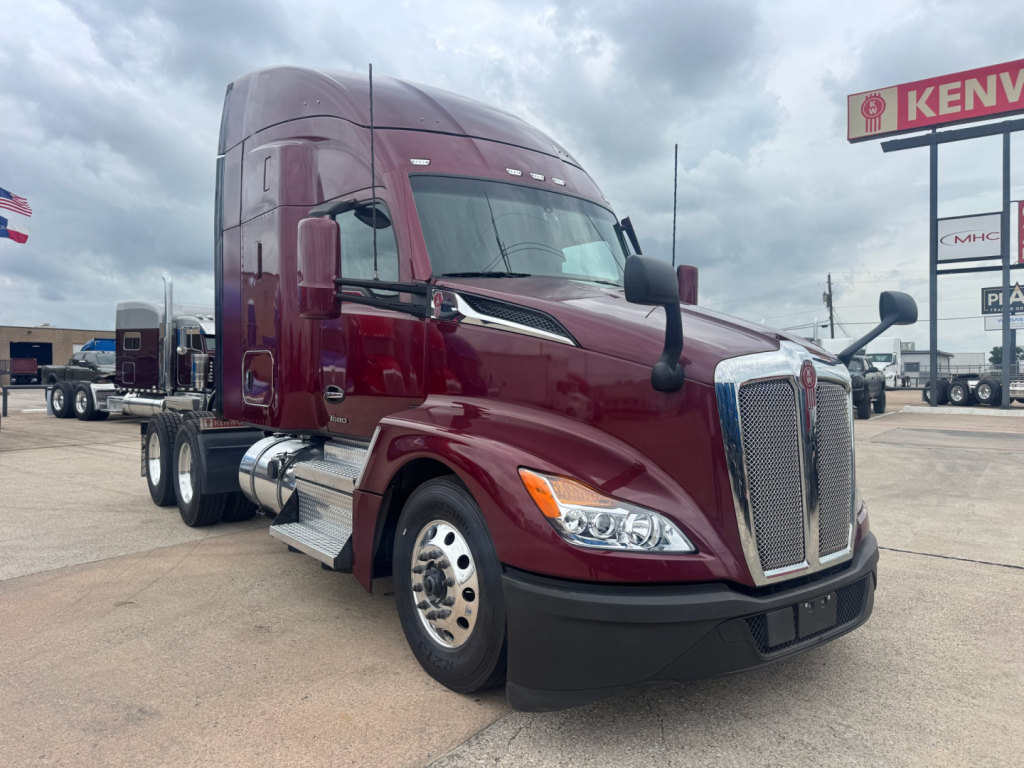
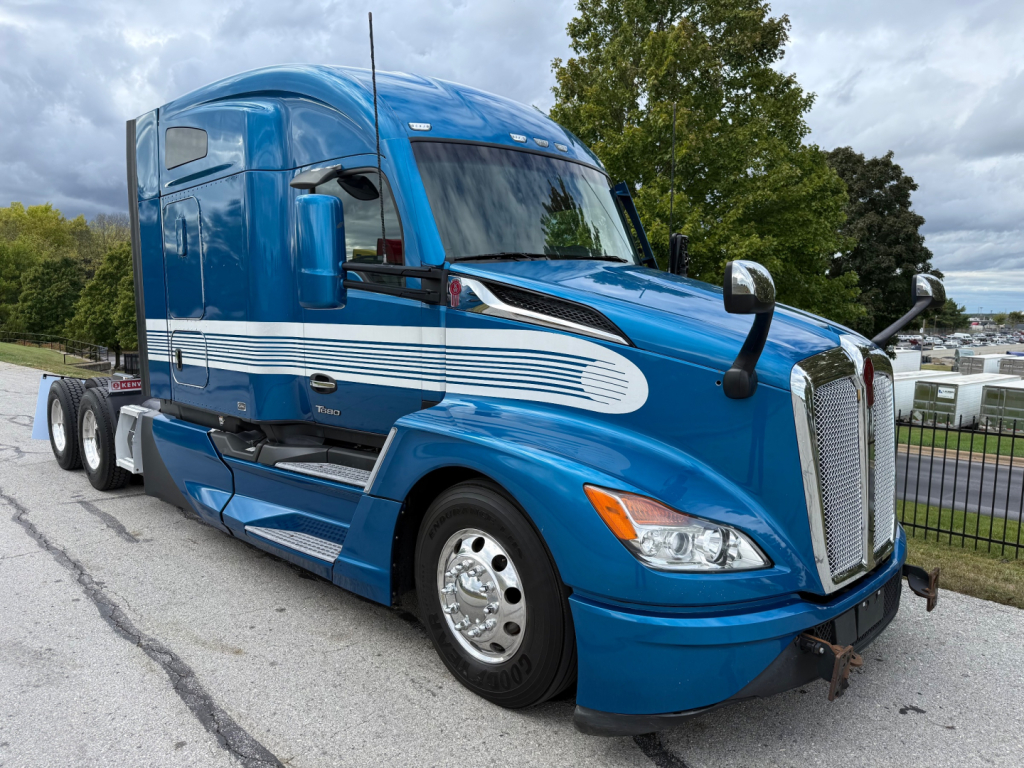
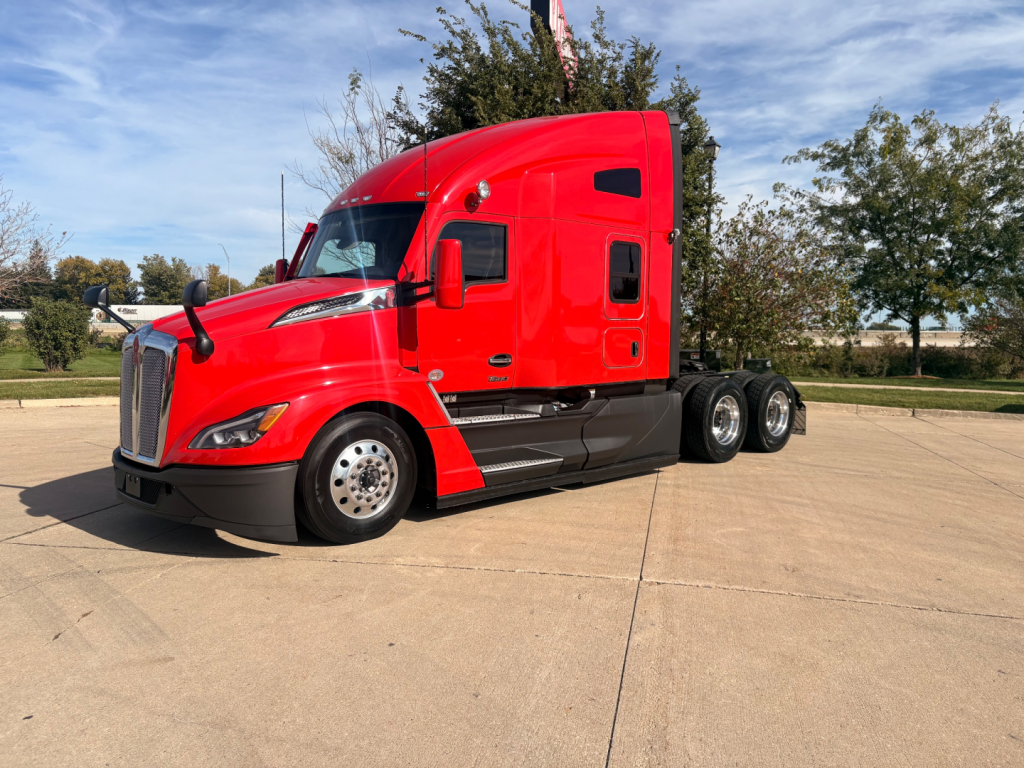
2023 Kenworth T680
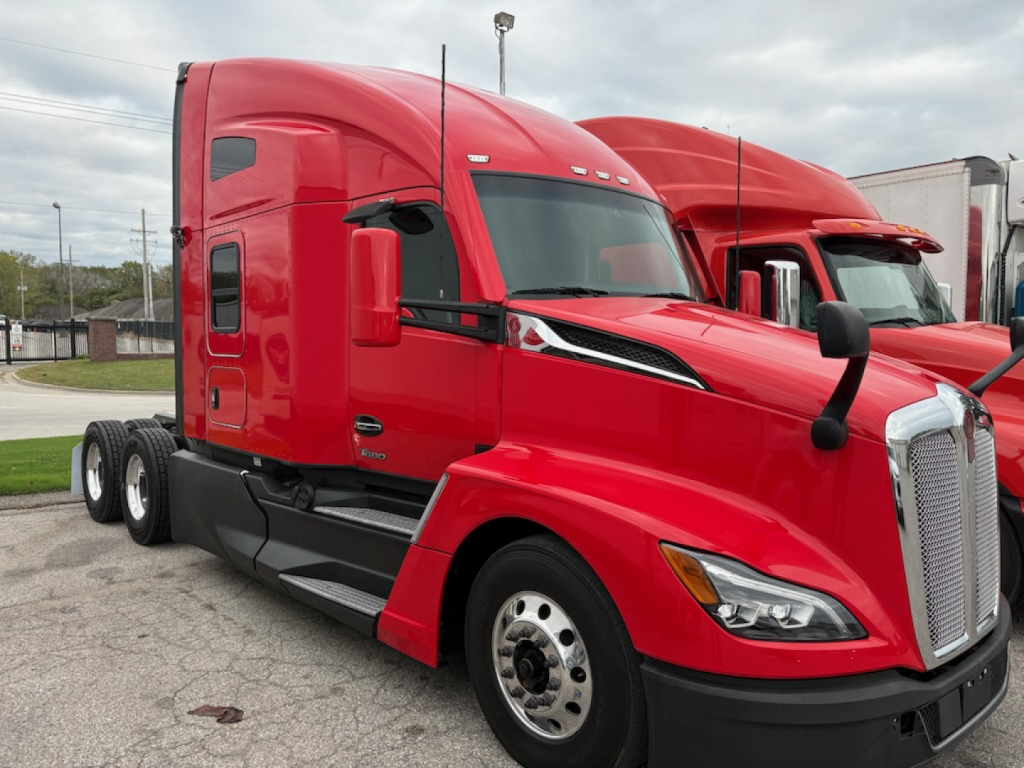
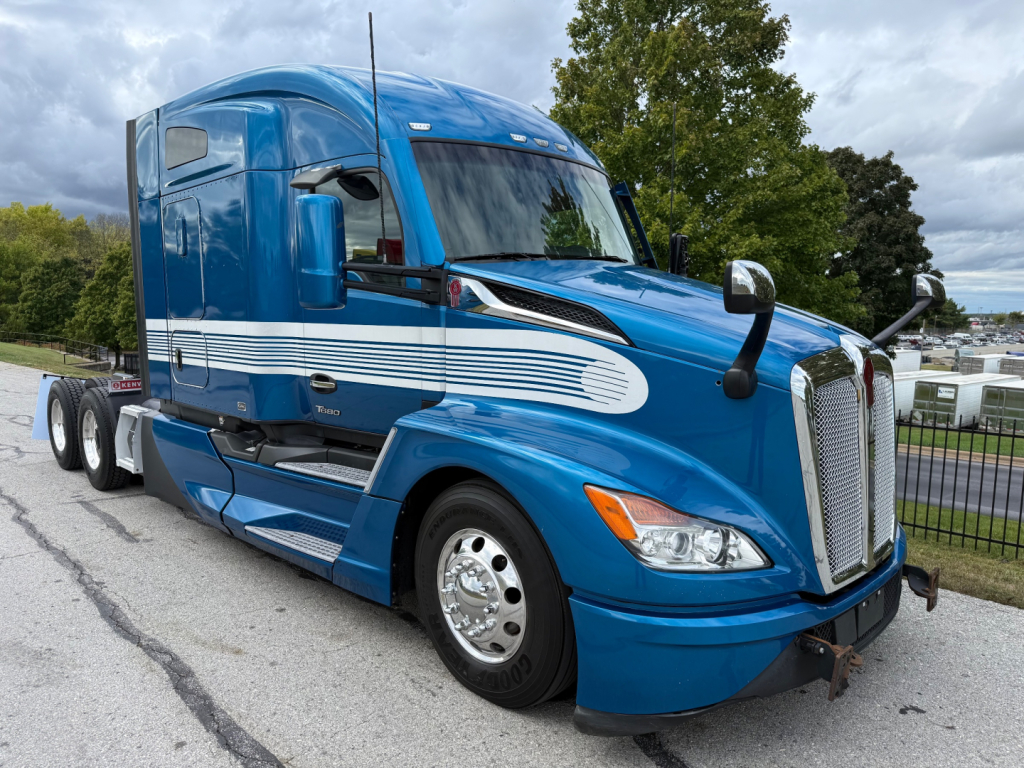
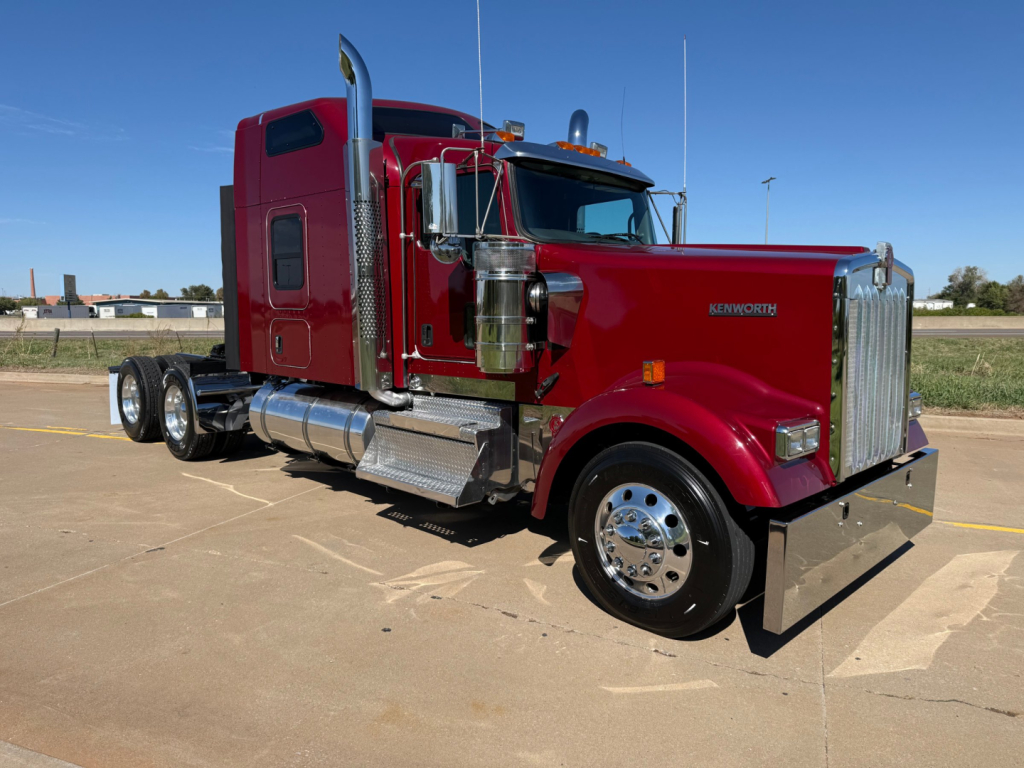
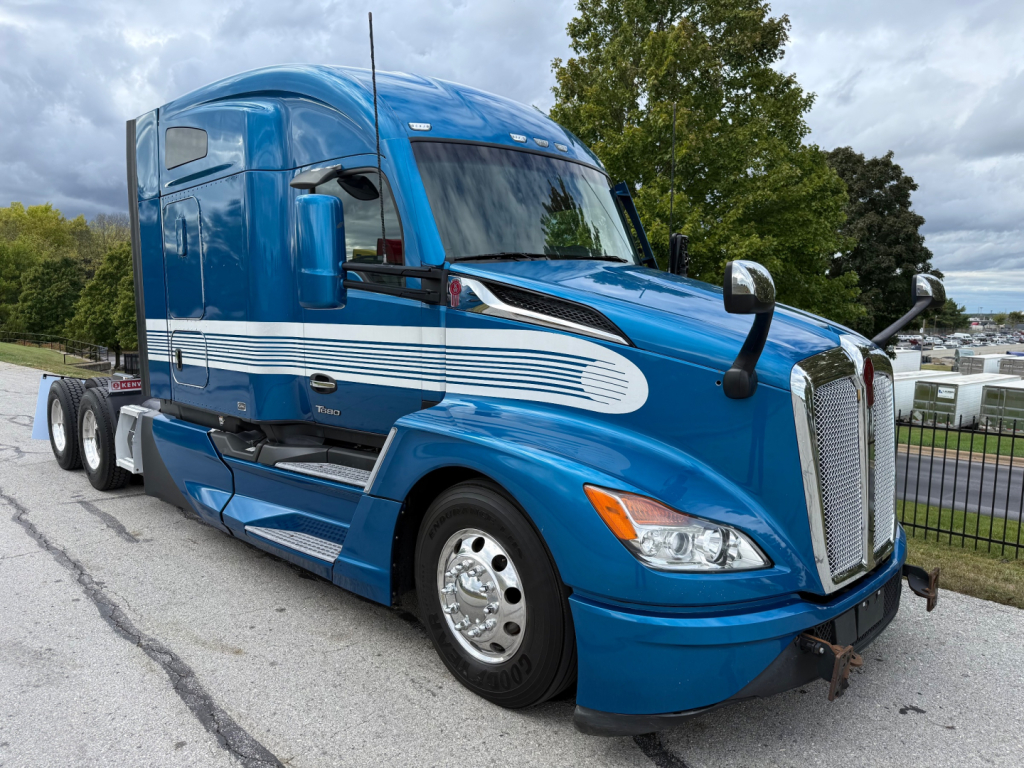
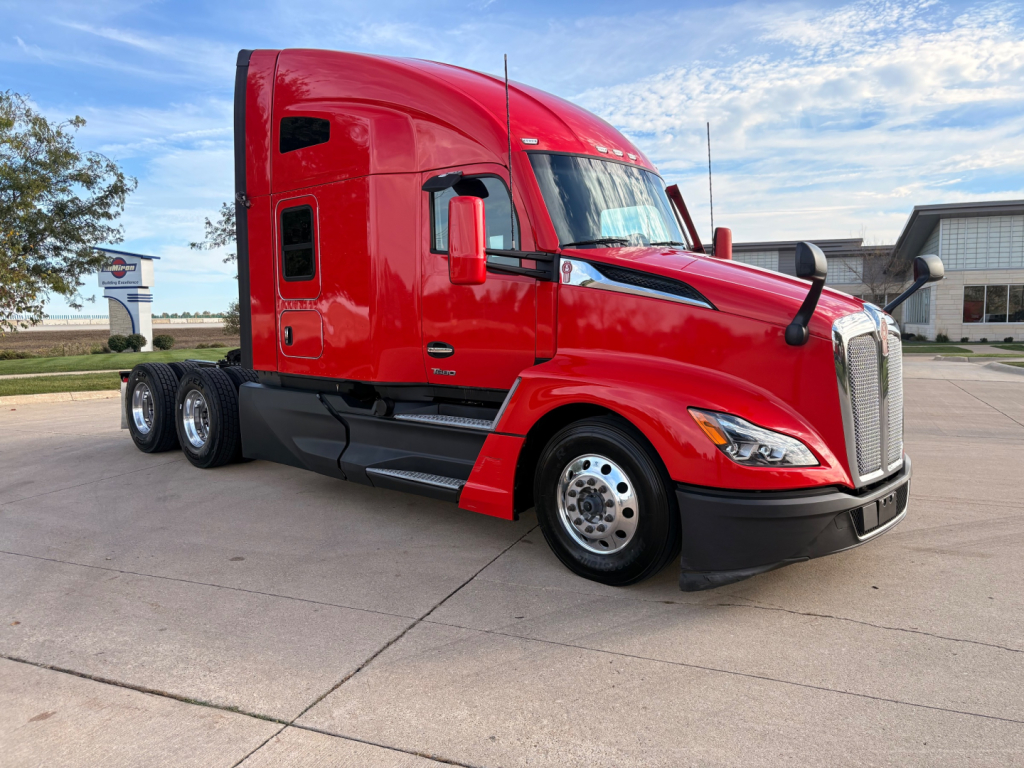
2023 Kenworth T680
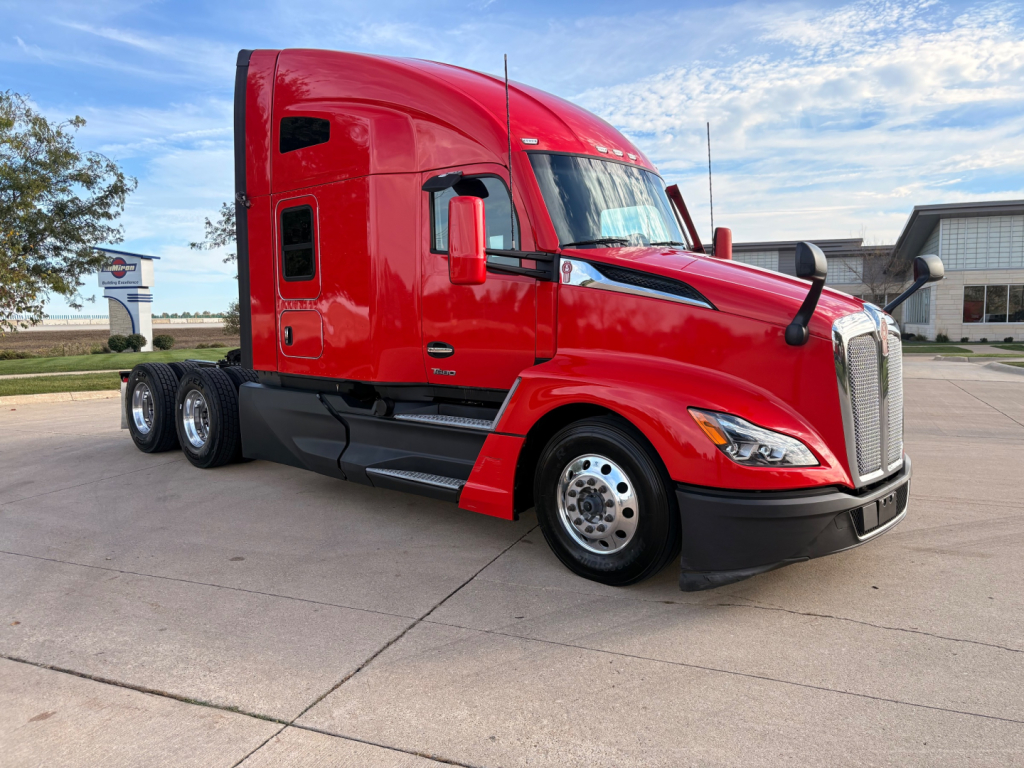
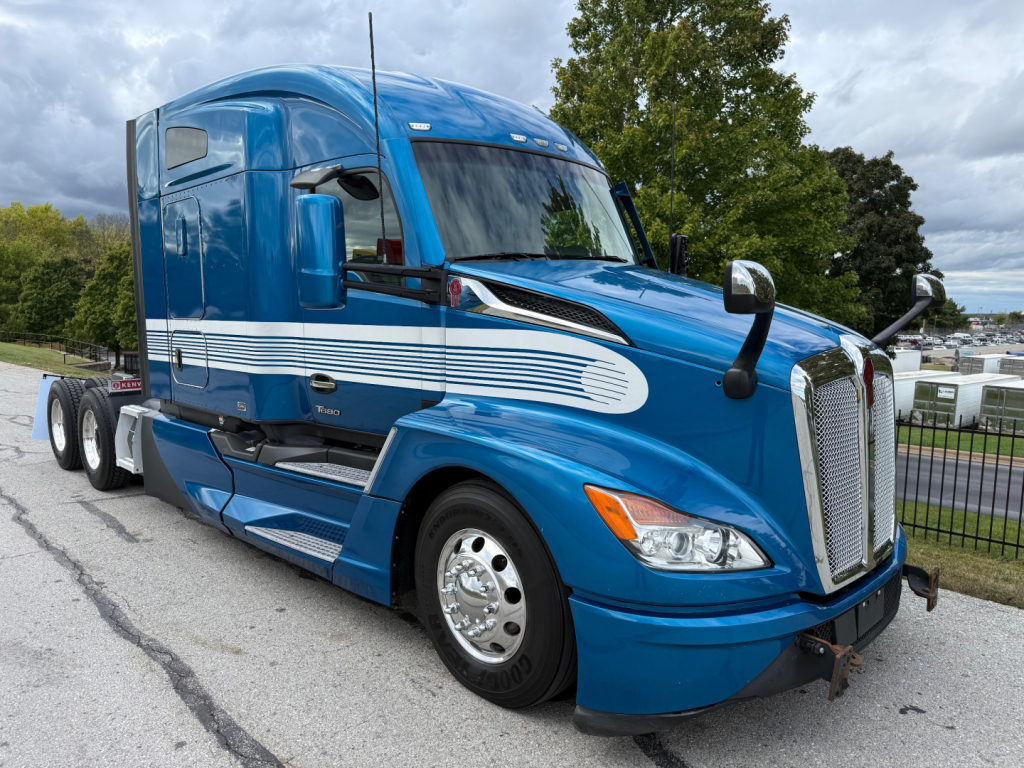
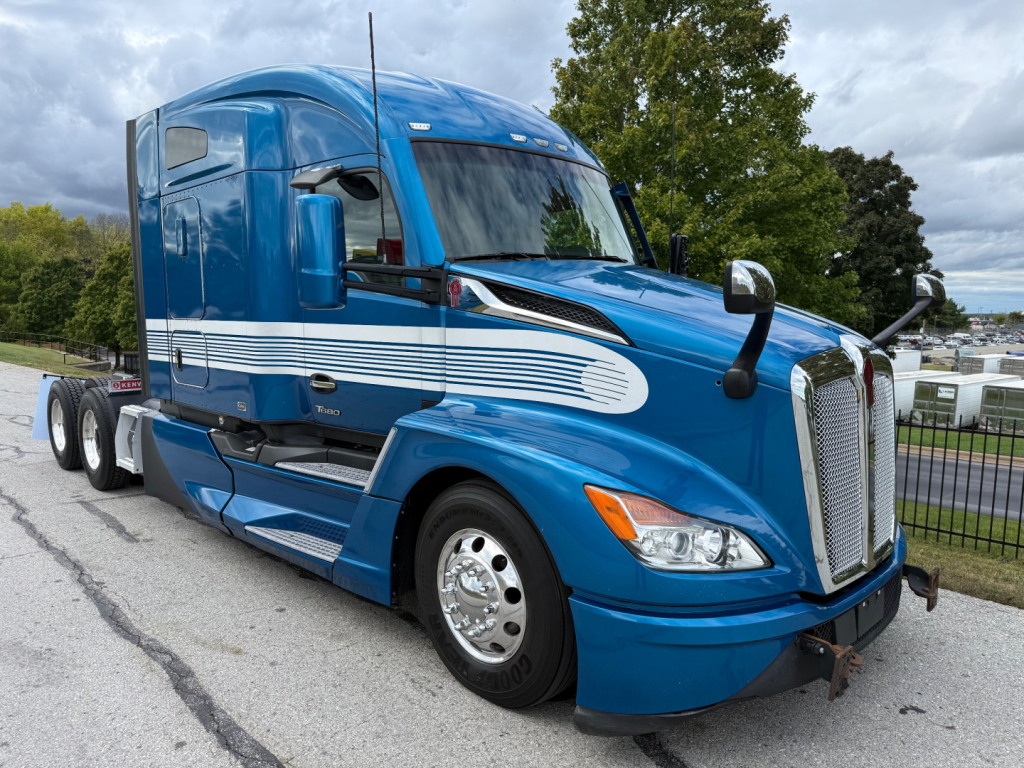
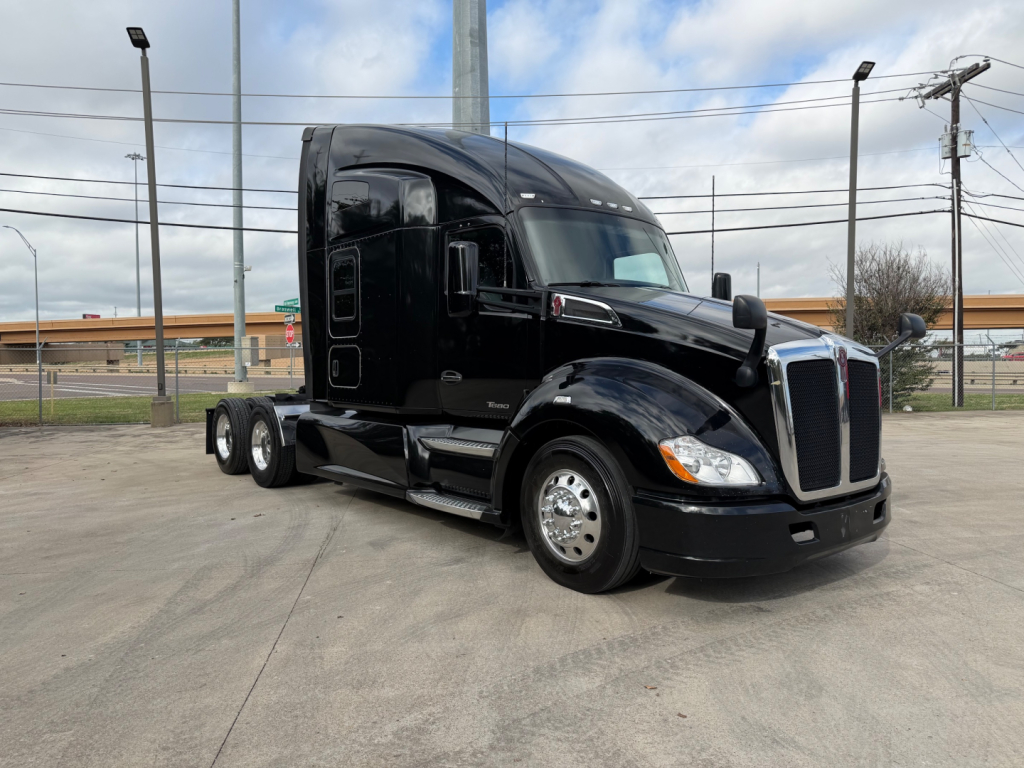
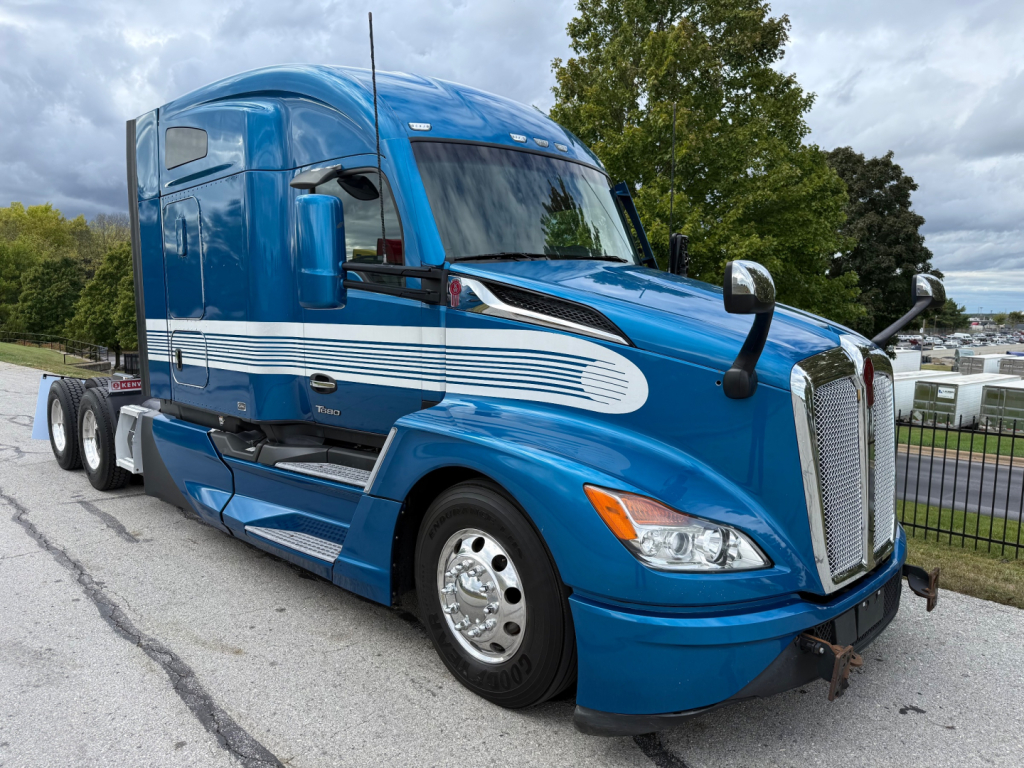
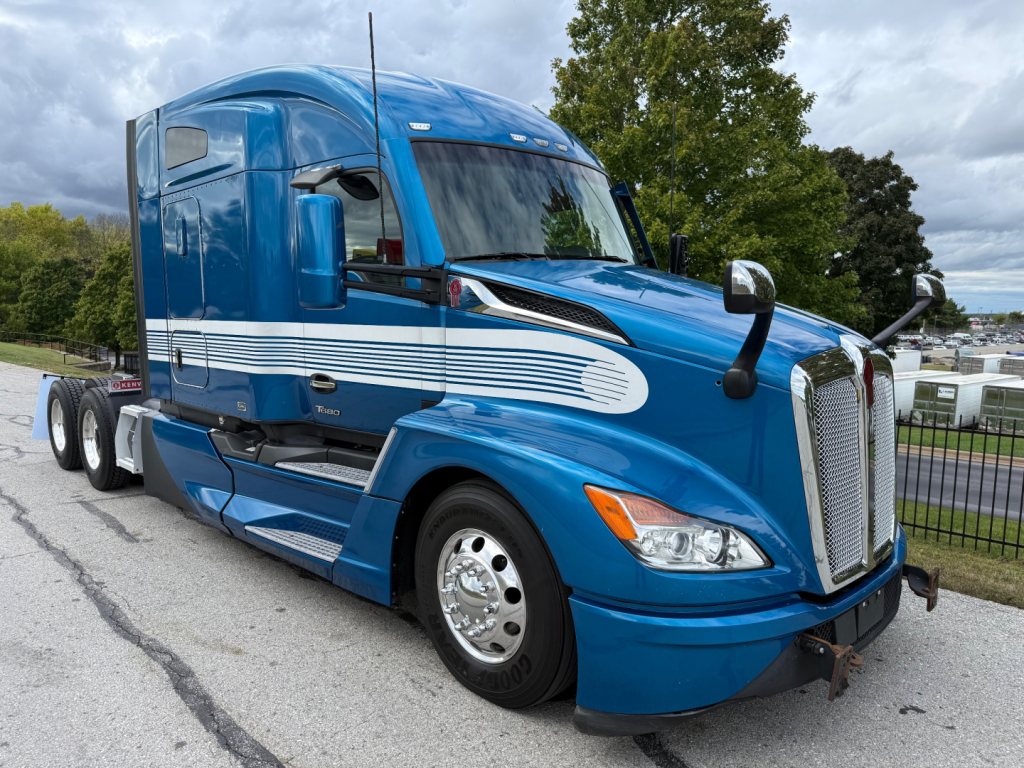
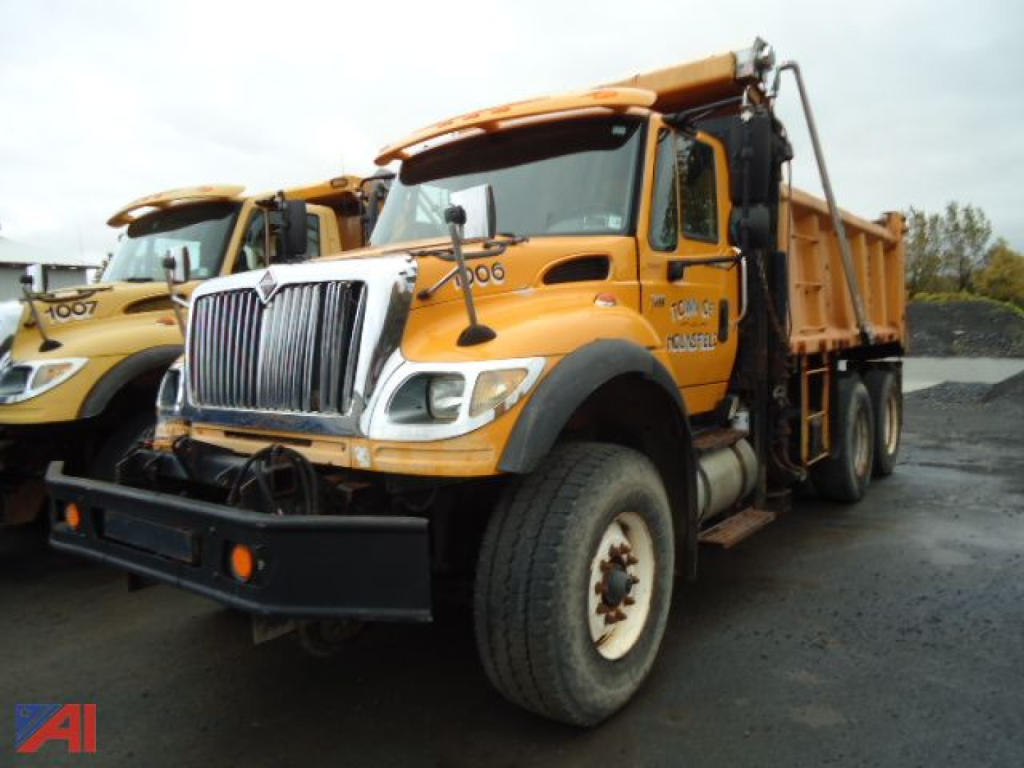
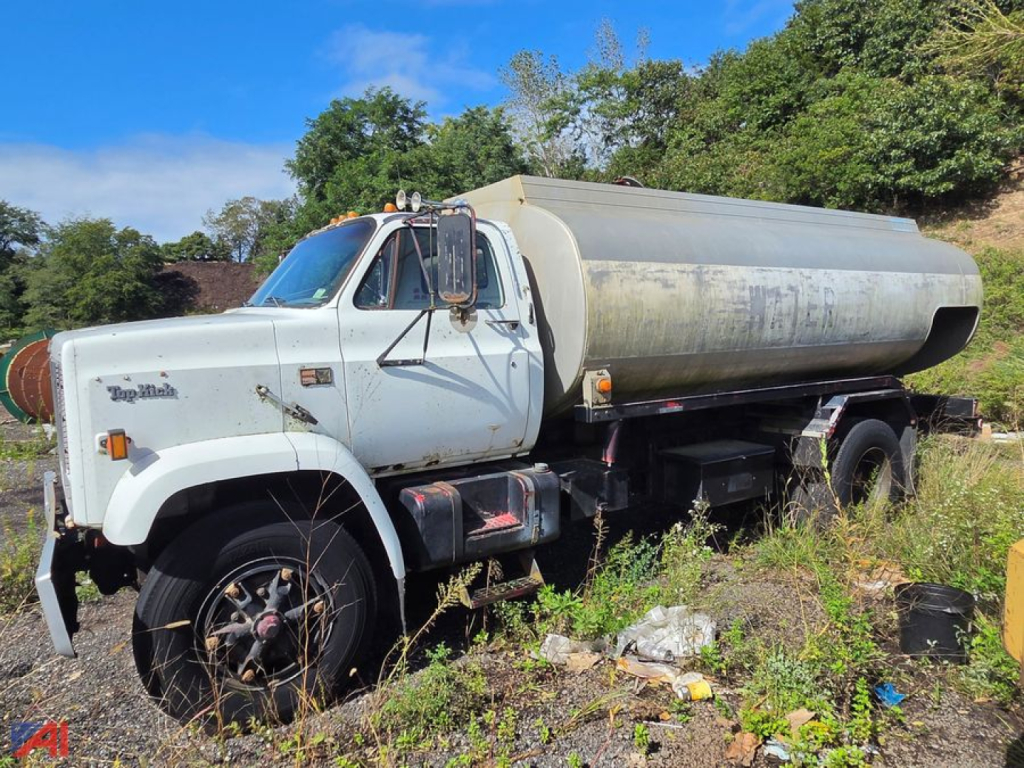
Showing 1 to 28 of 2,077 results
Selling a used commercial truck? List your used commercial truck for sale and reach thousands of commercial buyers.
Used Commercial Trucks
Powertrain specs drive both performance and operating cost. In the used market, common diesel engines include Cummins, Mack, International, PACCAR, Detroit, and Power Stroke depending on truck class. Horsepower can range from the mid-200s in medium-duty straight trucks up to 450 to 500 HP or more in highway tractors. Transmission choice matters just as much. Automated manual and full automatic transmissions are common in newer fleets because they simplify driver onboarding and can help with fuel economy consistency, while manual transmissions still appeal to buyers who want simplicity and direct control. Pay close attention to rear axle rating, gear ratio, suspension type, and wheelbase. A 40,000 lb tandem with a tall highway ratio like 2.53 or 2.64 suits linehaul efficiency, while deeper ratios such as 3.55 or 5.13 are more useful for stop-and-go service, heavier starts, or vocational work.
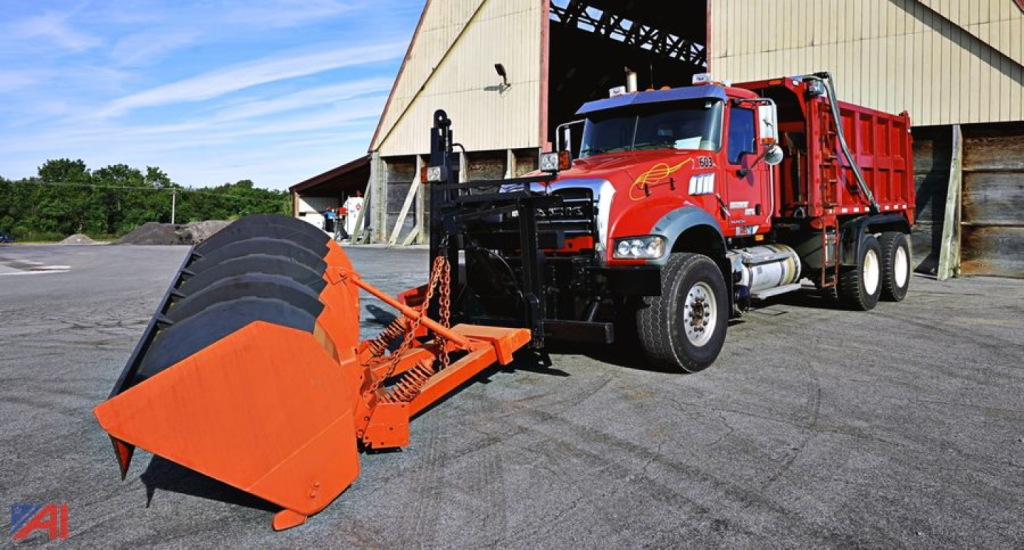
Truck configuration affects productivity every day, not just on paper. For tractors, look at wheelbase, fifth wheel type, sliding adjustment, fairings, fuel tank capacity, and brake setup. Buyers running dry van or reefer lanes often prioritize aerodynamic packages, collision mitigation, disc brakes, and air ride suspension. For straight trucks, body details matter just as much as cab specs. A van body may include plywood lining, E-track, scuff liners, translucent roof panels, roll-up rear doors, and a liftgate, all of which directly affect freight handling and damage control. Service and utility trucks should be evaluated by compartment layout, crane or plow equipment if equipped, electrical or hydraulic systems, and chassis GVWR. On any used truck, maintenance history, engine hours, idle hours, emissions system condition, and signs of frame or suspension wear are critical checkpoints.
A strong used truck purchase comes down to application fit, not just model year. Look closely at mileage, ECM data, brake and tire condition, driveline wear, and the condition of the cab interior because those items often reflect how the truck was operated. Confirm axle ratings, registration class, and body dimensions before purchase so the truck matches your legal and operational requirements. For buyers comparing multiple listings, the best value is usually the truck with the right spec for the route, freight, and duty cycle, not simply the lowest price or newest badge.
Frequently Asked Questions about Used Commercial Trucks
What is the difference between a used day cab truck and a used sleeper truck?
A used day cab truck is built for local or regional work and does not include a bunk area, which usually means lower weight, shorter wheelbase, and easier maneuverability in city or terminal environments. A used sleeper truck includes a sleeping compartment for over-the-road operation and is typically configured with larger fuel capacity, more aerodynamic equipment, and a longer wheelbase to support long-distance freight.
What should I check first when buying a used semi truck or commercial truck?
Start with the truck's application-specific specs, including axle ratings, wheelbase, engine horsepower, transmission type, rear end ratio, and suspension. Then review maintenance records, engine hours, mileage, emissions system history, brake and tire wear, and any fault codes or ECM data. A truck that is correctly spec'd for the job will usually outperform a cheaper truck with the wrong gearing or axle setup.
Are automatic transmissions common in used trucks?
Yes. Automated manual and automatic transmissions are very common in later-model used trucks, especially fleet-maintained highway tractors and medium-duty delivery trucks. They can improve driver acceptance, reduce training time, and support more consistent fuel economy, but buyers should still evaluate clutch actuation systems, shift quality, and service history because transmission performance depends heavily on maintenance and software calibration.
How do I choose the right rear axle ratio on a used truck?
Rear axle ratio should match the truck's duty cycle. Numerically lower ratios such as 2.53 or 2.64 are common in highway tractors focused on fuel economy at cruising speed. Numerically higher ratios such as 3.55 or 5.13 provide more startability and pulling power for heavier loads, urban routes, straight trucks, or vocational use. The correct ratio depends on terrain, gross weight, tire size, and average road speed.
What matters most on a used straight truck with a van body or utility body?
On a used straight truck, the body specification is often just as important as the chassis. Buyers should verify body length, floor condition, door type, liftgate rating, interior logistics equipment such as E-track or scuff liners, and any signs of leaks or structural damage. On utility trucks, compartment storage, PTO equipment, plow or crane setup, and overall chassis GVWR are key because those features determine how well the truck supports the work crew or service application.