
Used Commercial Trucks For Sale in Virginia
Browse used trucks for sale in Virginia, including work trucks, vocational units, utility bodies, tow trucks, mixers, and roll-off trucks.
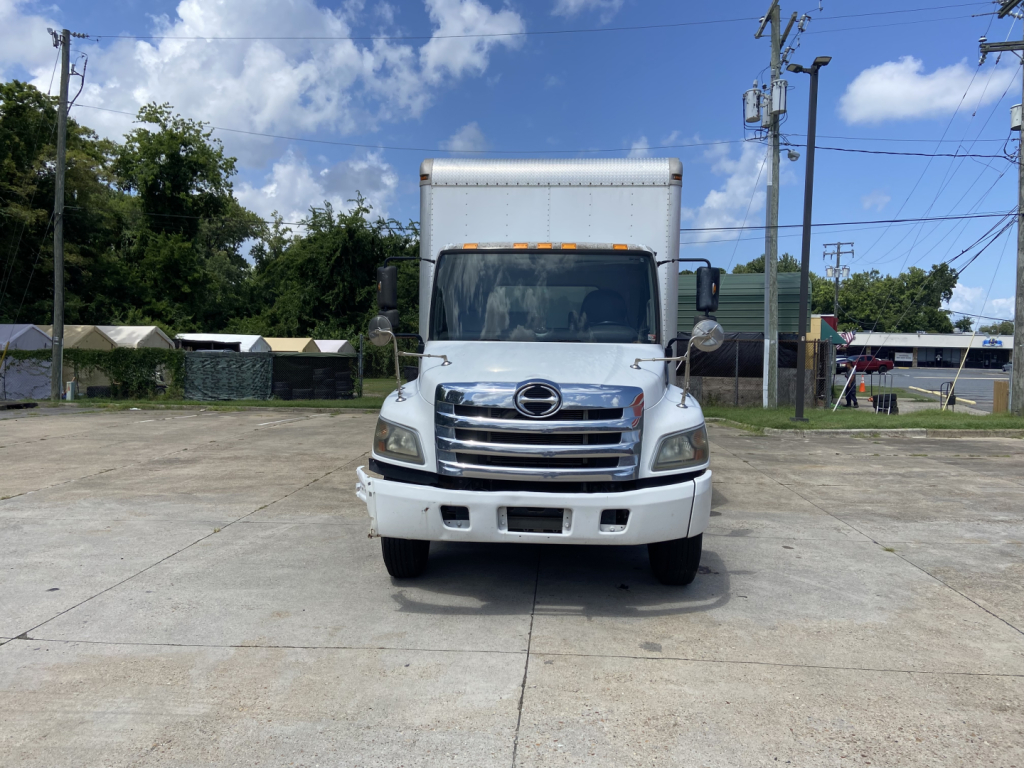
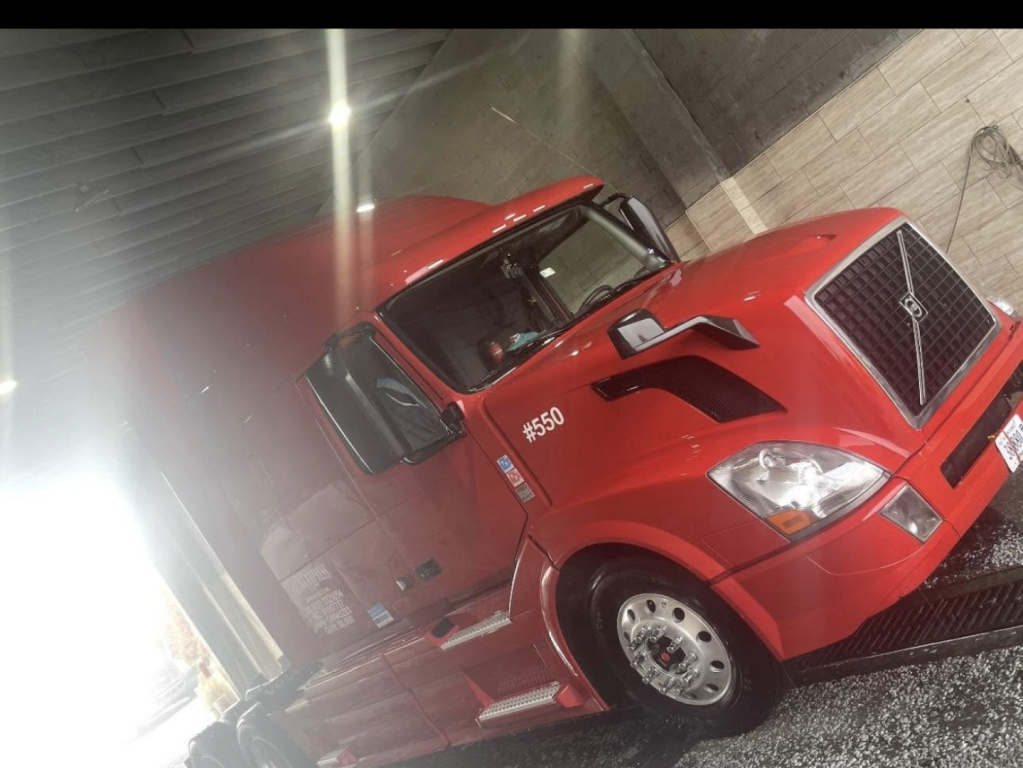
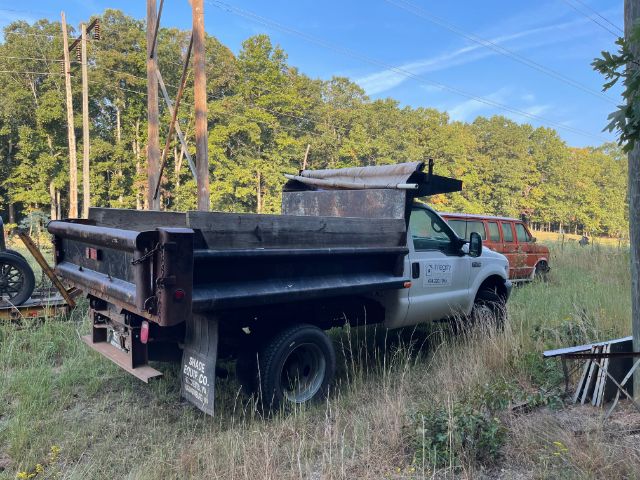
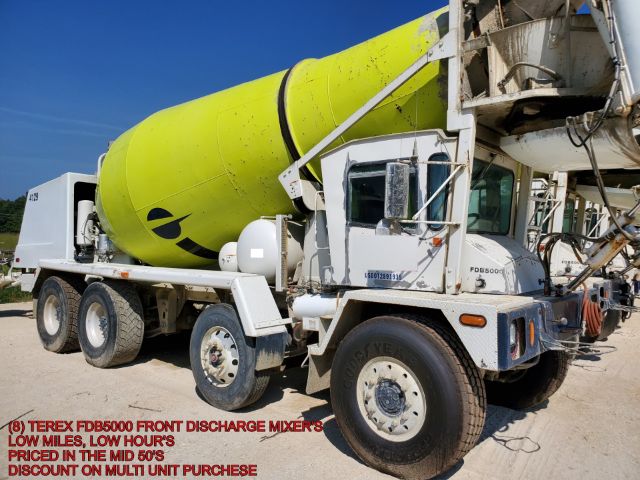
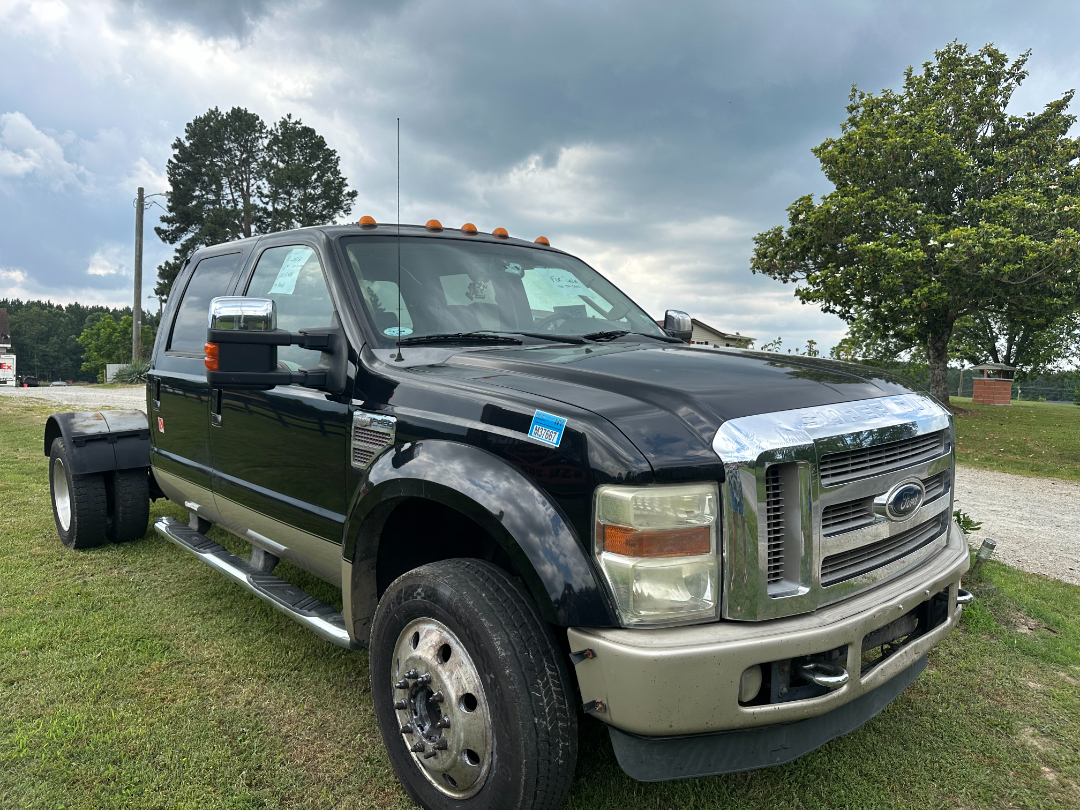

Selling a used commercial truck? List your used commercial truck for sale and reach thousands of commercial buyers.
Used Commercial Trucks in Virginia
A broad used truck market typically includes chassis from makes like International, Freightliner, Sterling, GMC, Ford, Mack, Peterbilt, and Kenworth, with body types such as bucket trucks, roll-off trucks, tow trucks, mixers, service trucks, flatbeds, and other purpose-built vocational units. Key specs vary by application, but buyers should pay close attention to axle configuration, GVWR, wheelbase, suspension type, transmission, brake system, engine family, and whether the truck uses a PTO-driven hydraulic package. On specialty trucks, the upfit is often the value center. A bucket truck needs lift records and dielectric inspection history when applicable. A tow truck should be checked for winch function, deck condition, wheel-lift wear, and frame integrity. A roll-off truck should be evaluated for hoist rating, tarping system, cylinder condition, and rail wear.
Virginia buyers often need equipment that can handle a mix of urban, suburban, and rural duty cycles. That puts extra importance on cooling system condition, brake wear, tire condition, turning radius, and cab comfort for stop-and-go operation or longer interstate runs. Corrosion should be inspected closely, especially on utility bodies, outriggers, crossmembers, subframes, and electrical connections. On older used trucks, emissions equipment, injector performance, turbo response, and transmission service records can have a major impact on total operating cost. If the truck supports a revenue-producing attachment or body, verify that all controls, pumps, compressors, and auxiliary systems function under load, not just at idle.
The best used truck in this category is usually the one with the right body, legal weight rating, and service documentation for the work you plan to do. Buyers should confirm title status, CDL requirements, axle ratings, and any state or federal inspection needs before purchase. A lighter medium-duty chassis may be the better fit for municipal streets, property maintenance, and regional service calls, while tandem-axle vocational trucks are better suited for heavier payloads and severe-duty cycles. When comparing used trucks for sale in Virginia, focus on application fit first, then condition, then drivetrain spec. That approach usually leads to the lowest downtime and the best long-term value.
Frequently Asked Questions about Used Commercial Trucks in Virginia
What types of used trucks are commonly available in Virginia?
Used trucks in Virginia commonly include medium-duty and heavy-duty vocational units such as bucket trucks, roll-off trucks, tow trucks, concrete mixers, utility trucks, flatbeds, and other specialty work trucks. The mix often reflects local contractor, municipal, and public utility demand, so buyers will see many purpose-built chassis with PTO equipment, hydraulic systems, and job-specific bodies rather than only standard over-the-road configurations.
What should I inspect first on a used vocational truck?
Start with the body or upfit, because that is often the most expensive part to repair and the reason the truck was purchased in the first place. Check hydraulic operation, PTO engagement, structural condition, corrosion, controls, hoses, cylinders, pumps, and any auxiliary systems such as compressors, winches, outriggers, or tarpers. After that, review the chassis, including engine condition, transmission performance, axle ratings, brake system, suspension, tire wear, and frame integrity.
Are used municipal or government fleet trucks a good buy?
They can be a strong value because many municipal and government trucks follow scheduled maintenance programs and may have relatively low miles for their age. The tradeoff is that idle time, PTO hours, and stop-and-go duty can be high, especially on utility, striping, or service applications. Buyers should judge these trucks by maintenance records, body function, and overall wear pattern rather than mileage alone.
How do I choose between a medium-duty truck and a heavy-duty truck?
Choose based on payload, body size, route conditions, and licensing requirements. Medium-duty trucks are often easier to maneuver in tighter urban and suburban environments and can be a better fit for service work, light utility applications, and local delivery-style jobs. Heavy-duty trucks are better suited for severe-duty use, larger upfits, higher GVWRs, tandem-axle configurations, and applications like roll-off hauling, heavy towing, or mixer work.
Why does the truck body matter as much as the chassis on a used truck?
On many used work trucks, the body determines the truck's revenue potential, maintenance profile, and replacement cost more than the cab or engine alone. A sound chassis with a worn-out hoist, damaged boom, weak hydraulics, or compromised utility body can quickly become an expensive project. Matching the body condition and capacity to the intended application is one of the most important steps in evaluating any used truck.