
Used Landscape Trucks For Sale
Browse used landscape trucks with dump bodies, high sides, tarp systems, and hitch setups for mulch, debris, nursery, and cleanup work.
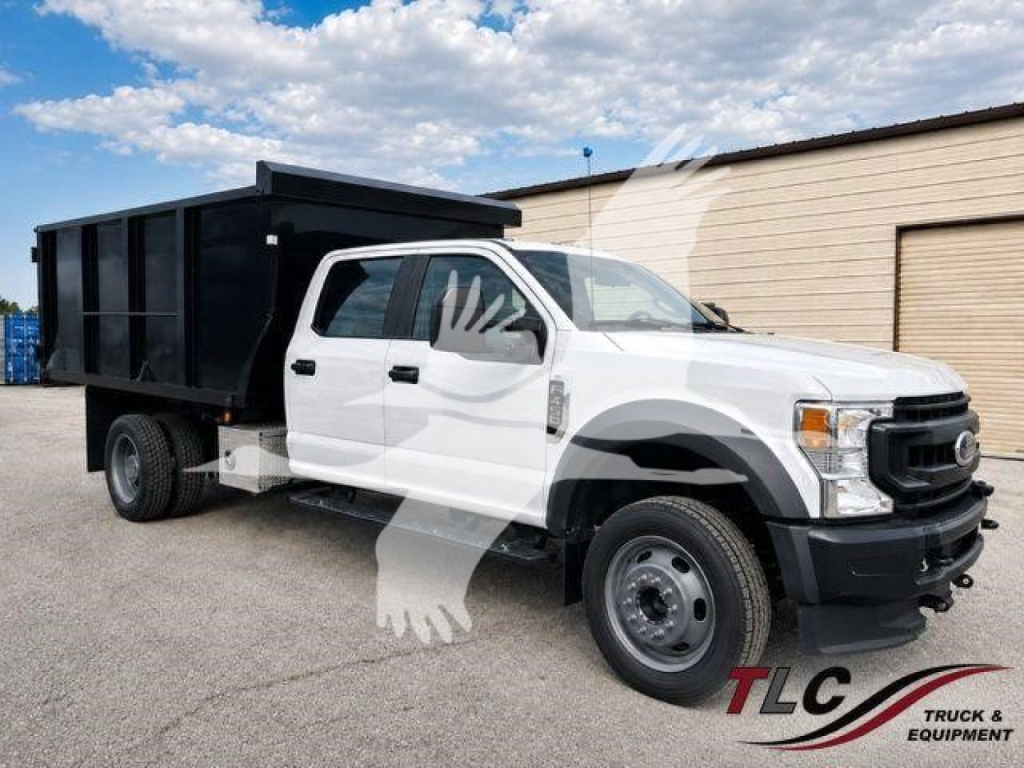
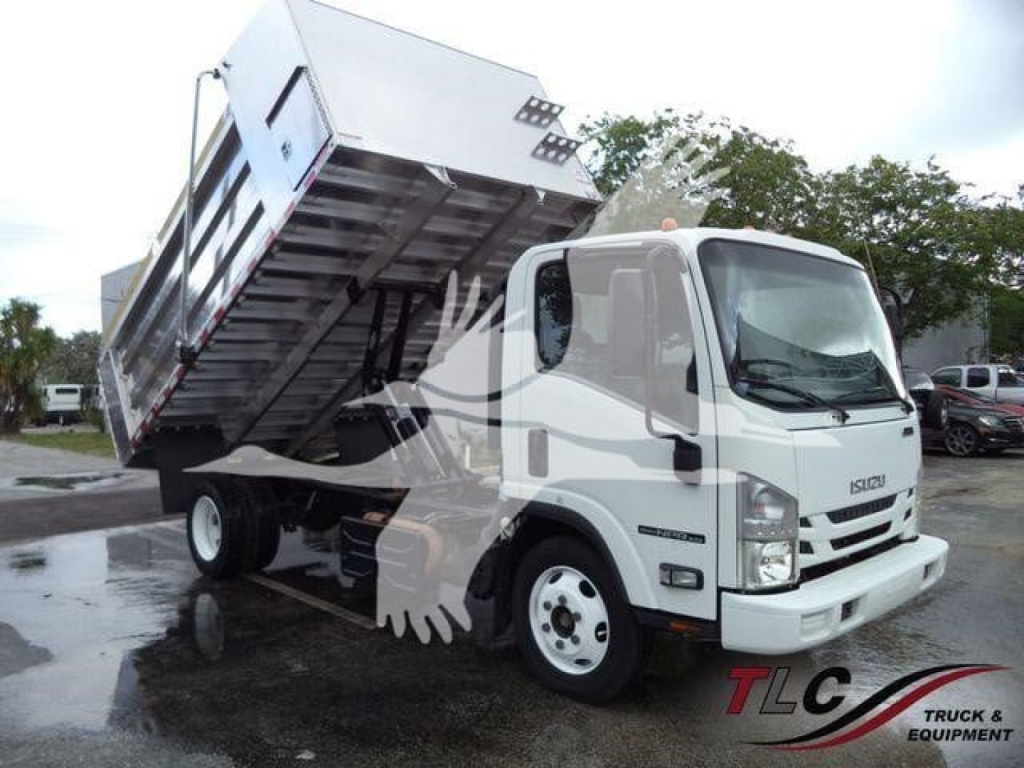
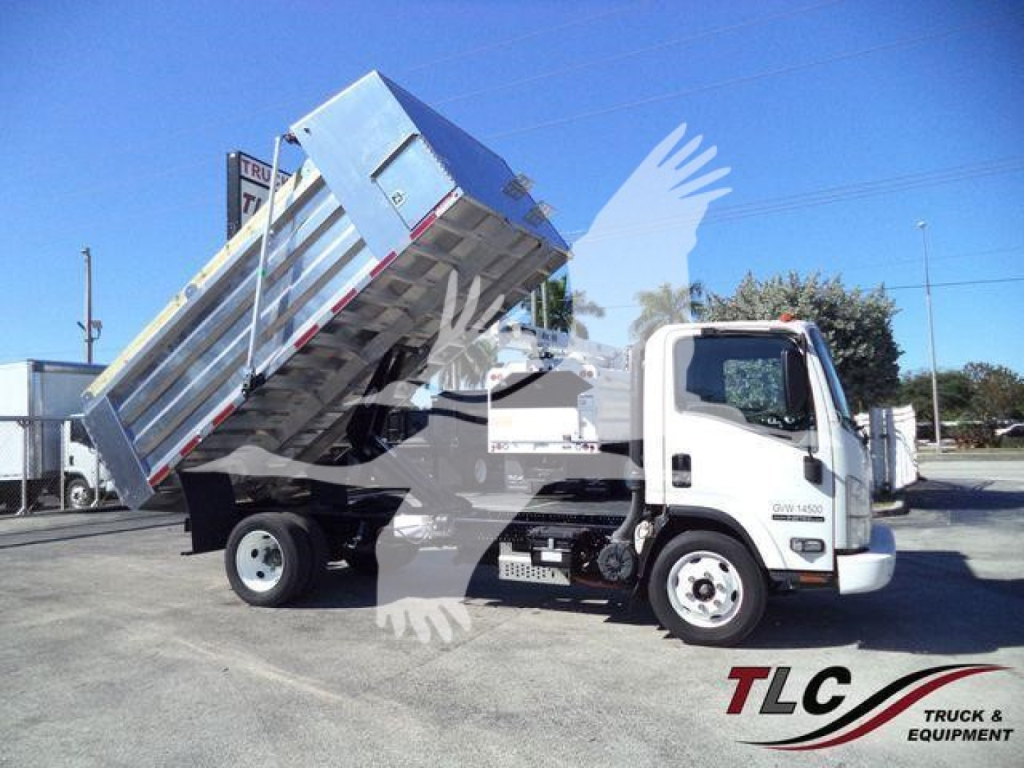
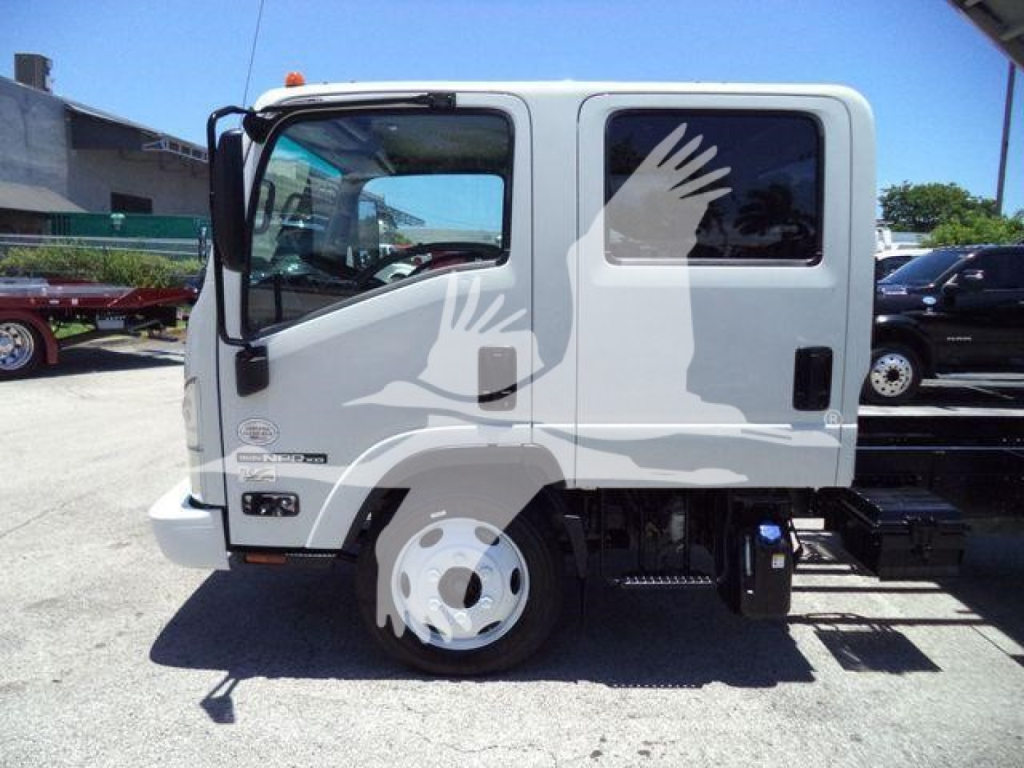
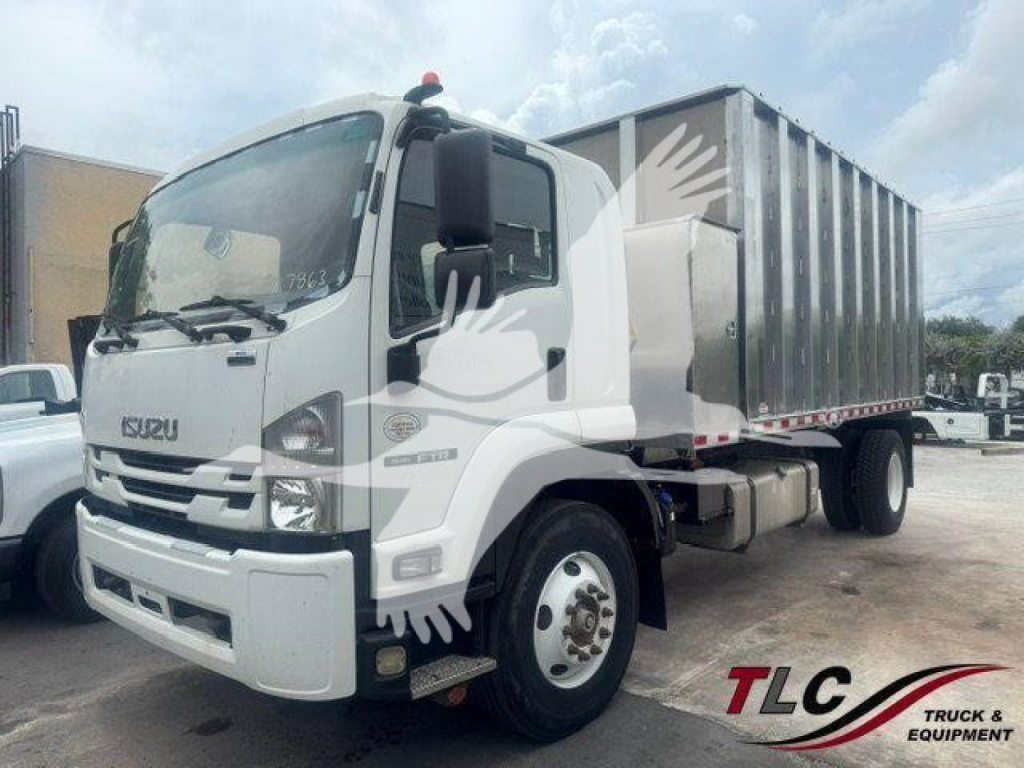
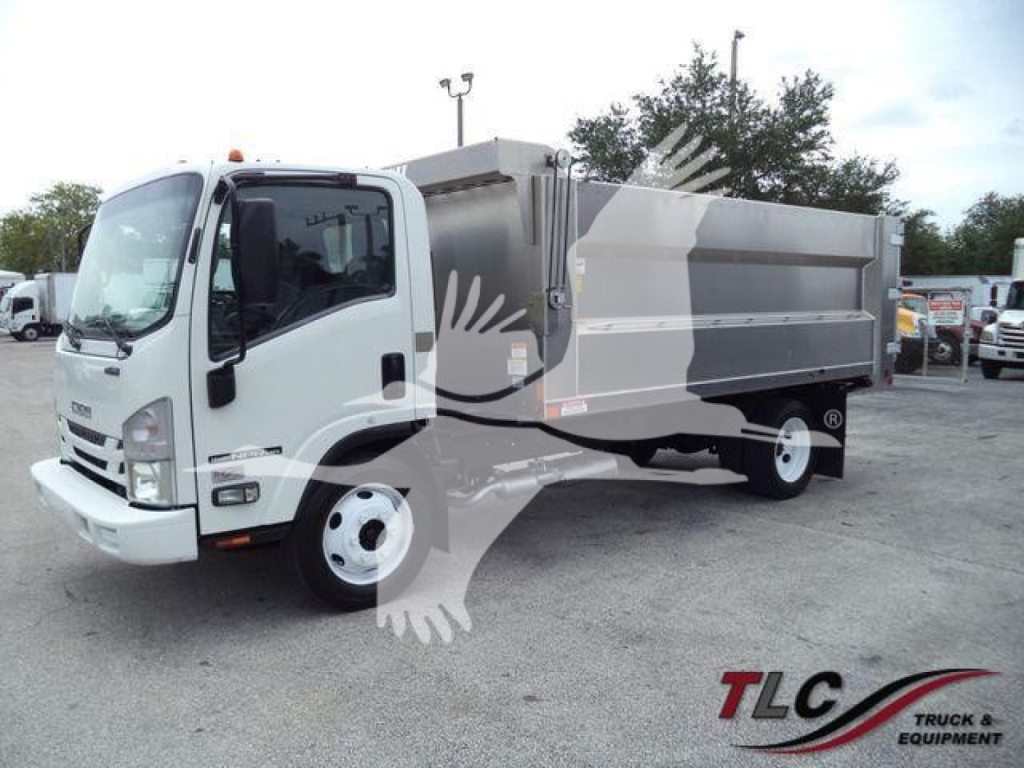
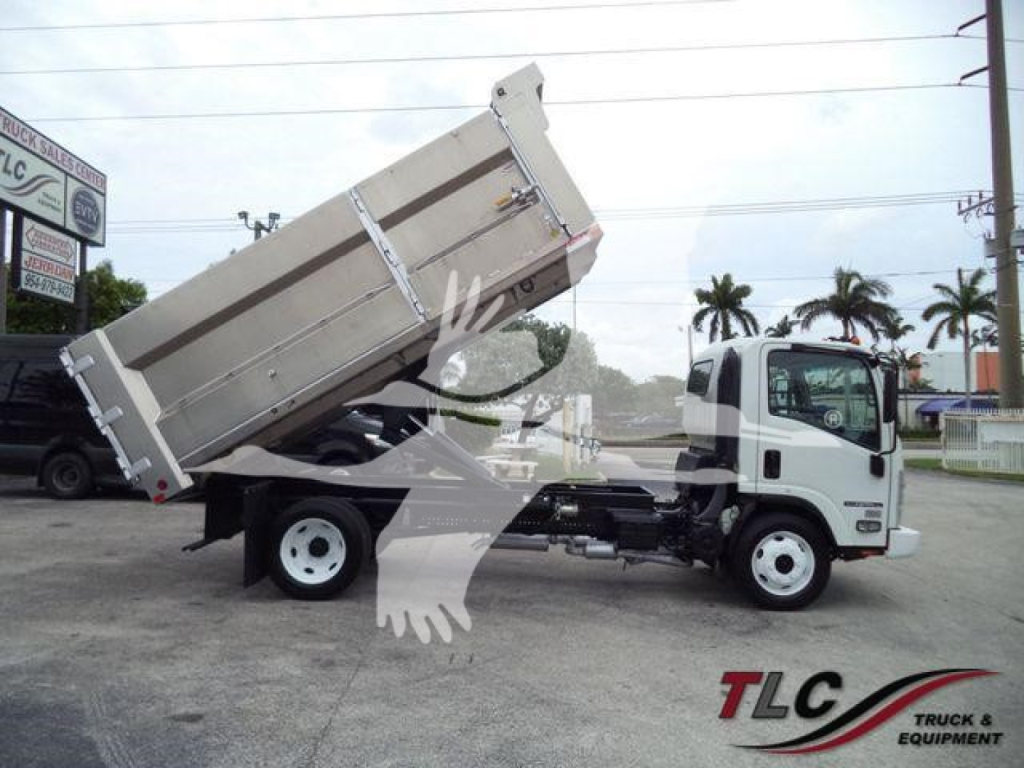
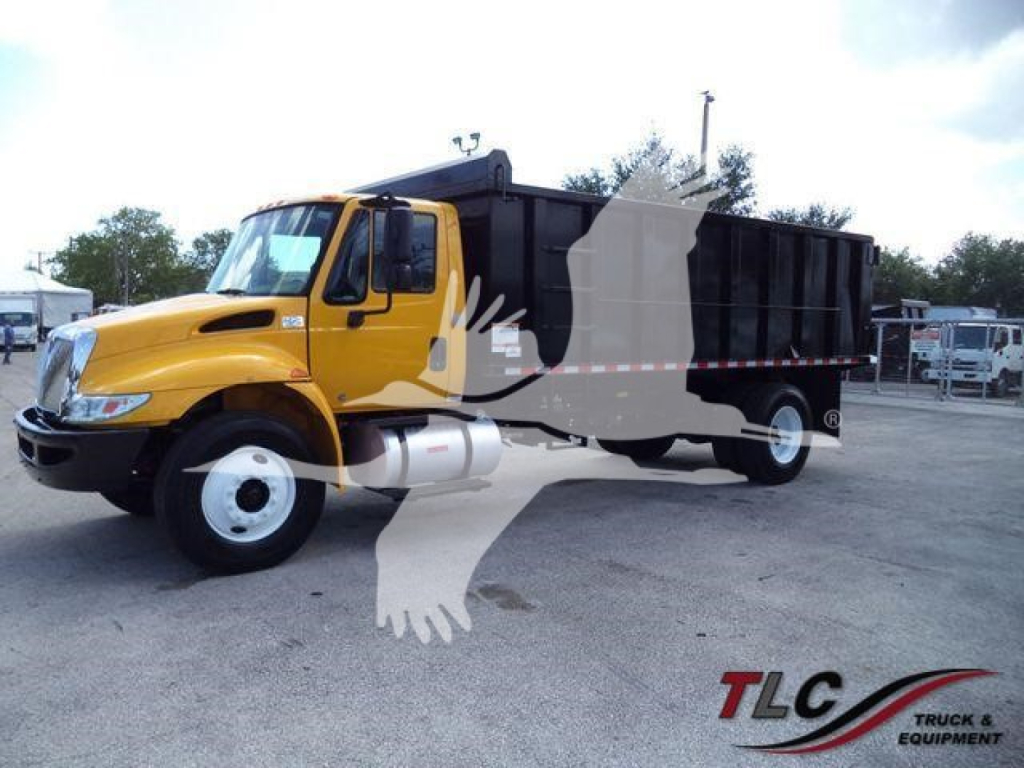
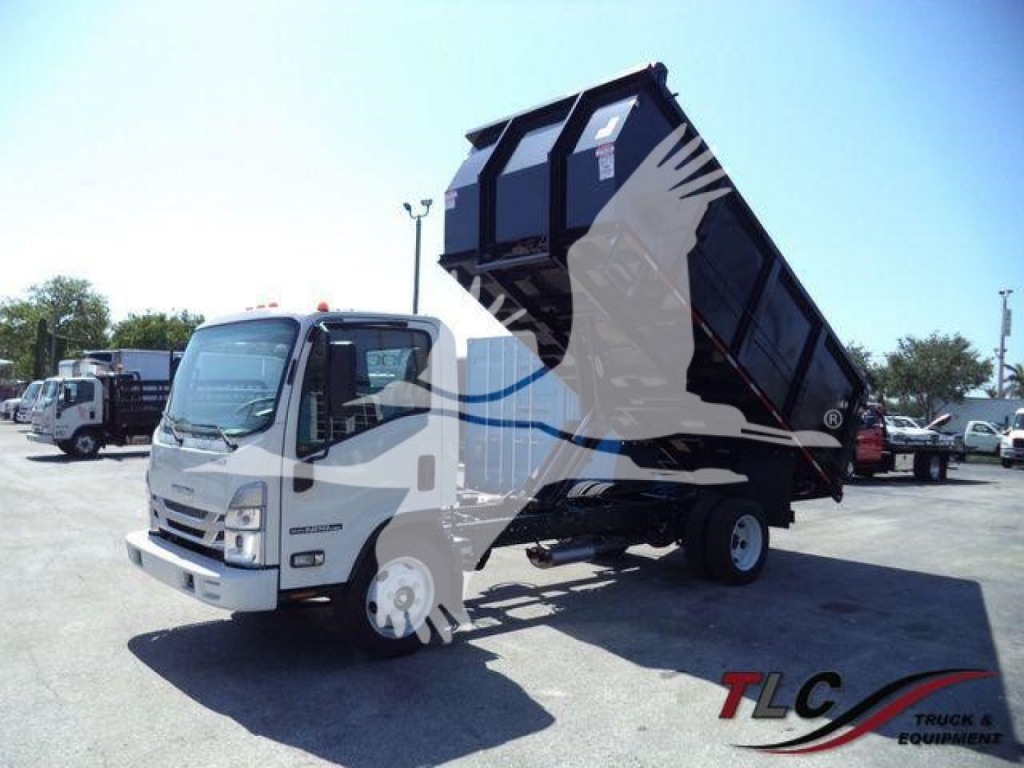
2024 Isuzu Npr Hd
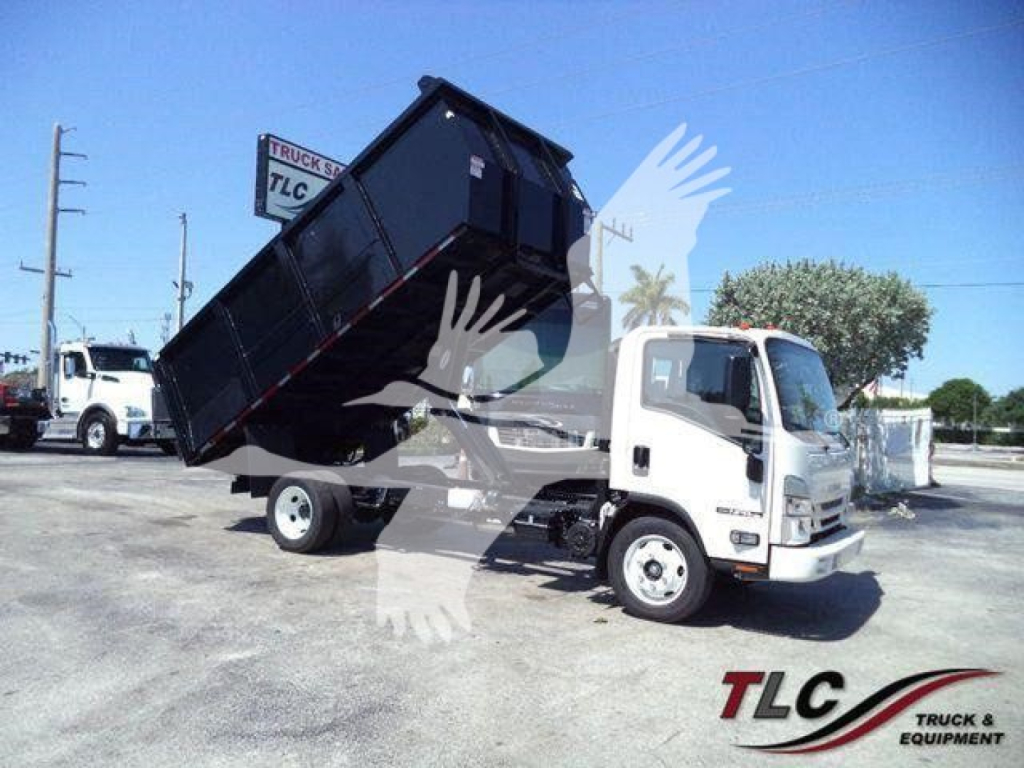
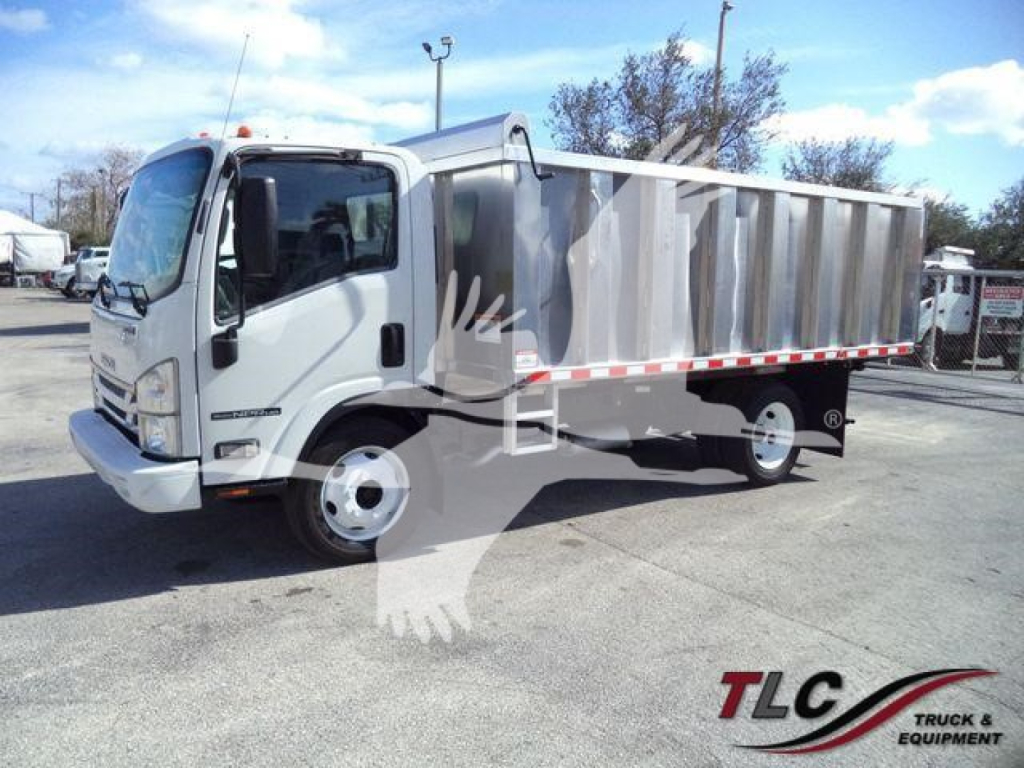
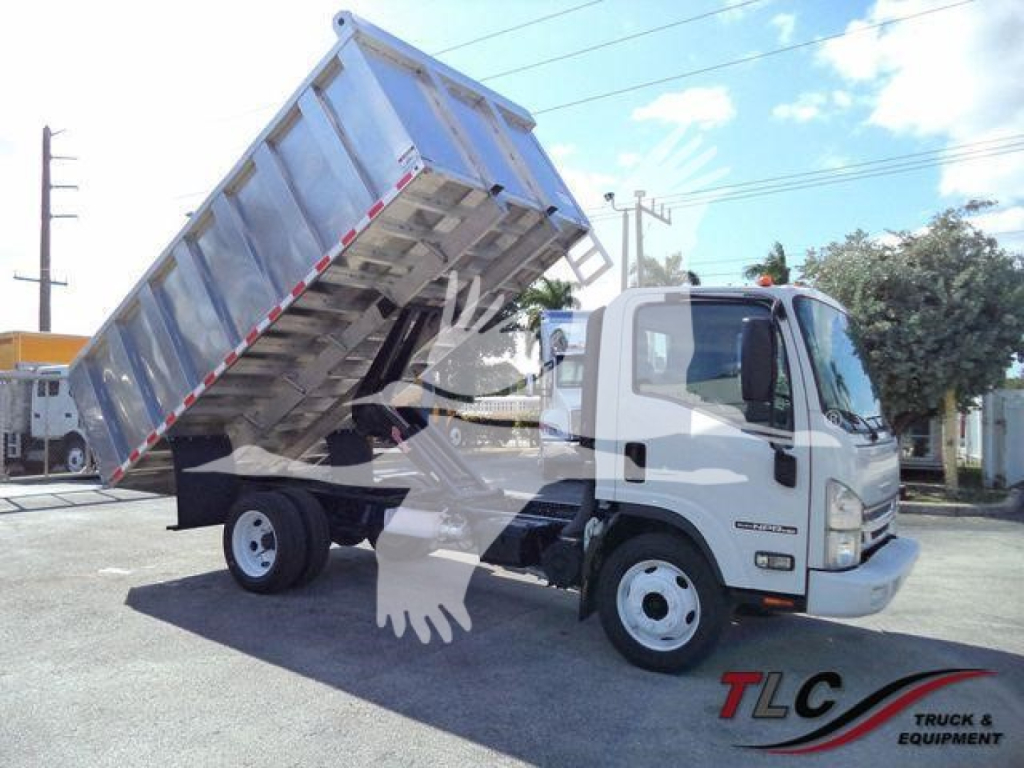
Selling a used landscape truck? List your used landscape truck for sale and reach thousands of commercial buyers.
Used Landscape Trucks
Body construction is one of the first decisions to make. Aluminum landscape bodies reduce curb weight and resist corrosion, which helps when the truck spends its life around wet organics, fertilizer, and seasonal exposure. Steel bodies usually cost less and hold up well in harder-use applications, especially where the truck may see rough loading or occasional heavier material. Side height is typically in the 48- to 54-inch range, and door layout matters more than many buyers expect. Barn doors are practical for hand unloading and debris work, while a wide swing door can speed loading with compact equipment. Most used landscape trucks in this class use electric-over-hydraulic or PTO hoists, often with scissor lift configurations for stable dumping.
Chassis choice drives operating cost and legal payload. Common platforms include Isuzu NPR HD and International DuraStar models in the 14,500- to 26,000-pound GVWR range. Gas-powered cabovers are common for urban route density, simple service access, and lower upfront cost. Diesel options become more attractive when the truck sees longer routes, more towing, or higher annual mileage. Buyers should pay close attention to axle rating, suspension type, brake system, wheel and tire size, and hitch capacity. A 14,500-GVWR cabover with a lightweight aluminum body is a very different tool than a 26,000-GVWR conventional with air brakes and air ride. If the truck will regularly tow chippers, mini skids, or enclosed equipment trailers, confirm brake controller compatibility, receiver rating, and the actual combined weight plan.
The best used landscape truck is usually the one with the right body spec and clean hydraulic performance, not just the newest chassis. Check hoist operation under load, hinge and crossmember condition, floor wear, tarp function, rear door fitment, and signs of body twist or corrosion around mounting points. Review service records for transmission, brakes, cooling system, and PTO or electric-over-hydraulic components. For many buyers, these trucks are revenue tools that cycle through multiple stops per day, so cab ergonomics, turning radius, and ease of loading matter just as much as engine brand. A well-matched landscape dump truck can cover mulch delivery, seasonal cleanup, storm debris, and towing support with one chassis.
Frequently Asked Questions about Used Landscape Trucks
What is a landscape truck used for?
A landscape truck is typically used to haul light, bulky materials such as mulch, leaves, brush, nursery stock, soil blends, and cleanup debris. Most are built as landscape dump trucks with high sides and a hydraulic hoist so the operator can carry large-volume loads and unload quickly at a jobsite or disposal location. Many are also equipped with trailer hitches to tow mowers, skid steers, chippers, or small equipment trailers.
What is the difference between a landscape truck and a standard dump truck?
A landscape truck is designed around volume and versatility, while a standard dump truck is usually designed around heavier payload density. Landscape bodies generally have taller sides, lighter construction, and door configurations suited for brush, mulch, and mixed debris. A conventional dump truck normally has a heavier body, lower sides, and a chassis better suited for gravel, asphalt, demolition material, or other dense loads. The right choice depends on what the truck will carry most of the time, not just the maximum load it can dump.
Is an aluminum or steel landscape body better?
An aluminum landscape body is usually better when low empty weight, corrosion resistance, and higher legal payload are priorities. That makes aluminum attractive for mulch delivery, organic debris, and fleets trying to stay efficient on lighter-GVWR chassis. A steel body is often preferred where the truck will see rougher loading conditions, more abuse from equipment or debris, or a lower purchase budget. The better material depends on the work mix, expected service life, and how closely payload and rust prevention affect your operation.
What should I inspect on a used landscape truck?
The key inspection points are the dump body, hydraulic system, and chassis ratings. Look closely at the body floor, side panels, crossmembers, rear hinges, hoist mounts, and subframe for rust, cracking, or repairs. Test the hoist through a full raise and lower cycle, verify the tarp works properly, and check that the rear doors latch squarely. On the chassis, confirm GVWR, brake type, suspension, tire condition, hitch setup, and maintenance history. A clean cab and decent mileage matter, but body condition and hydraulic reliability often tell you more about how the truck was actually used.
What GVWR range is common for a used landscape truck?
Used landscape trucks are commonly found from about 14,500 GVWR up to 26,000 GVWR. The lower end is popular for cabover chassis used in tight urban work, lighter payloads, and frequent stop-and-go routes. The higher end is better for larger bodies, more towing, air brake requirements, and higher-capacity daily use. Buyers should match GVWR to the body size, material type, crew size, trailer plans, and any CDL or registration considerations in their state.