
Used 2019 Landscape Trucks For Sale
Shop used 2019 landscape trucks built for mulch, debris, brush, and material hauling, with dump bodies, tall sides, hitches, and contractor-ready specs.
Selling a used 2019 landscape truck? List your used 2019 landscape truck for sale and reach thousands of commercial buyers.
Used 2019 Landscape Trucks
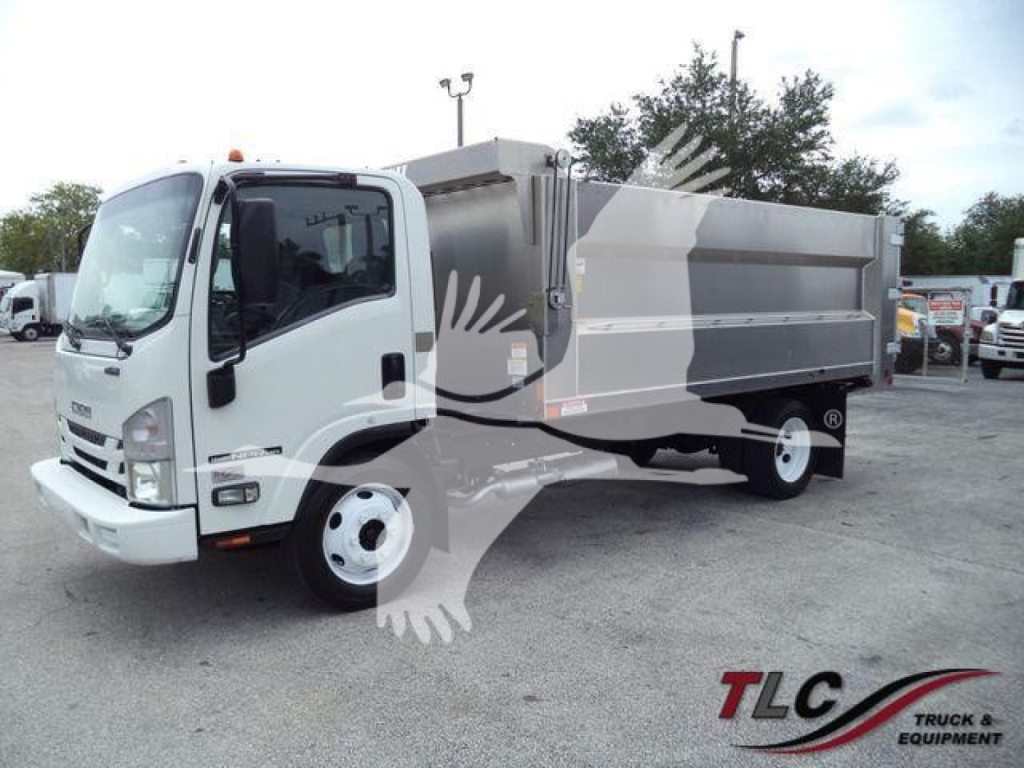
For a 2019 model, the first decision is usually chassis and powertrain. Many trucks in this category use a 14,500-lb GVWR platform, which keeps them maneuverable and well suited for landscaping crews, municipalities, and property maintenance contractors. Cabover trucks are especially common because they offer a tight turning radius, good forward visibility, and easier urban access than a conventional-nose truck. Gas and diesel options are both common in this class. A diesel can make sense for higher annual mileage and frequent towing, while a gas truck may appeal to buyers prioritizing simpler maintenance and lower upfront cost.
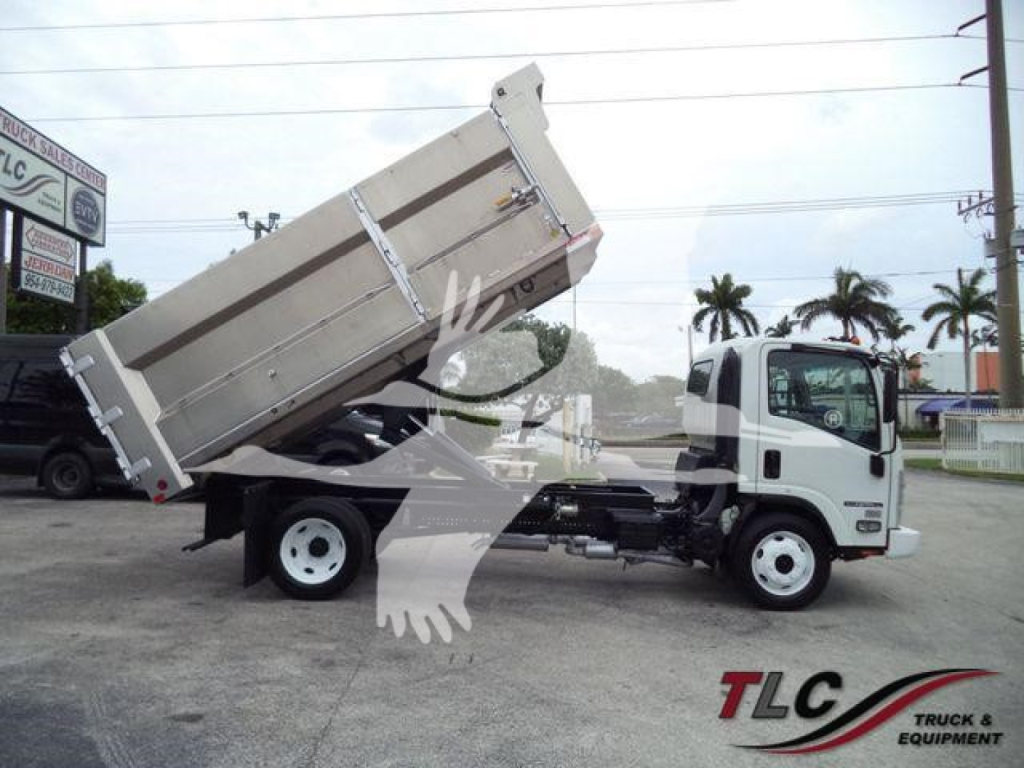
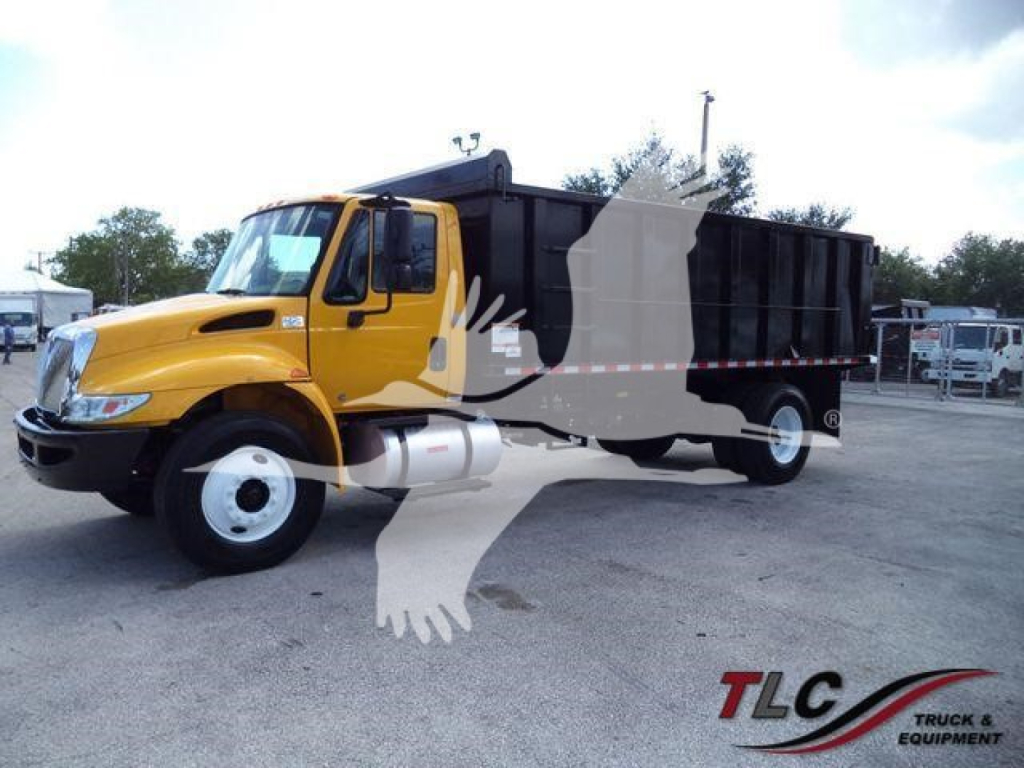
The body spec matters as much as the chassis. Landscape trucks are also known as landscape dump trucks or landscape dump bodies, and the useful features are straightforward: 48-inch to 51-inch sides for volume, a wide rear barn door or swing gate for unloading, a tarp system for legal road travel, and a hoist strong enough to handle wet debris or dense material when the truck is not just carrying mulch. Aluminum bodies help reduce curb weight and resist corrosion, while steel bodies can be attractive for harder use and lower repair complexity. If crews tow skid steers, mini excavators, or equipment trailers, check for a frame-mounted hitch, brake controller or electric brake wiring, and a 7-way RV plug.
On a used 2019 landscape truck, condition should be judged by the upfit as closely as the engine and transmission. Inspect the hoist, hinge points, floor, side panels, rear doors, tarp assembly, and any scissor lift cylinder for signs of twisting, cracked welds, or corrosion from wet organic loads. Service records, lease maintenance history, and evidence of regular hydraulic and brake work add real value in this category. Buyers comparing listings should also look at cab configuration, side height, door design, payload tradeoffs, and whether the truck's body setup matches the actual work cycle, because a truck hauling brush every day needs a different body emphasis than one towing equipment and dumping heavier mixed material.
Frequently Asked Questions about Used 2019 Landscape Trucks
What is a landscape truck used for?
A landscape truck is typically used to haul mulch, brush, leaves, trimmings, loose debris, and light bulk materials, while still offering dump capability for unloading. Many are equipped with tall sidewalls, rear barn doors or swing gates, tarp systems, and trailer hitches, which makes them useful for landscaping contractors, tree services, property maintenance crews, and municipalities.
What should I look for on a used 2019 landscape truck?
Focus on the body and hydraulic system as much as the chassis. Check the dump hoist, cylinder, hinges, tailgate or barn doors, floor condition, sidewall integrity, tarp operation, hitch setup, and brake wiring. On the truck side, review mileage, service records, tire condition, brake wear, and signs of hard use such as overloaded springs, frame rust, or uneven body alignment.
Are aluminum or steel landscape bodies better?
Aluminum bodies are popular because they reduce empty weight and resist corrosion, which can help with payload and long-term appearance. Steel bodies may be preferred in tougher applications where impact resistance and simpler weld repair matter more. The better choice depends on what the truck carries most often, how long it will be kept, and whether maximizing legal payload is a priority.
Is a 14,500-lb GVWR landscape truck enough for commercial work?
For many contractors, yes. A 14,500-lb GVWR chassis is common in the landscape segment because it balances payload, maneuverability, and operating ease. It works well for mulch, brush, leaves, and mixed property maintenance loads, especially in neighborhoods and urban service areas. Buyers hauling heavier debris regularly or towing larger equipment may need to look closely at payload calculations and towing equipment before deciding.
Why are cabover trucks common in the landscape category?
Cabover trucks are common because they are easy to maneuver in tight spaces, offer strong visibility, and make efficient use of overall vehicle length. That matters for crews working in residential streets, commercial lots, alleys, and municipal environments where turning room is limited. A cabover chassis can also pair well with a 14-foot or 15-foot dump body without making the truck feel oversized on local routes.