
Used 2019 Landscape Trucks For Sale in Florida
Shop used 2019 landscape trucks in Florida. Compare dump body size, side height, GVWR, diesel or gas power, and towing-ready upfits.
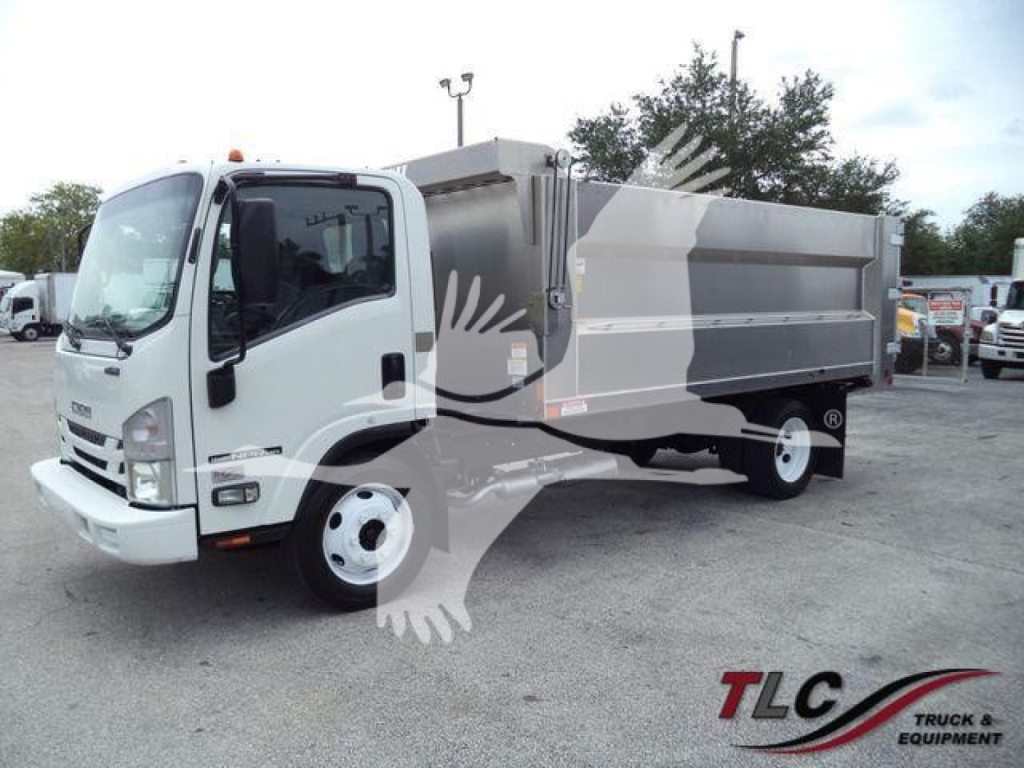
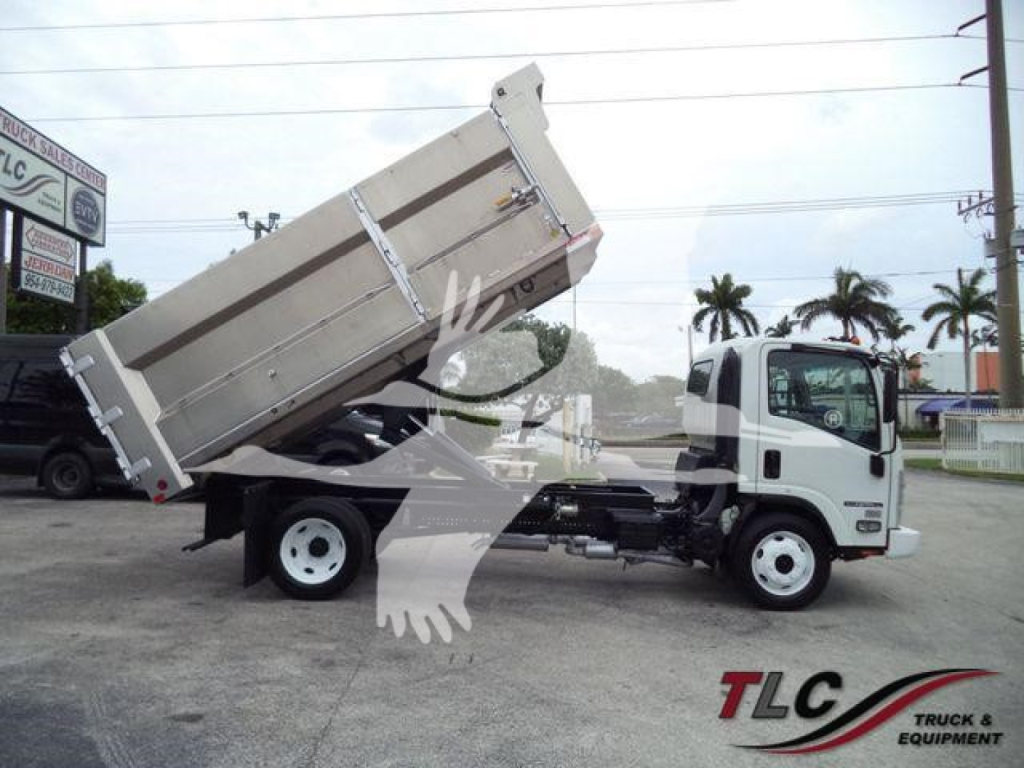
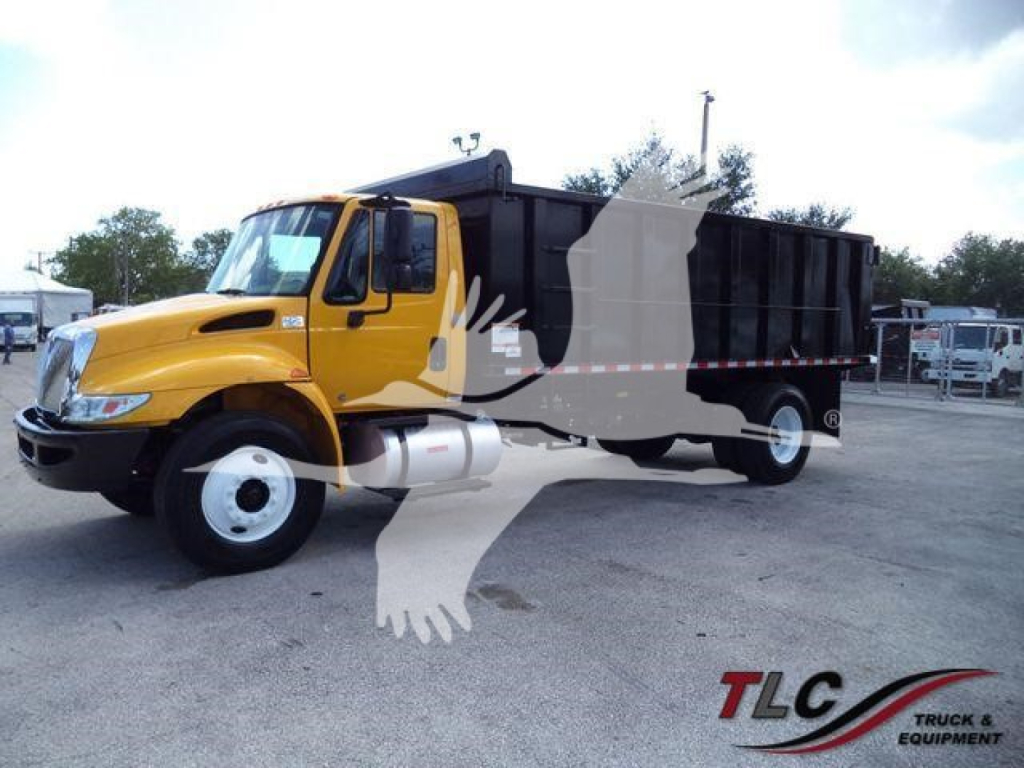
Selling a used 2019 landscape truck? List your used 2019 landscape truck for sale and reach thousands of commercial buyers.
Used 2019 Landscape Trucks in Florida
The body upfit matters as much as the chassis. Many 2019 landscape trucks use 14-foot to 18-foot dump bodies with high solid sides, barn doors or single-swing rear doors, manual or pull tarps, and scissor hoists for unloading. Aluminum bodies reduce curb weight and help maximize payload, which is useful for crews hauling mulch, brush, and bagged material every day. Steel bodies hold up well in rough debris service and can be a better fit for mixed waste, stone, and heavier cleanup work. Buyers should look closely at side-wall height, tailgate configuration, hoist rating, and whether the truck includes a frame-mounted hitch, electric brake controller setup, and 7-way plug for trailer work.
For Florida service, corrosion resistance, cooling performance, and stop-and-go drivability deserve extra attention. Aluminum landscape bodies are popular in coastal and humid areas because they resist rust better than painted steel. Diesel 4-cylinder cabovers from this model year are common for fuel efficiency and low-end torque, while gas V8 trucks can be attractive for lower upfront cost and simpler service in some fleets. Automatic transmissions are standard on many landscape applications because they reduce driver fatigue and make multi-stop routes easier. Cab condition, A/C performance, service records, and signs of hard PTO or hydraulic use can tell you a lot about how the truck was treated.
A good 2019 landscape truck should match the work mix, not just the body size. If the truck will spend most of its time on maintenance routes with light debris and occasional towing, a 14-foot body on a 14,500-lb GVWR chassis may be enough. If the work includes storm cleanup, tree debris, or hauling dense materials with a trailer behind it, step up to more GVWR, stronger hoist capacity, and a body with durable door hardware and reinforced floors. Buyers comparing listings should focus on payload potential, body material, dump system design, hitch equipment, and maintenance history before putting too much weight on odometer alone.
Frequently Asked Questions about Used 2019 Landscape Trucks in Florida
What should I look for first on a used 2019 landscape truck?
Start with the GVWR, body length, body material, and hoist type because those specs determine how the truck will actually perform in landscape service. A 14-foot aluminum dump body on a lighter cabover works well for mulch, clippings, and residential route work, while a larger steel body on a heavier chassis is better suited for storm debris, mixed waste, and tougher cleanup jobs. After that, check service records, PTO and hydraulic operation, tailgate hinges and latches, hitch setup, tire condition, and A/C performance.
Are aluminum landscape bodies better than steel on a 2019 truck?
Aluminum bodies usually offer better corrosion resistance and lower body weight, which can improve payload on a medium-duty chassis. That makes them popular for Florida use and for fleets hauling mulch, brush, and other lighter-volume materials. Steel bodies are often preferred when the truck sees harder use, repeated debris loading, or denser material that can be rough on floors and side panels. The better choice depends on the type of material hauled, not just the age of the truck.
Is a 14,500-lb GVWR landscape truck enough for commercial work?
It can be, if the truck is handling lighter landscape materials, route-based maintenance work, and moderate towing. Trucks in the 14,500-lb GVWR class are easier to maneuver and often cost less to run, especially in urban and suburban service. If the operation regularly hauls dense debris, pallets of material, tree waste, or uses larger trailers, a higher-GVWR truck generally gives more margin for payload, braking, and upfit durability.
What dump body features matter most on a landscape truck?
Side height, rear door design, tarp system, hoist capacity, and floor construction are the big ones. Higher sides help with volume loads like brush and mulch, while a barn door or swing door arrangement can make unloading and hand access easier depending on the job. A properly sized scissor hoist gives more stable dumping performance under load. Buyers should also verify that door hardware, tarp arms, and hydraulic components are not bent, leaking, or heavily worn.
Why are cabover trucks so common in landscape applications?
Cabover models are common because they provide a shorter overall length for a given body size, which helps in tight lots, residential streets, and commercial properties with limited turning room. They also offer good forward visibility and easy body packaging for 14-foot to 16-foot landscape dumps. For crews making frequent stops, loading tools, and backing into confined spaces, that maneuverability can be as important as engine size or body capacity.