
Used Ford Commercial Trucks For Sale
Used Ford trucks from F‑250 to F‑750. Compare chassis cabs, box and dump trucks by payload, floor strength, tare weight and corrosion resistance.
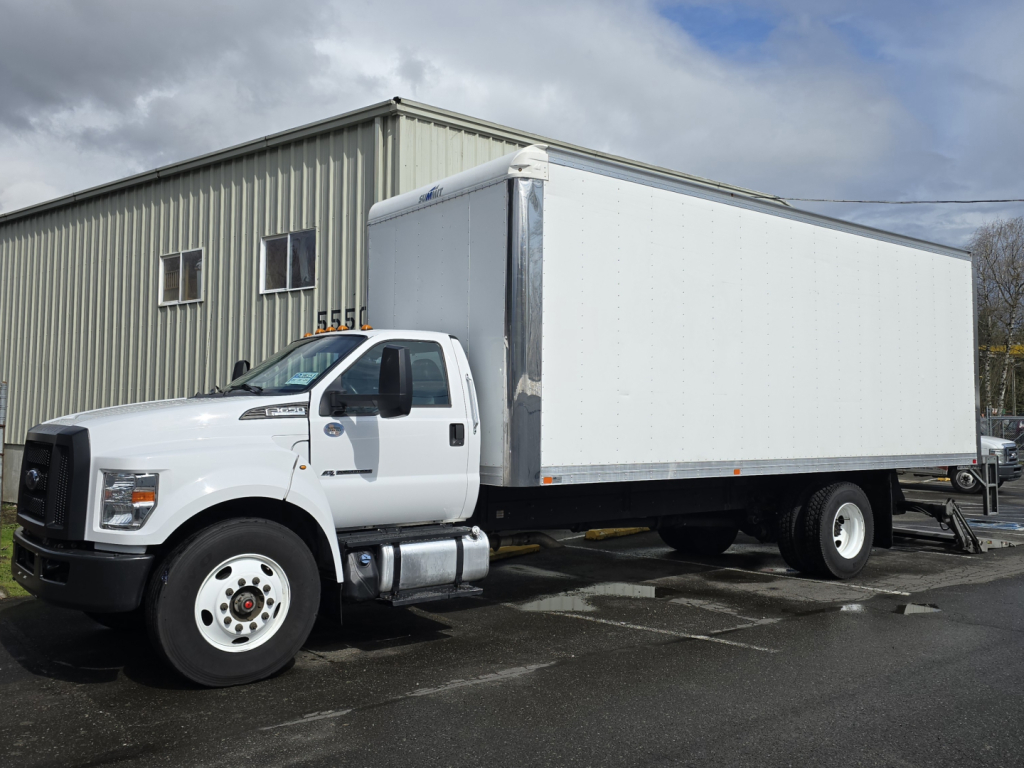
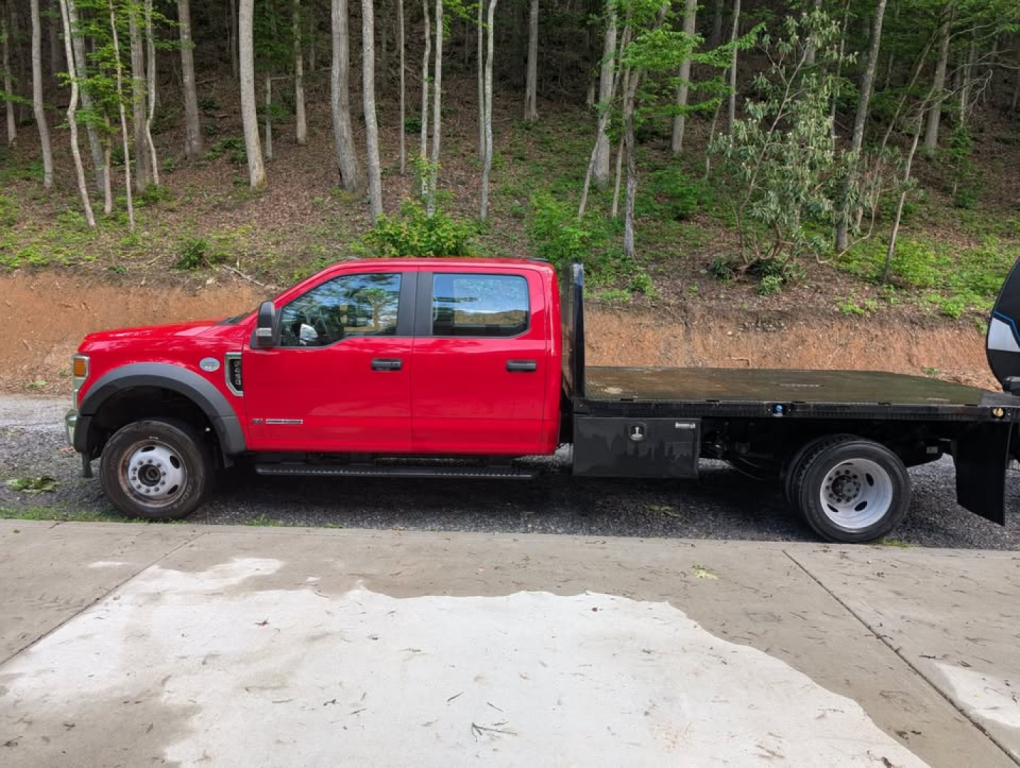
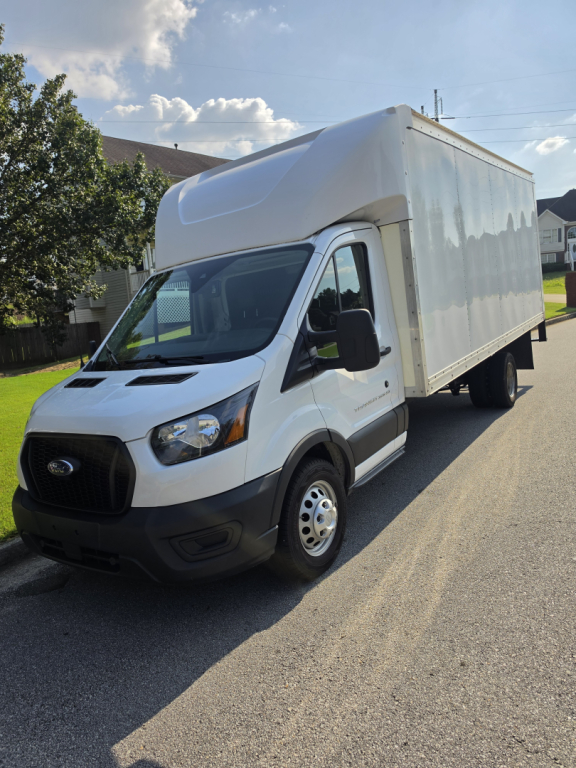
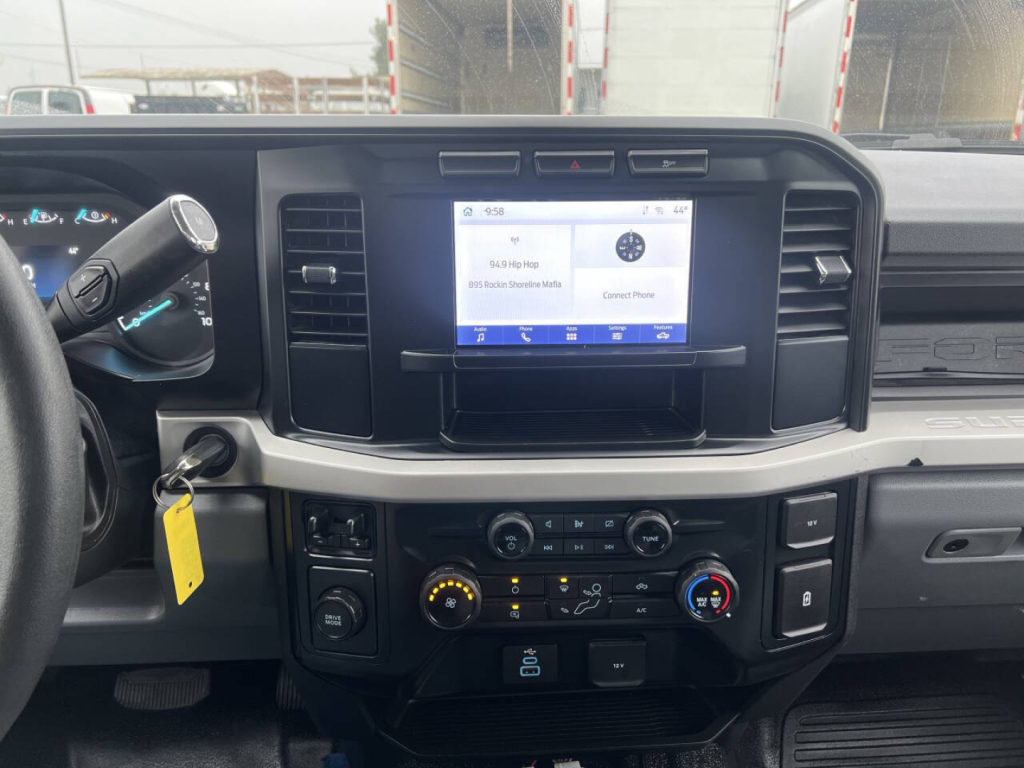

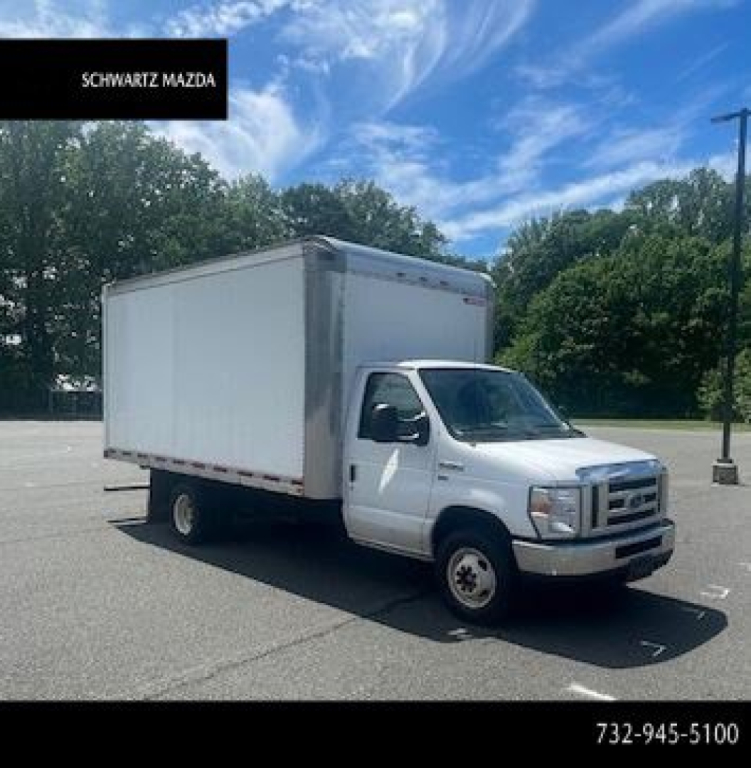
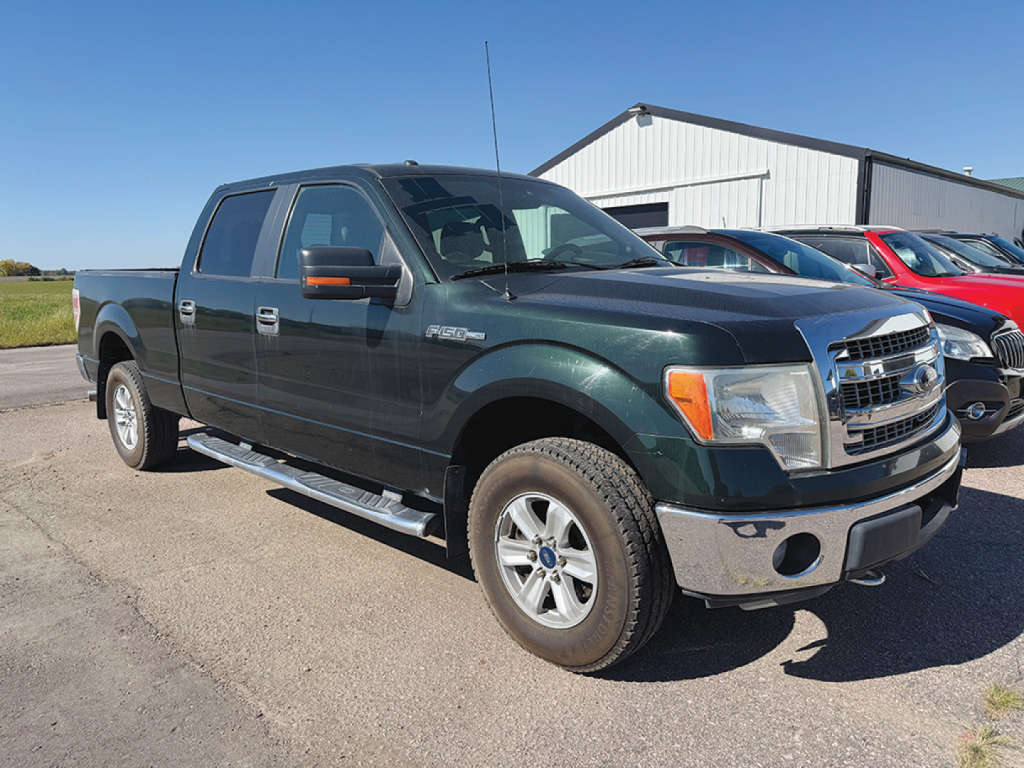
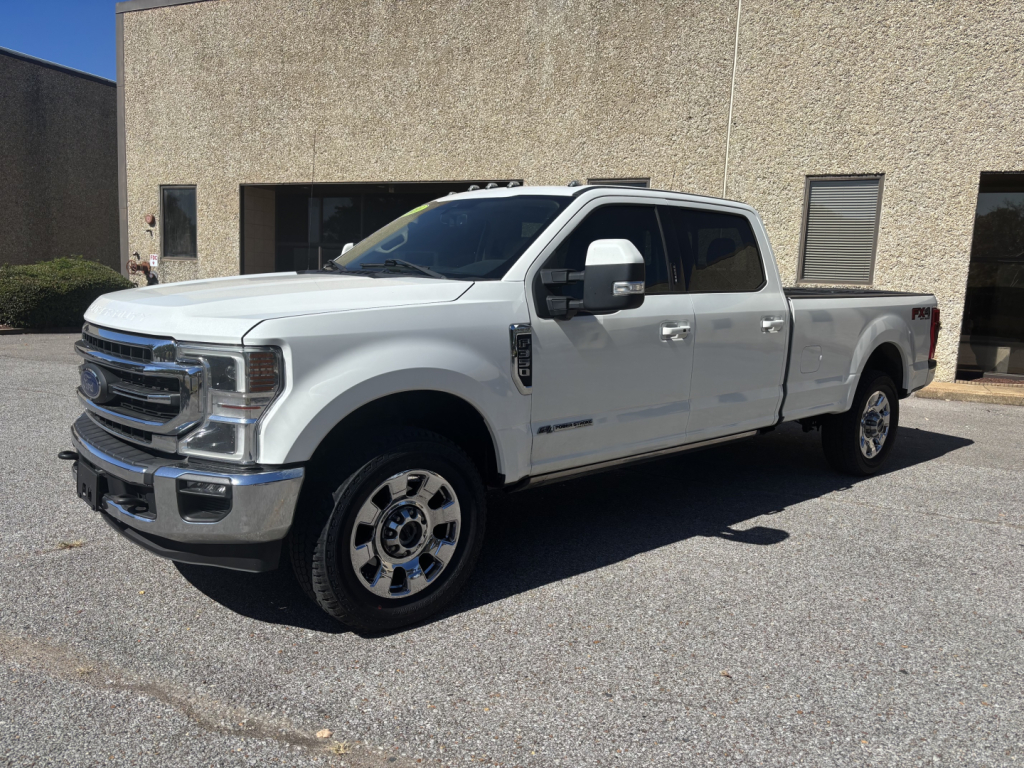
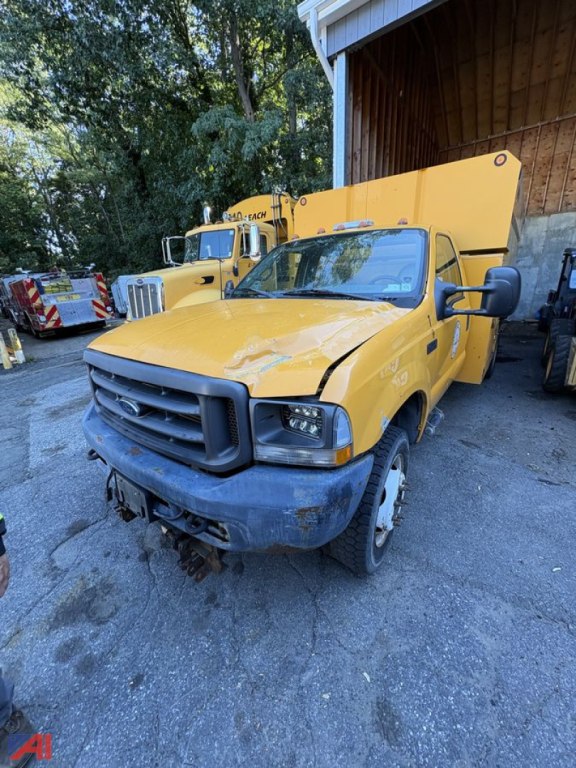
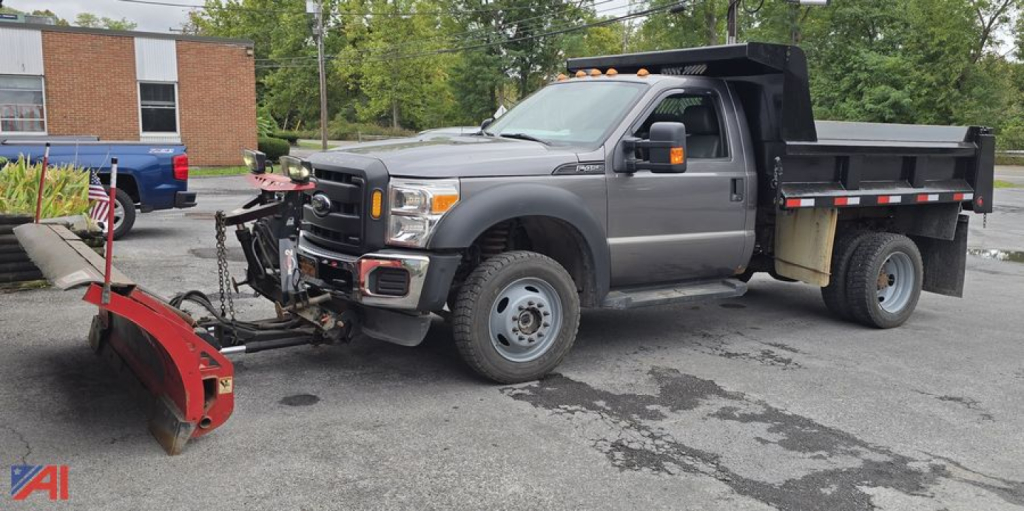
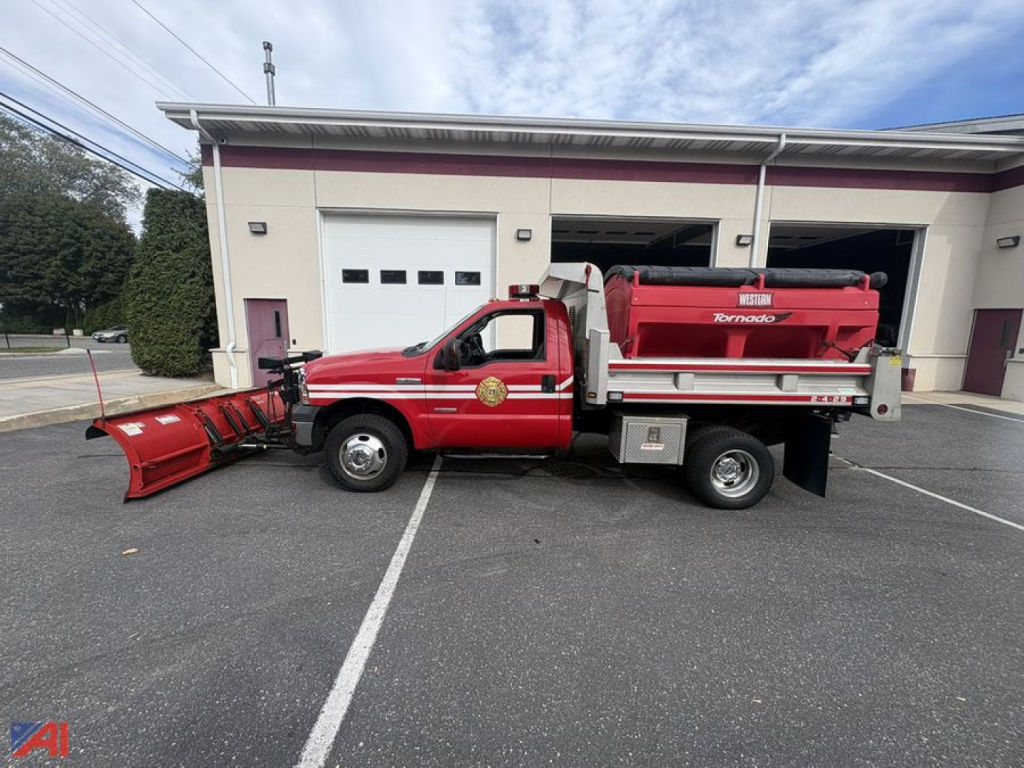
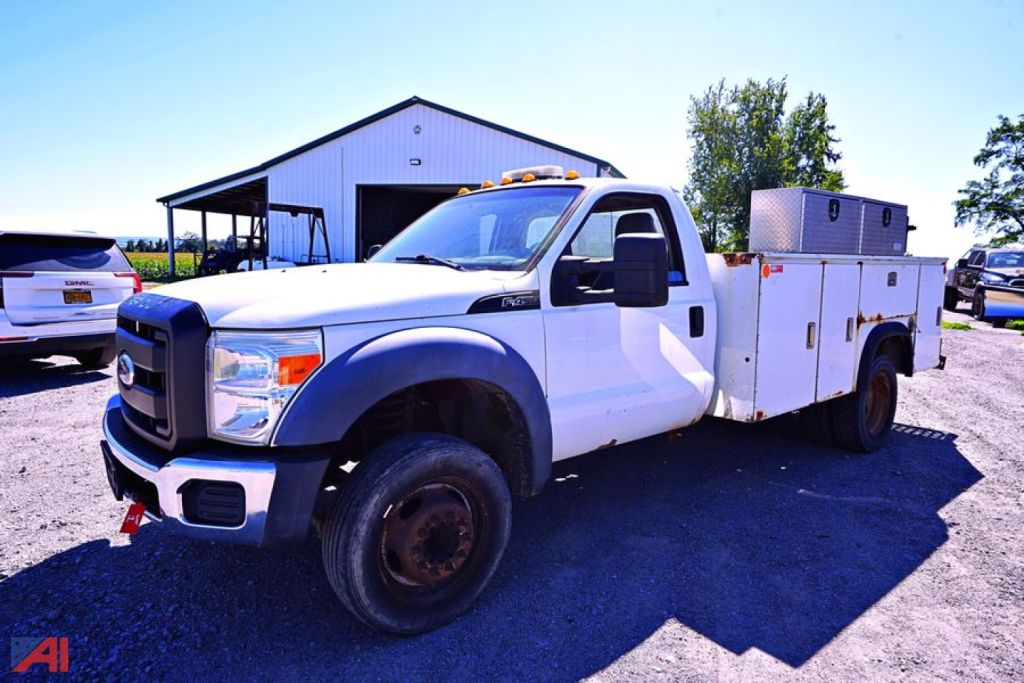
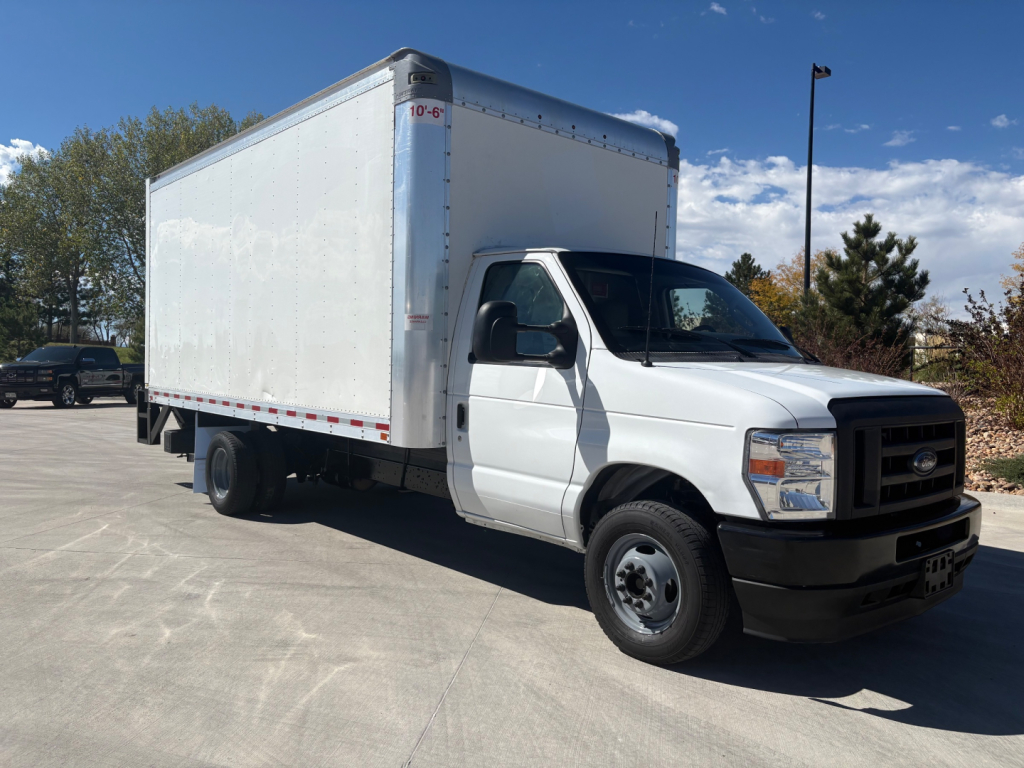
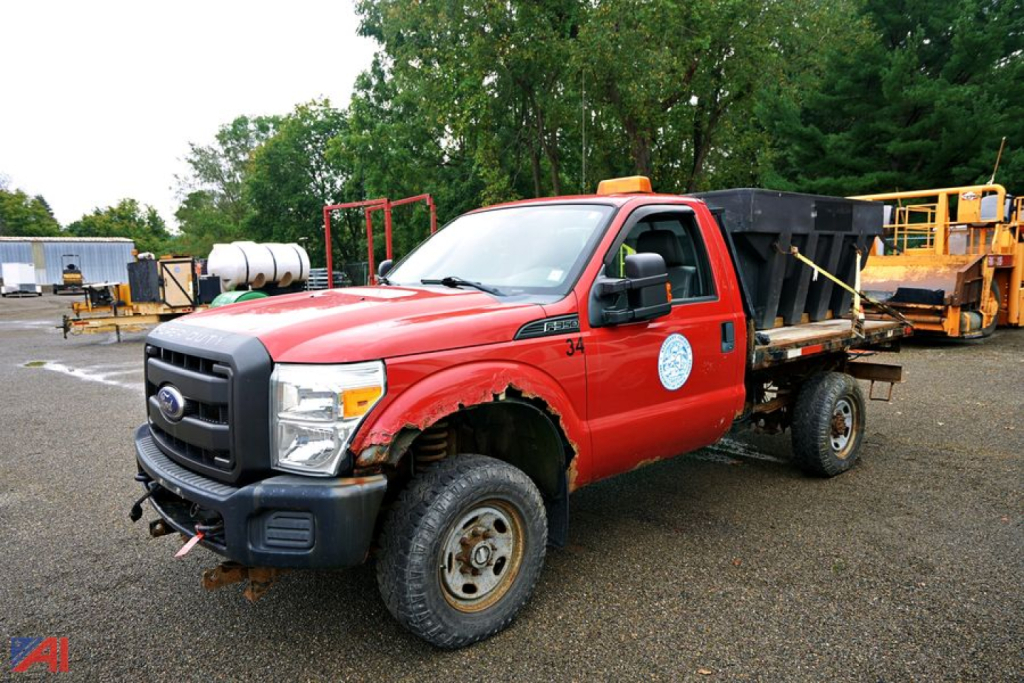
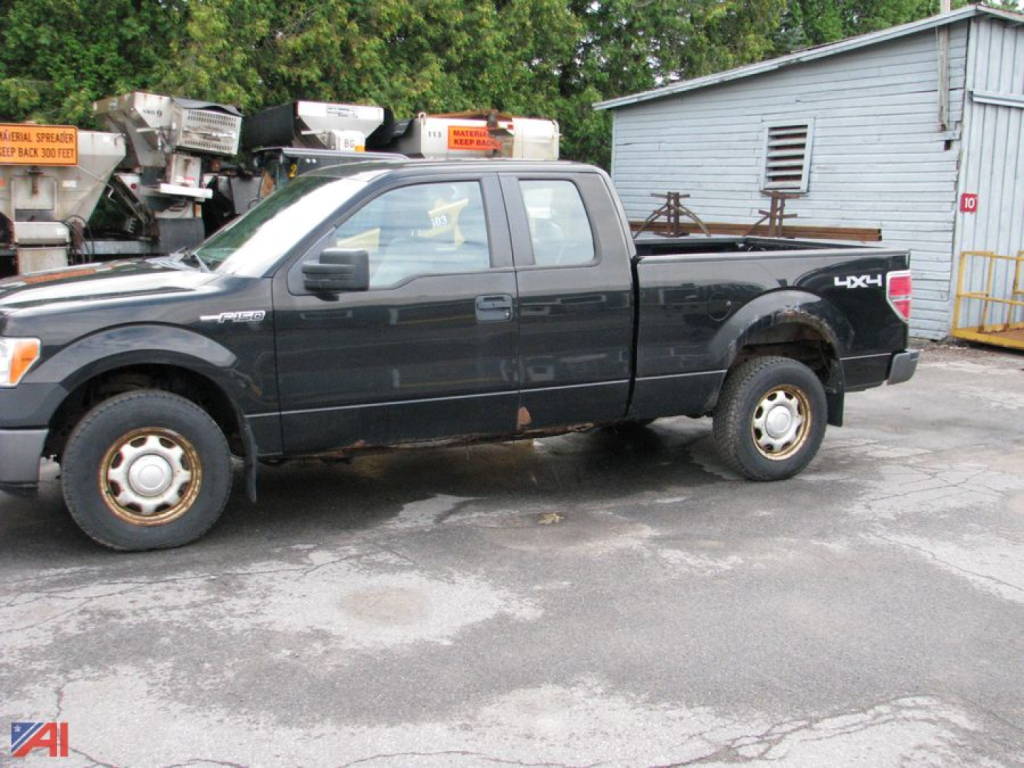
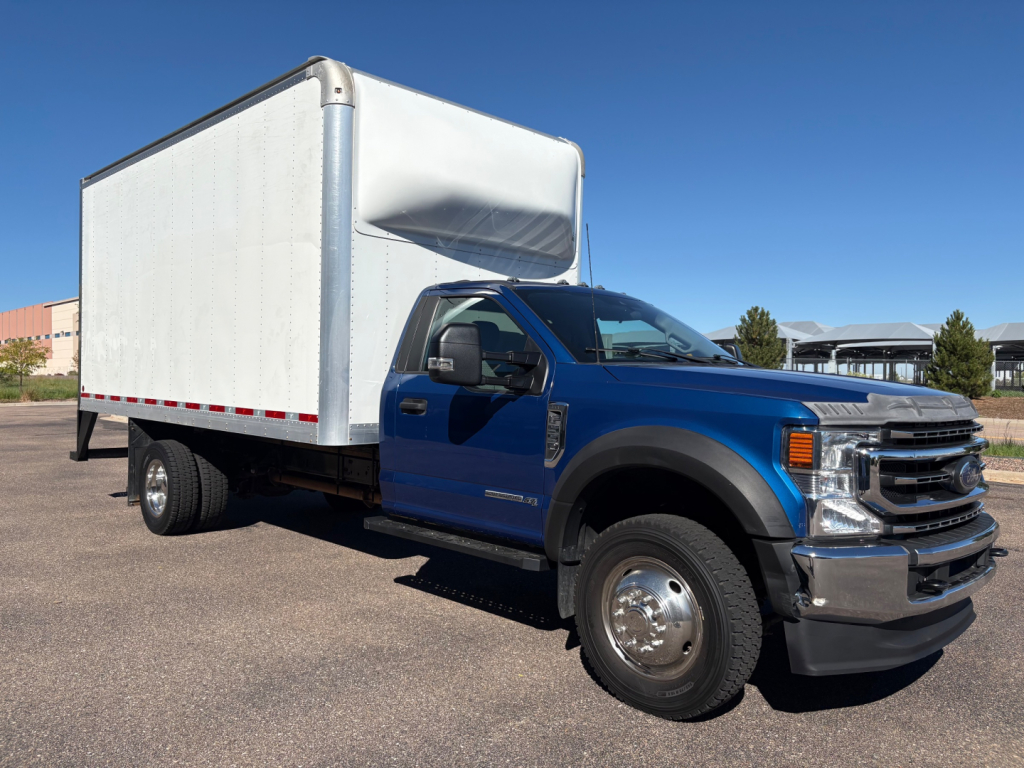
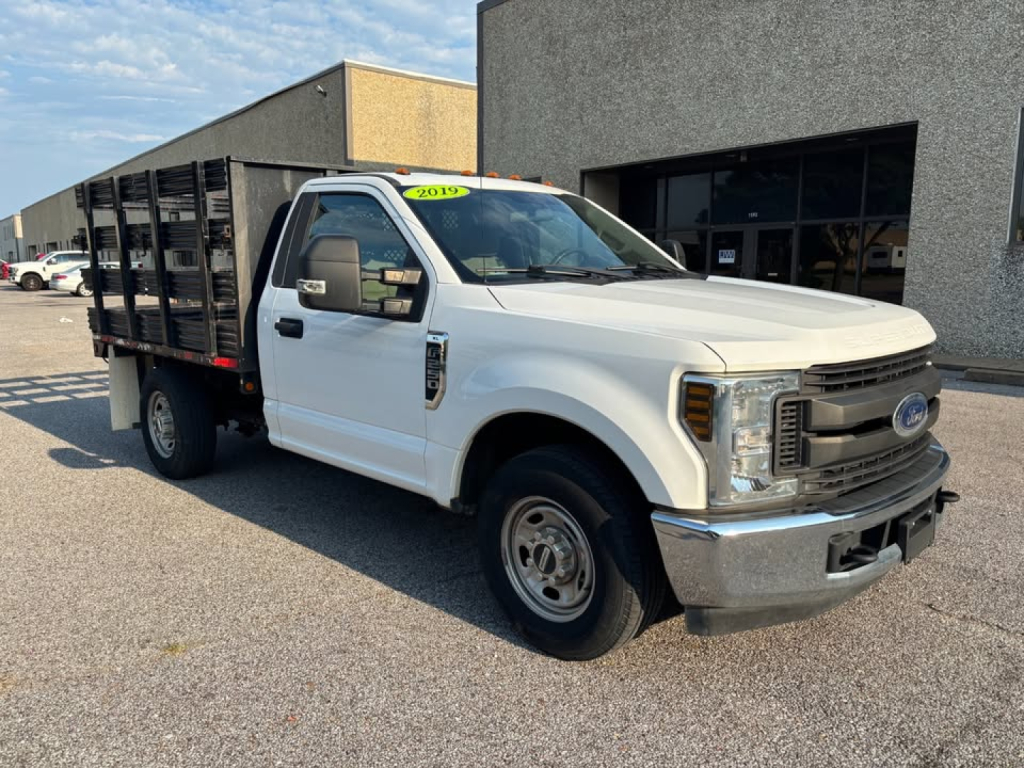
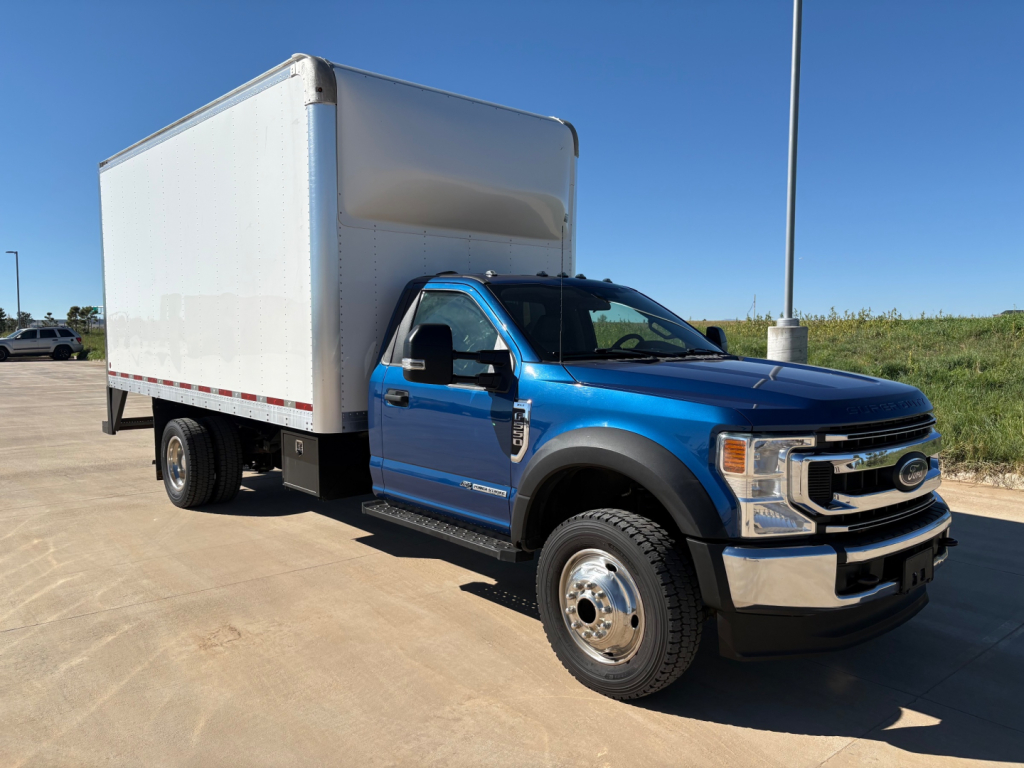
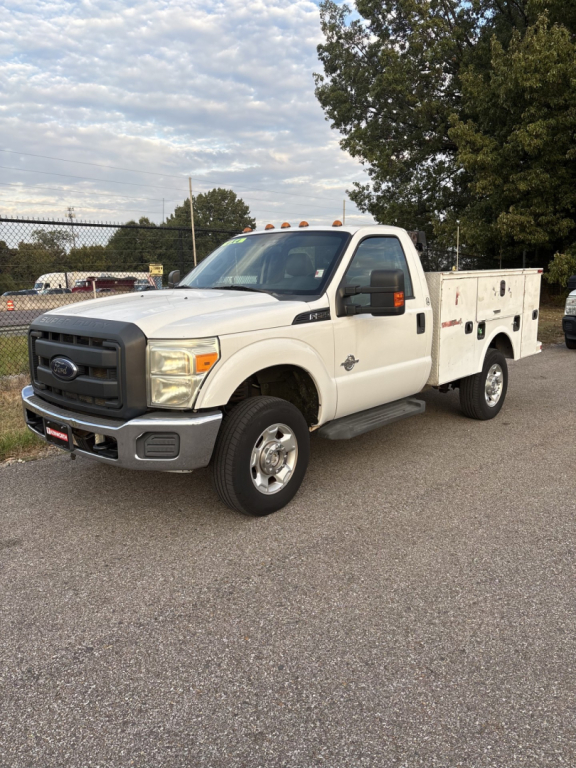
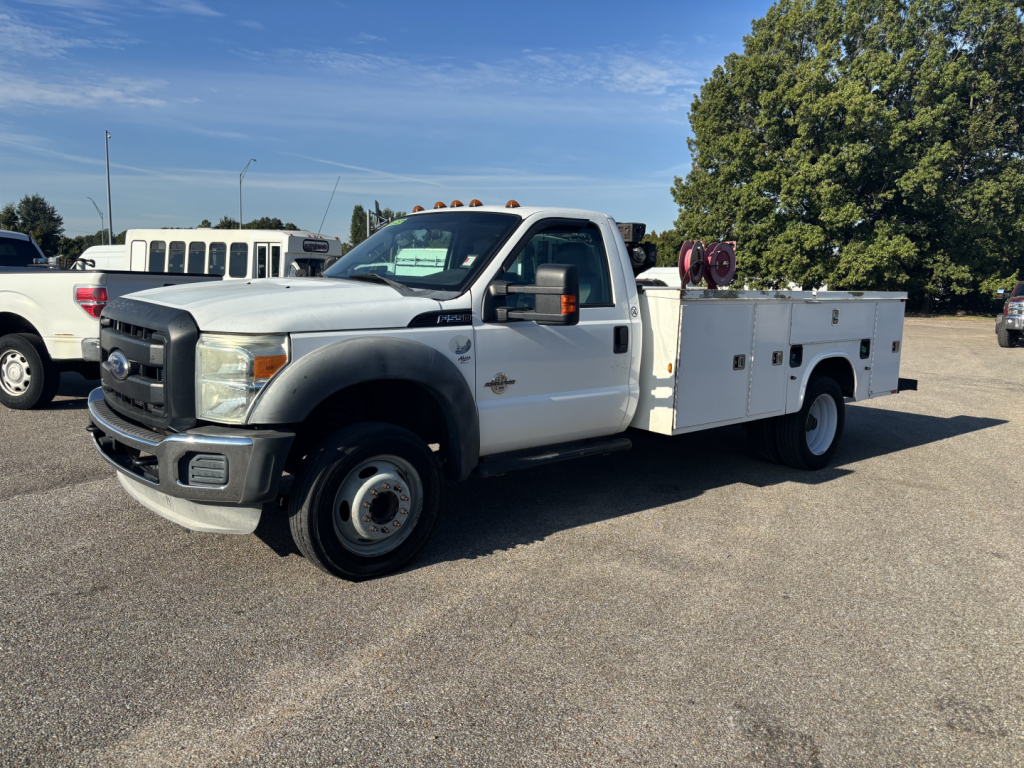
Showing 1 to 28 of 127 results
Selling a used ford commercial truck? List your used ford commercial truck for sale and reach thousands of commercial buyers.
Used Ford Commercial Trucks
Payload depends on tare weight, so pay attention to cab configuration, wheelbase and the body hanging on the rails. Newer Super Duty models use aluminum cabs and beds that trim curb weight and resist rust, helpful when every pound counts. On medium duty chassis cabs, look at frame rail section height and RBM rating, crossmember spacing and any reinforcements at PTO or body mount points. Air ride improves cargo protection and driver comfort, leaf packs keep costs and complexity in check; pick based on freight sensitivity and road conditions.
For dry van and reefer box trucks on Ford chassis, floor strength and thermal integrity drive uptime. Ask for the floor forklift rating, 4,000 to 8,000 lb is common, and confirm crossmember spacing, 12 inch centers carry point loads better than 16 inch but add weight. Hardwood or laminated floors with aluminum or steel threshold plates handle pallet jacks longer, scuff liners protect wall posts from dock rash, and e‑track or logistics posts speed securement. On refrigerated bodies, inspect foam insulation for delamination, door and hatch seals for compression set, and check for hot spots with a light test; tighter boxes pull down faster and hold setpoint with less fuel.
Corrosion resistance is a long term cost issue. Aluminum Super Duty cabs and many aluminum or stainless service bodies slow cosmetic rust, but steel frames, crossmembers and spring hangers still deserve a close look for scale, pitting and flaking, especially from snow belt or coastal use. Check brake and fuel lines, DEF tank brackets and electrical connectors for corrosion, verify undercoating quality and drain hole condition, and review maintenance records for DPF and SCR service. A clean frame, tight body seals and a sensible tare weight deliver the payload, temperature control and durability that keep a used Ford truck productive.
Frequently Asked Questions about Used Ford Commercial Trucks
Which Ford model fits my payload and towing needs?
Match GVWR and GCWR to the job. F‑250 and F‑350 handle light commercial and trailer towing with pickup beds or chassis cabs. F‑450 and F‑550 move into higher payload upfits like service, dump and small box bodies with 19.5 inch rubber and larger brakes. F‑650 and F‑750 cover true medium duty work with 22.5 inch wheels, heavier frames and available air brakes on many units. Verify axle ratings, wheelbase and rear ratio to ensure you can carry the load and keep the engine in its torque band at cruise.
What should I look for in the floor of a used Ford box or reefer truck?
Ask for the forklift floor rating and crossmember spacing, tighter spacing and thicker floors handle point loads better. Inspect for broken stringers, popped fasteners and soft spots near the rear threshold where dock plates land. Scuff liners should be intact to protect wall posts, and e‑track should be securely mounted. On reefers, examine door sills and seals, look for condensation trails that signal insulation voids, and confirm the unit reaches and holds setpoint under load, a strong box reduces cycle time and fuel burn.
How do I evaluate tare weight and payload on a chassis cab with an upfit body?
Start with the door sticker for GVWR and GAWR, then weigh the truck as configured, full of fuel and with common tools on board. Subtract scale weight from GVWR to find legal payload, do the same at each axle to avoid overloading the front or rear. Aluminum or composite service bodies and liftgates can save hundreds of pounds compared to steel, but confirm they meet your durability needs. Keep wheelbase and overhang reasonable to maintain axle splits and turning radius.
What corrosion issues are common on used Ford trucks and how can I spot them?
Aluminum Super Duty cabs resist rust, but steel frames, crossmembers, spring hangers, brake and fuel lines can corrode. Look for bubbling paint, deep scale and flaking near body mounts and rear frame kick‑ups. Inspect DEF tank brackets, battery trays and ground points, and check for trapped debris in frame channels. On box bodies, examine rear corners, door tracks and thresholds. Documented rustproofing, clean undercarriage photos and maintenance records are good signs.
Should I choose diesel or gas in a used Ford work truck?
Diesel engines like the 6.7L Power Stroke excel at heavy towing, PTO work and high annual miles, with strong low‑rpm torque and better fuel economy, but they add emissions complexity and higher service costs. The 7.3L gas V8 shines in lower mileage, stop‑start or cold‑weather routes with simpler aftertreatment, quicker warm‑up and lower acquisition cost. For F‑650 and F‑750, Allison automatics pair well with either fuel, pick based on duty cycle, idle time and the availability of qualified service in your area.