
Used Ford Dump Trucks For Sale
Shop used Ford dump trucks including F-350, F-450, F-550, and F-650 models with common specs, body options, and vocational use insights.
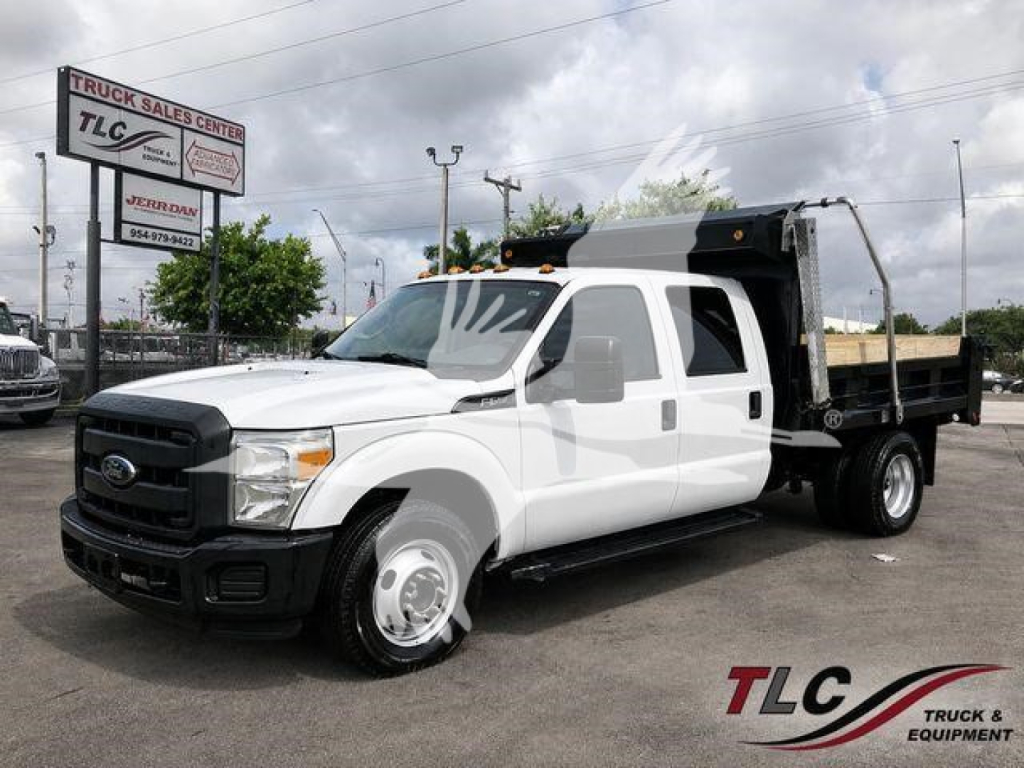
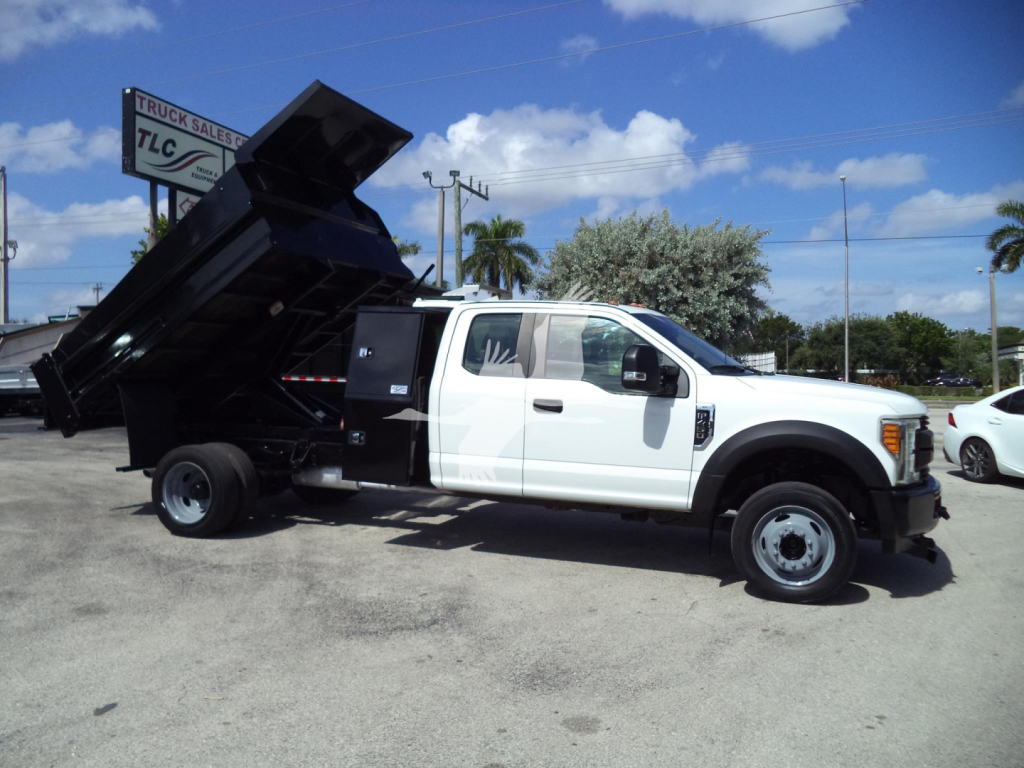
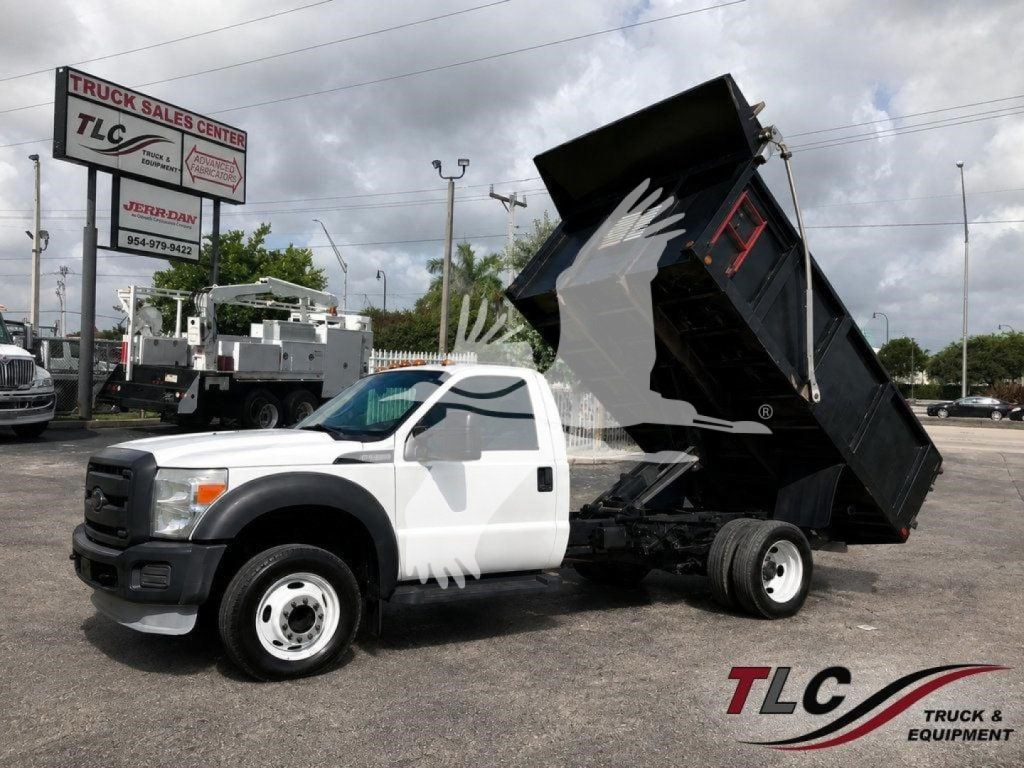
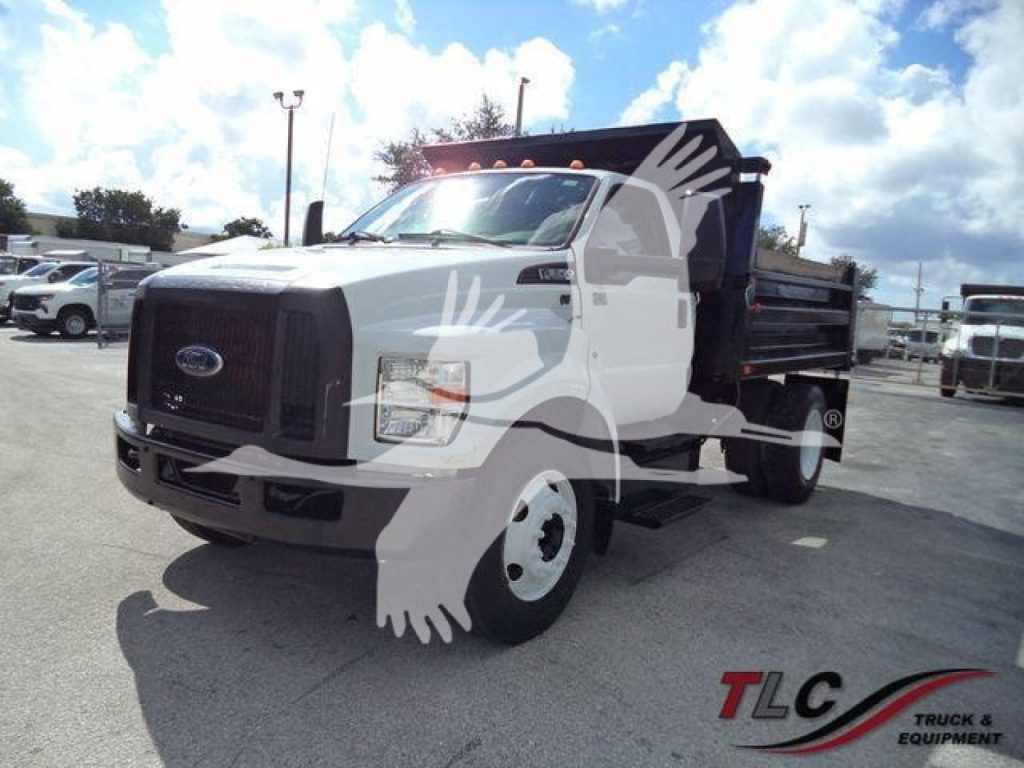
Showing 1 to 28 of 34 results
Selling a used ford dump truck? List your used ford dump truck for sale and reach thousands of commercial buyers.
Used Ford Dump Trucks
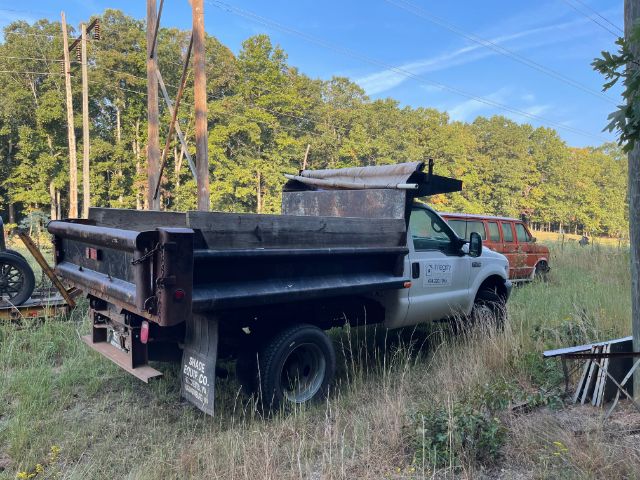
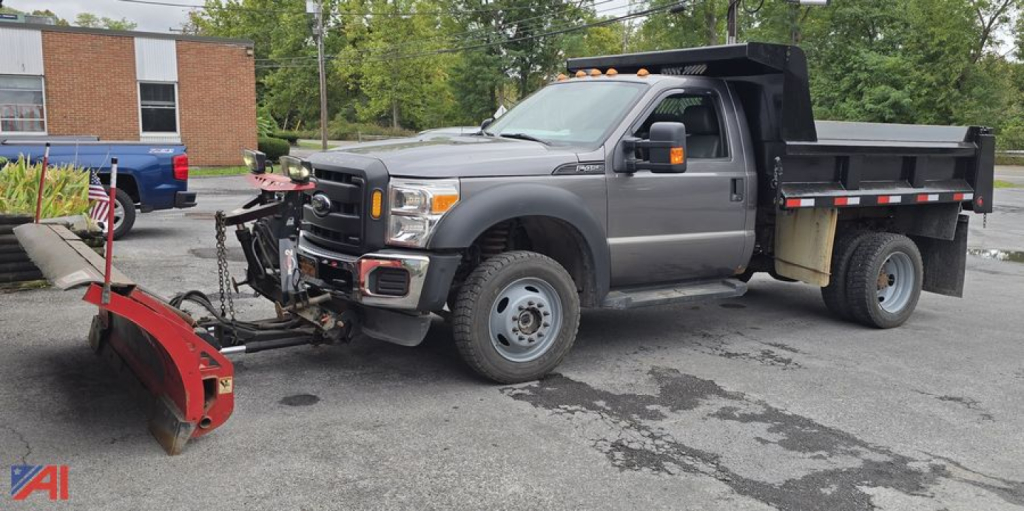
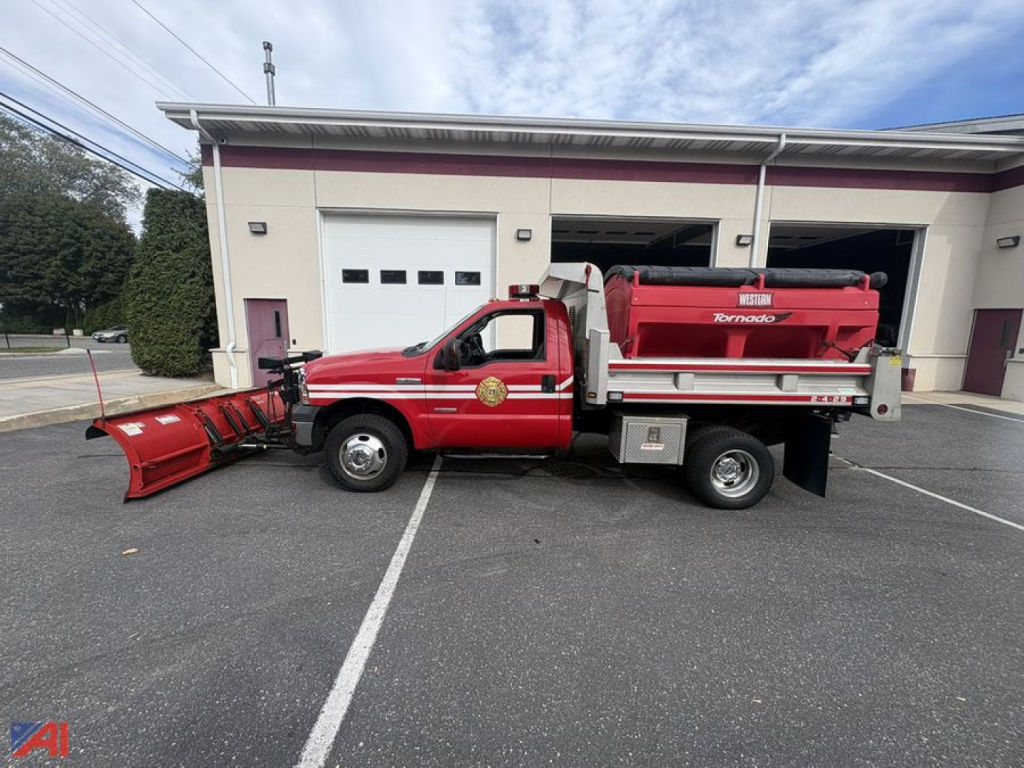
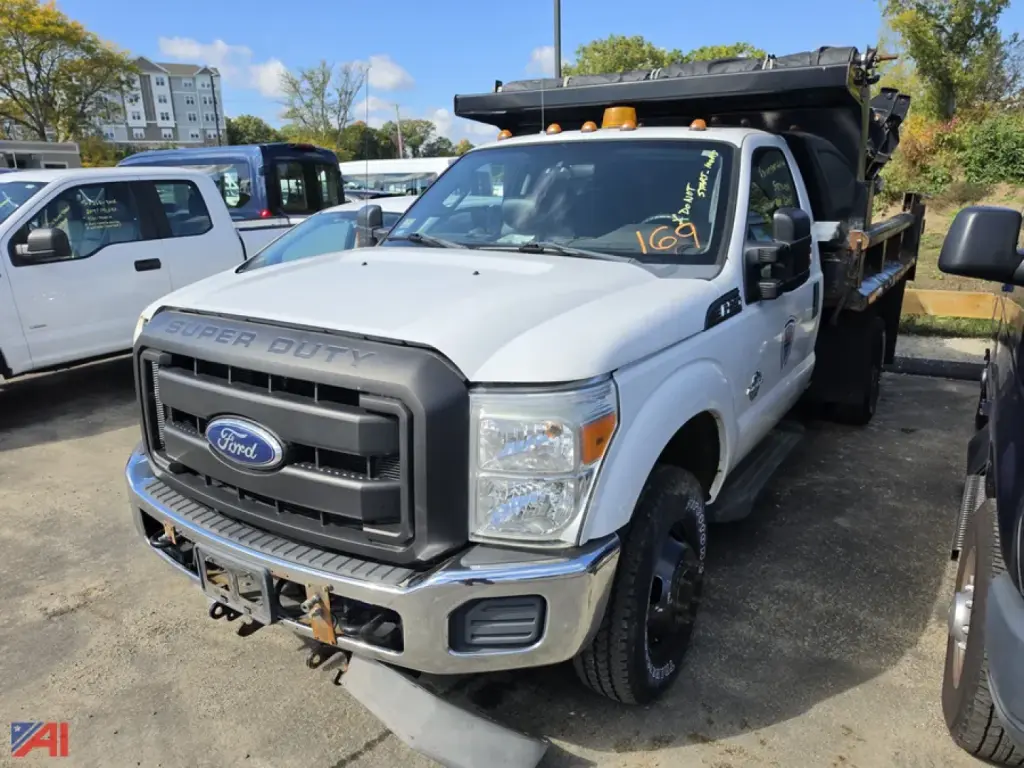
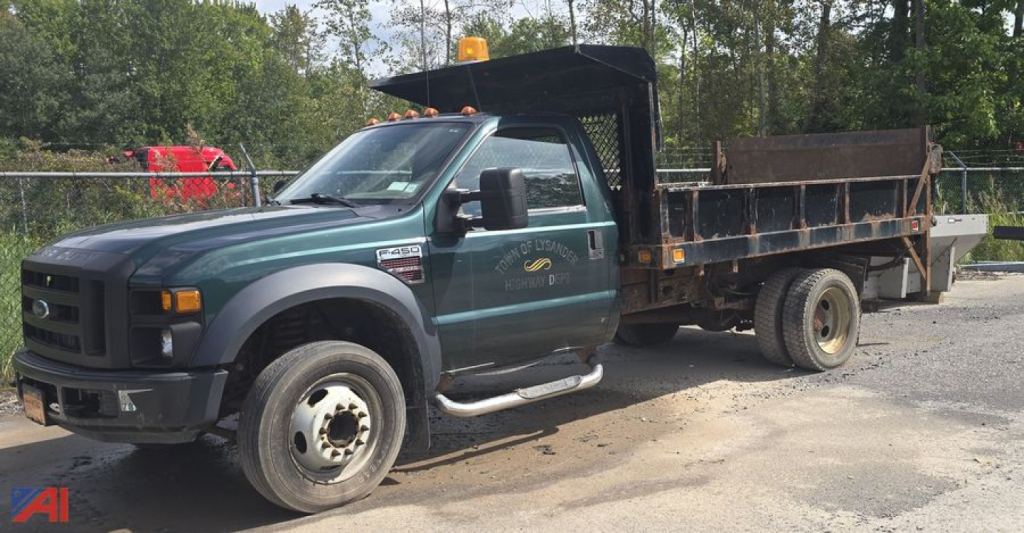
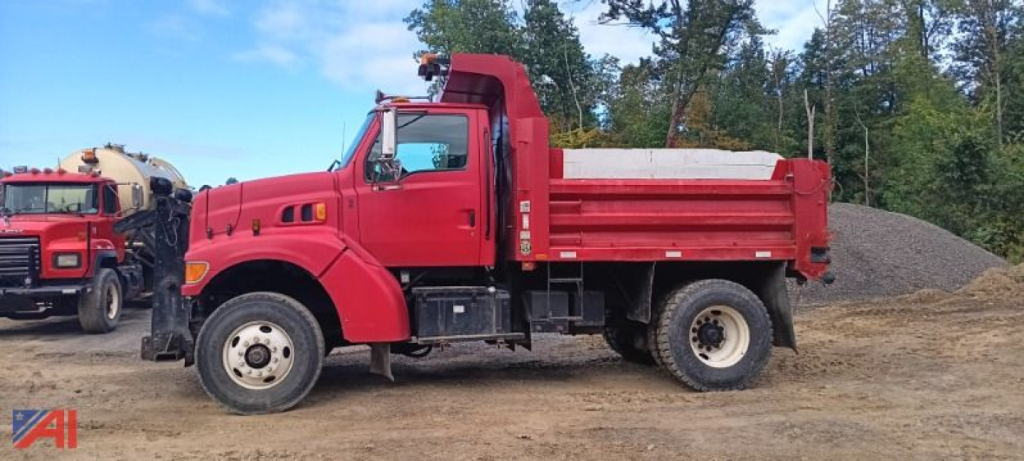
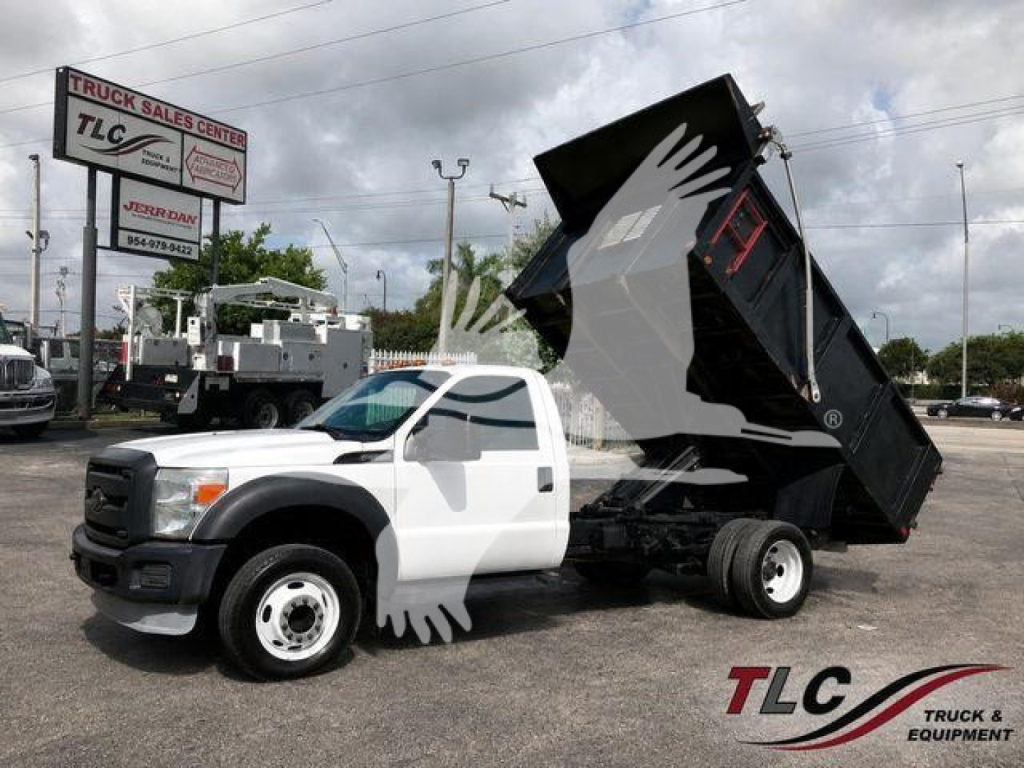
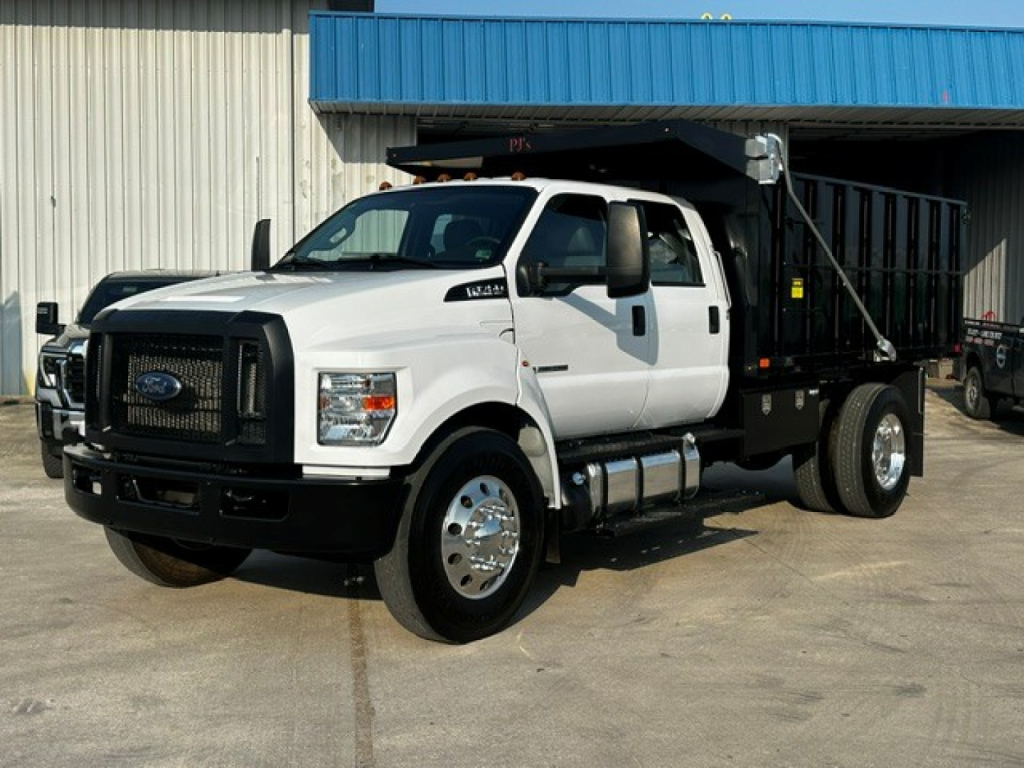
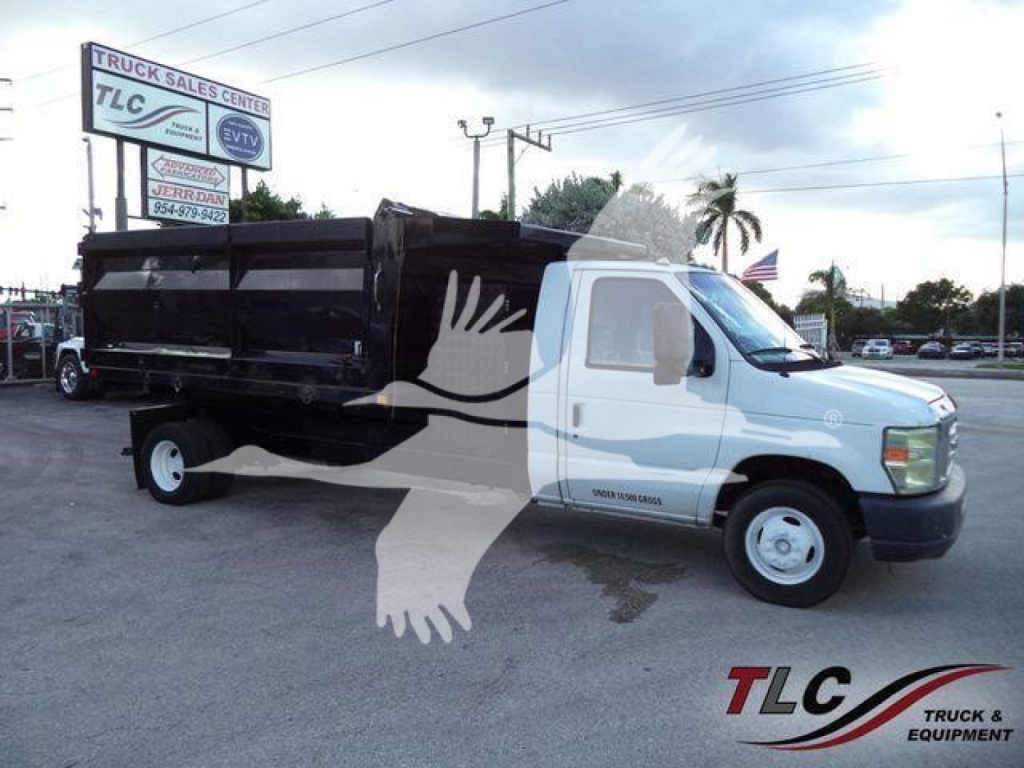
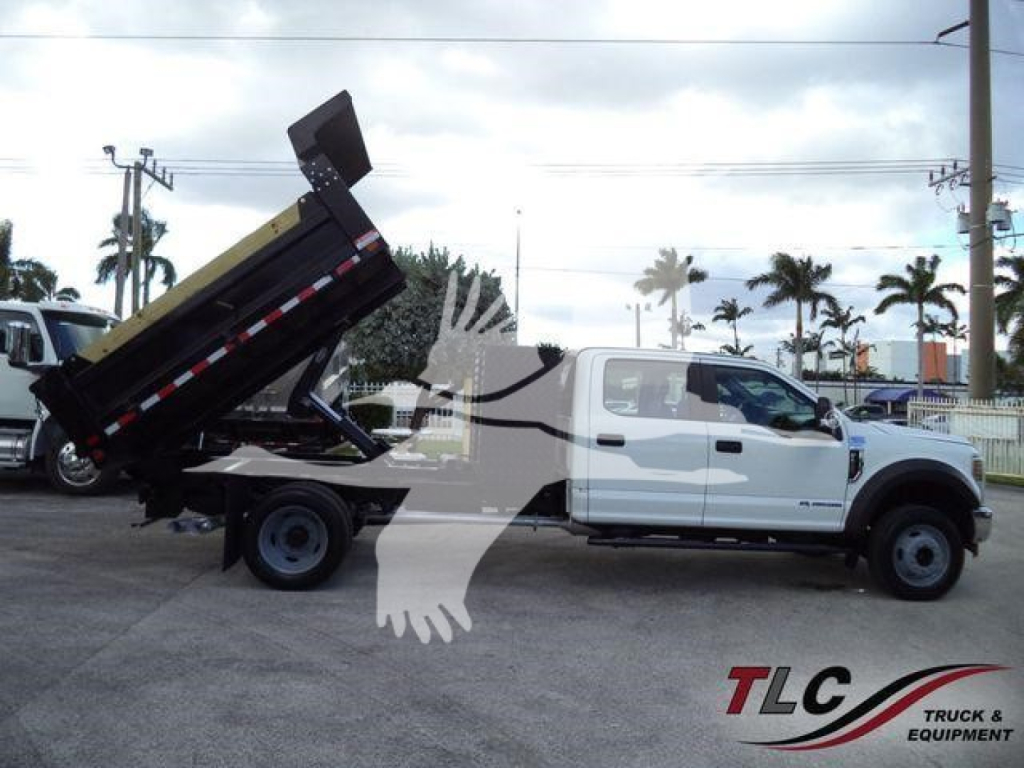
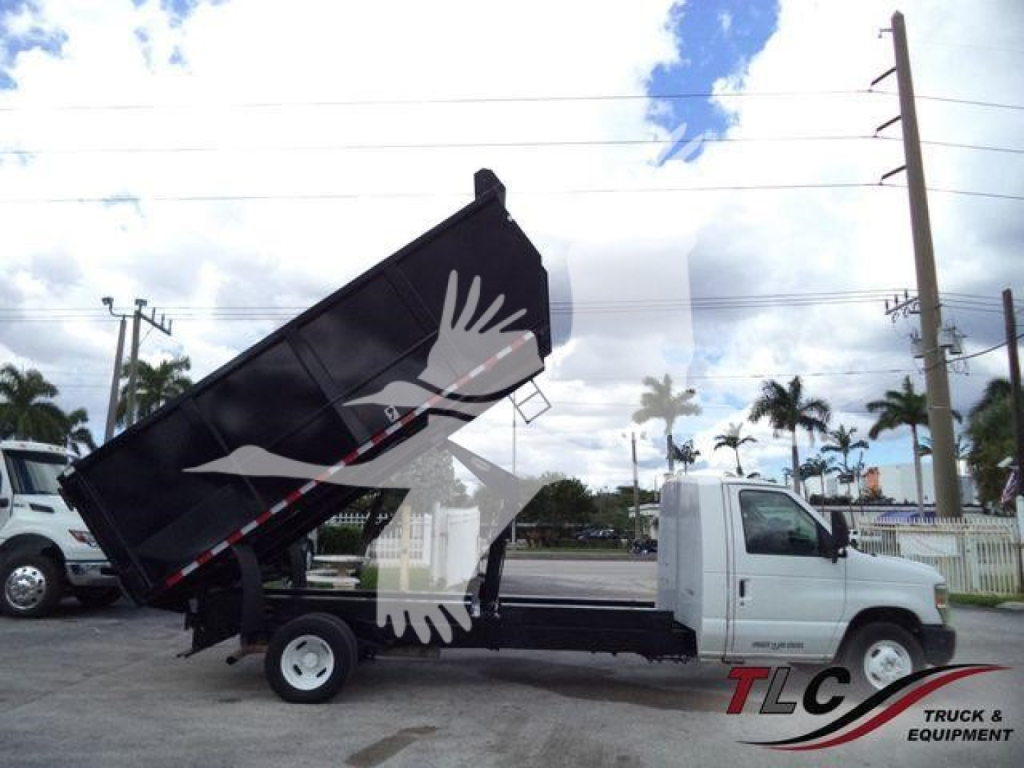
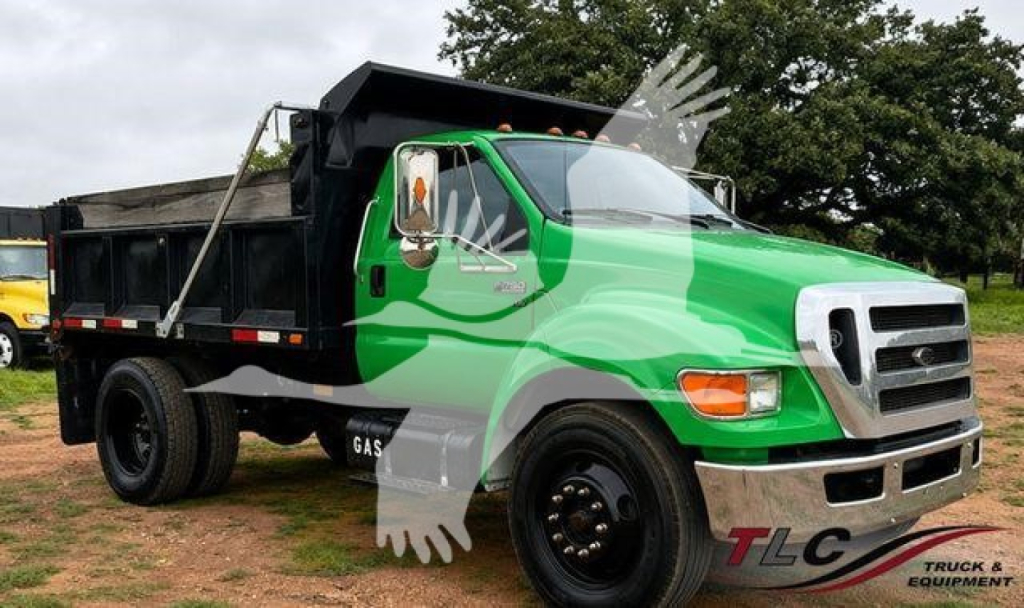
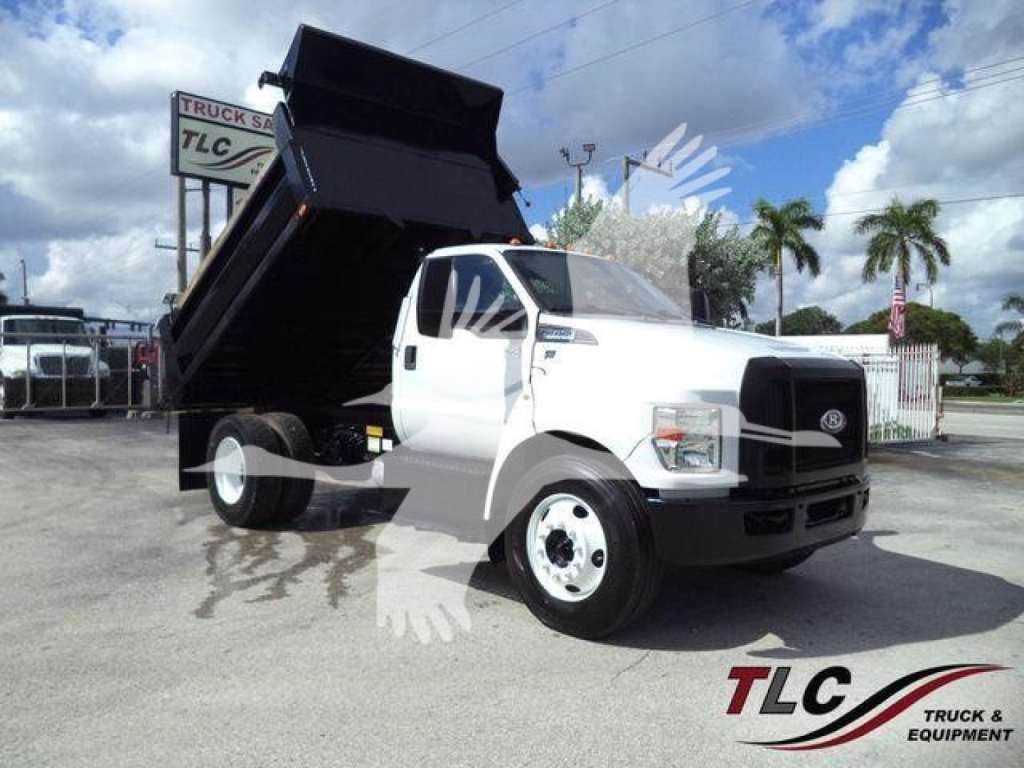
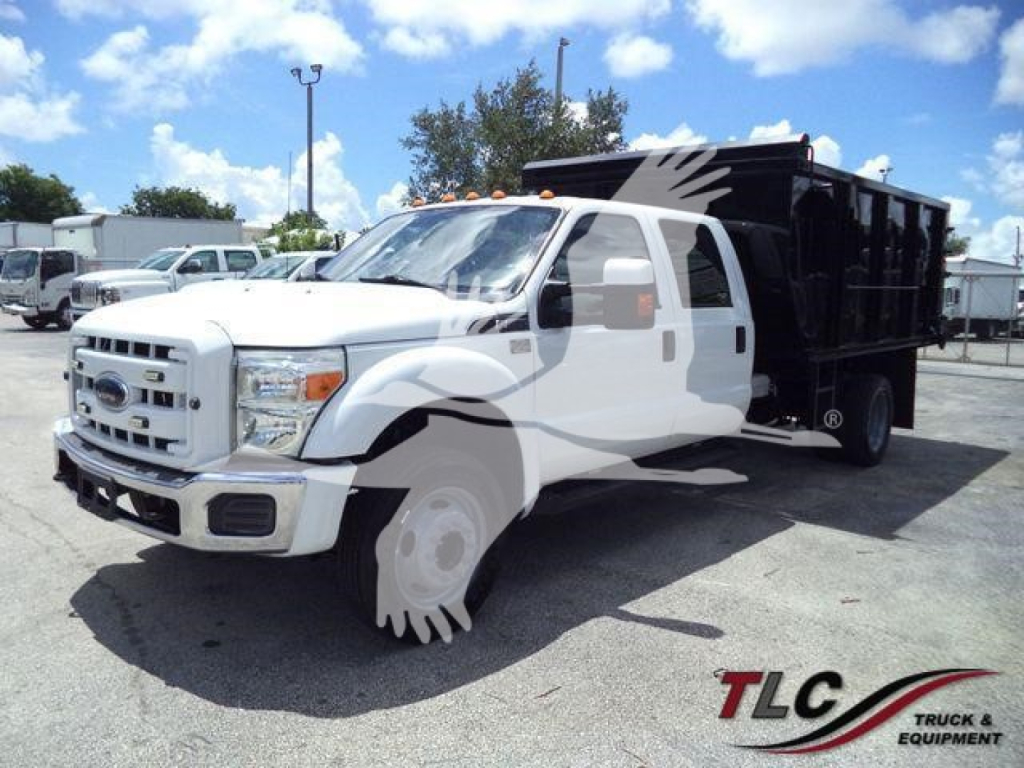
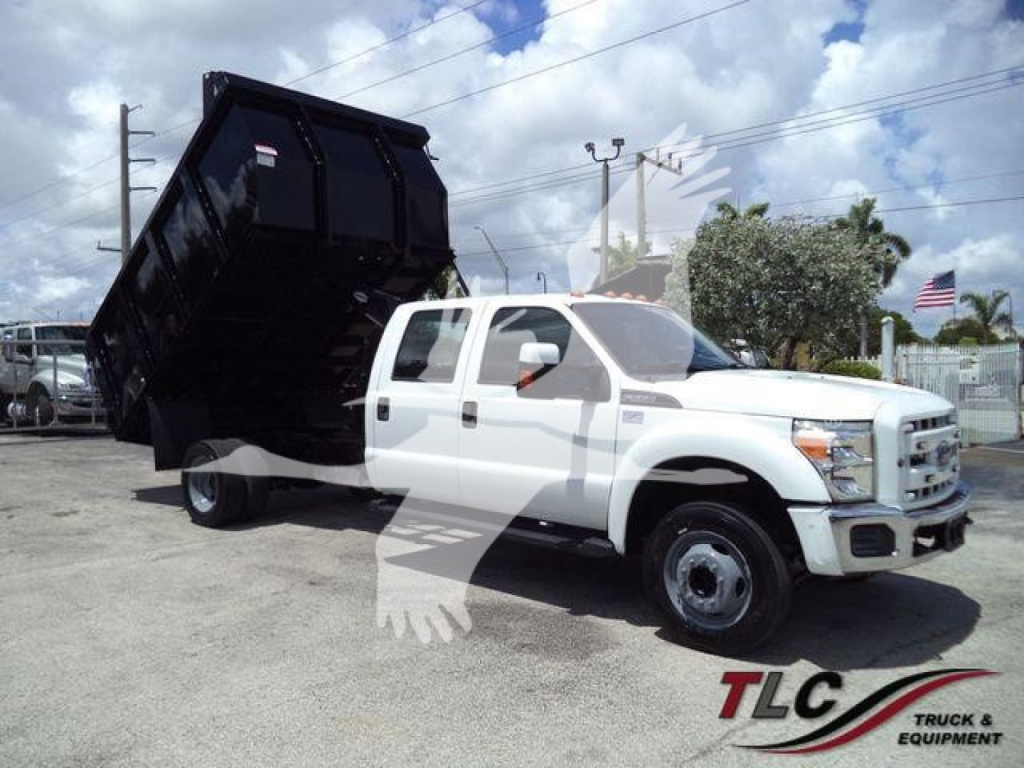
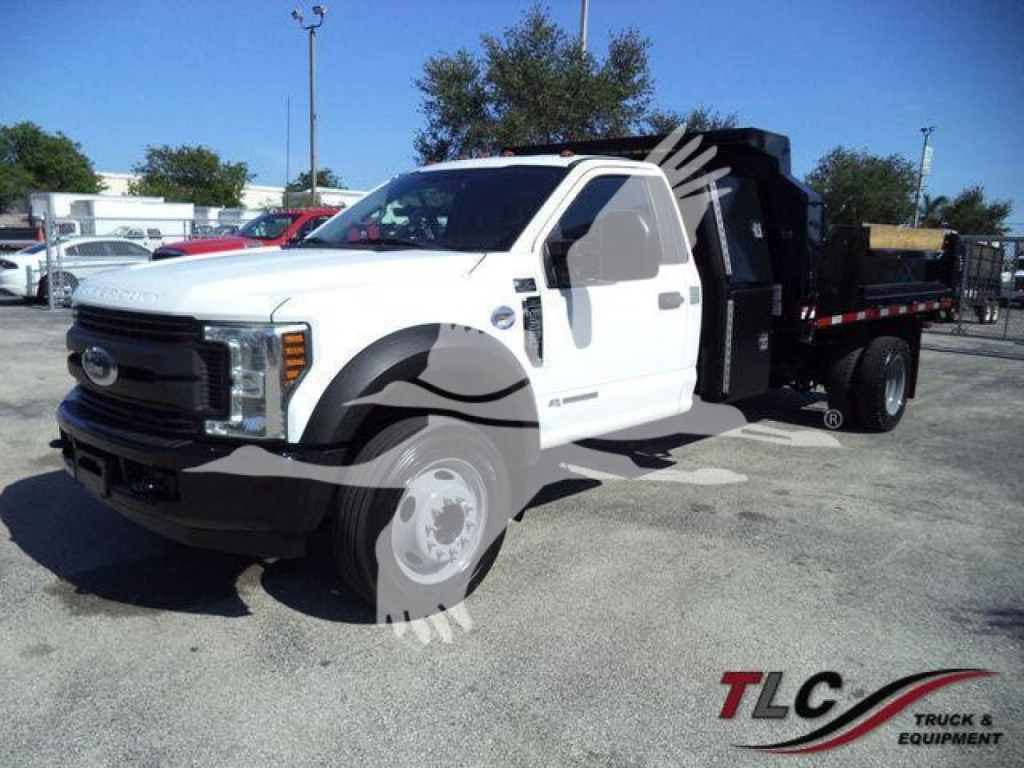
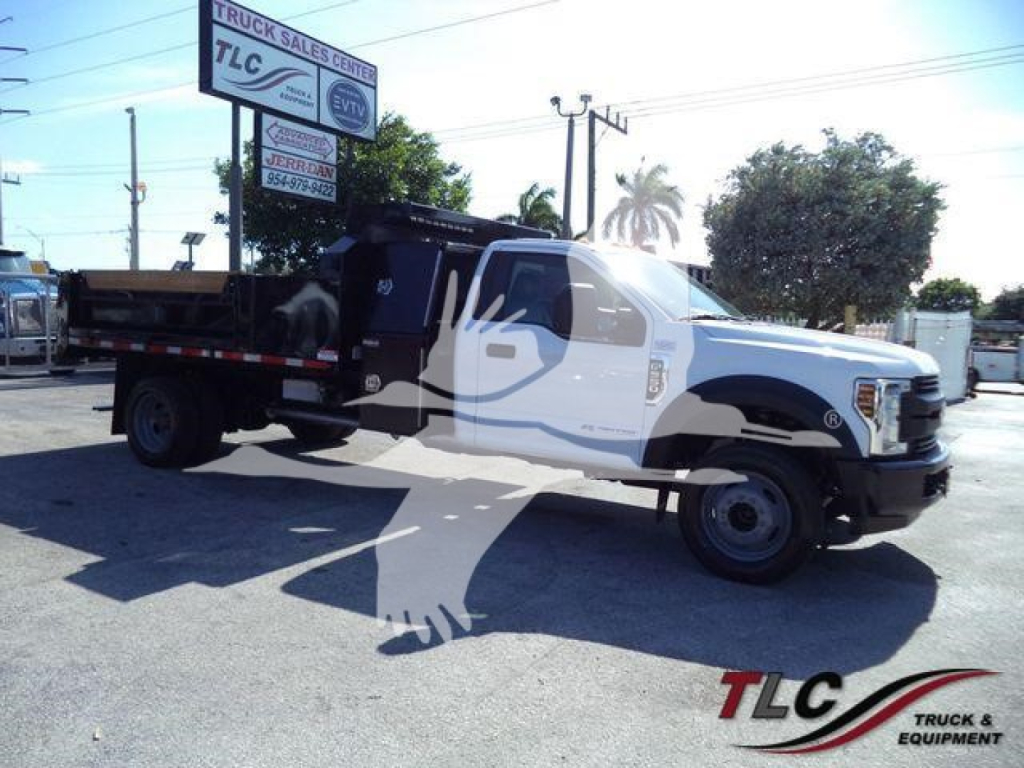
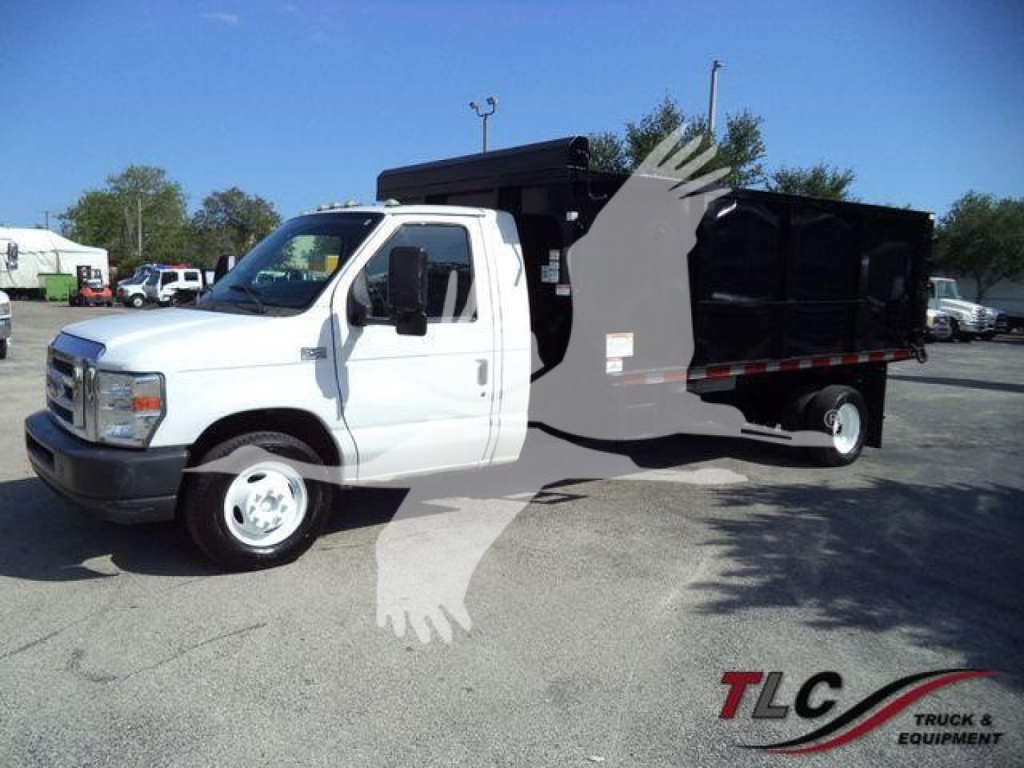
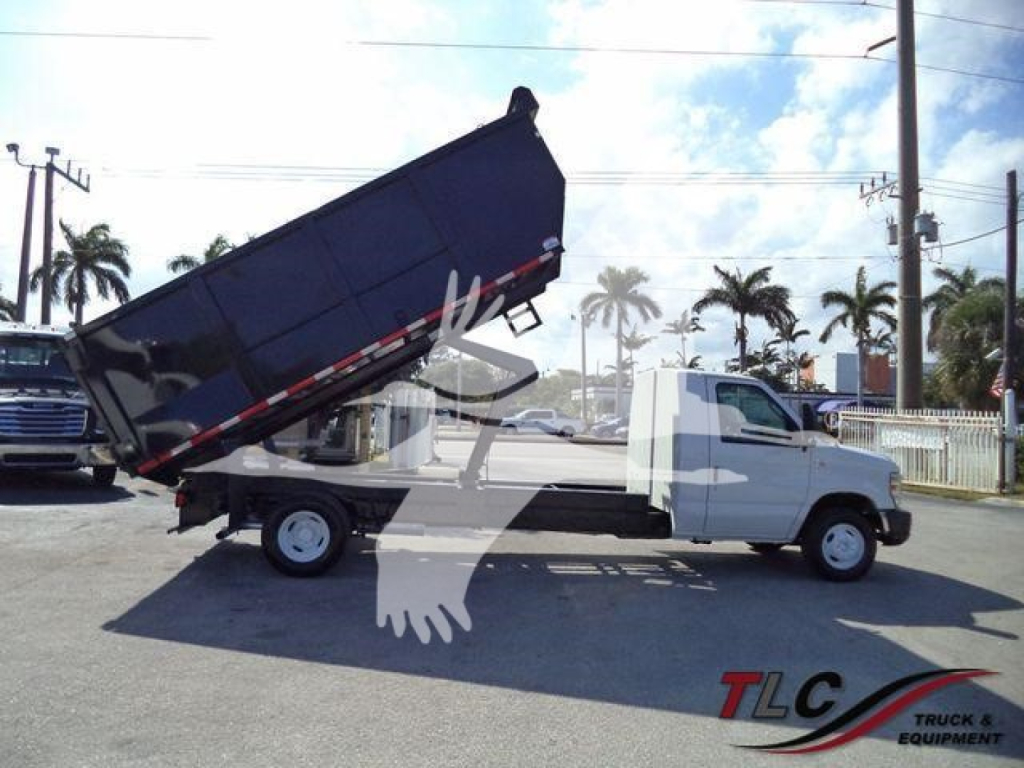
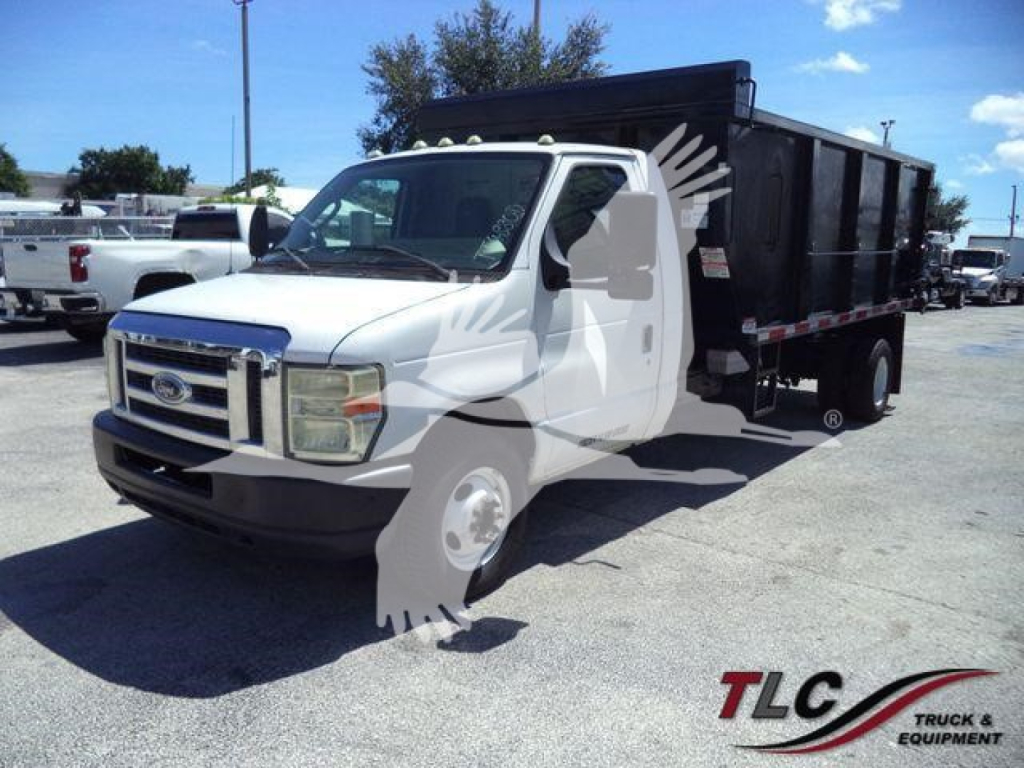
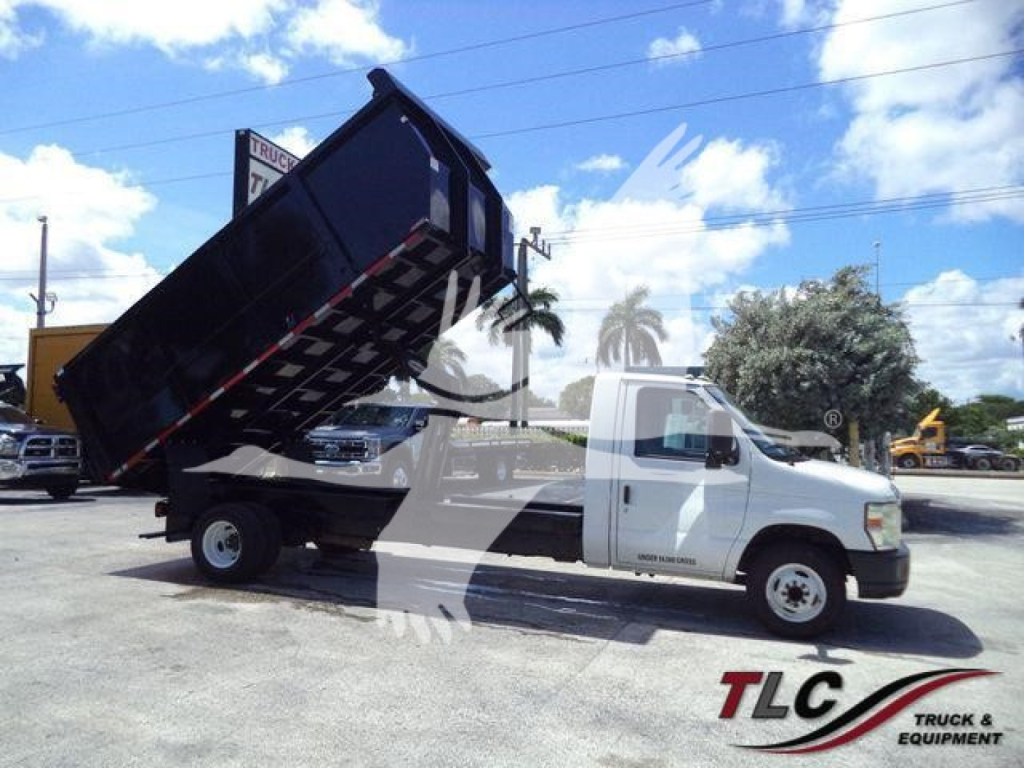
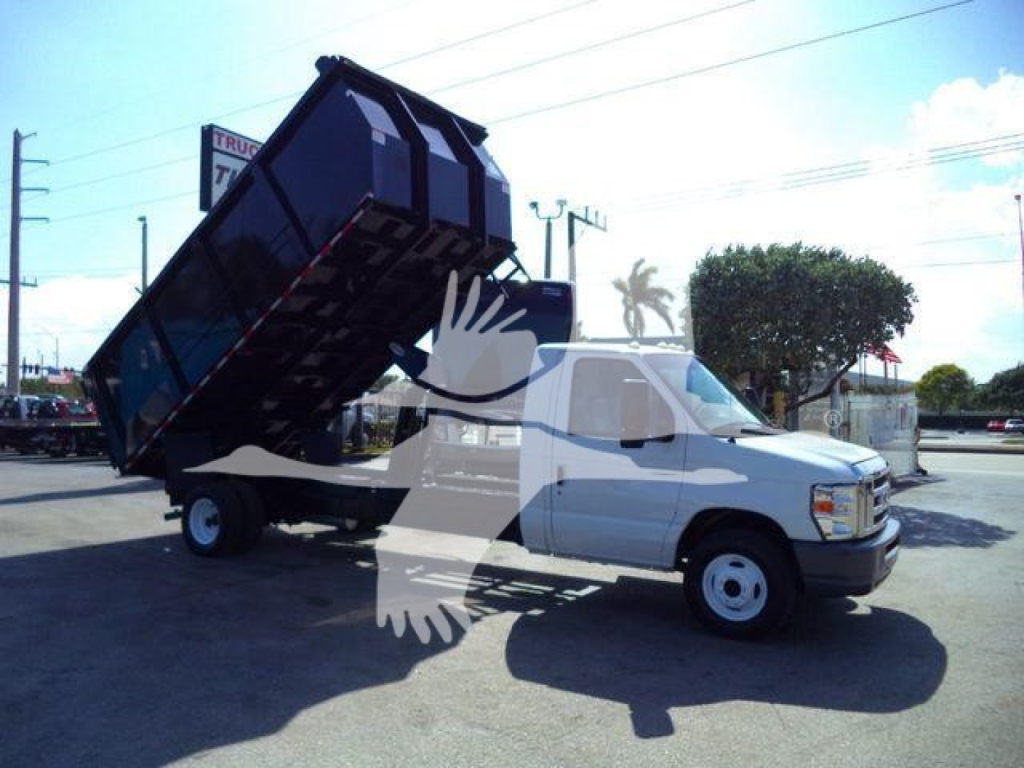
A buyer should start with chassis class and body configuration before looking at cosmetic condition. An F-350 or F-450 dump truck is often set up with an 8 to 10 foot steel dump body for mulch, topsoil, salt, gravel, or debris, while F-550 and F-650 trucks are more likely to carry larger bodies, higher sidewalls, underbody hoists, or heavier scissor hoists. Many used Ford dump trucks are equipped with spring suspension, PTO-driven hydraulics or electric over hydraulic systems, lever or air-operated tailgates, trailer hitches, tarps, and cab-mounted controls. Plow frames, spreaders, fold-down sides, landscape bodies, and toolboxes are also common on used Ford units, especially trucks that came out of municipal or year-round contractor service.
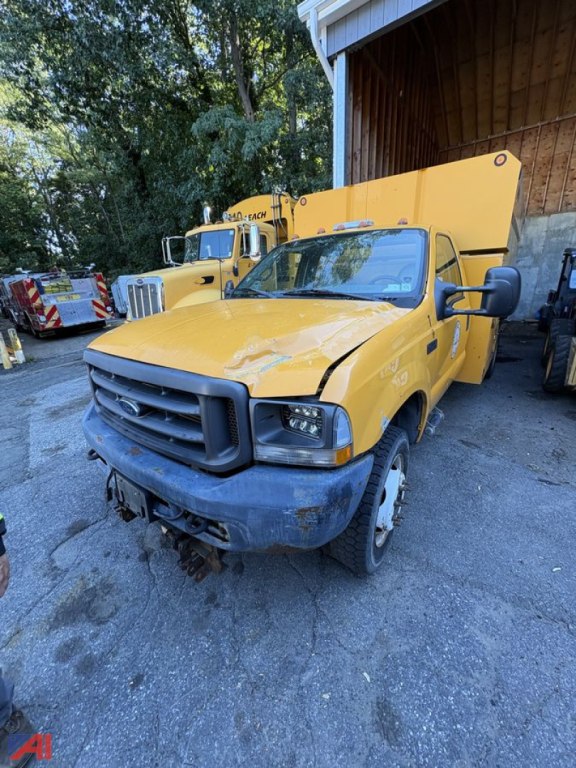
Powertrain choice is a major decision in this category. On older and mid-range used Ford dump trucks, the 6.8L V10 gas engine is common and well known for straightforward vocational service, especially in lower-mileage local applications where diesel emissions complexity is not desired. Transmission type, rear axle ratio, 4x2 versus 4x4, and GVWR should be matched to the work. A 4x4 F-350 or F-450 can make sense for snow plowing, off-pavement access, and steep job sites, while a 4x2 F-550 or F-650 may offer better payload efficiency for paved-route hauling. Buyers should also confirm hydraulic function under load, hoist condition, frame integrity, brake type, tire load range, and whether the dump body floor, crossmembers, hinges, and tailgate have excessive corrosion or patchwork repairs.
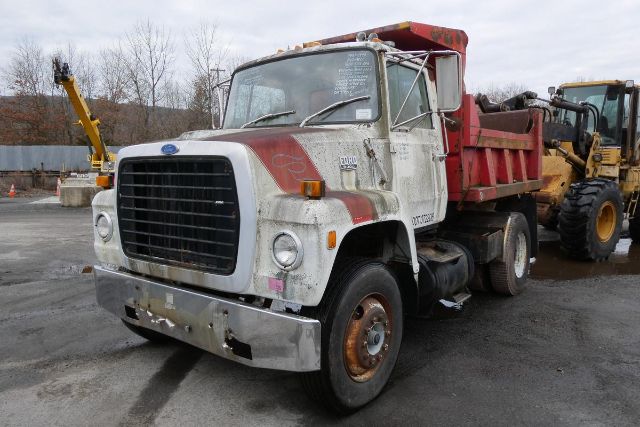
On used dump trucks, the body and vocational equipment often tell the real story of value. A clean Ford chassis with a weak hoist, rusted floor, cracked mounts, or worn pintle and trailer wiring can turn into a costly rehab quickly. Check cab-to-axle measurement if body replacement or upfitting is planned, and verify side height, door style, tarp setup, and spreader or plow compatibility if the truck will serve multiple seasons. Ford dump trucks remain popular because they are easy to place into landscaping, municipal, and construction support roles, but the right truck depends less on model badge and more on how the chassis rating, dump gear, and body spec line up with your actual material, route, and loading method.
Frequently Asked Questions about Used Ford Dump Trucks
What Ford models are most common as used dump trucks?
The most common used Ford dump trucks are the F-350, F-450, F-550, and F-650. F-350 and F-450 trucks are typically lighter vocational units for landscaping, plowing, and small material delivery. F-550 models are a common middle ground because they can support heavier dump bodies and higher GVWRs without moving into a full medium-duty platform. The F-650 is better suited for heavier municipal or contractor applications where larger bodies, higher payload, and more robust components are needed.
Is a gas Ford dump truck a practical choice?
A gas Ford dump truck can be a very practical choice for local and seasonal work. Many used Ford dump trucks use the 6.8L V10 gas engine, which is common in municipal and contractor fleets. Gas power can simplify maintenance for buyers who want to avoid older diesel emissions systems, especially on trucks that idle often, run short routes, or spend time on plow and spreader duty. The tradeoff is usually fuel economy and, depending on application, lower torque than a comparable diesel setup.
What should I inspect first on a used Ford dump truck?
Start with the dump body, hoist, and frame because those items often drive repair cost more than the cab or paint. Inspect the body floor, side panels, tailgate, hinge points, crossmembers, and mounting hardware for rust, cracks, or poor weld repairs. Run the hoist through a full dump cycle and check for hydraulic leaks, binding, weak lift performance, or damaged cylinders. Then confirm GVWR, axle ratings, brake condition, tire capacity, and whether the truck has been overloaded or used extensively with a plow, spreader, or trailer.
What body features matter most on a Ford dump truck?
The right body depends on the material and the loading method. Buyers should pay close attention to body length, side height, floor thickness, steel versus aluminum construction, tailgate style, and tarp system. Fold-down sides are useful for landscaping and pallet access, while higher solid sides are better for light-volume materials like brush or mulch. If the truck will tow equipment or operate year-round, features such as pintle hitches, electric brake wiring, toolboxes, plow mounts, and spreader controls can add real value.
How do I choose between a Ford F-550 and F-650 dump truck?
The choice usually comes down to payload target, body size, and duty cycle. An F-550 is often the better fit for contractors who need a maneuverable truck for mixed jobsite and urban work, especially with a 2 to 3 yard or landscape-style dump body. An F-650 is better for heavier daily hauling, larger body specs, and municipal or construction support applications where durability and capacity outweigh tighter turning and lighter registration needs. Always compare the actual GVWR, axle ratings, and body installation rather than relying only on the model name.