
Used Ford Dump Trucks For Sale in Florida
Shop used Ford dump trucks in Florida. Compare F-350, F-550, and E450 setups for landscape, trash, masonry, and contractor hauling.
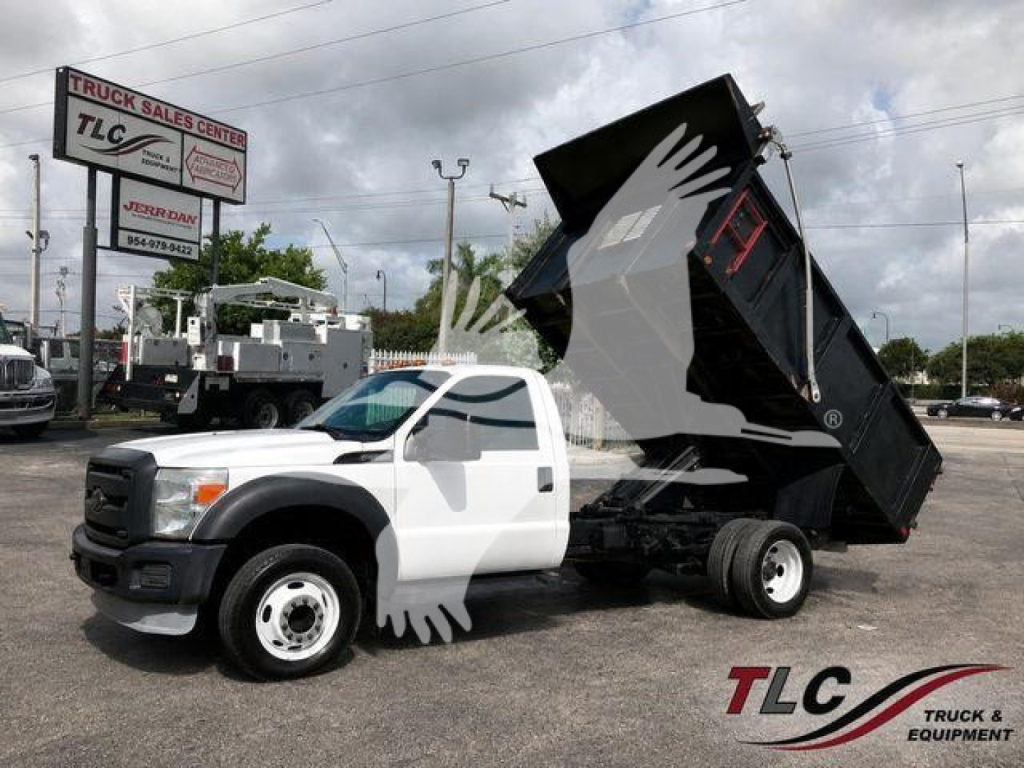
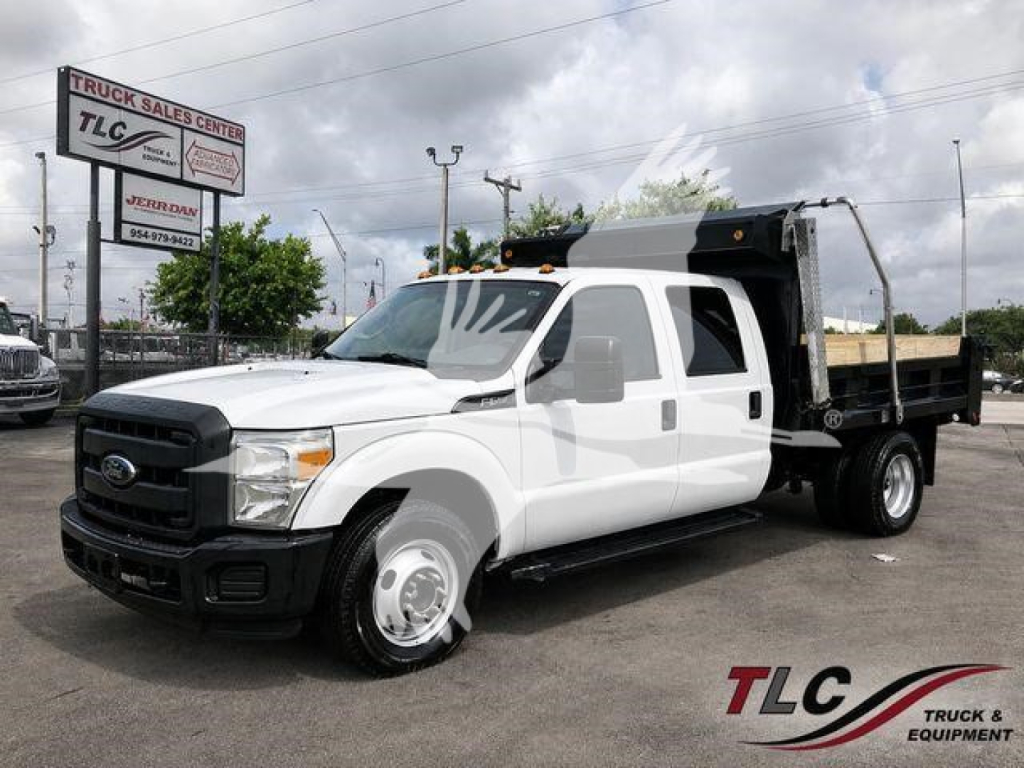
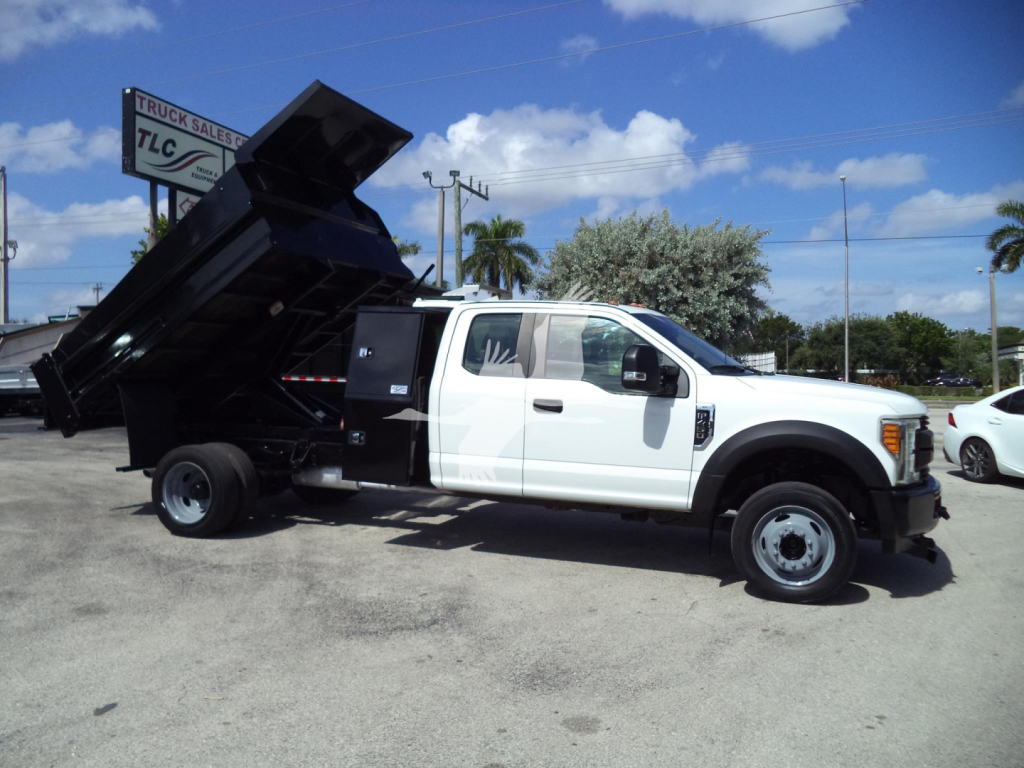
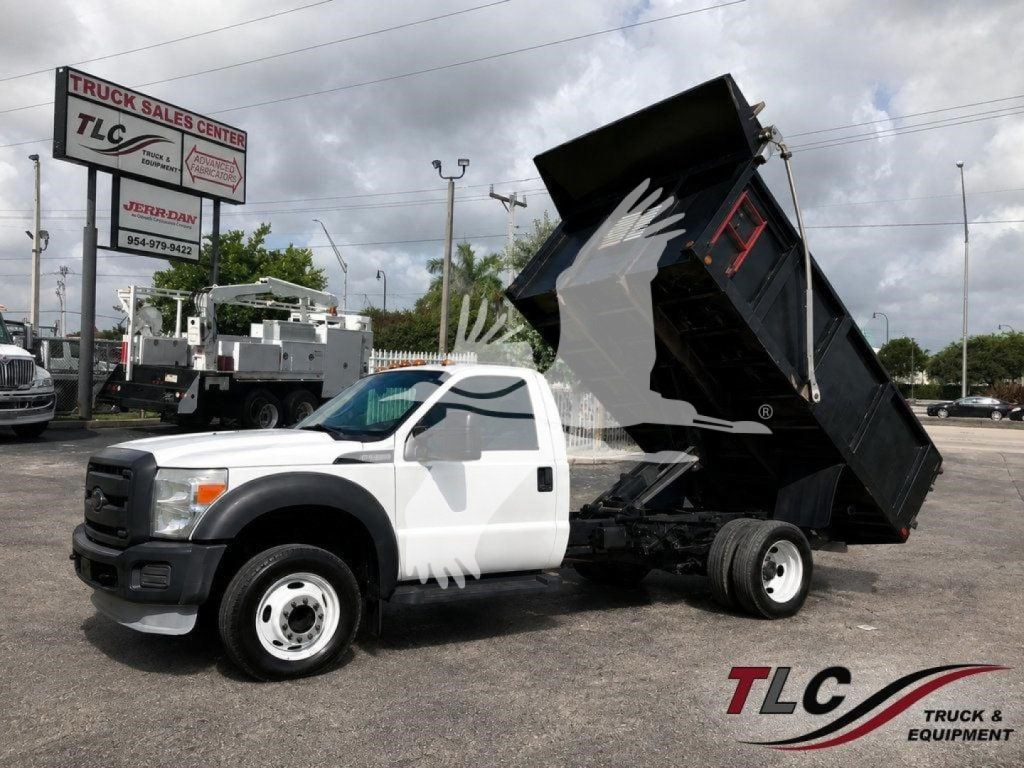
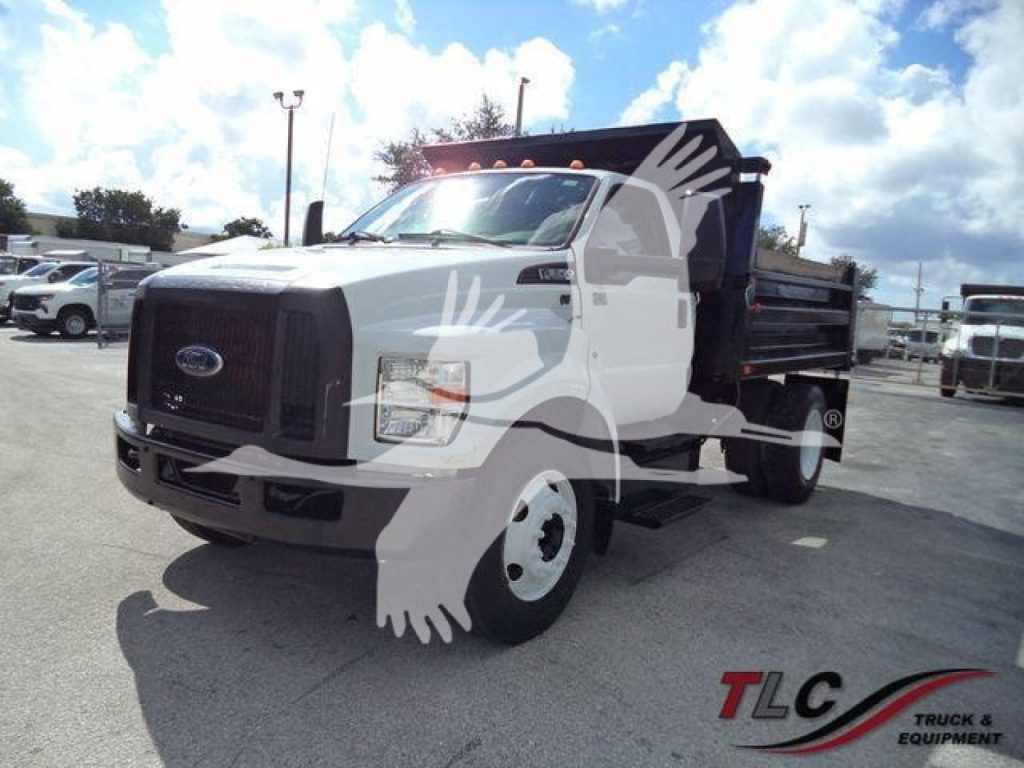
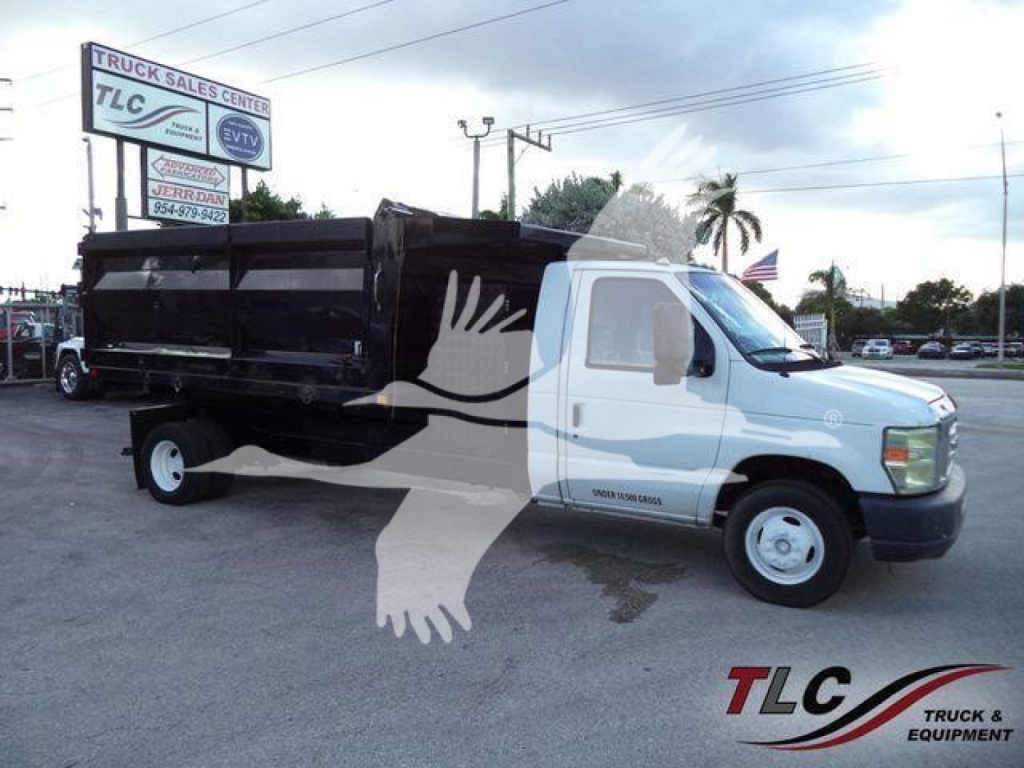
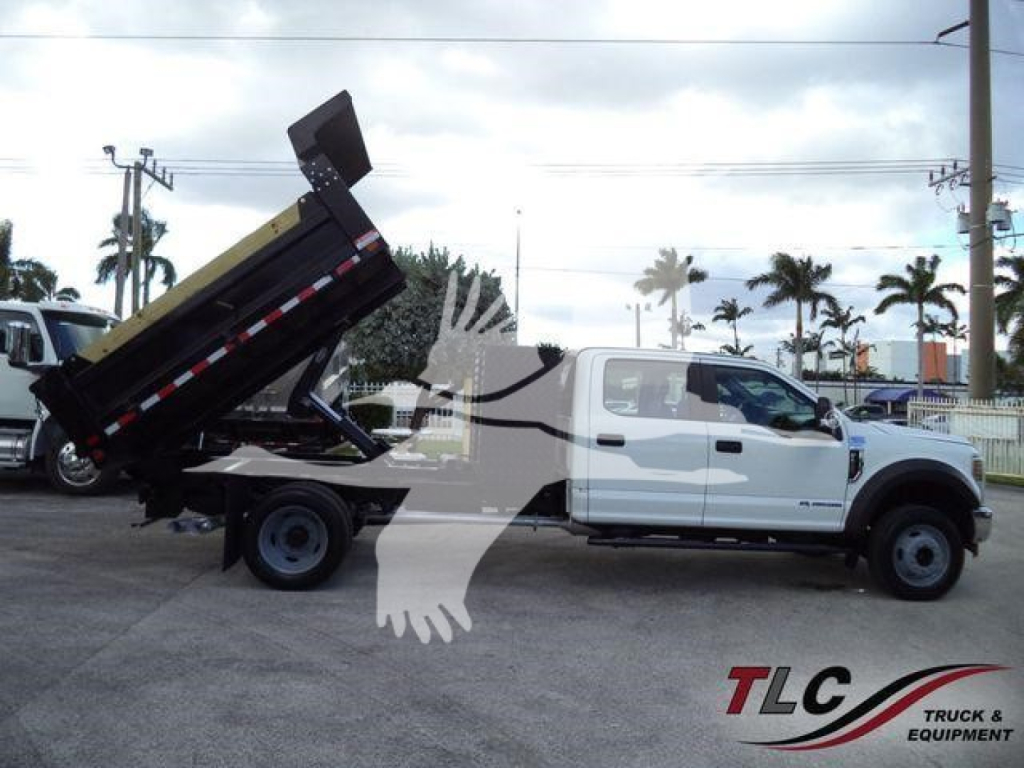
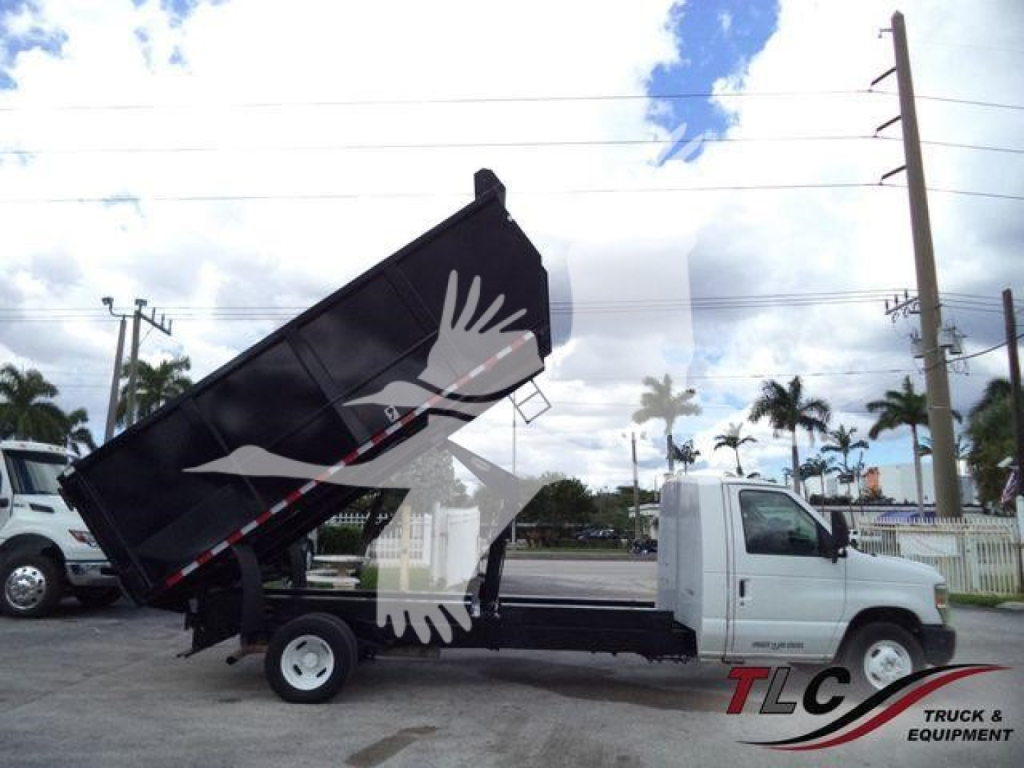
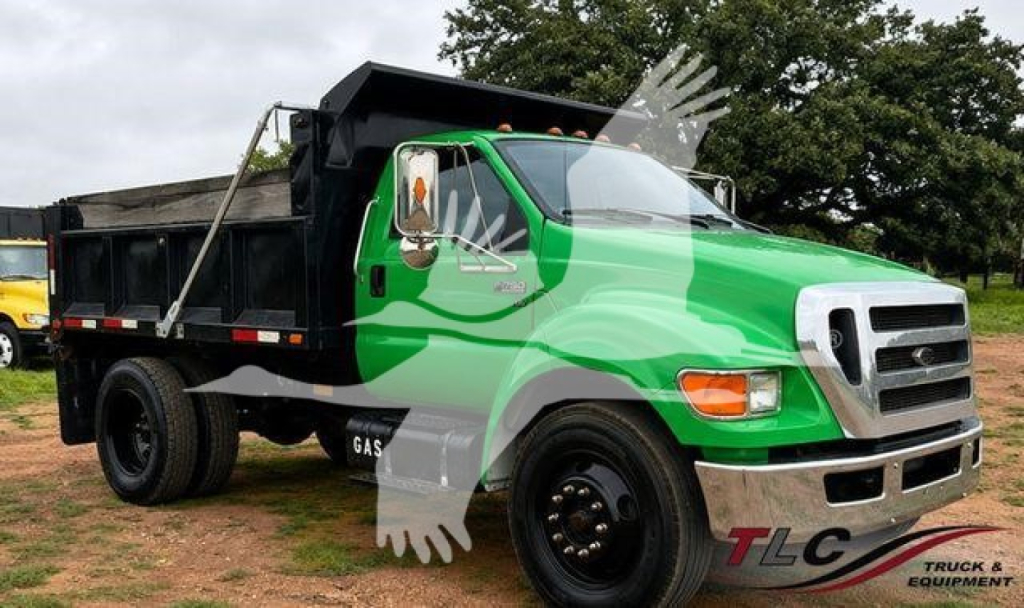
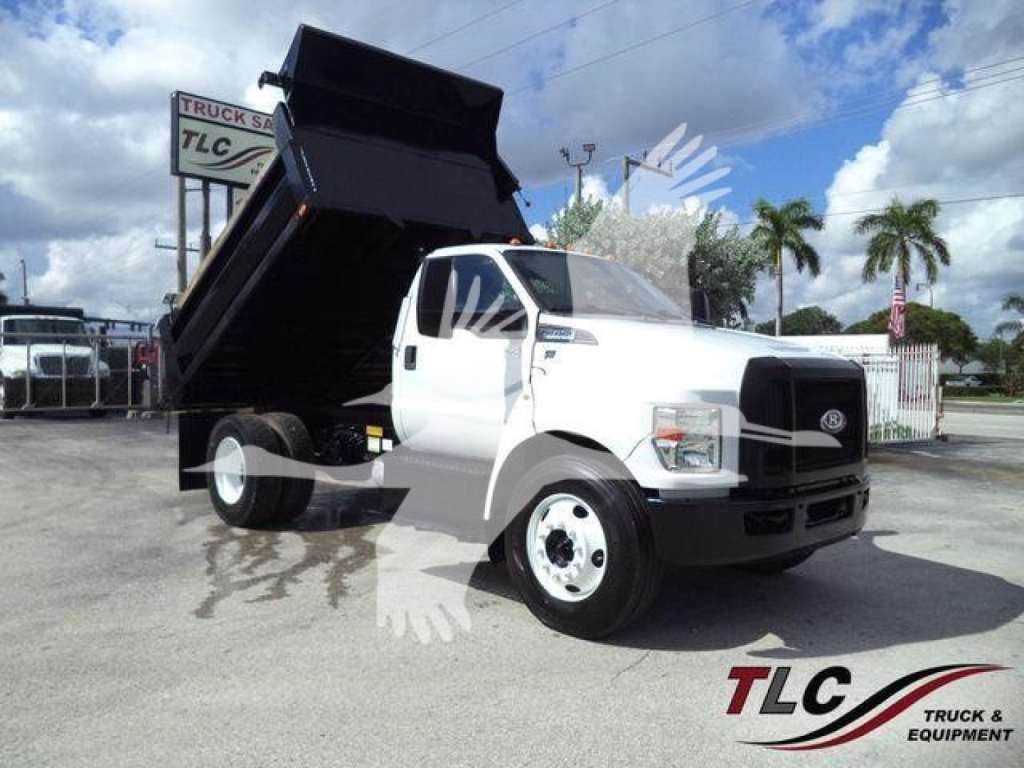
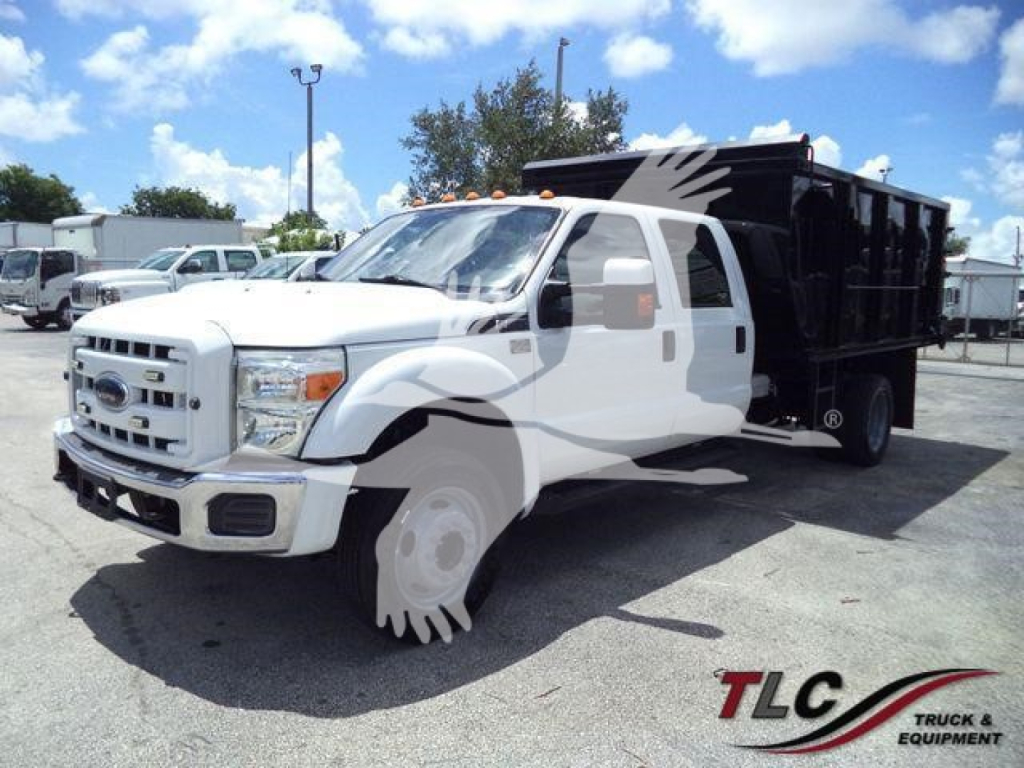
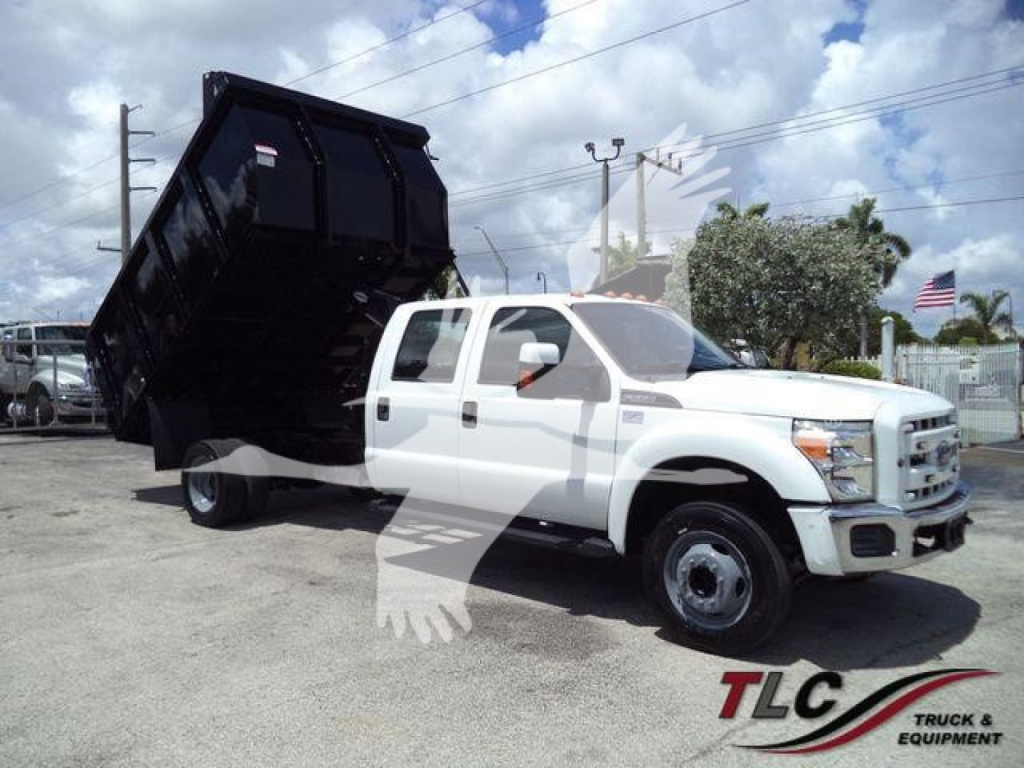
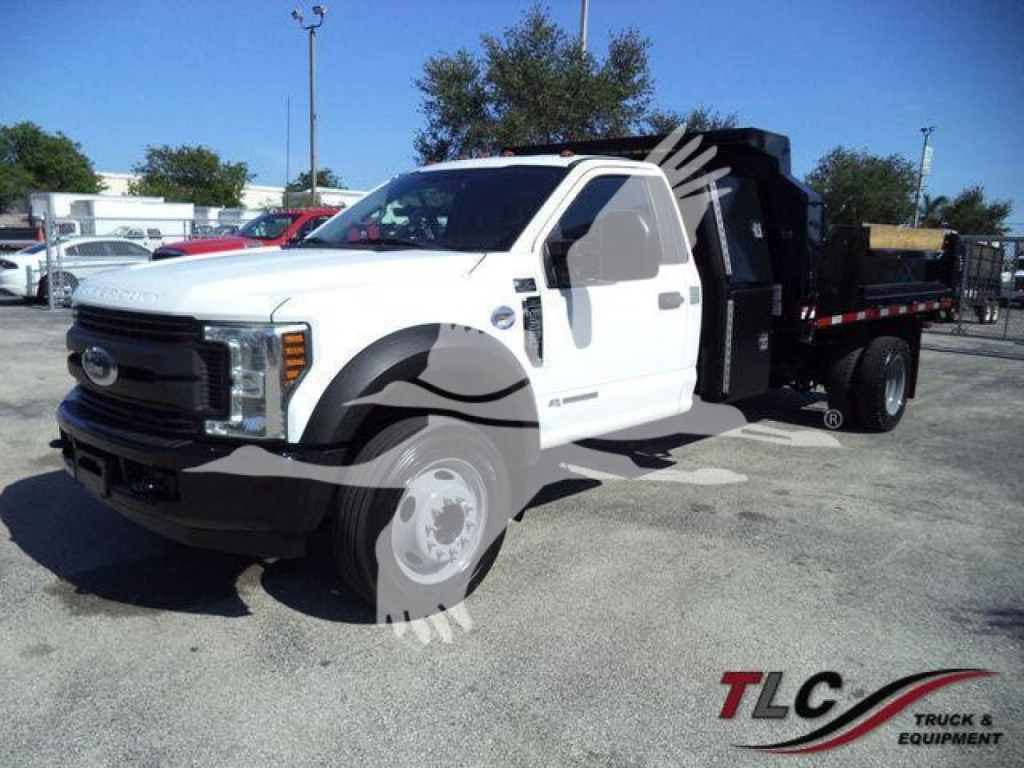
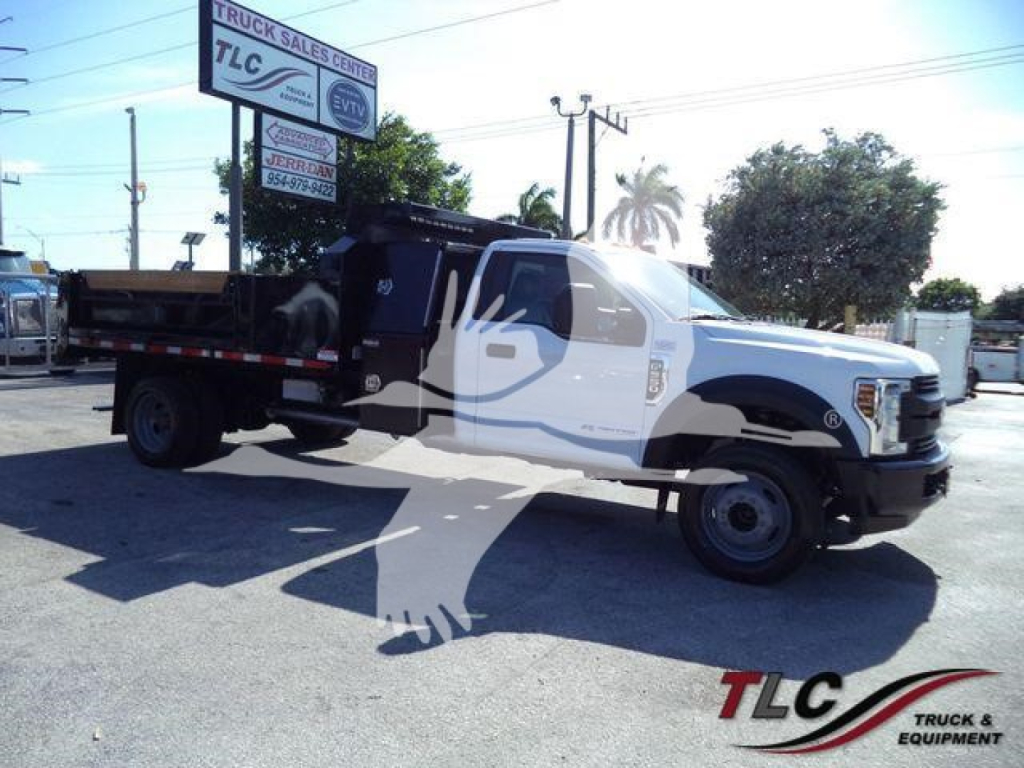
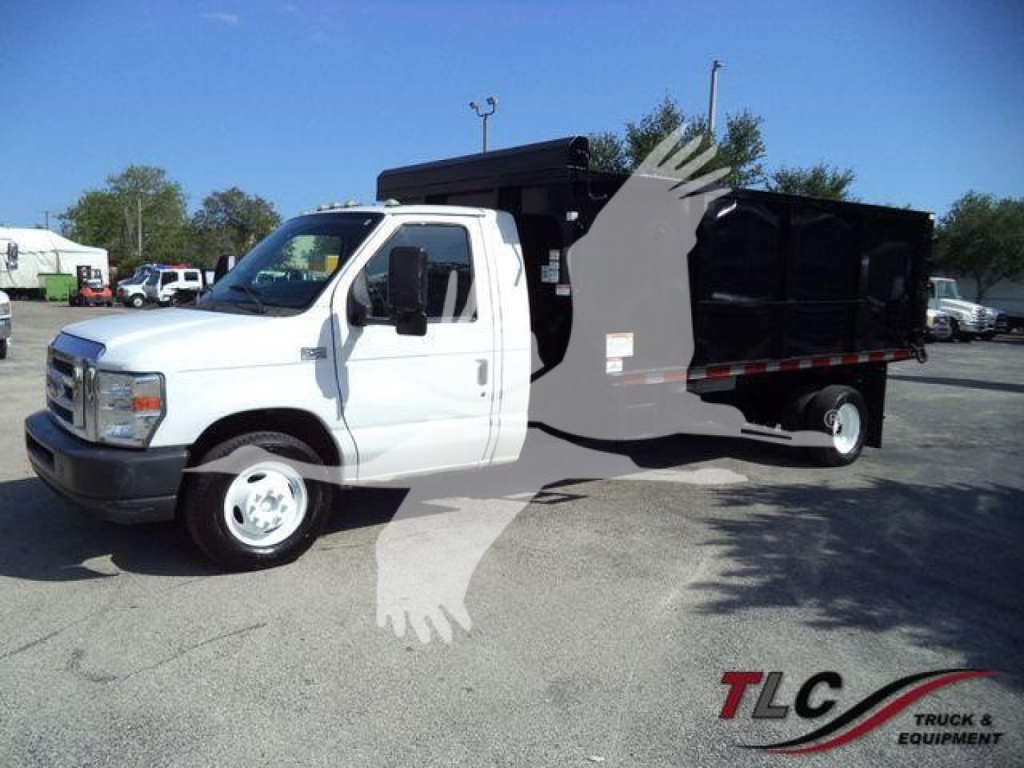
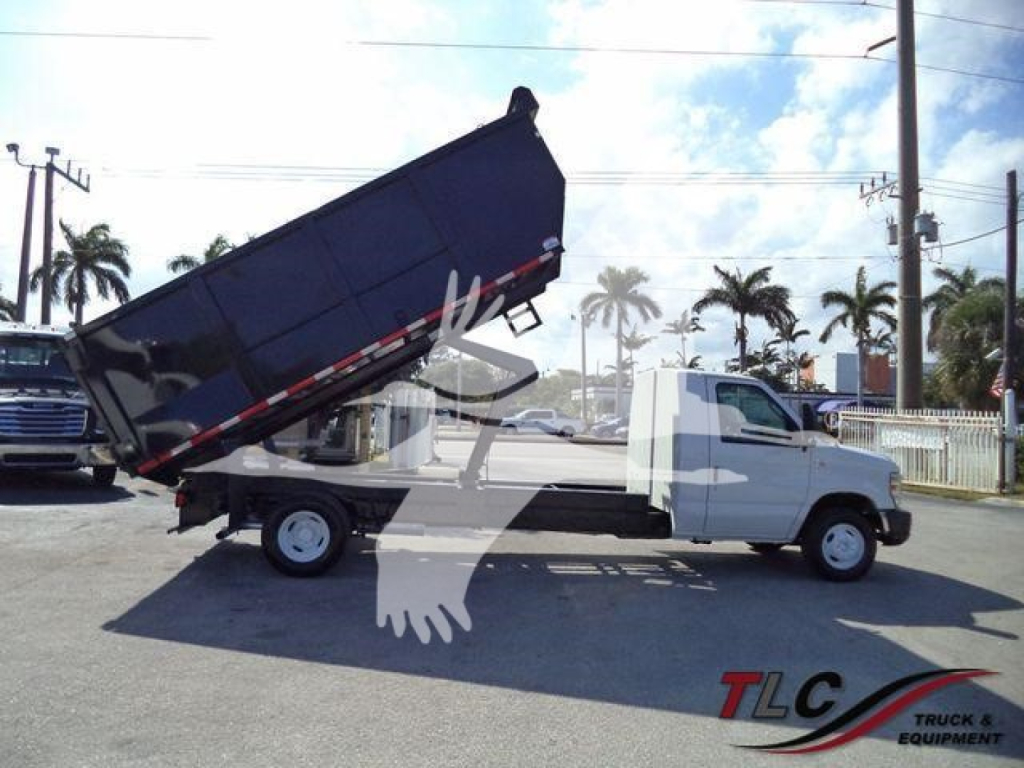
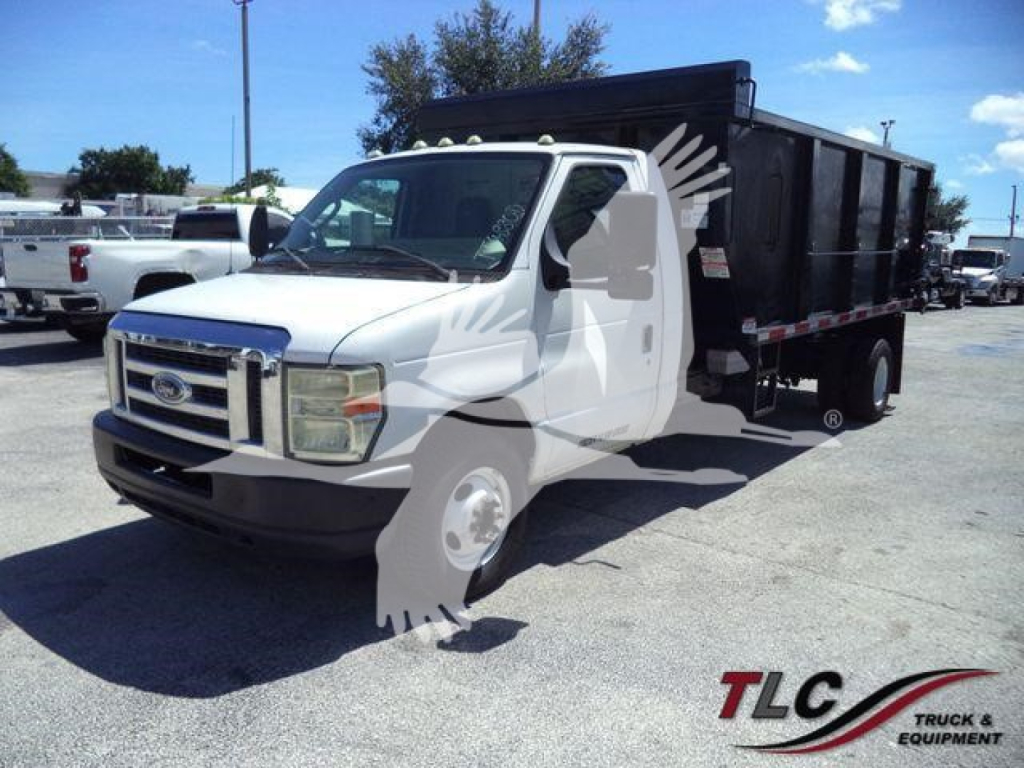
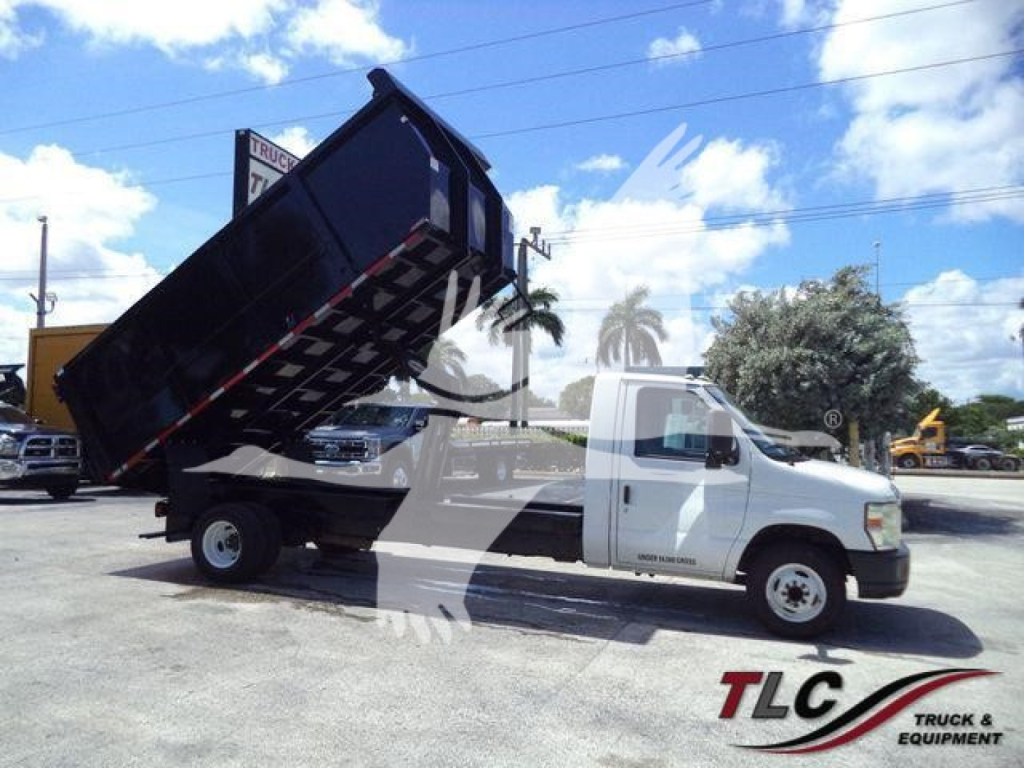
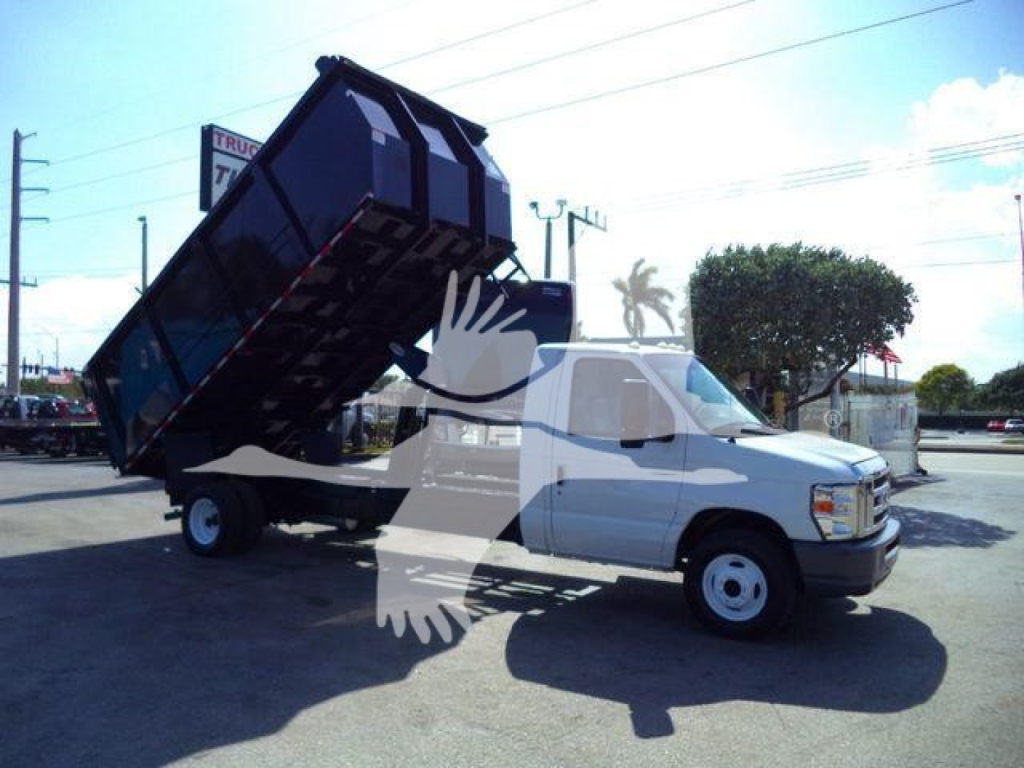
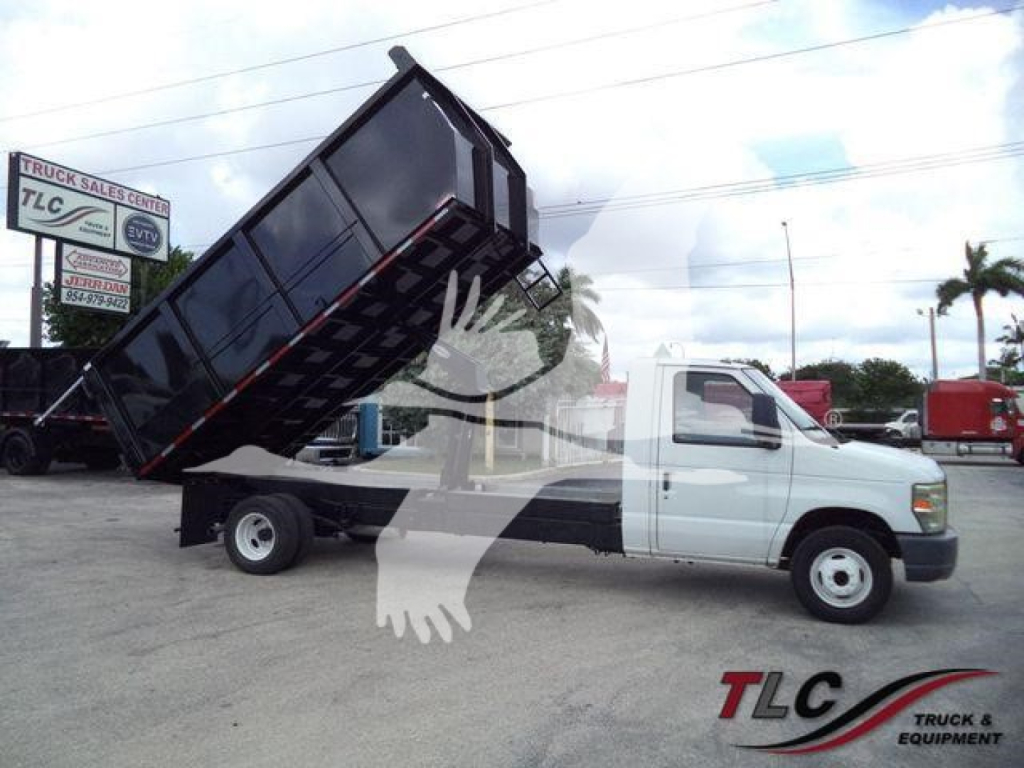
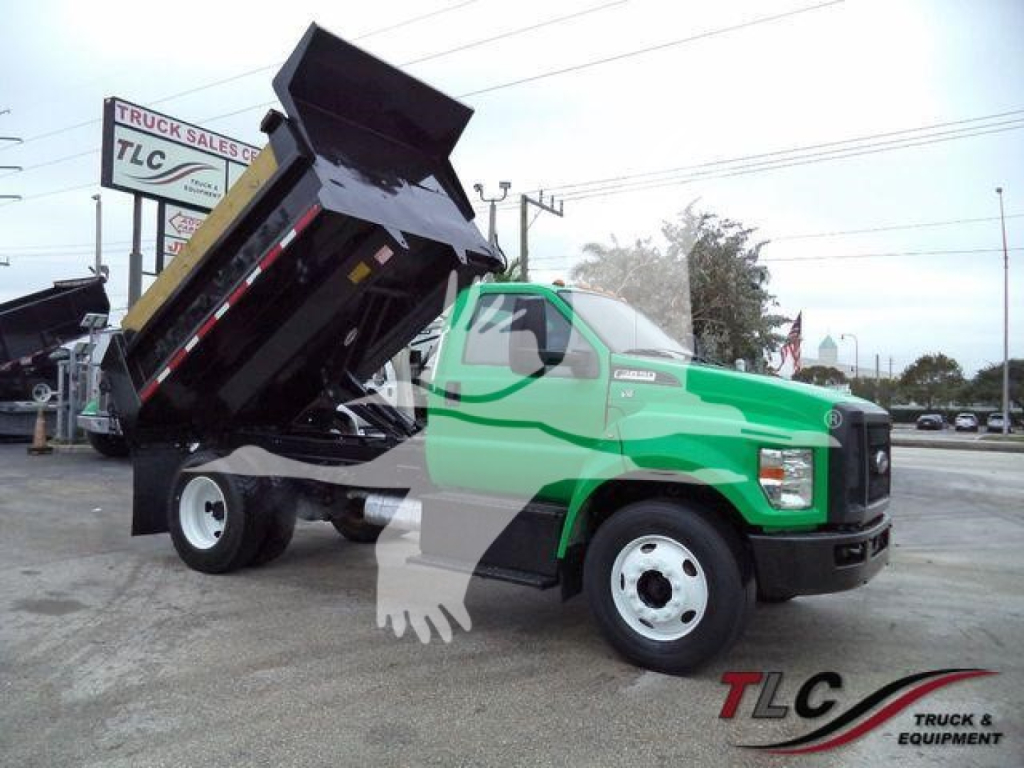
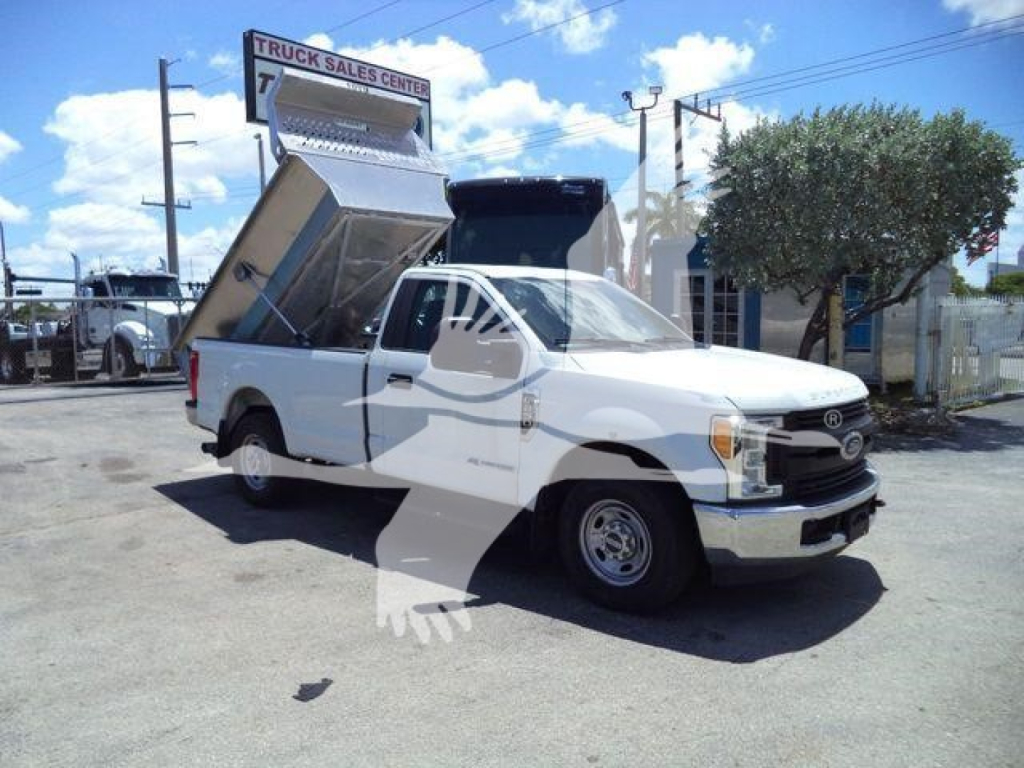
Selling a used ford dump truck? List your used ford dump truck for sale and reach thousands of commercial buyers.
Used Ford Dump Trucks in Florida
Body configuration is usually the first buying decision. A landscape or trash dump often has taller sides, commonly around 48 to 51 inches, to hold bulk but lighter material like brush, yard waste, or demolition debris. A mason or contractor dump typically has shorter sides, heavier floors such as 3/16-inch steel, and stronger rear door arrangements for denser payloads like sand, gravel, block, or broken concrete. Common body lengths in Ford applications are around 10 to 15 feet depending on wheelbase and cab style. Features worth checking closely include electric-over-hydraulic hoists, cab shields, fold-down sides, top-swing or combination tailgates, manual or spring-assist tarps, hitch packages with electric brake hookups, and underbody or tunnel toolboxes. On used units, these details directly affect daily productivity and the type of material the truck can legally and efficiently carry.
Engine and chassis choices also shape operating cost. Ford Super Duty dump trucks are frequently equipped with gas V8 or V10 engines on older units and the 6.7L Power Stroke diesel on many newer F-550 trucks. Gas trucks can be a good fit for shorter routes, seasonal work, and fleets that prioritize lower acquisition cost and simpler emissions systems. Diesel trucks usually make more sense for heavier loads, towing, and frequent stop-and-go use with a body that sees full-capacity work. In Florida, rust is often less severe than in northern markets, but buyers should still inspect hoist mounts, body crossmembers, rear hinges, cab corners, and electrical connections exposed to moisture, salt air, and jobsite contamination. Fleet-maintained chassis can be a plus, but the dump body, PTO or electric-hydraulic system, cylinder condition, and tailgate hardware deserve the same attention as the engine and transmission.
A used Ford dump truck is often chosen because it bridges pickup-like drivability with real commercial body capacity. Regular cab trucks maximize bed length and turning ease on tight sites, while crew cabs give contractors room for labor crews at the cost of some body length or payload margin. For Florida buyers, it is smart to match the truck to the route and material first, then confirm axle ratings, suspension condition, tire size, brake condition, and body dimensions. The right setup is less about the badge on the fender and more about how the chassis, hoist, bed steel, side height, and rear gate design work together for the loads you move every day.
Frequently Asked Questions about Used Ford Dump Trucks in Florida
What is the best used Ford dump truck size for landscaping or debris hauling?
For landscaping, trash, and light debris work, many buyers target Ford E450 or F-450/F-550 dump trucks with taller sides and body lengths around 12 to 15 feet. These setups carry bulky material efficiently and stay maneuverable in neighborhoods, commercial sites, and tight driveways. The best choice depends on how often the truck runs full, whether it tows equipment, and how much side height you need for volume versus how much payload capacity you need for weight.
Is a gas or diesel Ford dump truck better in the used market?
A gas Ford dump truck can be a strong value for lighter-duty use, short routes, and seasonal operations because the purchase price is often lower and maintenance can be simpler. A diesel Ford dump truck, especially an F-550 with the 6.7L Power Stroke, is usually better suited for heavier hauling, towing, and frequent loaded operation. Buyers should base the decision on duty cycle, annual miles, average payload, and comfort with diesel emissions-related maintenance.
What should I inspect first on a used Ford dump truck?
Start with the dump system and body before assuming the chassis tells the whole story. Check the hoist operation, hydraulic leaks, cylinder condition, hinge points, tailgate function, floor wear, side wall damage, and any cracking around mounts or crossmembers. Then review GVWR, axle ratings, suspension, tires, brakes, and transmission performance. A clean-running chassis can still become an expensive truck if the body structure or hydraulic system is worn out.
What is the difference between a landscape dump and a mason dump?
A landscape dump usually has higher sides to hold more cubic volume for light materials such as mulch, brush, or yard waste. A mason dump is generally built for heavier material and often uses lower sides, thicker steel flooring, and a tailgate design better suited for aggregate, sand, and demolition debris. If your loads are dense, body strength and legal payload matter more than side height alone.
Are used Ford dump trucks in Florida a good regional buy?
Florida can be a favorable market for used dump trucks because many trucks avoid the road salt exposure common in northern states. Even so, buyers should not assume a clean frame means a trouble-free truck. Coastal humidity, salt air, jobsite mud, and water intrusion can affect electrical systems, body hardware, hoists, and bed structure. A close inspection of wiring, hydraulics, hinges, and body supports is still essential.