
Used 2017 Ford Dump Trucks For Sale in Florida
Shop used 2017 Ford dump trucks in Florida. Compare GVWR, dump body sizes, gas chassis specs, tarp systems, and work-ready upfits.
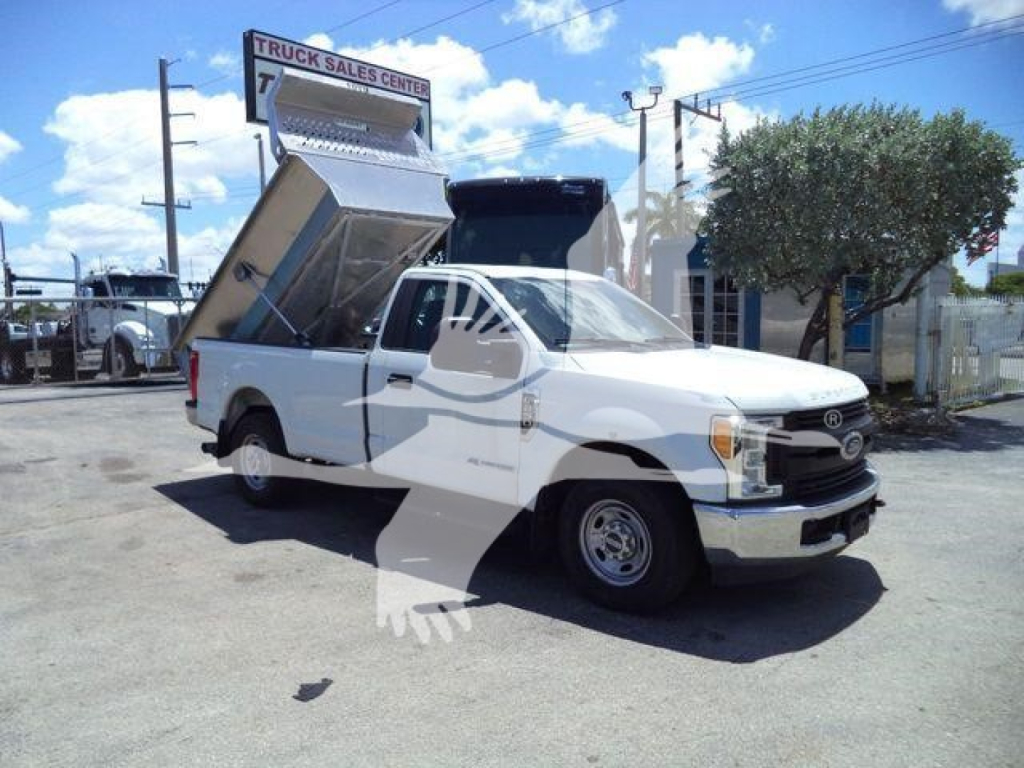
Selling a used 2017 ford dump truck? List your used 2017 ford dump truck for sale and reach thousands of commercial buyers.
Used 2017 Ford Dump Trucks in Florida
The first real buying decision is chassis size and GVWR. A Ford dump truck in this range may fall into a non-CDL or near-CDL operating window depending on spec, body size, and intended payload. Many trucks in the broader Ford dump segment use gas engines, including Ford V10-powered configurations, paired with automatic transmissions. On the jobsite, that usually means straightforward operation, easier driver familiarity, and a good fit for stop-and-go local routes. Buyers should match wheelbase, axle ratings, suspension type, and tire size to the body installed, especially if the truck will carry dense material instead of lighter landscape loads.
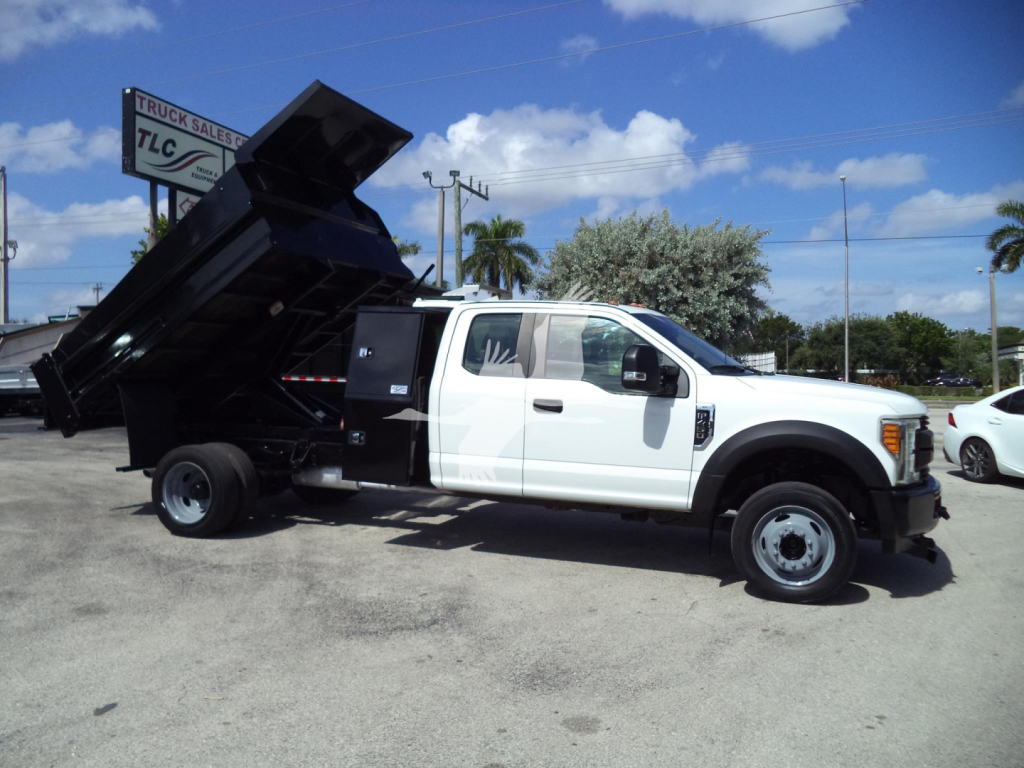
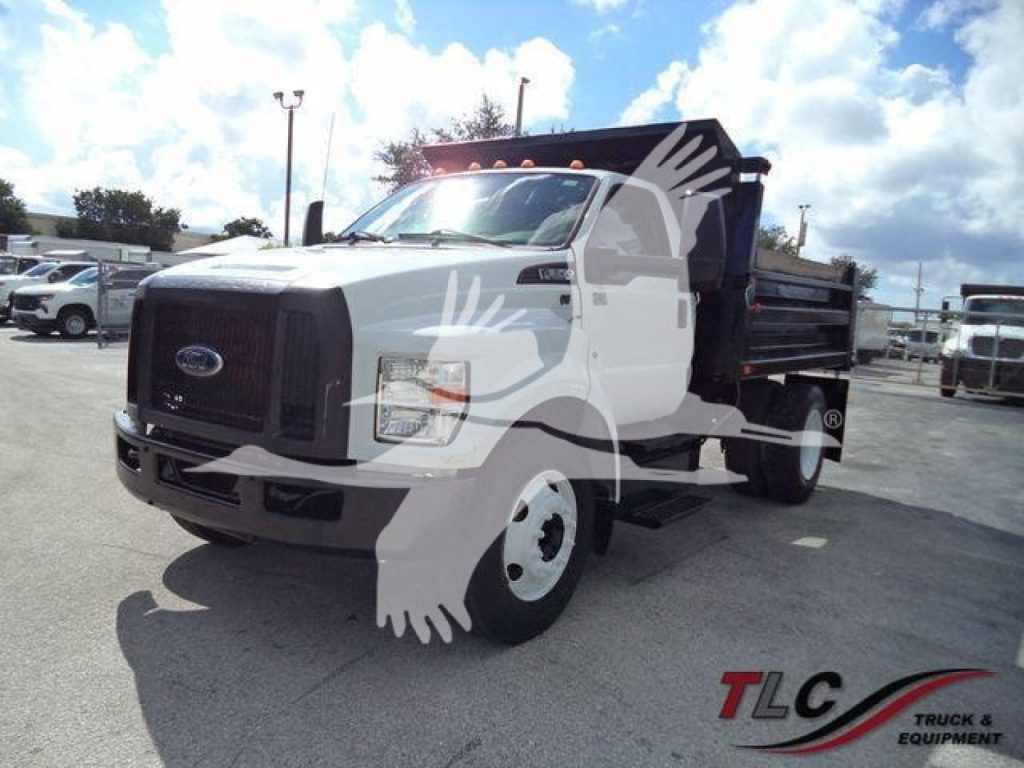
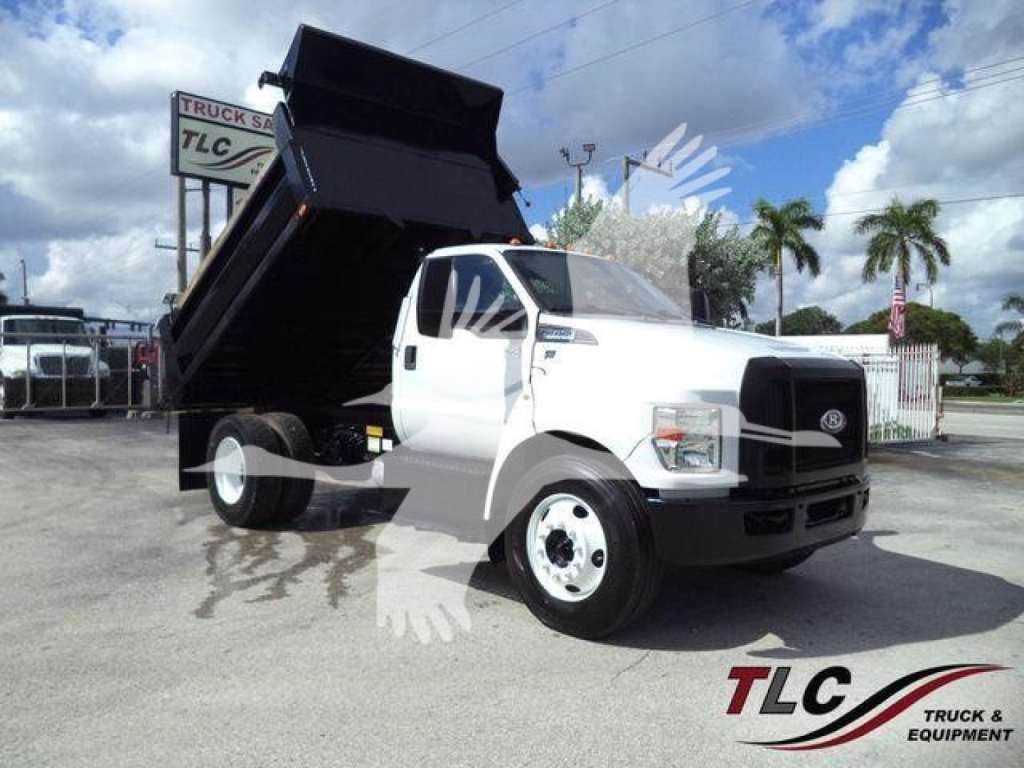
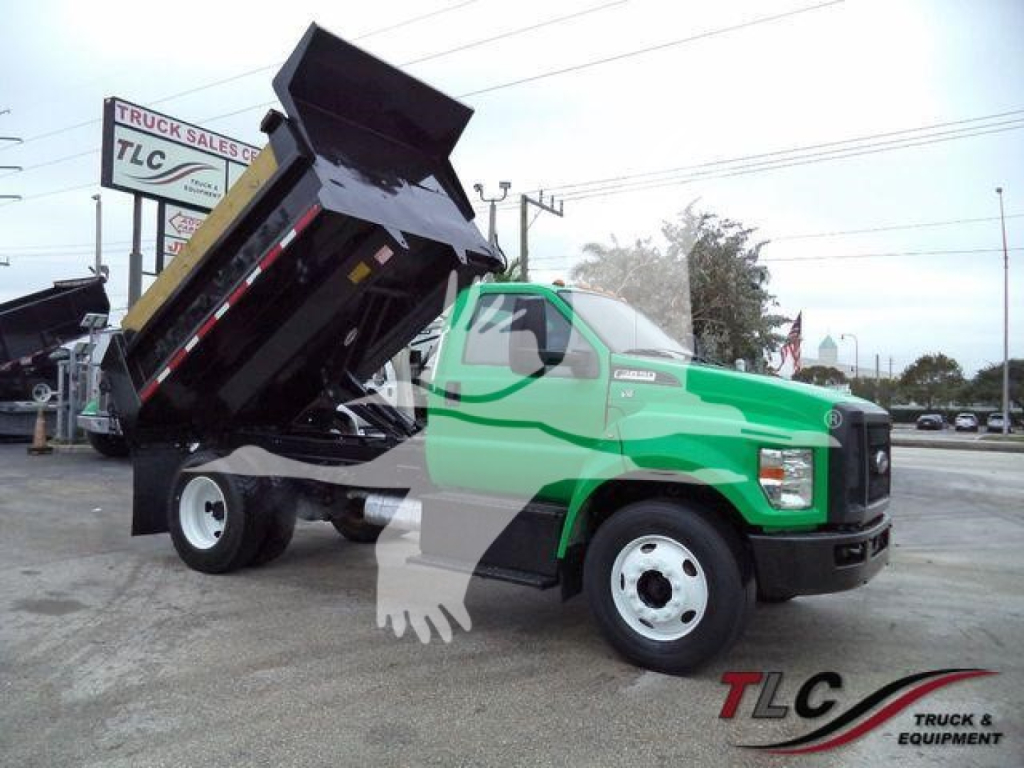
Body spec matters as much as the cab. Common upfits include 10-foot to 15-foot steel dump bodies, often set up as landscape dumps or trash dumps with tall sides, barn doors or single-swing rear doors, manual or roll tarps, and receiver or pintle hitch arrangements. Tall side walls increase cubic capacity for brush, debris, and yard waste, but they do not increase legal payload for heavier material like gravel, asphalt millings, or wet soil. Check the hoist condition, PTO or electric-over-hydraulic setup, floor thickness, hinge wear, scissor or telescopic lift design, and signs of cracking around the crossmembers and body mounts. If the truck has toolboxes, trailer brake wiring, or towing hardware, confirm those systems are still aligned with the type of work you plan to do.
For a used 2017 Ford dump truck, service history and upfit quality often matter more than brand familiarity alone. Look for clean frame rails, consistent tire wear, solid spring packs, properly functioning tarp hardware, and no hesitation when the body raises under load. In Florida, rust may be less severe than in northern salt states, but sun exposure, standing water, and hard daily cycle use can still show up in wiring, seals, hydraulic hoses, and cab interiors. The best choice is the truck whose GVWR, dump body dimensions, and actual payload role are closely matched, because an oversized body on the wrong chassis usually costs more in downtime, brakes, and tires than it saves in purchase price.
Frequently Asked Questions about Used 2017 Ford Dump Trucks in Florida
What should I look for first on a used 2017 Ford dump truck?
Start with GVWR, axle ratings, wheelbase, and the actual dump body installed. Those numbers tell you whether the truck is truly suited for mulch and debris, or for heavier material like dirt and stone. After that, inspect the hoist, hydraulic lines, rear door hardware, tarp system, suspension, tire condition, and any signs of frame stress near the body mounts. A used dump truck lives a hard life, so the condition of the upfit is just as important as the chassis.
Are 2017 Ford dump trucks good for landscape and debris work in Florida?
Yes, this class is commonly used for landscape, storm cleanup, trash, and light construction work in Florida because Ford chassis are easy to service and maneuver well in urban and suburban jobsites. Tall-side steel bodies, manual tarps, and hitch setups are especially common on trucks used for brush, yard waste, and light hauling. Buyers should still verify cooling performance, cab A/C, hydraulic reliability, and signs of corrosion or electrical wear caused by humidity and coastal conditions.
How do I know if a dump truck is non-CDL or requires a CDL?
Check the truck's GVWR on the door label and confirm the registered operating weight and any trailer combination you plan to run. Many dump trucks in the lighter Ford segment are built to stay under the 26,001-pound CDL threshold, but body size and intended payload can mislead buyers into overestimating what the truck can legally haul. If towing equipment is installed, include trailer GVWR in your compliance review because that can change licensing and operational requirements.
What dump body features matter most on a used Ford dump truck?
Body length, side height, rear door style, and hoist design are the main decision points. Landscape operators often prefer taller sides, barn doors or swing gates, and a tarp for loose debris, while heavier material work benefits from a stout steel floor, solid crossmember construction, and a hydraulic system that lifts smoothly without twisting. Also inspect hinges, latch points, body mounts, toolbox mounts, and any hitch or trailer brake equipment if the truck will tow support equipment.
Is a gas-powered Ford dump truck a practical choice?
For many local applications, yes. Gas-powered Ford dump trucks are often chosen for shorter routes, municipal work, seasonal operations, and fleets that want simpler operation with lower acquisition cost. They can be a strong fit for stop-and-go duty and lighter annual mileage, but buyers should compare fuel cost, payload demands, and service access against their specific route profile. The right answer depends less on fuel type alone and more on how often the truck runs, what it carries, and how heavily it is loaded.