
Used 2018 Ford Commercial Trucks For Sale
Browse used 2018 Ford trucks with specs, GVWR, powertrain, body, and upfit details that matter for work, towing, service, and fleet use.
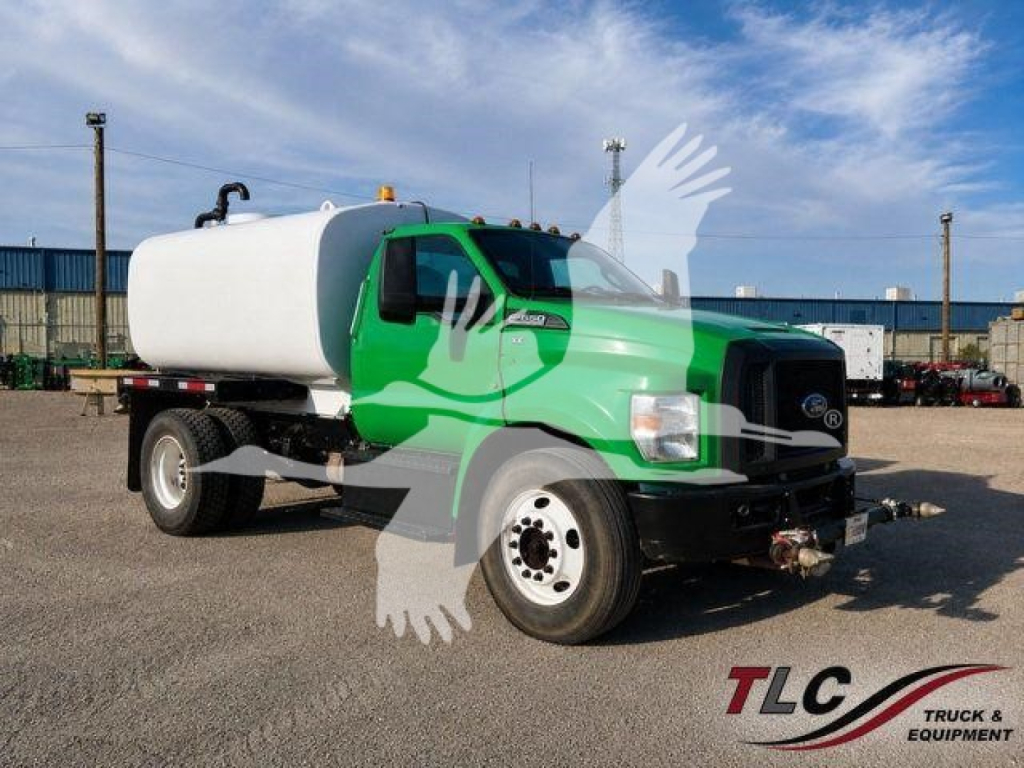
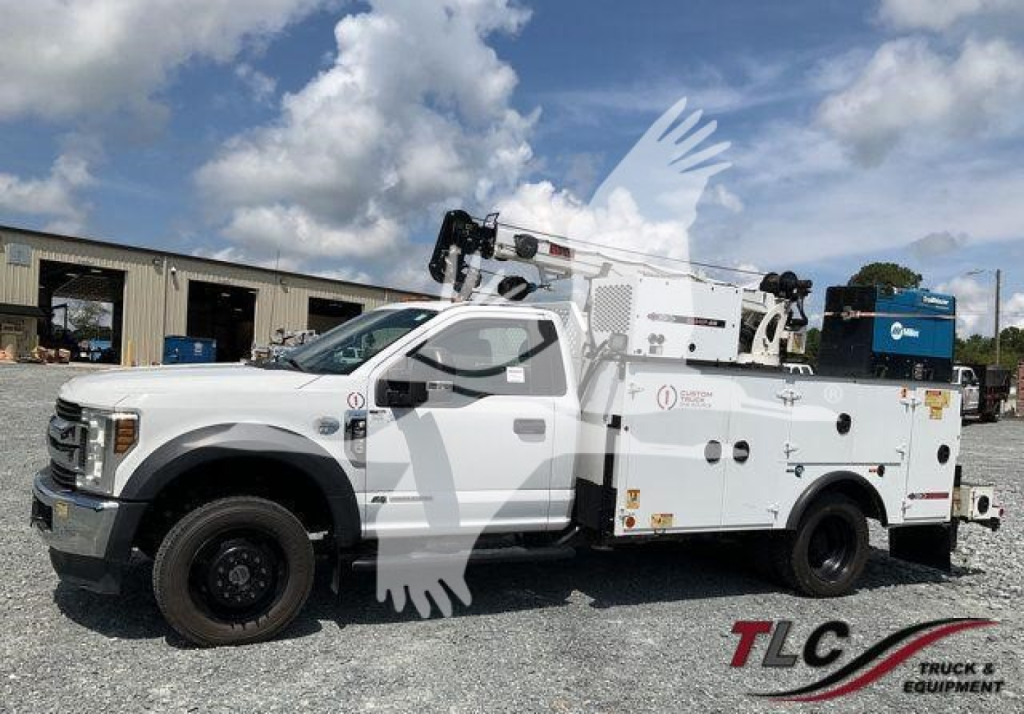
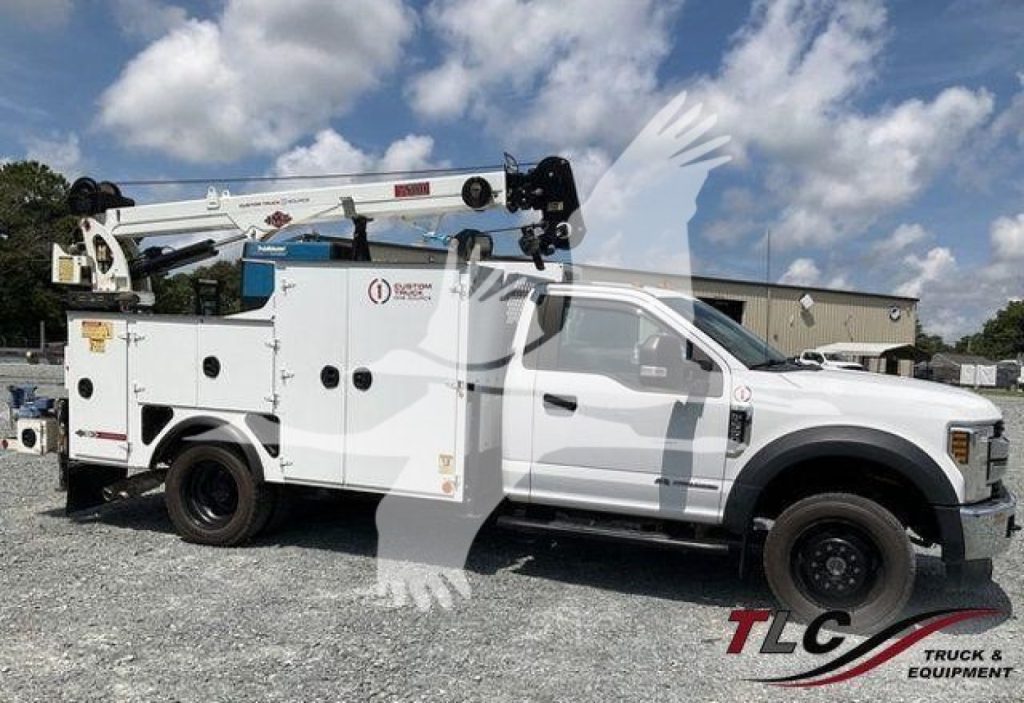
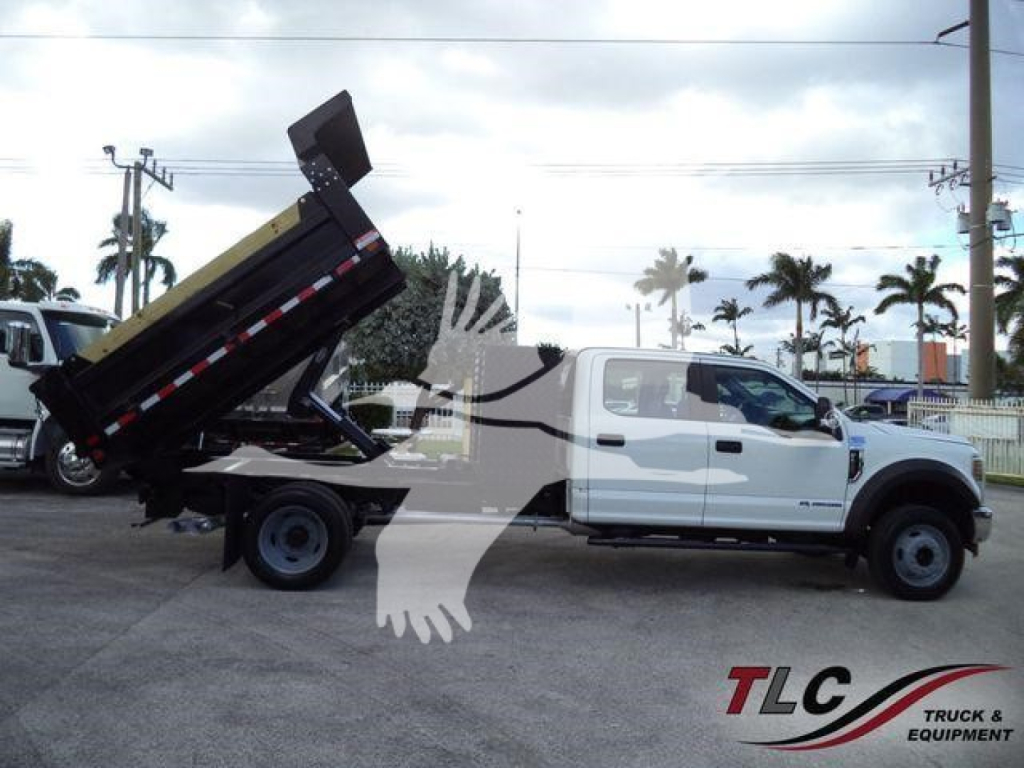
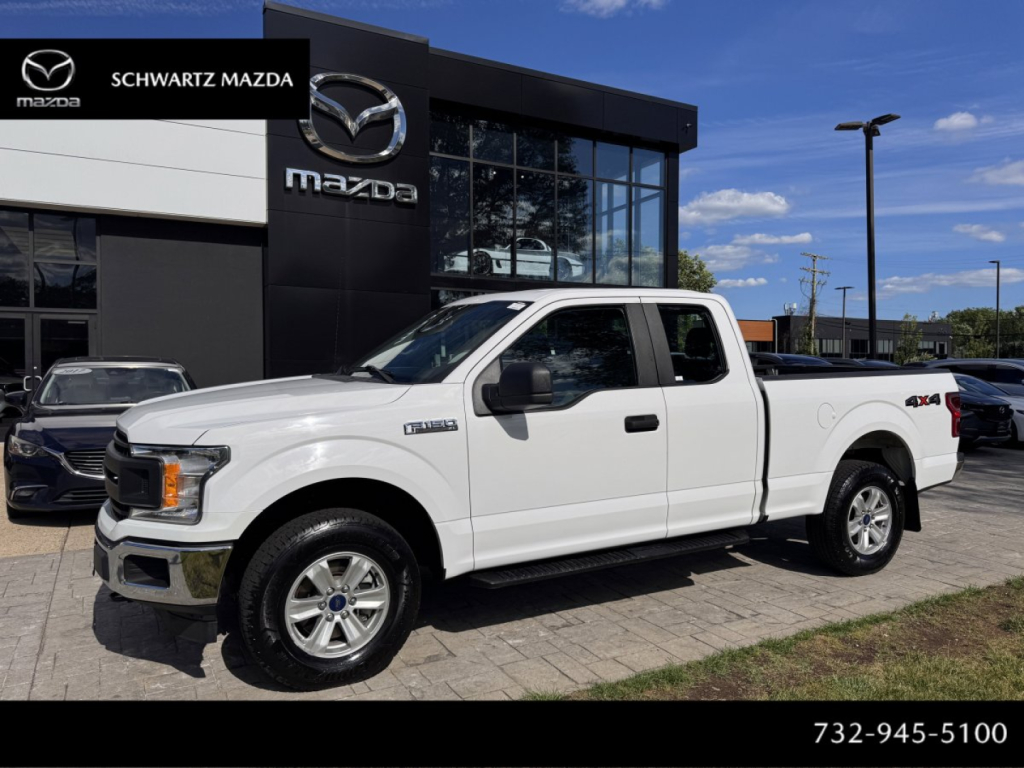
Selling a used 2018 ford commercial truck? List your used 2018 ford commercial truck for sale and reach thousands of commercial buyers.
Used 2018 Ford Commercial Trucks
The first decision is usually chassis class and GVWR. A 2018 Ford F-250 or F-350 may fit lighter service, pickup, and gooseneck towing roles, while F-450 and F-550 trucks are more common when the job calls for heavier payloads, larger dump bodies, rollback or hauler equipment, utility bodies, or dedicated cab and chassis use. Buyers should match the rear axle rating, spring capacity, wheelbase, and cab style to the intended body. Regular cab trucks maximize body room on a shorter overall length, while SuperCab and Crew Cab configurations trade some frame space for passenger capacity. On used units, wheelbase, CA dimension, and existing body installation matter as much as engine choice because they determine how easily the truck can be repurposed.
On 2018 Ford trucks, powertrain selection often centers on the 6.7L Power Stroke diesel versus a gas V8, depending on the model and application. Diesel trucks are typically preferred for sustained towing, higher torque demand, and vocational use with heavier bodies. Gas engines can make sense for local routes, lower annual mileage, and operations trying to reduce upfront acquisition and maintenance costs. Buyers should review transmission operation under load, cooling system condition, DEF and emissions system service history on diesel models, and any signs of hard idle hours if the truck powered PTO equipment or spent time in municipal duty cycles. On cab and chassis trucks, it also helps to inspect frame drill patterns, wiring for upfits, hydraulic pump installations, trailer brake controls, and hitch setup.
Condition on a used 2018 Ford truck is driven less by model year than by prior vocation. A pickup used mainly for towing may wear differently than an ex-fleet dump, service body, or government chassis. Check for rust at cab corners, rocker panels, bed mounts, spring hangers, and underbody crossmembers, especially in northern climates. If the truck carries a dump body, landscape body, flatbed, or service body, inspect hoists, subframes, scissor or telescopic cylinders, scuff areas, rear door hardware, tarp systems, and electrical connections. Tire wear, front-end play, brake life, and evidence of overload use can tell you more than the odometer alone. For buyers comparing multiple used 2018 Ford trucks for sale, the best value is usually the one with the right GVWR, wheelbase, and upfit already in place, backed by clear maintenance history and a configuration that matches the work without requiring major rework.
Frequently Asked Questions about Used 2018 Ford Commercial Trucks
What are the most common commercial uses for a used 2018 Ford truck?
A used 2018 Ford truck is commonly used for towing, contractor work, service and utility applications, dump and landscape work, municipal duty, and general fleet transportation. F-250 and F-350 models are often chosen for pickup and trailer work, while F-450 and F-550 trucks are more likely to appear as cab and chassis units carrying dump bodies, flatbeds, utility bodies, mechanics bodies, or rollback-style equipment.
How do I choose between a 2018 Ford F-350, F-450, and F-550?
The right choice depends on GVWR, payload, trailer weight, and body requirements. An F-350 is often adequate for lighter commercial hauling and towing. An F-450 usually adds capacity and stronger suitability for heavier trailers or vocational upfits. An F-550 is the better fit when the truck will carry a larger body, operate with heavier axle loads, or support hydraulic equipment and more demanding daily work cycles. Buyers should compare axle ratings, wheelbase, cab-to-axle measurement, and suspension setup before focusing only on engine or trim.
Is the 6.7L Power Stroke diesel the best engine choice in a used 2018 Ford truck?
The 6.7L Power Stroke is a strong choice for buyers who need torque for regular towing, heavier payloads, or vocational service. It is especially common in cab and chassis and higher-demand work trucks. A gas engine may still be the better fit for lighter local use, lower annual mileage, or fleets trying to avoid diesel emissions-related complexity. The best engine choice depends on route profile, idle time, maintenance history, and the weight of the body or trailer the truck will handle.
What should I inspect on a used 2018 Ford cab and chassis truck?
Focus on frame condition, wheelbase and CA dimension, rear suspension, axle ratings, and the quality of any existing upfit installation. Inspect for rust, frame modifications, unused drill holes, wiring splices, hydraulic plumbing, PTO setup, and trailer brake wiring. If the truck already has a body installed, review the hoist, mounts, lights, harnesses, and body subframe for wear or poor installation. A truck with the correct chassis dimensions and a clean upfit can save significant time and money compared with reworking the wrong platform.
Does mileage matter more than previous job type on a used 2018 Ford truck?
Mileage matters, but prior use often matters more. A lower-mile municipal or dump truck may have seen heavy idle time, repeated loading cycles, or corrosive road treatment exposure. A higher-mile highway towing or service truck may show steadier wear with better maintenance records. Buyers should weigh engine hours, body condition, rust, suspension wear, brake condition, and maintenance documentation alongside the odometer to judge remaining service life.