
Used Ford Flatbed Trucks For Sale
Shop used Ford flatbed trucks including F-350, F-450, F-550, and E-450 models with diesel or gas power for hauling, delivery, and equipment transport.
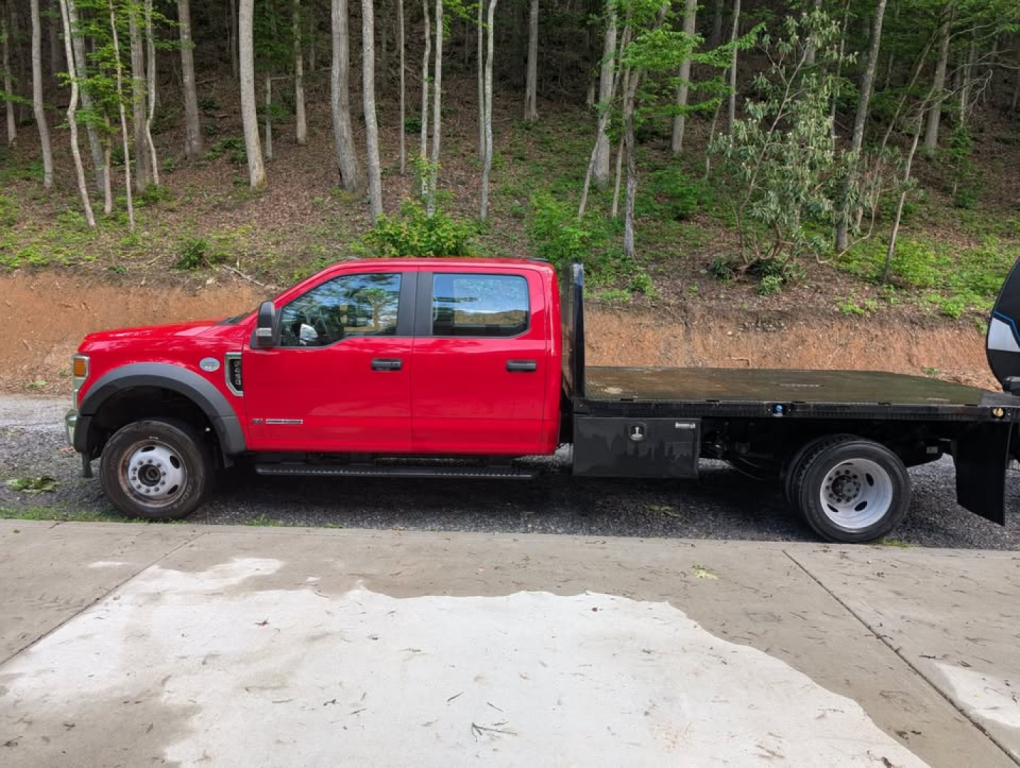
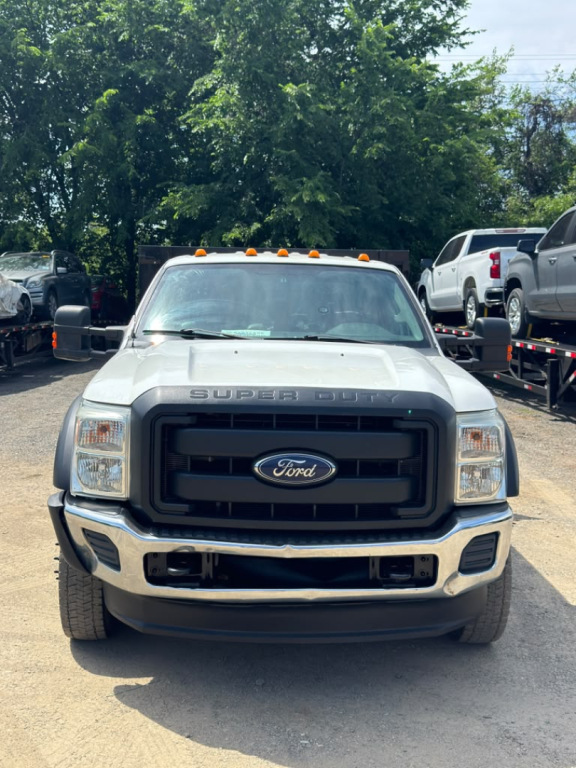
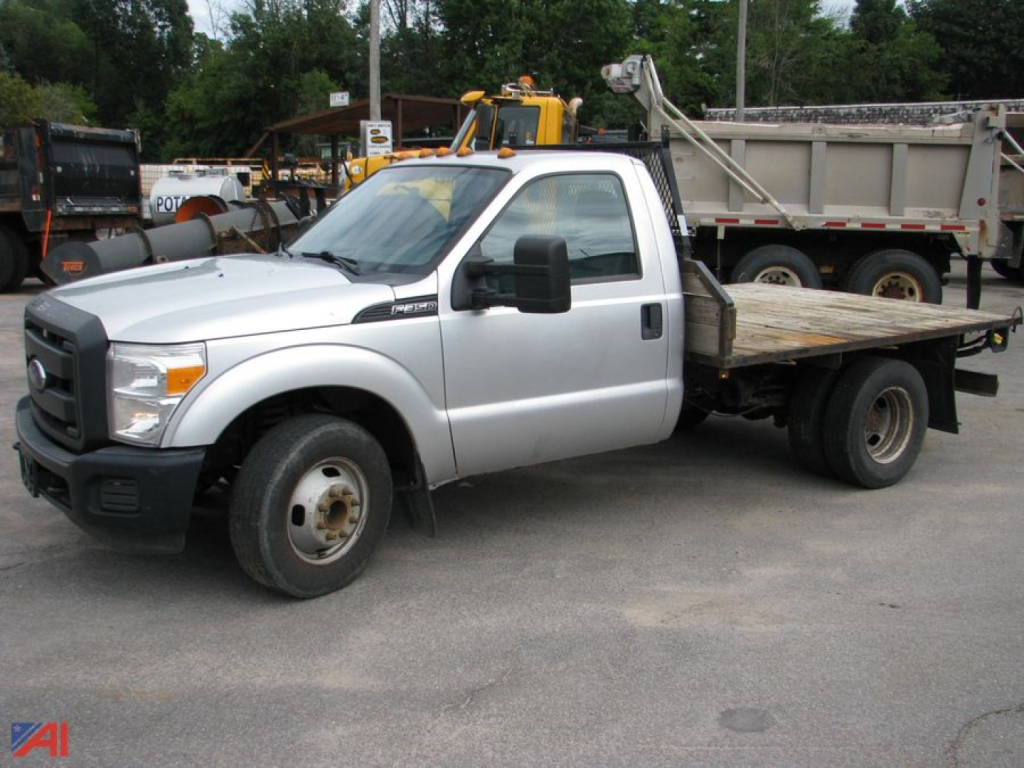
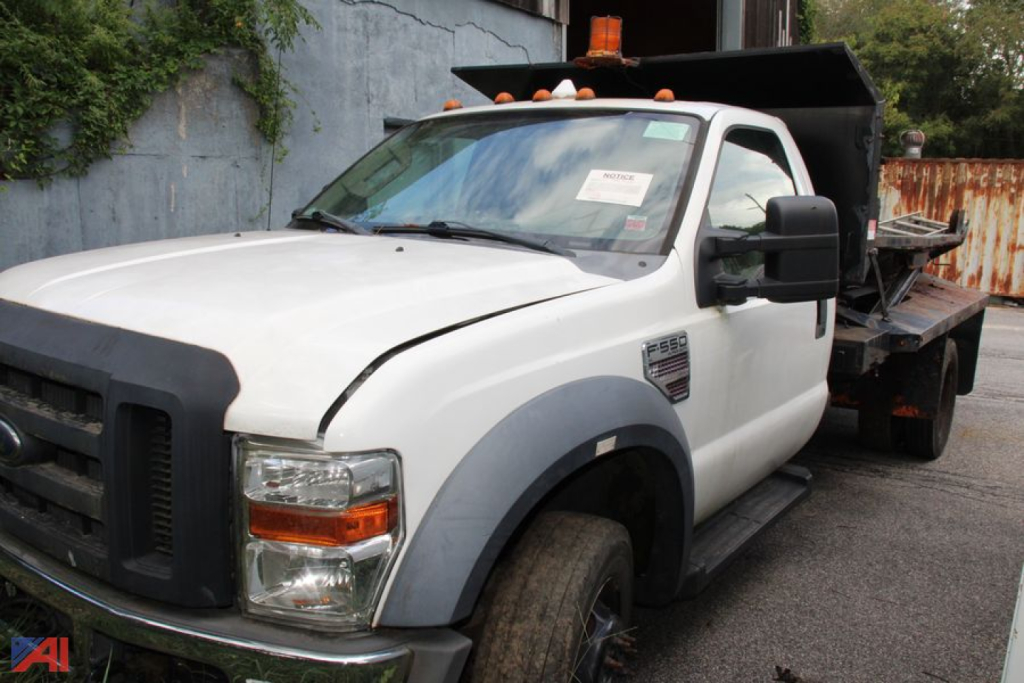
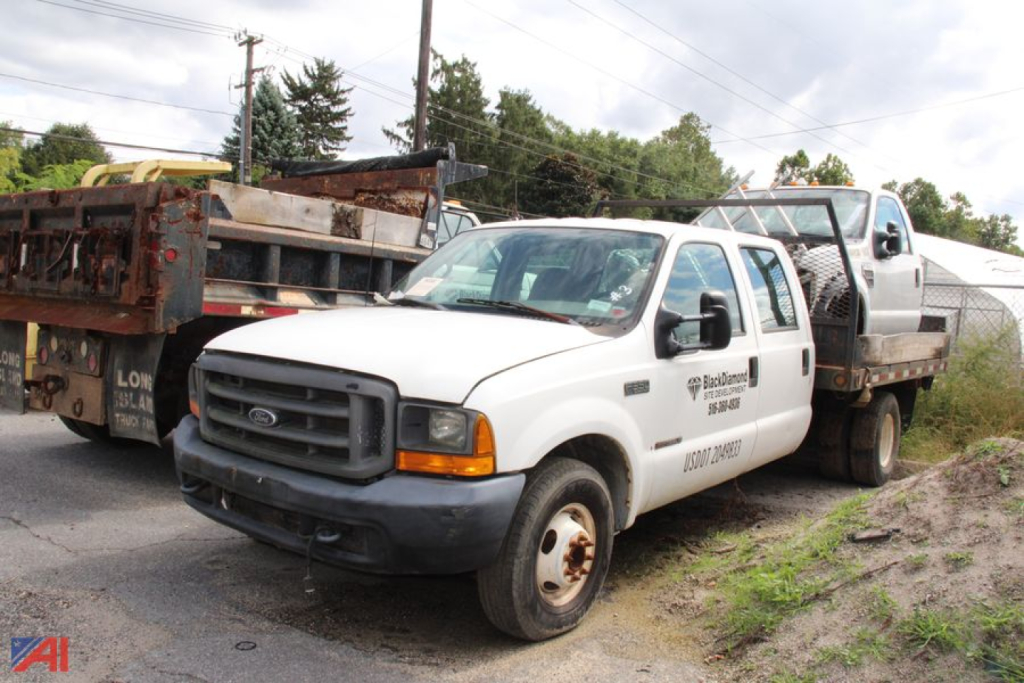
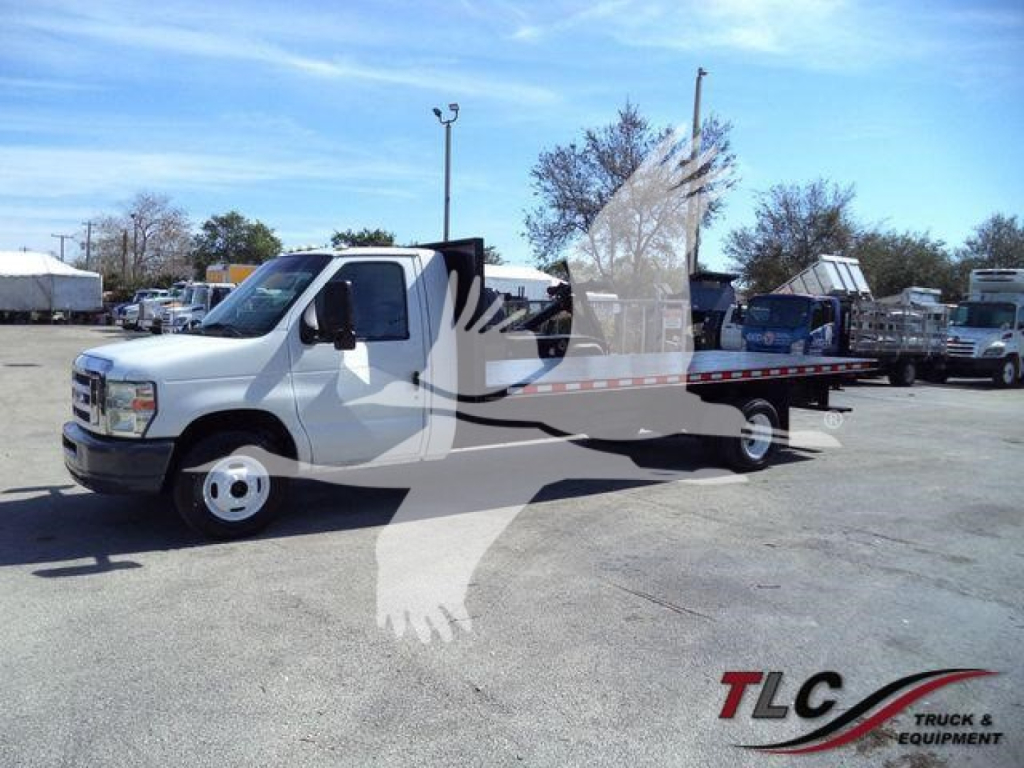
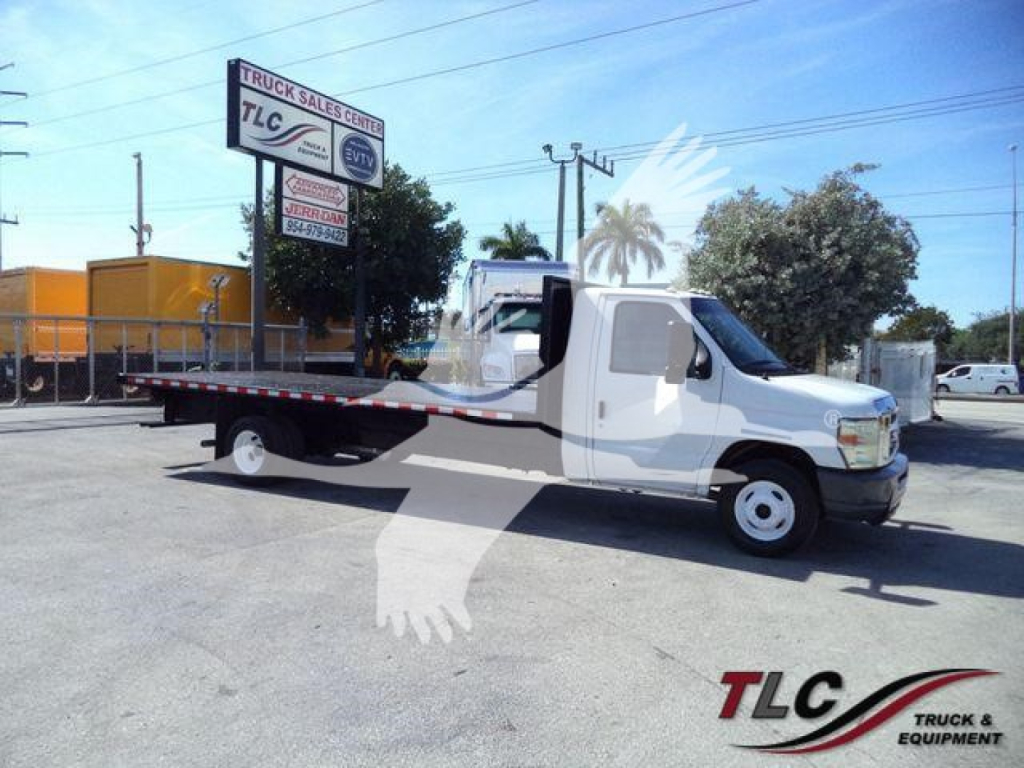
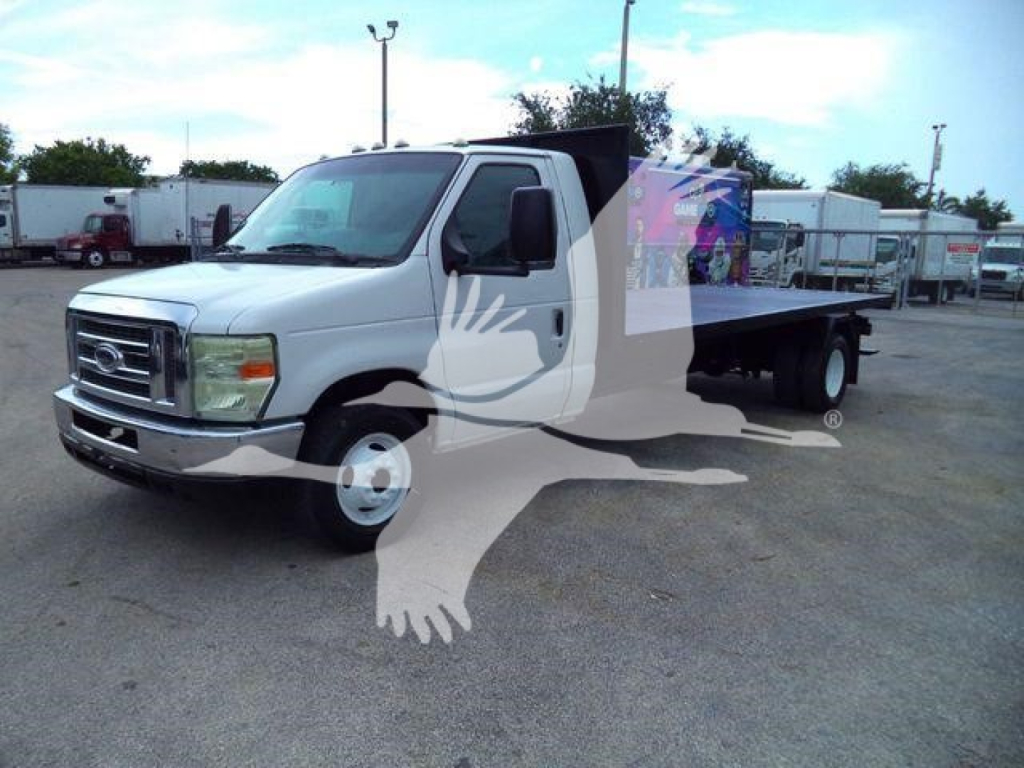
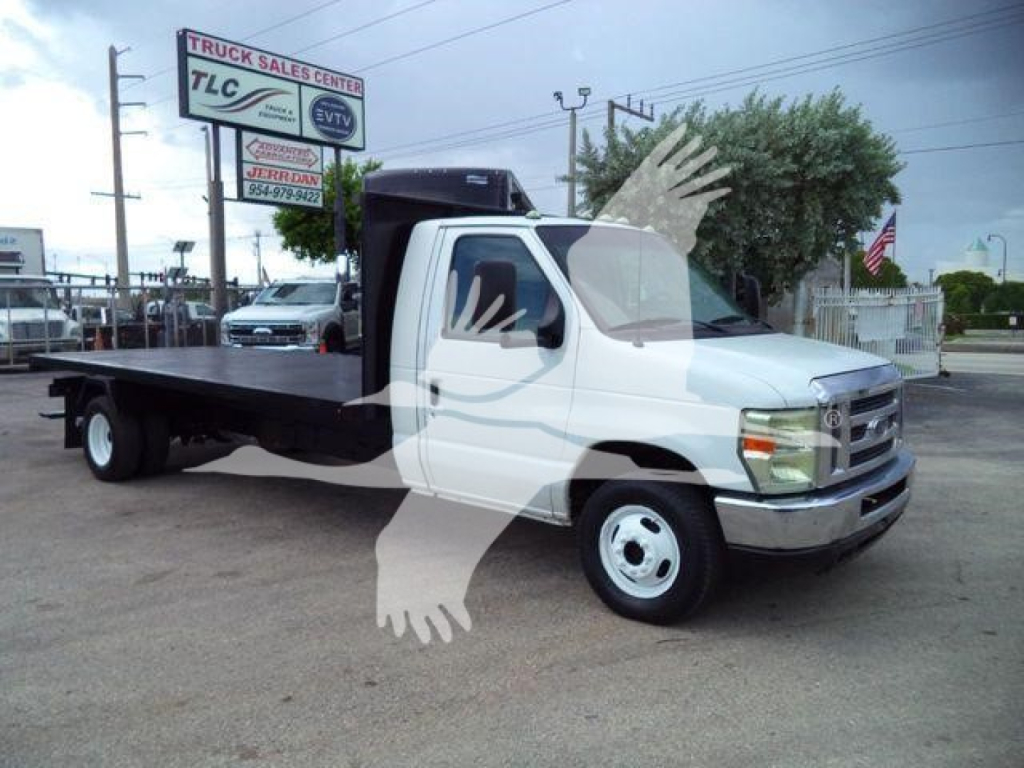
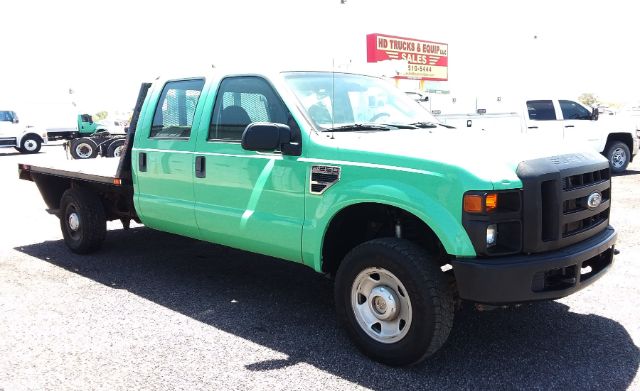
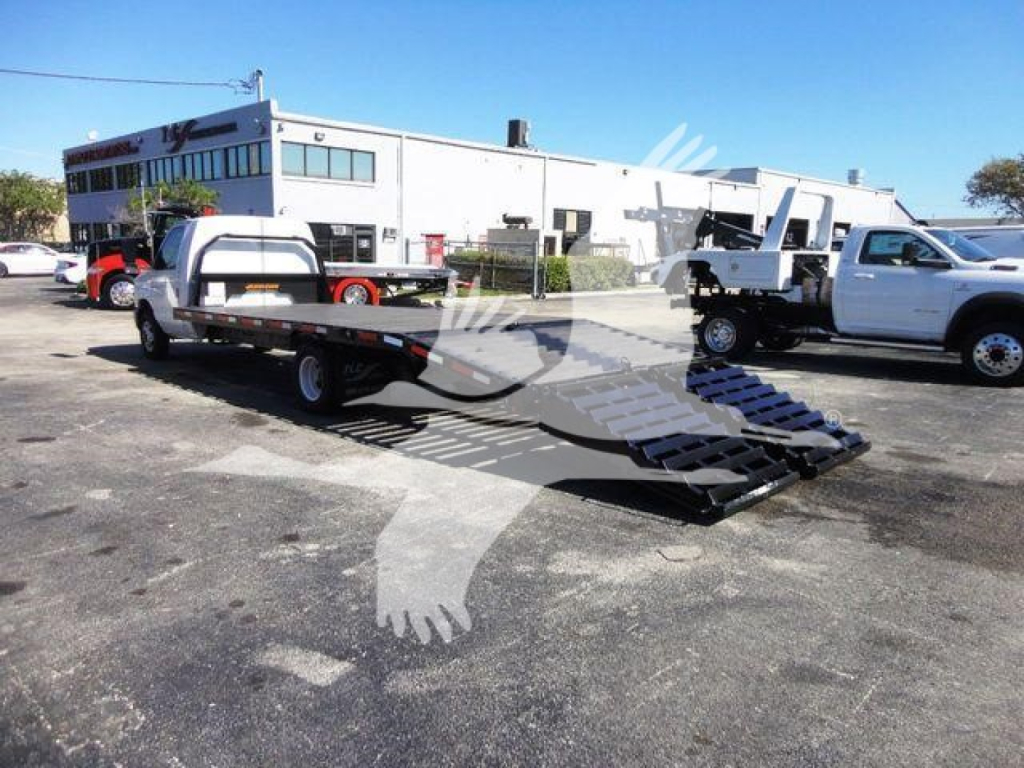
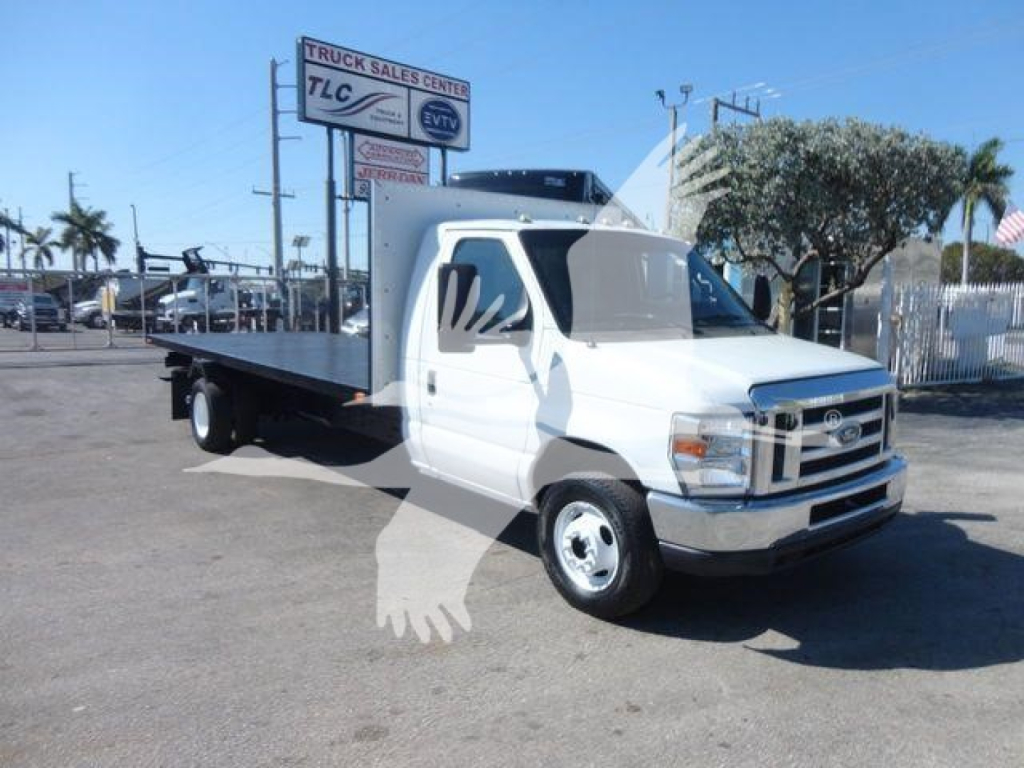
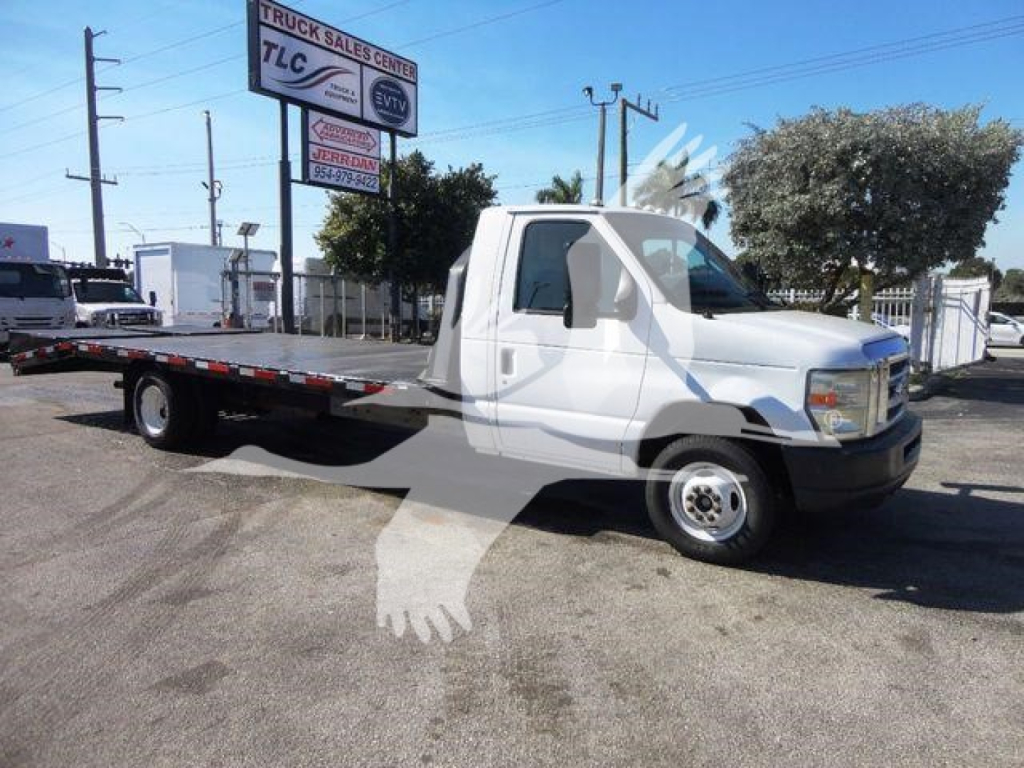

Selling a used ford flatbed truck? List your used ford flatbed truck for sale to reach thousands of commercial buyers.
Used Ford Flatbed Trucks
The first buying decision is usually chassis class and powertrain. Ford F-Series flatbeds are common in contractor, utility, landscape, and towing support fleets because they are easier to maneuver than larger cabovers or Class 6 trucks while still offering strong GVWR and body capacity. Used examples may be gas-powered, such as Ford V10 units, or diesel-powered, especially on Super Duty models with the 6.7L Power Stroke. Gas trucks can make sense for shorter routes and lighter annual mileage, while diesel trucks are often favored for higher torque, trailer work, and heavier day-to-day hauling. Buyers should look closely at automatic transmission condition, rear axle ratio, suspension setup, PTO provisions, and whether the truck is 4x2 or 4x4 if traction matters on jobsites or in winter service.
Body configuration matters as much as the cab and engine. Flatbed lengths in this category often run from about 12 feet on compact work trucks up to 18 feet or more on larger chassis, with some units set up with dovetails, spring-assisted ramps, stake pockets, rub rails, headboards, toolboxes, or underbody storage. Steel beds are popular for durability and concentrated loads, while aluminum bodies save weight and can improve usable payload. If the truck will carry equipment, pay attention to deck length, beavertail angle, ramp rating, and bed width between rub rails. If the truck will handle building materials or mixed freight, details like tie-down placement, bulkhead strength, and deck height can affect loading speed and driver safety every day.
On a used Ford flatbed, condition should be evaluated as a working system rather than just a cab and chassis. Check frame condition, bed mounting, crossmember rust, rear spring wear, brake life, steering play, tire age, and signs of overloading around the suspension and body. On diesel trucks, service history for the fuel system, emissions components, and cooling system is especially important. On gas units, ignition and transmission performance deserve extra attention. A well-matched Ford flatbed can be a practical solution for contractors, rental fleets, municipalities, farms, and service businesses that need open-deck versatility without stepping into a much larger straight truck.
Frequently Asked Questions about Used Ford Flatbed Trucks
What Ford models are most common as used flatbed trucks?
The most common used Ford flatbed trucks are the F-350, F-450, F-550, and E-450. F-350 models are often used for lighter contractor and delivery work, while F-450 and F-550 trucks are better suited for heavier payloads, trailers, and commercial upfits. E-450 flatbeds are less common but can be a good fit for specific body configurations and local hauling applications. The right choice depends on GVWR, bed length, axle rating, and how the truck will be loaded day to day.
Is a gas or diesel Ford flatbed better for commercial use?
A gas Ford flatbed can be a good choice for lower annual mileage, shorter routes, and fleets that want simpler maintenance and lower upfront cost. Diesel Ford flatbeds, especially Super Duty models, are usually preferred for heavier hauling, frequent towing, and higher torque demands. Buyers should compare operating hours, maintenance records, typical payload, and route profile rather than choosing based on fuel type alone. A diesel only pays off when the workload justifies it.
What should I inspect on a used Ford flatbed truck?
Focus on the truck's structural condition and how well the body matches the intended job. Inspect the frame, bed mounts, deck surface, crossmembers, headboard, ramps if equipped, and any rust around the rear suspension area. Check transmission shift quality, brake condition, steering response, tire wear, and signs of chronic overloading. If the truck has a PTO, hook lift, hoist, or auxiliary lighting, verify that all equipment operates correctly. Service records are especially valuable on diesel units and higher-mileage fleet trucks.
What bed features are most important on a flatbed truck?
The most important bed features depend on cargo type. For equipment hauling, buyers usually prioritize bed length, deck material, dovetail design, ramp capacity, and tie-down points. For building materials or pallet freight, stake pockets, rub rails, bulkhead design, and forklift side access matter more. Underbody boxes, headache racks, and deck height also affect daily usability. A strong body specification can make a mid-range chassis far more productive than a heavier truck with the wrong deck setup.
Can a Ford flatbed be used for more than one type of work?
Yes. One of the main strengths of a Ford flatbed truck is versatility. The same truck may be used for pallet delivery, jobsite supply runs, light equipment transport, municipal maintenance, farm support, or towing-related work depending on the bed design and chassis rating. Buyers should still match the truck to the heaviest and most frequent task, because a flexible platform only performs well when the payload capacity, wheelbase, and body equipment are correctly sized for the application.