
Used Ford Flatbed Trucks For Sale in Florida
Browse used Ford flatbed trucks in Florida, including E-Series chassis with steel beds, ramp options, and medium-duty hauling capability.
Selling a used ford flatbed truck? List your used ford flatbed truck for sale and reach thousands of commercial buyers.
Used Ford Flatbed Trucks in Florida
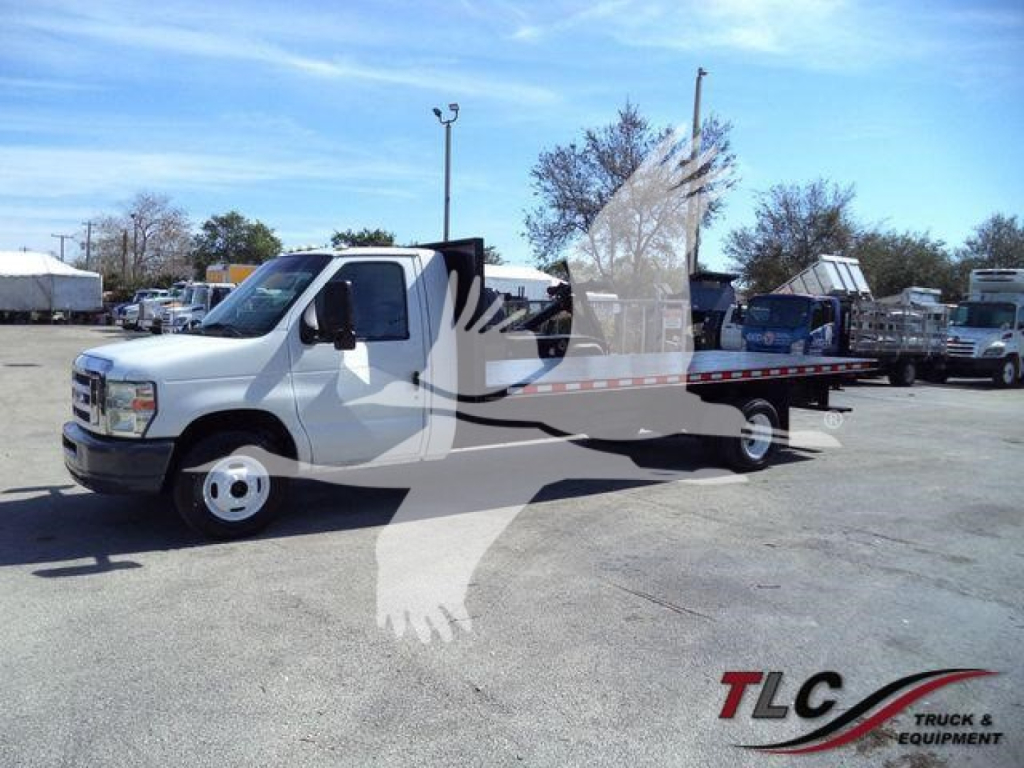
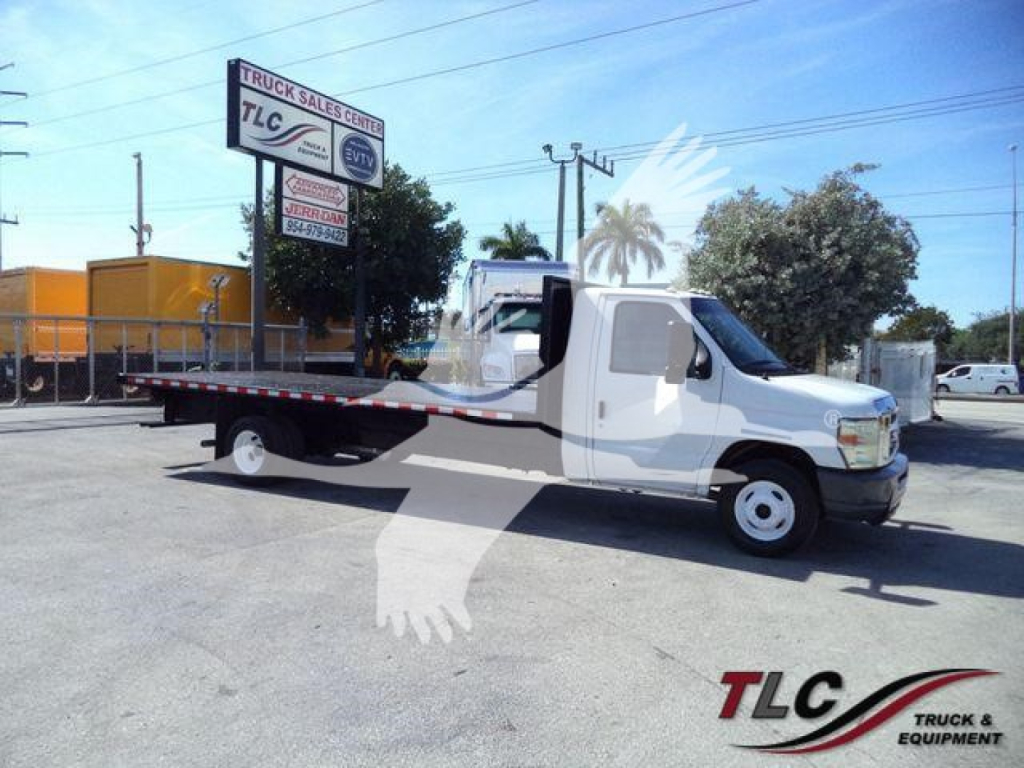
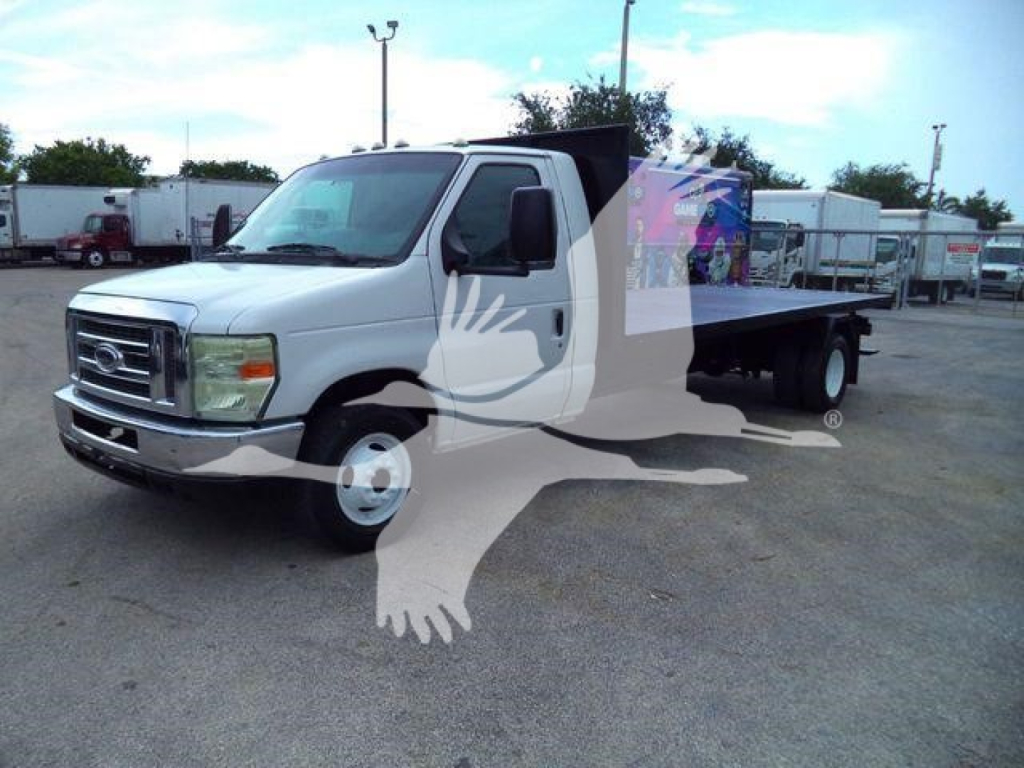
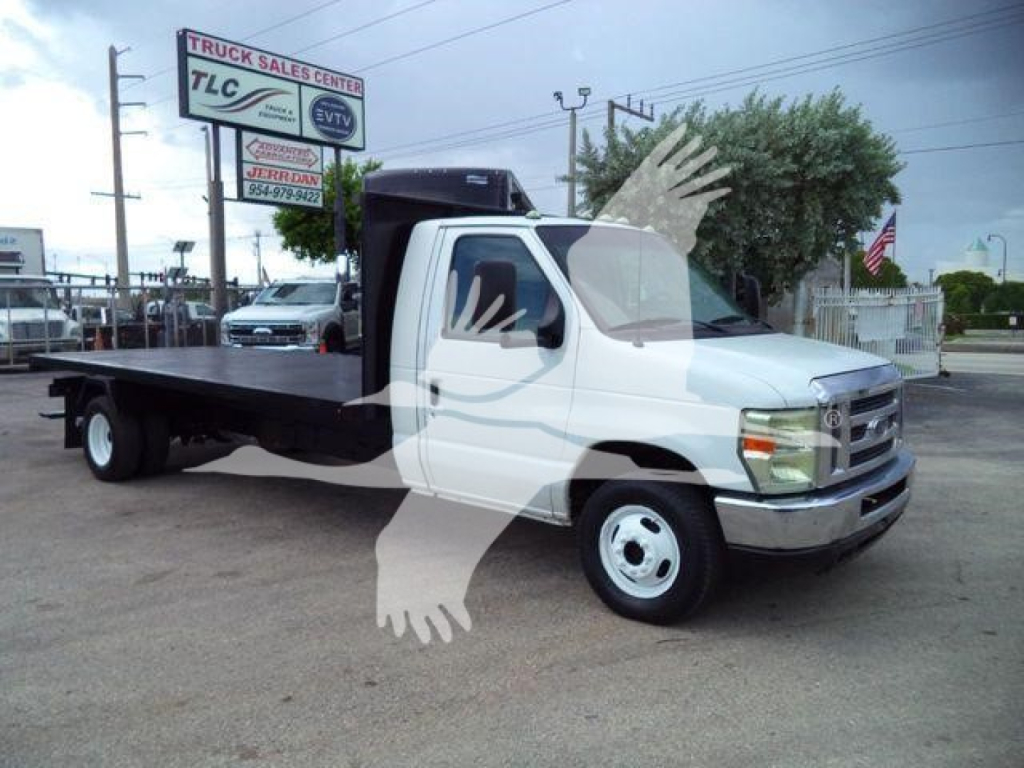
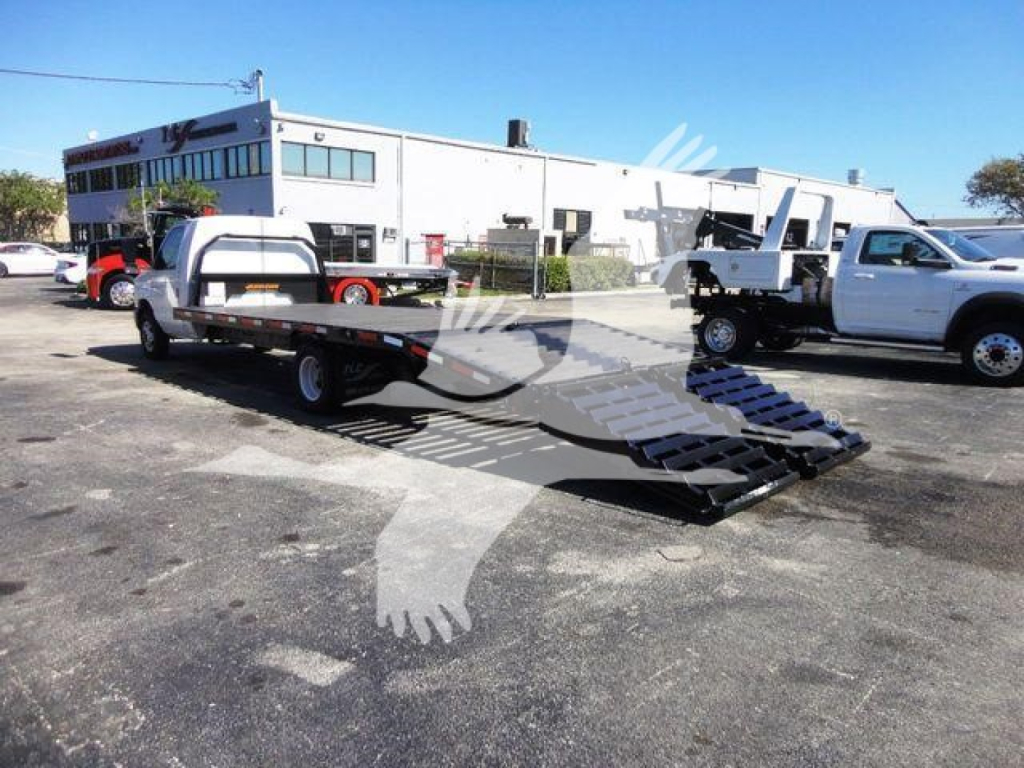
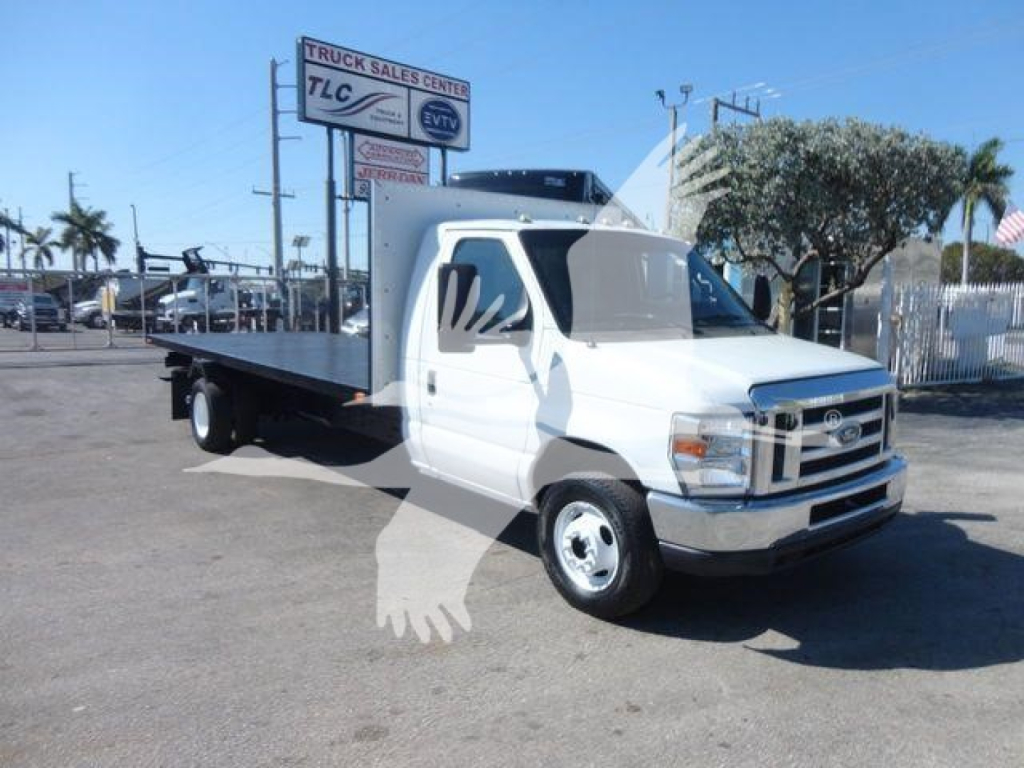
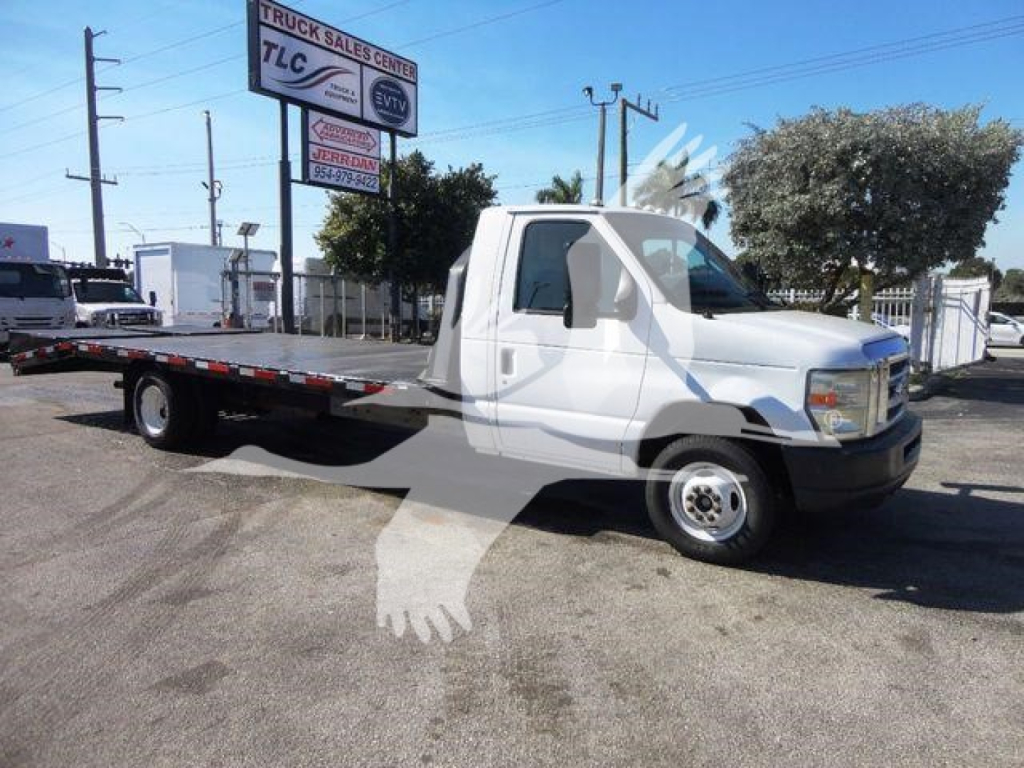
One of the first buying decisions is chassis and GVWR. Ford E-Series and Super Duty flatbed setups often appear in the 14,000 to 19,500 GVWR range, with bed lengths commonly around 9 to 12 feet on pickup-based bodies and 16 to 21 feet on cab chassis builds. On used Ford E450 flatbeds, buyers will often see steel beds, headache racks or headboards, stake pockets, rub rails, and diamond plate decking. Some units are set up as simple cargo flats, while others use a beavertail with spring-assisted fold-down ramps to load skid steers, compact tractors, lifts, or other wheeled equipment. That style can overlap with what many buyers think of as a small equipment hauler.
Powertrain and body condition matter more than badge familiarity on a used flatbed. On older Ford E450 models, the 6.8L Triton V10 gas engine is common, usually paired with an automatic transmission. That combination is well known for simple fleet use, but buyers should still confirm service history, cooling system condition, front end wear, brake life, and how the truck performs under load. On the body side, inspect crossmembers, deck surface, ramp hinges, beavertail transitions, tie-down points, and the headboard area for repairs or corrosion. In a Florida truck, sun exposure, surface rust on unfinished steel, and electrical condition around lights and trailer plugs deserve a close look even when the chassis itself presents cleanly.
The right used Ford flatbed depends on what you haul every day. A straight flat deck works well for palletized materials, pipe, lumber, and jobsite deliveries that need side access. A longer steel bed with stake pockets gives more flexibility for securing mixed cargo. A beavertail and ramp package makes more sense if the truck will regularly carry mowers, scissor lifts, or compact equipment. Buyers should match bed length, deck capacity, rear axle rating, and hitch setup to the actual payload instead of shopping by price alone. On this category, the best value usually comes from a truck with a solid chassis, a straight bed, and a body configuration that fits the work without immediate modification.
Frequently Asked Questions about Used Ford Flatbed Trucks in Florida
What are used Ford flatbed trucks typically used for?
Used Ford flatbed trucks are commonly used for building materials, palletized freight, landscaping supplies, maintenance equipment, and small machinery. On E-Series and cab chassis models, they are often configured for local and regional work where easy deck access and fast loading matter more than enclosed storage. Units equipped with a beavertail and ramps are also popular for hauling skid steers, compact tractors, and aerial lifts.
What should I inspect on a used Ford flatbed truck before buying?
Focus on both the chassis and the bed. Check engine performance, transmission operation, brake condition, steering play, suspension wear, tire condition, and signs of overloading. On the flatbed itself, inspect the deck surface, crossmembers, rub rails, stake pockets, tie-down points, headboard, ramp hardware, and any weld repairs. If the truck is in Florida, pay extra attention to sun-related wear, wiring condition, and corrosion on exposed steel components.
Is a Ford E450 a good choice for a flatbed truck?
A Ford E450 is a common choice for light to medium-duty flatbed work because it offers a durable cutaway chassis, manageable size, and enough GVWR for many commercial applications. Many used examples have gas V10 engines and automatic transmissions, which can be a good fit for fleets that want simpler service and lower acquisition cost than heavier diesel trucks. The best fit depends on payload, deck length, and how often the truck will carry equipment versus general cargo.
What bed features matter most on a used Ford flatbed?
The most important bed features depend on the job, but buyers usually prioritize bed length, deck material, tie-down options, and loading method. Steel beds are common for durability, while diamond plate decks, stake pockets, rub rails, and a strong headboard add utility and cargo security. For equipment hauling, a beavertail with fold-down ramps is often more important than total deck length because it improves loading angle and everyday usability.
Are gas-powered Ford flatbed trucks practical for commercial use?
Yes, gas-powered Ford flatbed trucks can be very practical in commercial service, especially for local routes, municipal work, and contractor use. Engines like the Ford 6.8L V10 are widely recognized for straightforward operation and can make sense when the truck does not spend most of its time at maximum weight or on long highway runs. Buyers should compare expected payload, annual mileage, and service costs before choosing between a gas flatbed and a heavier diesel platform.