
Ford Flatbed Trucks For Sale
Shop Ford flatbed trucks for hauling, construction, utility, and delivery work. Compare bed sizes, GVWR, cab styles, gas or diesel power.
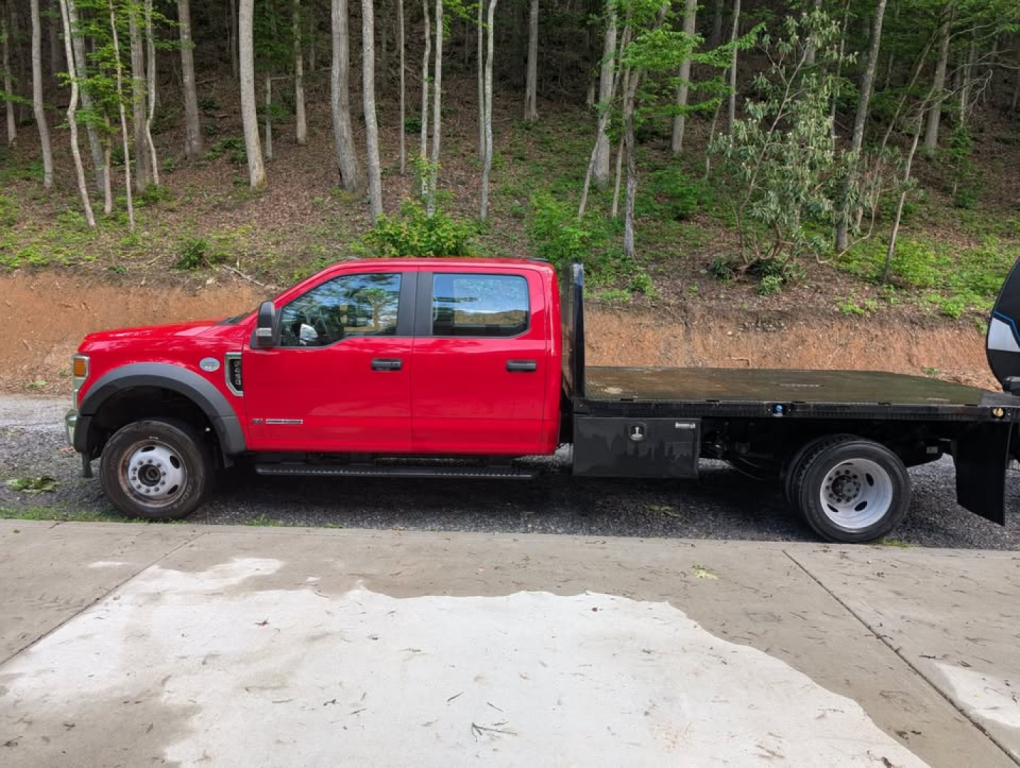
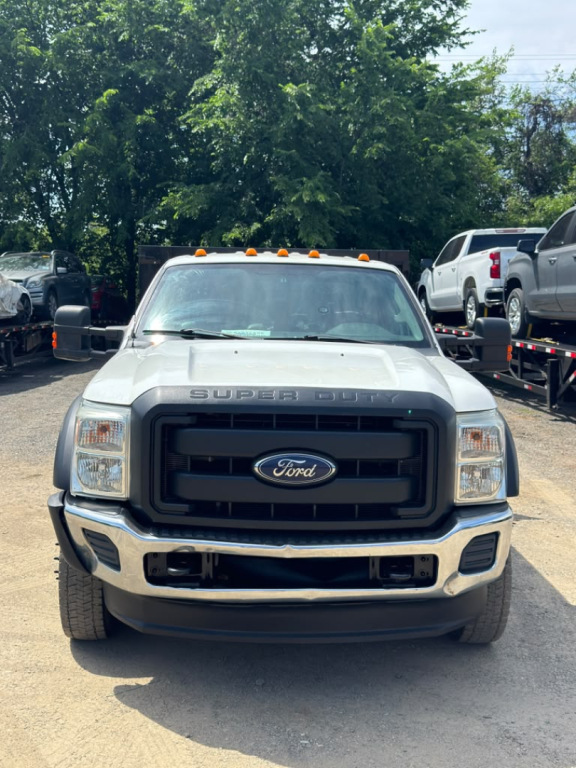
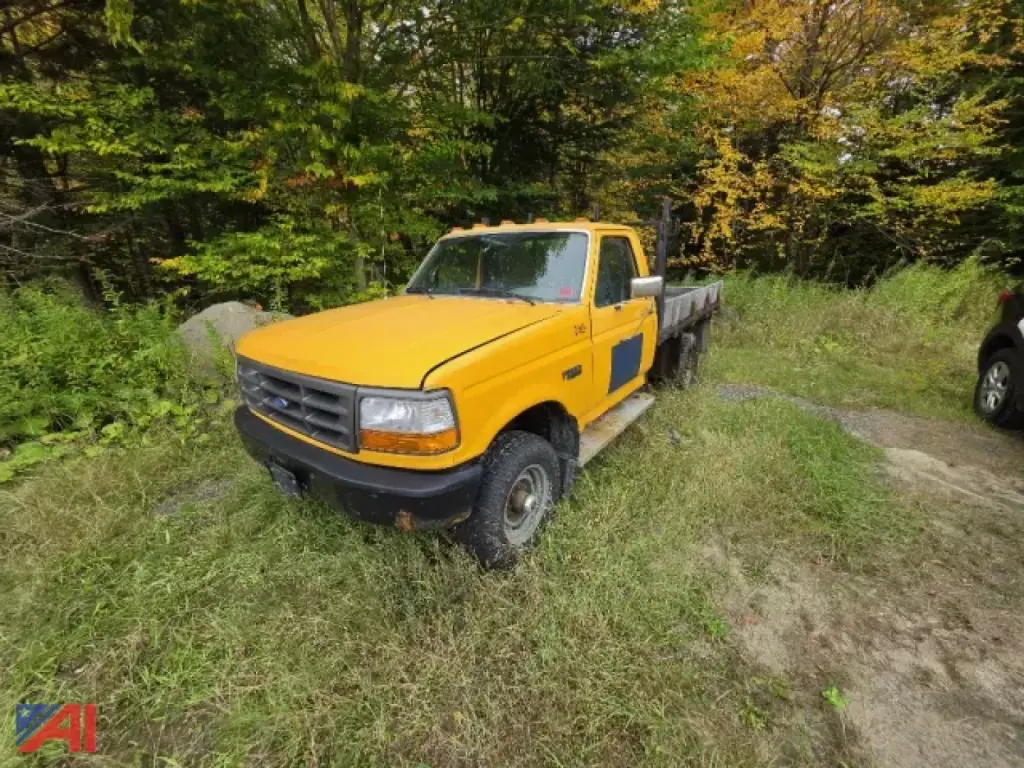
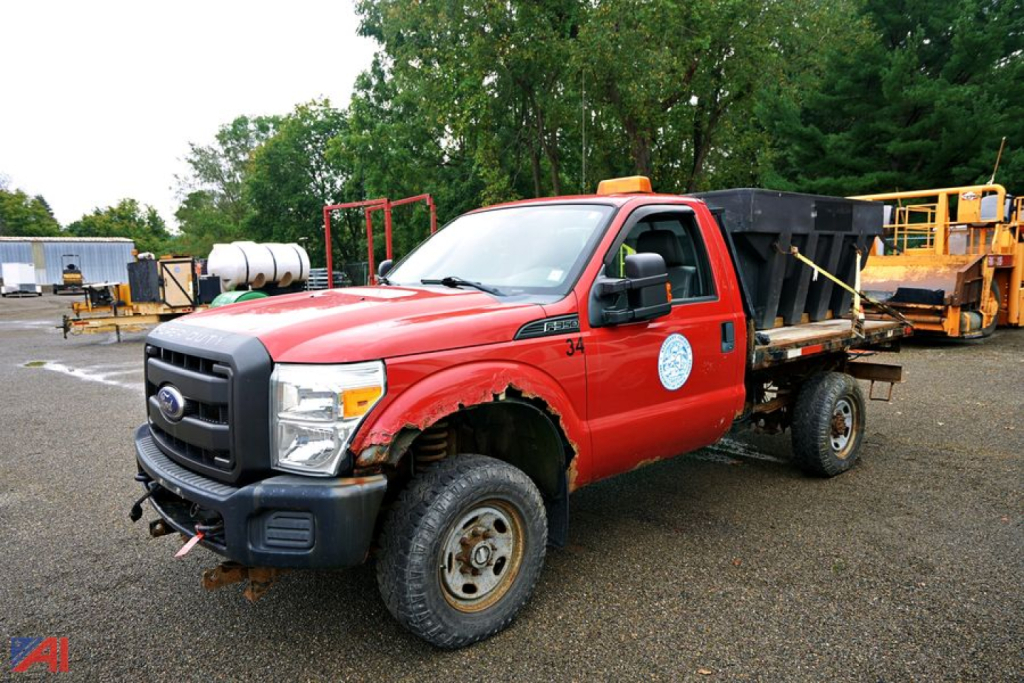
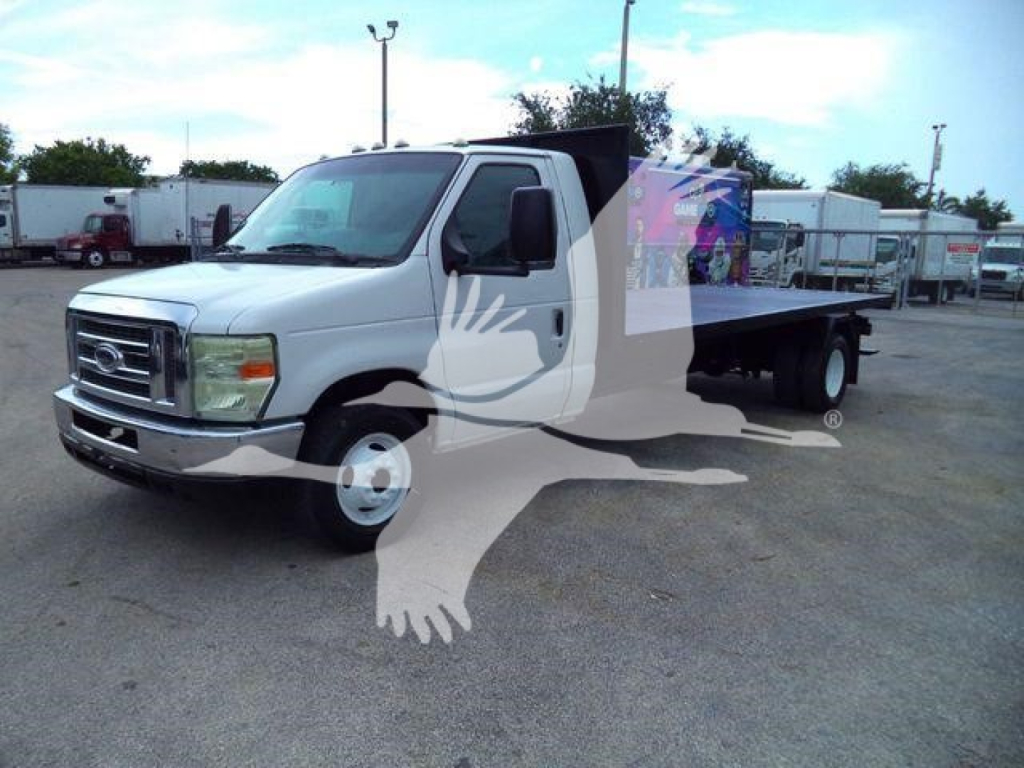
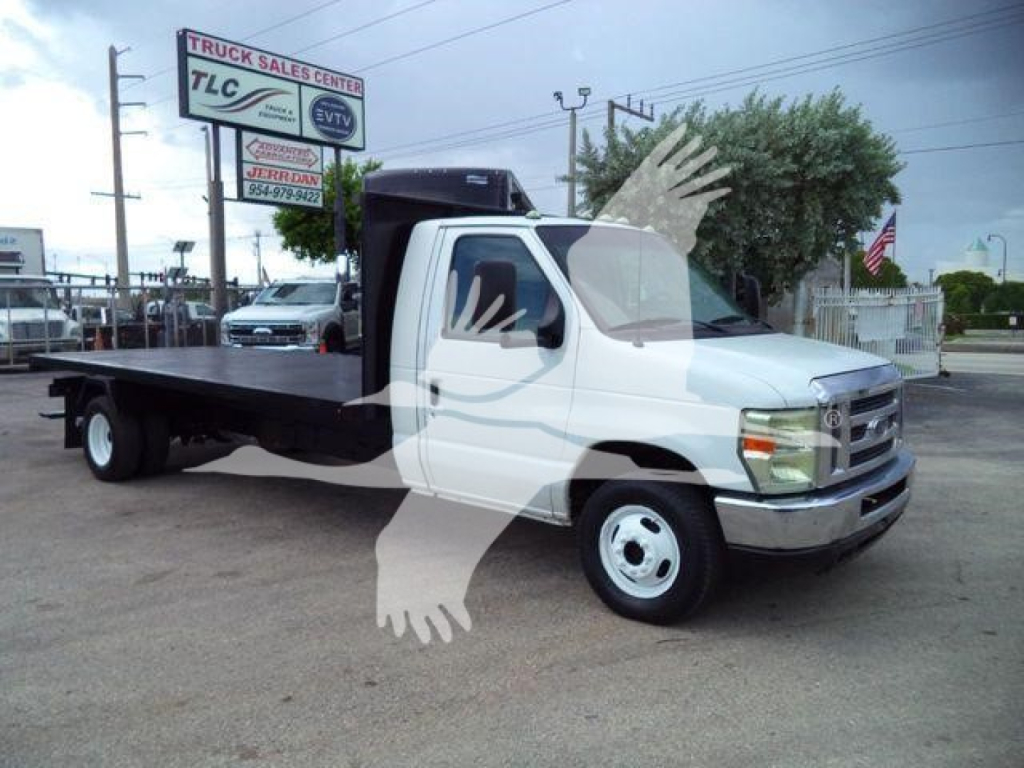
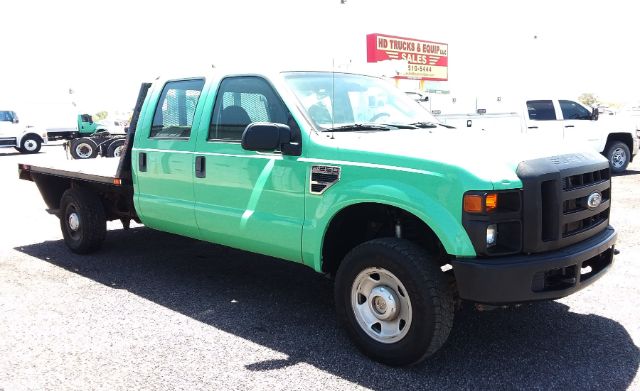
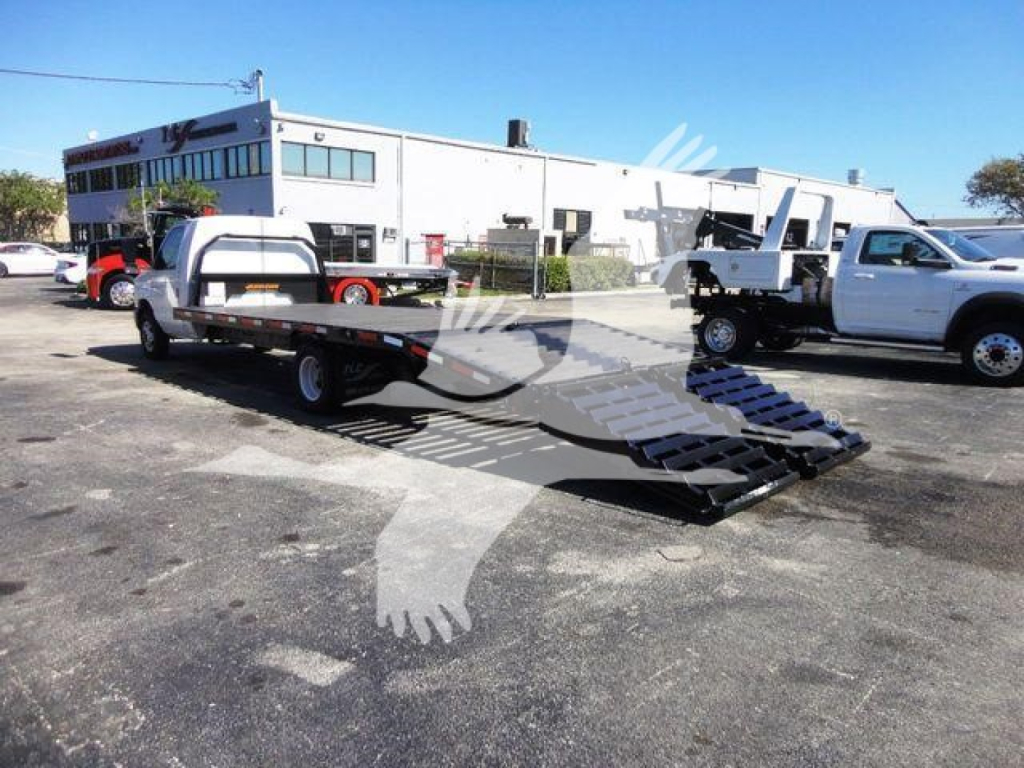
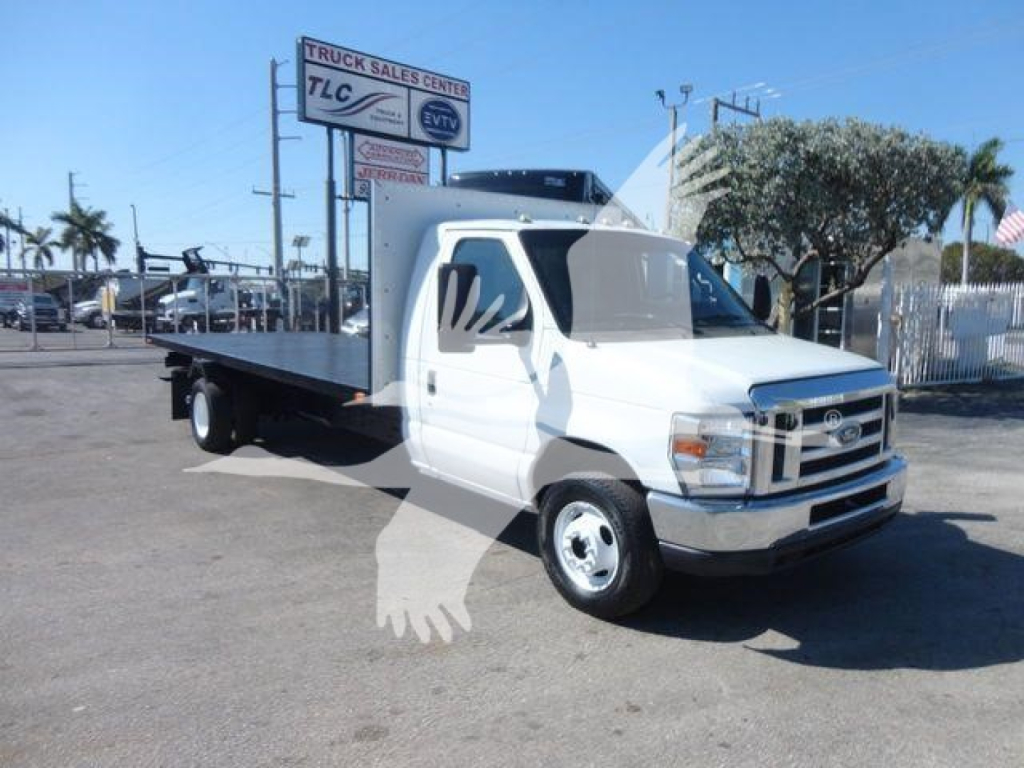
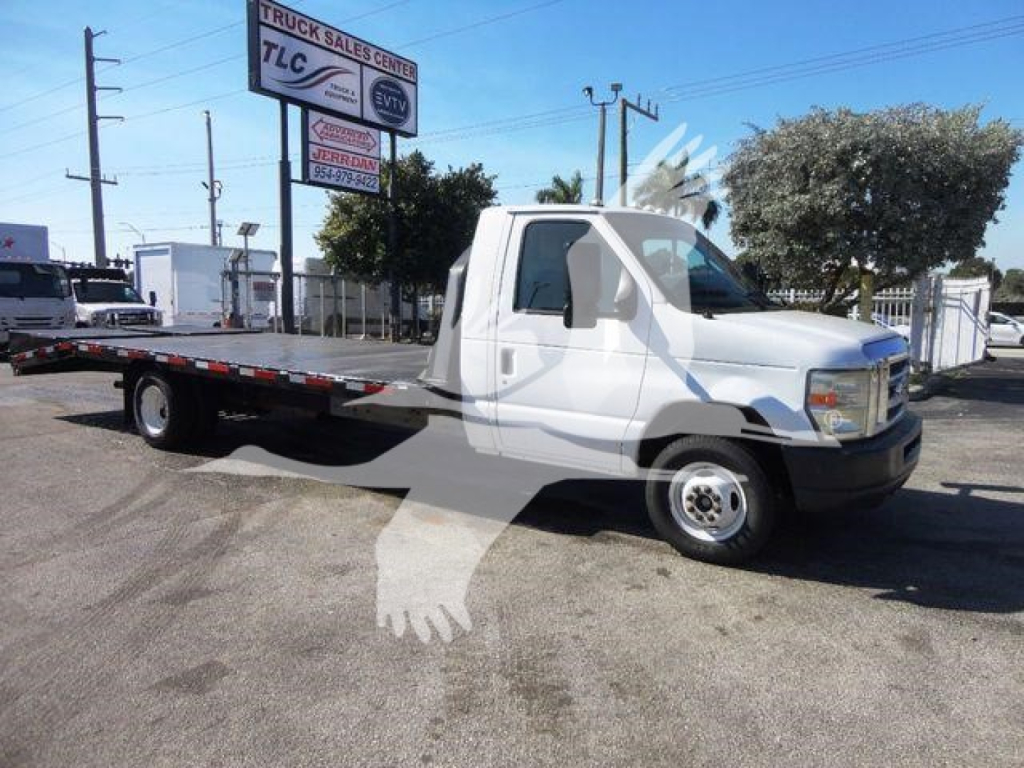

Selling a ford flatbed truck? List your ford flatbed truck for sale and reach thousands of commercial buyers.
Ford Flatbed Trucks
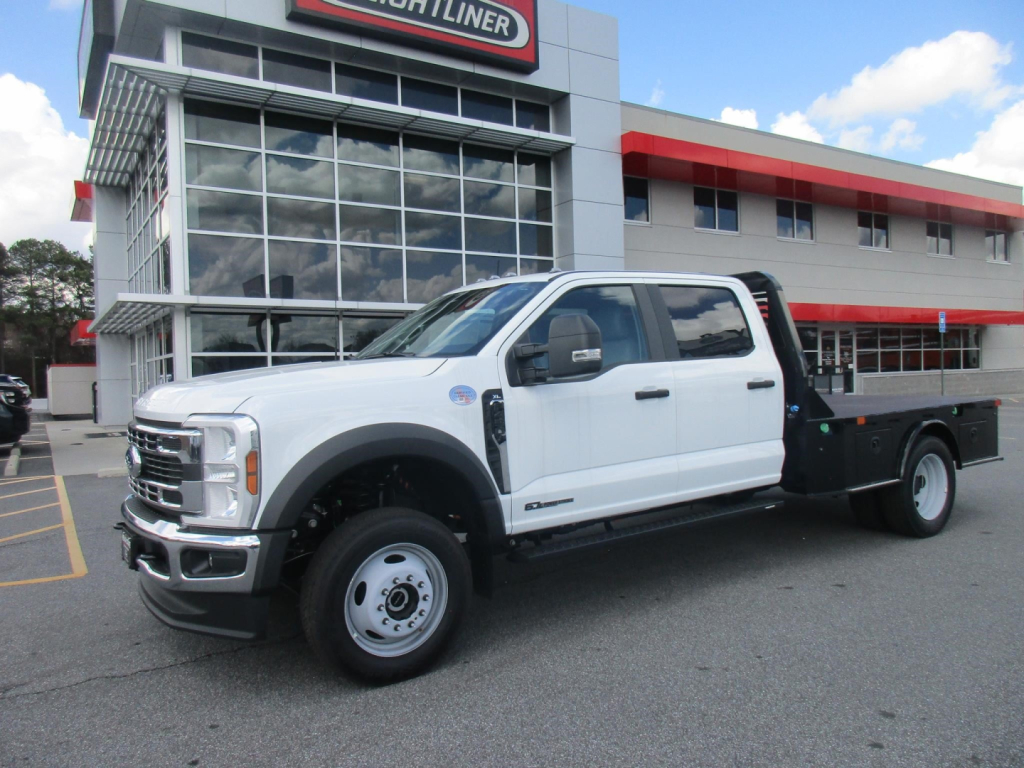
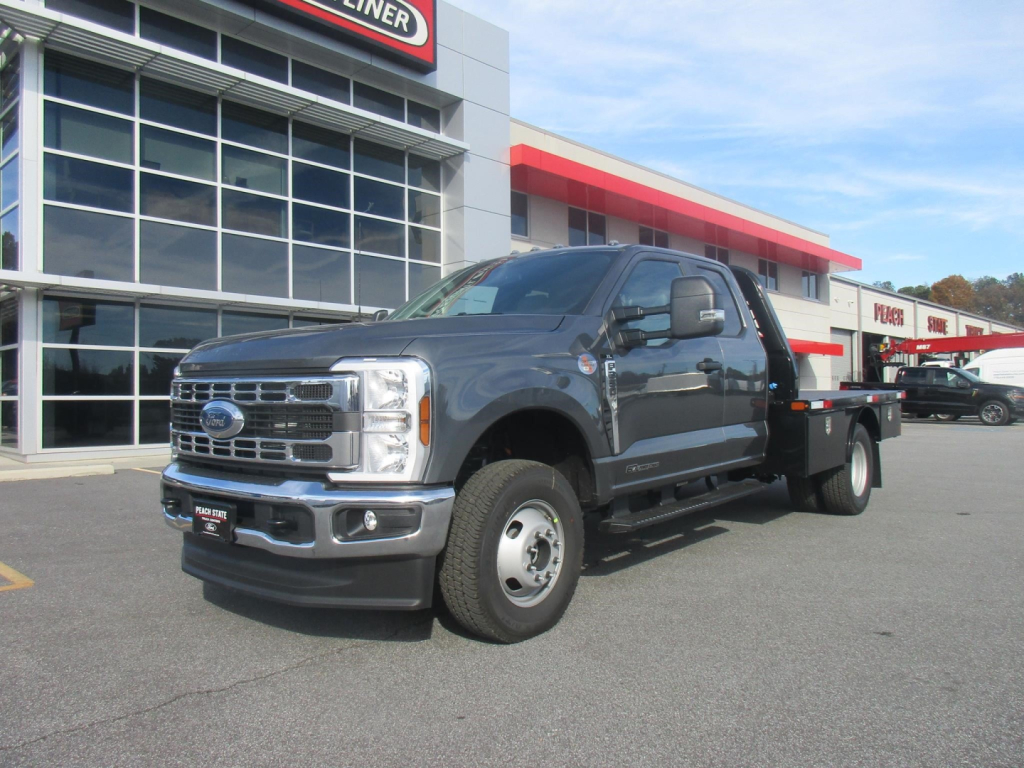
The first buying decision is usually capacity. Many Ford flatbed trucks in this segment run as single-axle 4x2 or 4x4 units with GVWR ratings that fit Class 3 through Class 5 applications. Bed lengths commonly fall in the 10-foot to 18-foot range, with steel and aluminum platforms both widely used. Steel beds generally cost less up front and hold up well in severe-duty service, while aluminum helps reduce curb weight and preserve payload. Buyers should look closely at deck width, rub rail design, stake pockets, tie-down placement, headboard construction, and floor material such as smooth steel, treadplate, or wood. On trucks used around forklifts, scuffed decks, bent rails, and cracked welds can tell you a lot about past service.
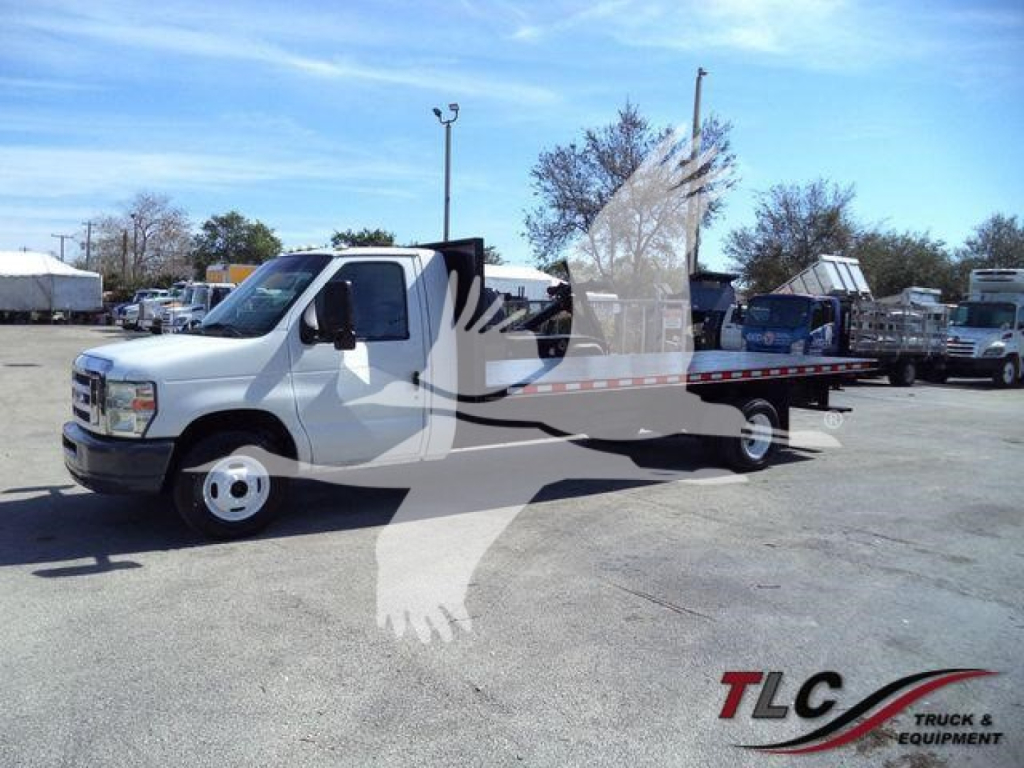
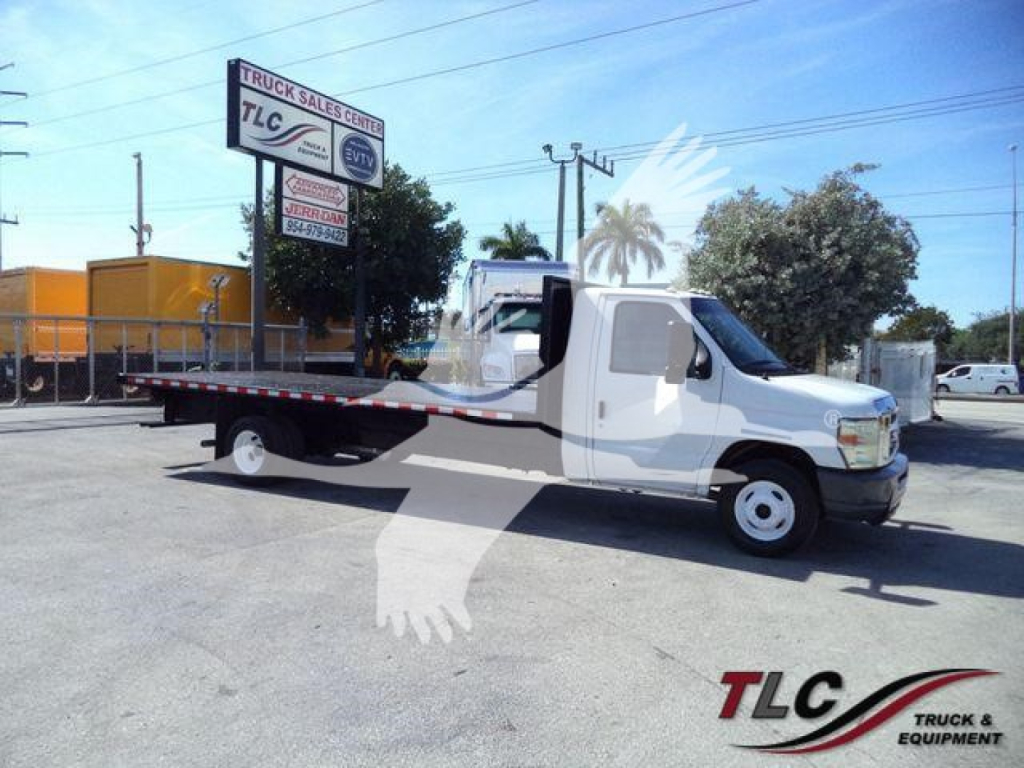
Powertrain choice depends on route type and payload. Gas-powered Ford flatbeds, including V10-equipped E-450 models and gasoline Super Duty configurations, can be a solid fit for shorter routes, lower annual miles, and fleets that want simpler maintenance. Diesel-powered F-450 and F-550 trucks are more common where towing, heavier payloads, PTO operation, or sustained highway use are part of the job. Transmission type, rear axle ratio, suspension, and wheelbase all affect how the truck will carry a load and how well the bed length matches the chassis. A regular cab may maximize bed space in a compact footprint, while extended cab and crew cab layouts add passenger capacity for field crews but reduce available platform length on a given wheelbase.
Upfit details often matter as much as the truck itself. Some Ford flatbed trucks are straightforward platform bodies, while others include gooseneck hitches, receiver hitches, underbody toolboxes, liftgates, removable sides, or PTO-driven hook lift systems. For buyers in snowbelt or utility applications, 4x4, spring suspension condition, frame corrosion, and electrical integrity around work lights or strobes deserve extra attention. A good category comparison should focus on real working specs: GVWR, payload, bed dimensions, cab style, fuel type, hitch setup, and the condition of the flatbed structure. Those factors will tell you more about a Ford flatbed truck's value than model year alone.
Frequently Asked Questions about Ford Flatbed Trucks
What Ford models are most common as flatbed trucks?
Ford flatbed trucks are commonly built on E-Series cutaway chassis such as the E-450 and on Super Duty chassis-cab models such as the F-450 and F-550. The E-450 is often used for lighter commercial hauling with a platform body, while the F-450 and F-550 are more common when higher GVWR, diesel power, 4x4 capability, or towing capacity are required. The best fit depends on payload, bed length, and how much jobsite or highway use the truck will see.
Is a gas or diesel Ford flatbed truck better for commercial use?
A gasoline Ford flatbed truck can make sense for local routes, lower annual mileage, and operations that want lower initial cost and simpler service. A diesel Ford flatbed truck is usually the better choice for heavier loads, towing, PTO-powered equipment, and frequent highway use where torque and fuel efficiency under load matter more. Buyers should compare not just engine type, but also axle ratio, transmission, and actual payload requirements.
What bed size should I look for on a Ford flatbed truck?
Common Ford flatbed bed lengths range from about 10 feet to 18 feet, with 12-foot and 16-foot platforms frequently seen in contractor and municipal service. The correct size depends on the cargo footprint, weight distribution, and the turning radius you can live with. A longer bed adds deck space, but it also affects wheelbase, maneuverability, and sometimes payload if the upfit adds weight.
What should I inspect on a used Ford flatbed truck?
Focus on the flatbed structure first, including crossmembers, deck surface, headboard, rub rails, stake pockets, tie-downs, and any visible cracking, corrosion, or poor repairs. Then inspect the chassis for frame rust, suspension wear, brake condition, tire wear, PTO operation if equipped, and signs of overload use. On work trucks, cosmetic wear is common, but damage around the bed mounts, hitch area, or wiring for lights and auxiliary equipment can point to more serious operating issues.
Are Ford flatbed trucks good for towing as well as hauling?
Yes, many Ford flatbed trucks are used for both hauling and towing, especially F-450 and F-550 chassis-cab models equipped with diesel engines and the right hitch setup. A flatbed can carry tools, materials, or palletized freight while still supporting bumper-pull, pintle, or gooseneck trailer use. The key is verifying GCWR, hitch rating, rear axle capacity, and brake setup so the truck matches the combined trailer and payload demand.