
Ford Flatbed Trucks For Sale in Georgia
Shop Ford flatbed trucks in Georgia. Compare F-350, F-450, and F-550 models with diesel power, platform bodies, towing setups, and work-ready specs.
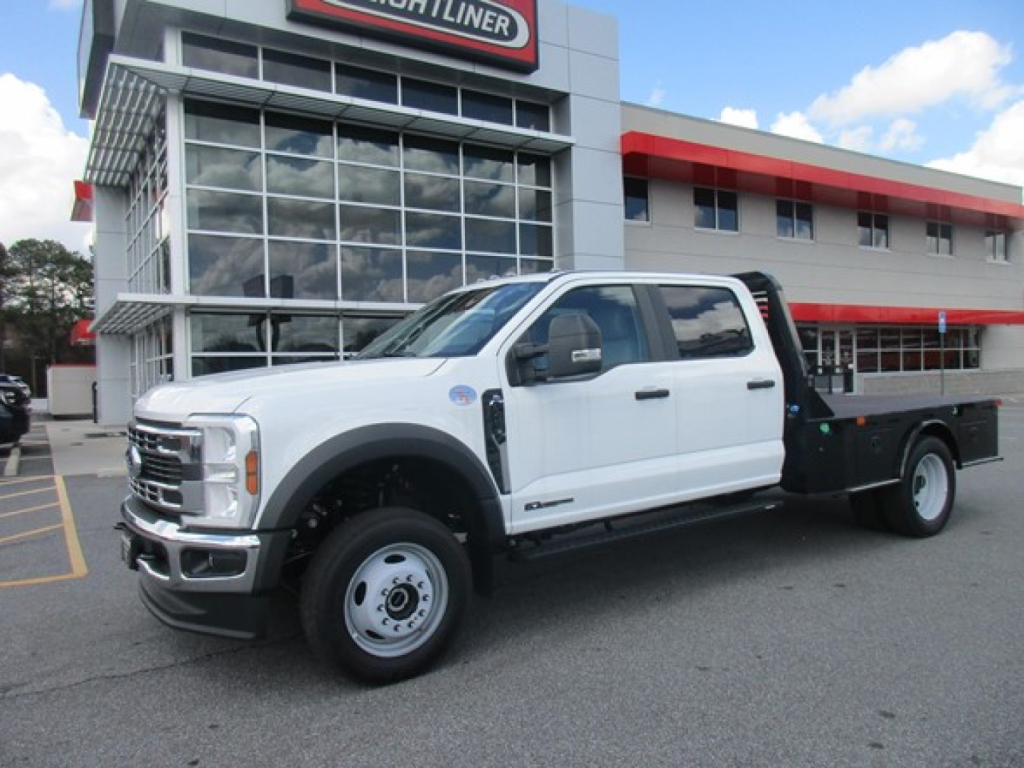
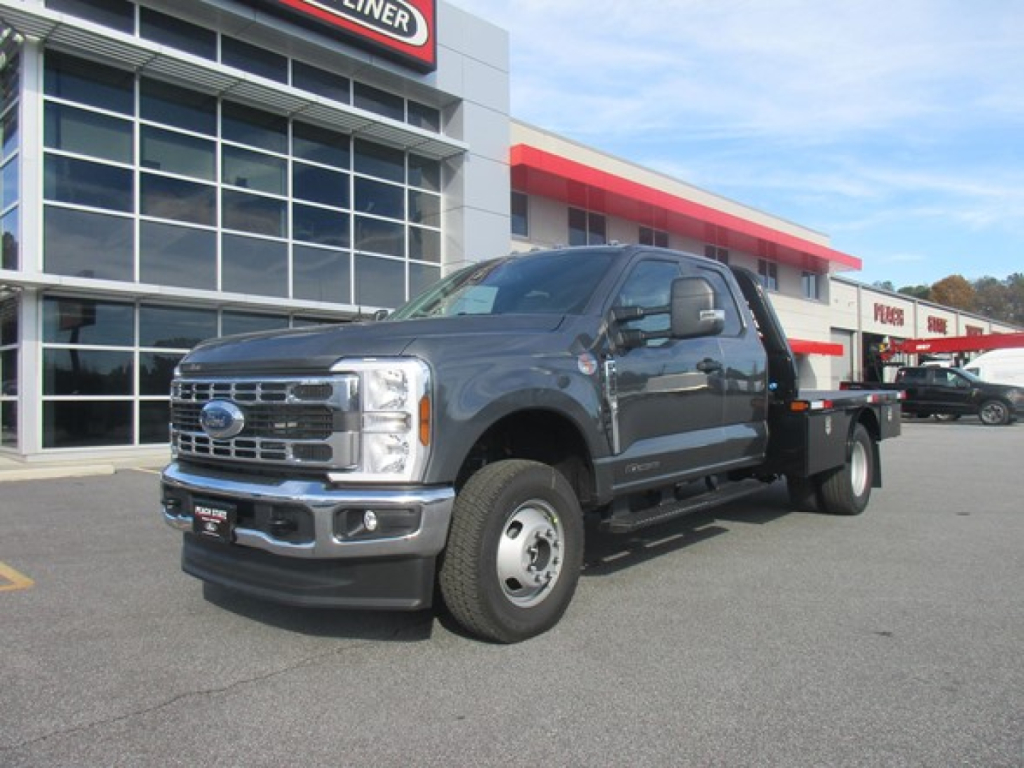
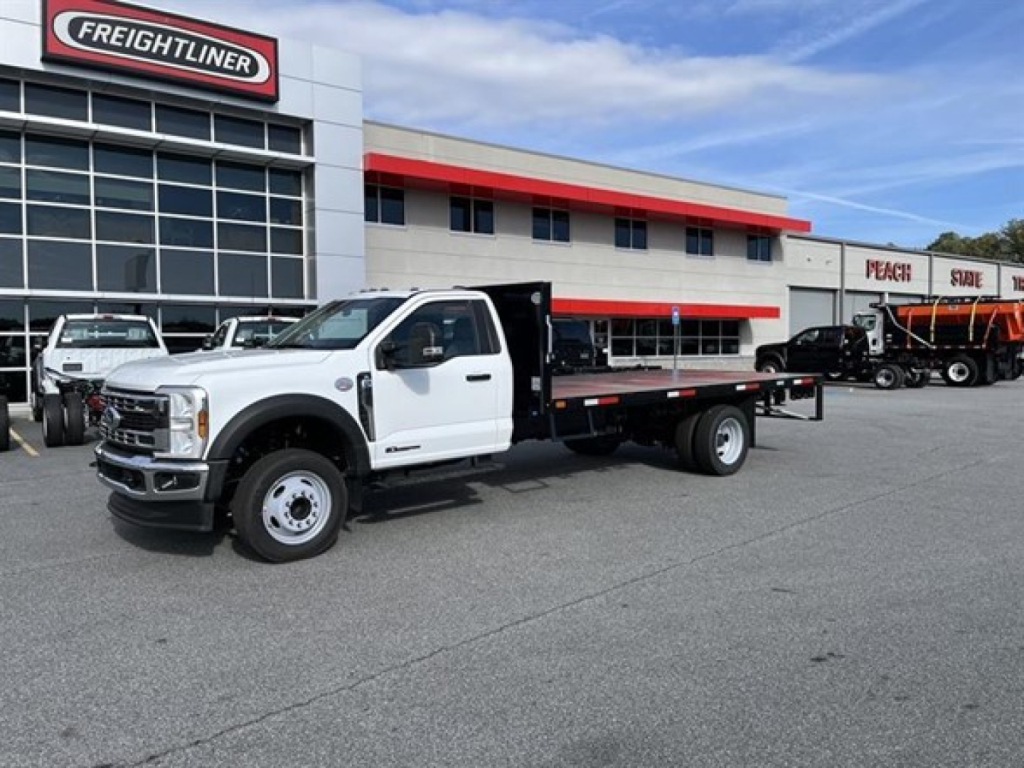
Have ford flatbed truck to sell? List it here to reach thousands of buyers.
Ford Flatbed Trucks in Georgia
A buyer comparing Ford flatbeds should start with chassis class and drivetrain. F-350 flatbeds are often used when a lighter, more maneuverable truck is needed for service work, farm use, or moderate gooseneck towing. F-450 and F-550 flatbed trucks step up into heavier commercial applications, with higher GVWR, stronger rear axle capacity, and more room for larger bodies or trailer tongue weight. Many Ford flatbeds in this category are equipped with the 6.7L Power Stroke diesel and 10-speed automatic transmission, a combination known for strong low-end torque and good drivability under load. Common setups include 4x2 for highway and fleet use, or 4x4 for dirt access, grading sites, pipeline work, and rural operations.
Body specs matter as much as the chassis. Flatbed lengths on Ford trucks often range from about 9 feet on lighter Super Duty models up to 11 feet or more on heavier chassis cabs, with some medium-duty style upfits stretching longer depending on wheelbase. Buyers should look closely at deck material, rub rails, stake pockets, headache racks, integrated toolboxes, skirted sides, and rear hitch arrangements. If the truck will handle equipment, pallets, or mixed cargo, features like sliding winch tracks, tie-down points, and underbody storage add real day-to-day value. If trailer work is the priority, confirm the gooseneck or receiver rating, trailer brake controller, rear axle ratio, and how the body is laid out around the hitch area.
Ford flatbed trucks also appeal to buyers who want a work-ready truck without moving into a full Class 7 or Class 8 platform. Cab choices such as regular cab, Super Cab, and crew cab let buyers balance passenger space against wheelbase and usable deck length. In Georgia, where highway miles, seasonal weather, and rural roads can all be part of the same route, details like spring suspension, 19.5-inch commercial tires, fuel capacity, and service body style storage can make a noticeable difference in uptime and operating cost. The best Ford flatbed for sale is usually the one with the right body length, hitch package, and weight ratings for the actual work, not simply the highest GVWR on the page.
Frequently Asked Questions about Ford Flatbed Trucks in Georgia
What is the difference between a Ford F-350, F-450, and F-550 flatbed truck?
The main differences are GVWR, axle capacity, frame strength, and how much payload or trailer weight the truck is built to handle. An F-350 flatbed is often enough for lighter contractor work, farm use, and moderate trailer towing. An F-450 adds capacity and typically suits heavier gooseneck and equipment trailer duty. An F-550 flatbed is built for more demanding commercial service, larger platform bodies, and higher combined weight use where payload and upfit flexibility matter more than everyday ride comfort.
Is a 4x4 Ford flatbed worth it for commercial use in Georgia?
A 4x4 Ford flatbed is a smart choice if the truck will regularly leave pavement, access construction sites, work on farms, or pull trailers across soft ground and uneven terrain. It adds weight, cost, and some maintenance considerations, so it is not automatically the best option for every fleet. For primarily highway use, a 4x2 setup can offer a lower acquisition cost and slightly better payload efficiency. The right choice depends on how often traction and off-pavement access are part of the job.
What body features should buyers look for on a Ford flatbed truck?
Useful flatbed features depend on cargo and trailer type, but most buyers should pay attention to body length, deck construction, tie-down layout, rub rails, stake pockets, headache rack design, and toolbox capacity. If the truck will carry secured freight, sliding winch tracks and multiple tie points improve versatility. If it will tow gooseneck or bumper-pull trailers, check hitch integration, bed clearance around the coupler area, and whether the truck has a factory or upfitted trailer brake controller. Storage, lighting, and rear step design also affect day-to-day usability.
Why is the 6.7L Power Stroke common in Ford flatbed trucks?
The 6.7L Power Stroke diesel is common because it delivers the torque needed for towing, loaded starts, and sustained commercial use on heavier Super Duty chassis. It pairs well with Ford's 10-speed automatic transmission, giving the truck better gear spacing under load and more flexibility across city, highway, and jobsite driving. For buyers running trailers, carrying equipment, or covering long distances, the diesel powertrain usually makes more sense than a gas setup because it is built around torque delivery and work-focused durability.
How do I choose the right flatbed length on a Ford truck?
Start with the cargo you carry most often and the trailer setup the truck will use. A shorter 9-foot to 9-foot-6-inch bed can work well on F-350 or F-450 trucks that need maneuverability and frequent towing. Longer 11-foot to 16-foot bodies are more useful when deck space, pallet room, or side access matter more than turning radius. The correct length also depends on wheelbase, cab size, and rear overhang, since those factors affect stability, hitch clearance, and how practical the truck is in tight yards or urban jobsites.