
Used 2004 Ford Commercial Trucks For Sale
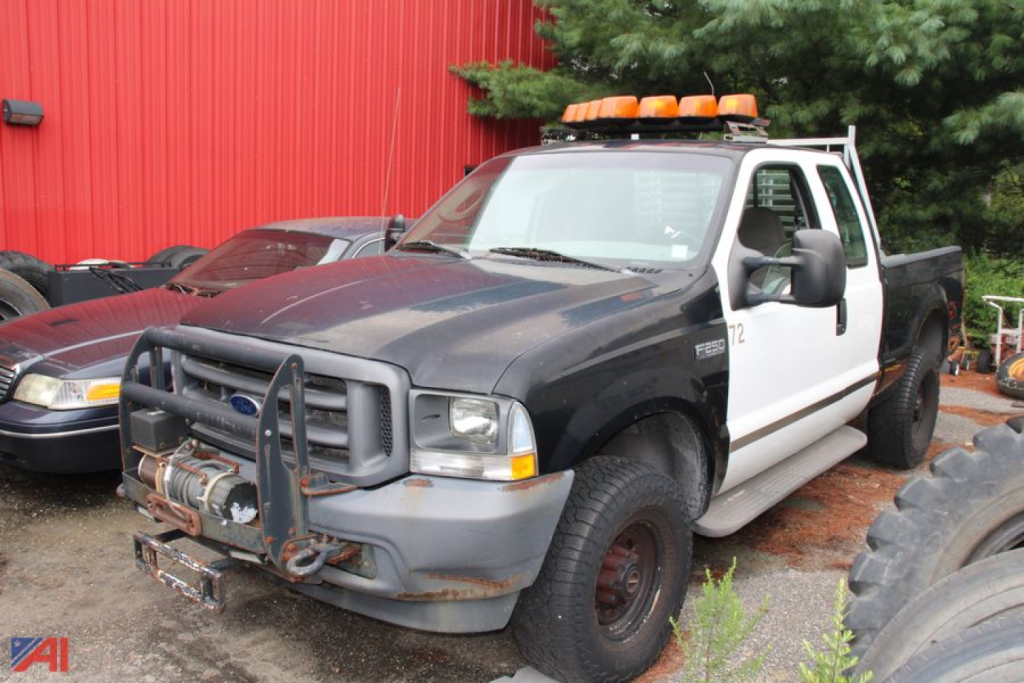
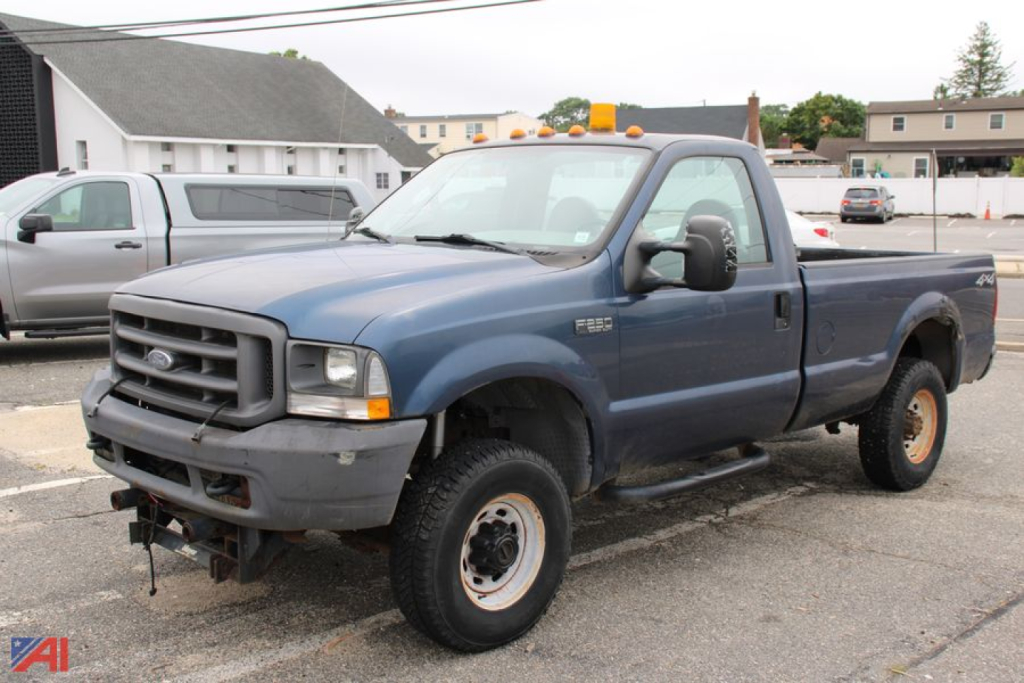
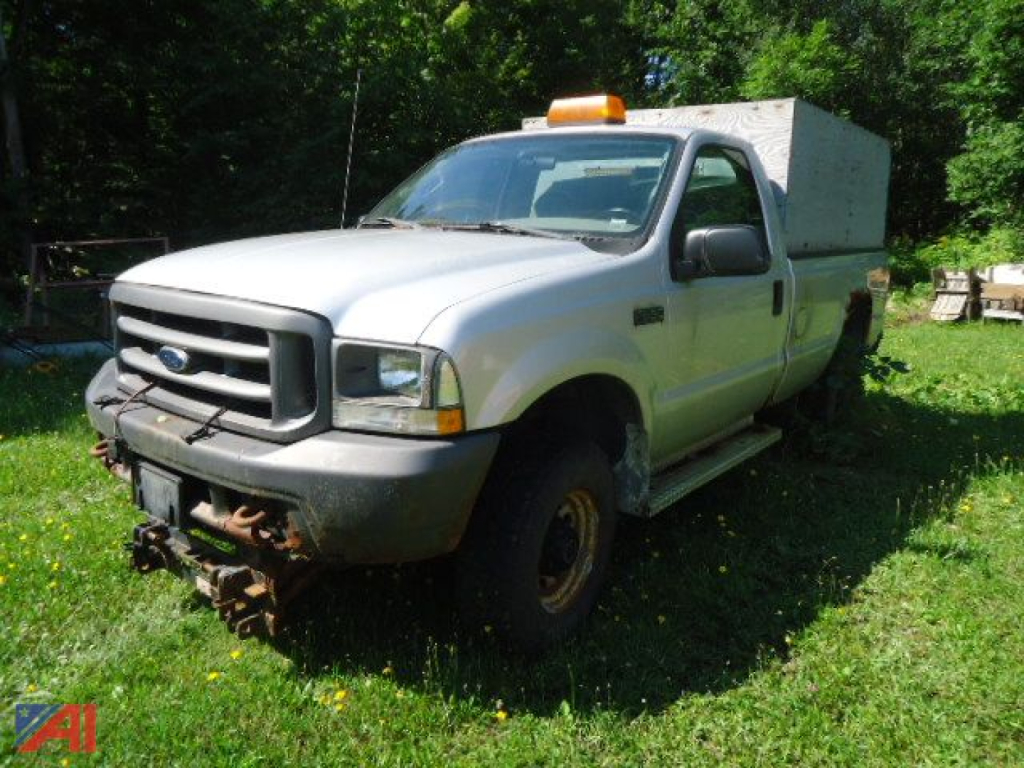

Have used 2004 ford commercial truck to sell? List it here to reach thousands of buyers.
Used 2004 Ford Commercial Trucks
Powertrain choice matters on a 2004 Ford truck because the engine often determines long-term operating cost and service strategy. In lighter classes, gas engines can make sense for municipal work, short-route delivery, and lower annual miles because they are generally simpler and easier to maintain. In Super Duty applications, diesel options are common on trucks used for heavier payloads, trailer work, and utility service. Transmission type, rear axle ratio, wheelbase, and cab configuration all affect how the truck performs once it is loaded or upfitted. Buyers should also look closely at PTO compatibility on work trucks, front axle ratings on plow or crane applications, and whether the suspension is set up for the body currently installed.
Condition is a bigger variable than age alone in this category. A used 2004 Ford truck can still be a solid commercial asset if the frame, cab mounts, brake system, electrical system, and body installation have been maintained properly. On box trucks and van bodies, inspect the floor, roof, roll-up door, threshold, and any liftgate operation. On dump, flatbed, or utility bodies, pay attention to hoist condition, hydraulic leaks, rust at crossmembers, and wear around tool compartments or tie-down points. On pickups and chassis cabs, look for signs of towing stress, front-end wear, and corrosion in spring hangers, brake lines, and bed mounts. Mileage matters, but service records, idle time, and the type of work the truck has done often matter more.
A good used 2004 Ford truck is usually one that matches the job without carrying unnecessary complexity. Buyers comparing listings should verify axle configuration, exact GVWR, cab-to-axle measurement, fuel type, and body dimensions before focusing on price. That is especially important if the truck needs to fit an existing route, loading dock, trailer, or upfit requirement. Ford trucks from this era remain popular because they are familiar to technicians, widely supported in the used parts market, and available in configurations that still fit construction, delivery, utility, landscaping, municipal, and vocational fleet work.
Frequently Asked Questions about Used 2004 Ford Commercial Trucks
What types of used 2004 Ford trucks are most common on the market?
The most common used 2004 Ford trucks include F-Series pickups, Super Duty chassis cabs such as F-250 through F-550, E-Series cutaway trucks with box or service bodies, and medium-duty F-650 or F-750 models. Body styles vary widely and can include flatbeds, dumps, utility bodies, van bodies, stake beds, and service trucks. The body and chassis combination is often more important than the model name alone because it determines payload, storage, maneuverability, and upfit compatibility.
Is a 2004 Ford truck a good choice for commercial use?
A 2004 Ford truck can still be a practical commercial choice if it has been maintained well and the specification matches the work. Many buyers target this model year because the trucks are mechanically simpler than newer units and parts support remains strong. The key is to evaluate condition carefully, especially frame rust, drivetrain wear, hydraulic systems, electrical accessories, and any body-specific components such as liftgates or hoists. A well-kept truck with documented maintenance is usually a better buy than a lower-priced unit with unclear service history.
What should buyers inspect first on a used 2004 Ford work truck?
Start with the frame, engine, transmission, brakes, steering, suspension, and body mounting points. After that, inspect the truck based on its application. A box truck should be checked for floor integrity, water intrusion, door function, and liftgate performance. A dump or utility truck should be checked for hydraulic leaks, PTO operation, and rust around crossmembers and tool compartments. Buyers should also confirm the VIN, GVWR, axle ratings, tire size, wheelbase, and cab-to-axle dimensions so the truck fits the intended job.
Are gas or diesel engines better in a used 2004 Ford truck?
The better choice depends on duty cycle and operating cost. Gas engines are often a good fit for lighter commercial use, shorter routes, lower annual mileage, and fleets that want simpler maintenance. Diesel engines are typically preferred for heavier payloads, sustained towing, and applications where torque under load matters more. On a used truck, engine condition, maintenance history, and the truck's actual workload usually matter more than fuel type by itself.
Why do body specs matter so much on used 2004 Ford trucks?
Body specs affect how productive the truck will be from day one. Box length, cab-to-axle measurement, wheelbase, liftgate rating, side access, toolbox layout, dump body capacity, and hitch setup all determine whether the truck can handle the route or worksite efficiently. A truck can look right on paper but still be a poor fit if the body dimensions, axle ratings, or upfit design do not match the cargo, equipment, or trailer requirements.