
Used 2004 Ford Pickup 4wd Trucks For Sale
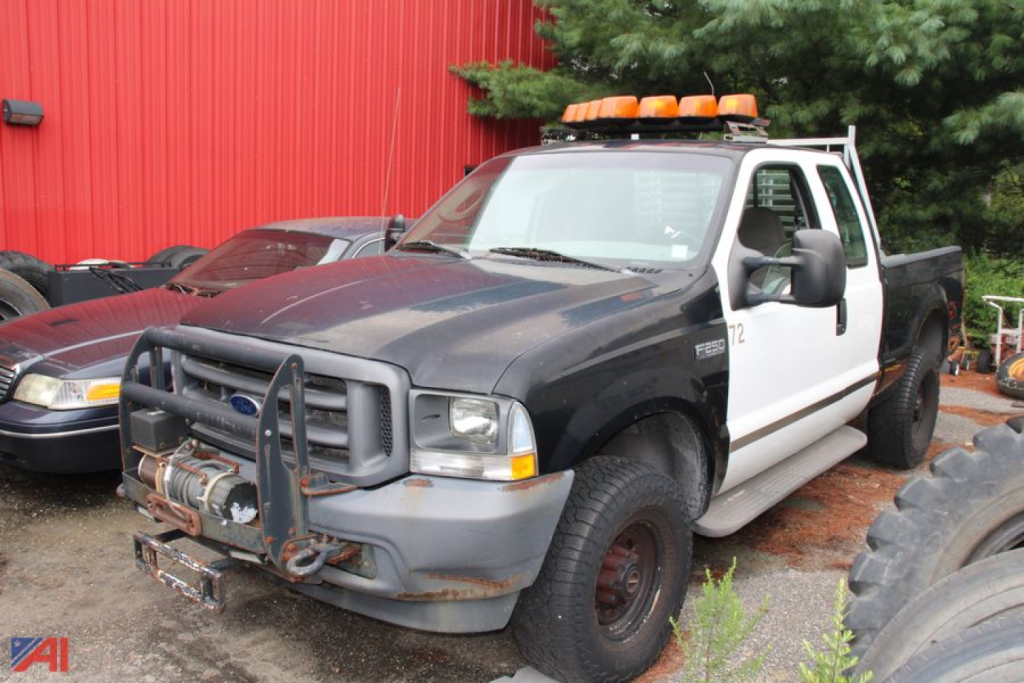
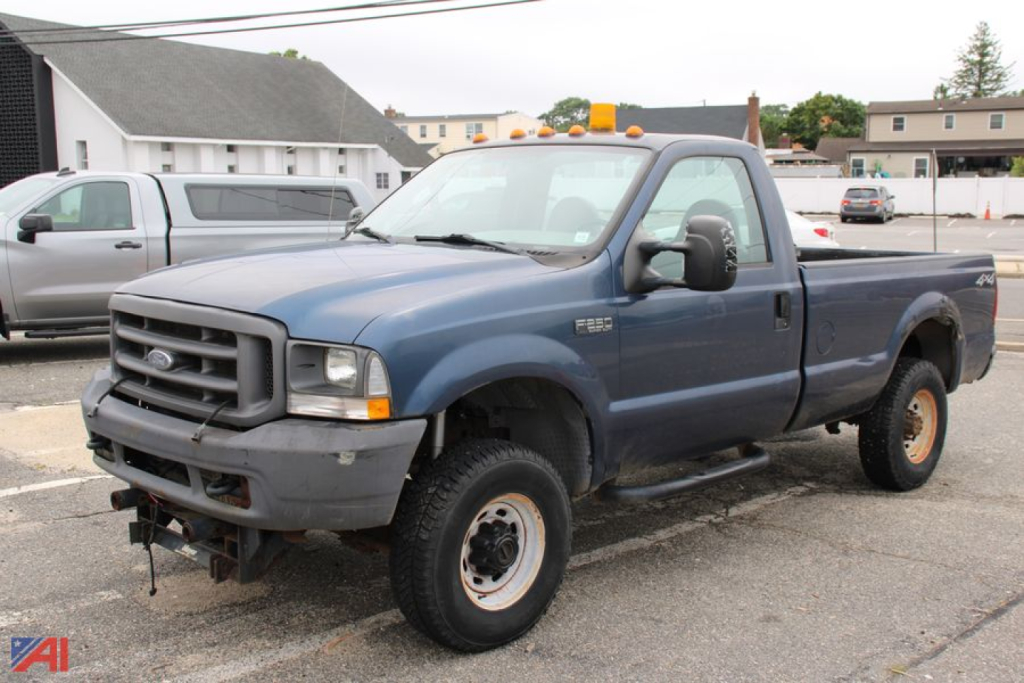
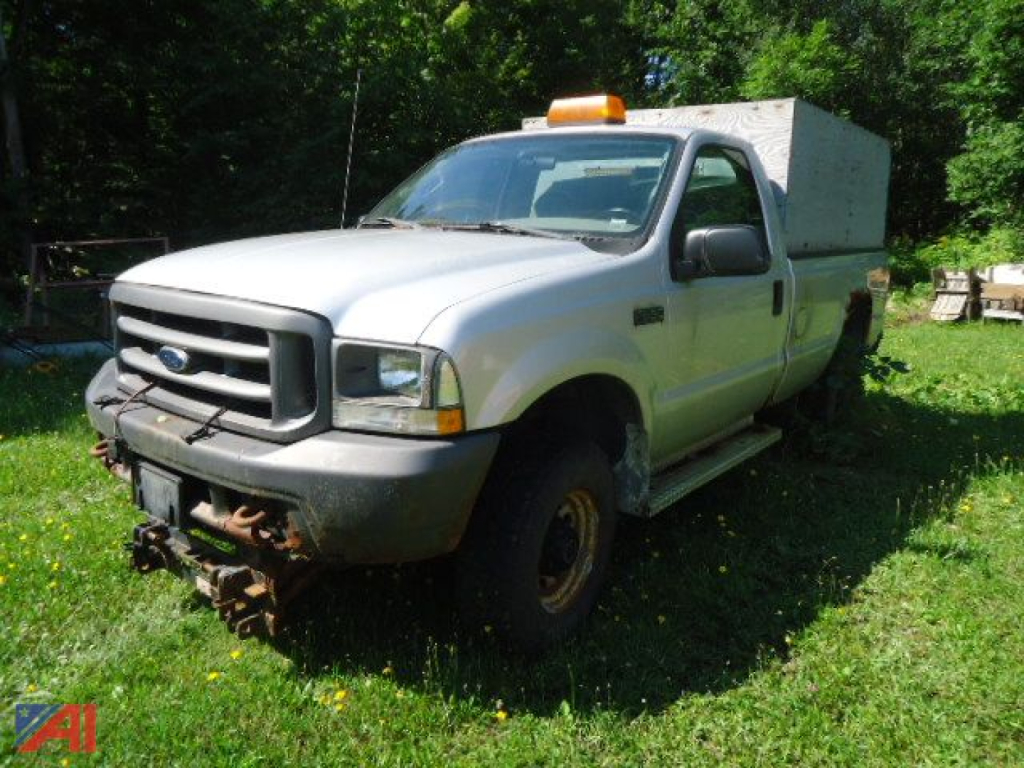
Have used 2004 ford pickup 4wd truck to sell? List it here to reach thousands of buyers.
Used 2004 Ford Pickup 4wd Trucks
Powertrain choice is one of the biggest buying decisions in this category. On 2004 Ford 4WD pickups, buyers will commonly compare gasoline V8 options against diesel power in Super Duty models. Gas engines usually bring lower acquisition cost and simpler maintenance, while diesel trucks are often preferred for sustained towing and higher torque output. Transmission condition, transfer case operation, front axle engagement, and evidence of 4x4 system maintenance should all be checked closely on a used unit from this era. If the truck has lived in snow-belt service, inspect frame condition, cab corners, rocker panels, brake lines, spring hangers, and plow mount areas for corrosion or repair history.
Application should drive the spec. A 2004 Ford F-250 or F-350 4x4 with a plow package, heavier front springs, and a work-oriented trim level can make sense for municipal, campus, or contractor snow duty, but front end wear becomes a critical inspection item. Ball joints, hubs, steering linkage, leaf spring condition, and tire wear patterns can reveal how hard the truck has been worked. For towing, pay attention to axle ratio, receiver or gooseneck setup, brake controller installation, and GVWR. For service body replacement or upfit planning, cab-to-axle measurement, frame condition, and electrical system health are more important than appearance alone.
Used 2004 Ford pickup 4WD trucks remain relevant because parts availability is still strong, the chassis designs are familiar to most fleet technicians, and the trucks can be configured for a wide range of jobs. The best value usually comes from matching the truck's original build to the intended workload instead of buying on badge alone. A clean 4x4 system, solid frame, stable cooling performance, and documented drivetrain service matter more than cosmetic trim on a truck that will be asked to tow, plow, or carry weight regularly.
Frequently Asked Questions about Used 2004 Ford Pickup 4wd Trucks
What is the difference between a 2004 Ford F-150 4x4 and a 2004 Ford F-250 or F-350 4x4?
The F-150 is a light-duty pickup designed for lighter payloads, lighter trailer weights, and mixed personal or commercial use. The F-250 and F-350 Super Duty models use heavier chassis components, stronger suspension, higher GVWR ratings, and are generally better suited for plowing, hauling equipment, and frequent towing. Buyers choosing between them should start with actual payload and trailer requirements, not just cab size or trim level.
What should I inspect first on a used 2004 Ford 4WD pickup truck?
Start with frame and rust condition, especially on trucks that have seen winter road salt or plow service. Then verify engine performance, transmission shift quality, transfer case engagement, front axle operation, steering play, brake condition, and front suspension wear. On Super Duty trucks, worn ball joints, hubs, leaf spring components, and signs of hard commercial use are common areas to review before purchase.
Are 2004 Ford 4x4 pickups good for snow plowing?
A 2004 Ford F-250 or F-350 4x4 is commonly used for snow plowing because the Super Duty platform has the front axle, frame strength, and suspension capacity to support plow equipment better than a lighter truck. The key is condition. A plow truck should be checked for front end wear, electrical integrity, cooling system performance, transmission health, and structural rust around the plow mount and frame horns.
Is a gas or diesel engine better in a 2004 Ford Super Duty 4x4?
A gas engine is often the better fit for buyers who want lower upfront cost, less specialized maintenance, and moderate towing use. A diesel is typically preferred for heavier or more frequent towing because of its torque output and efficiency under load. The right choice depends on annual miles, trailer weight, service history, and local repair support, because condition usually matters more than engine type on a truck of this age.
Why do axle ratio and GVWR matter on a used 2004 Ford 4WD pickup?
Axle ratio affects launch performance, towing behavior, and highway engine speed, so it has a direct impact on how the truck works under load. GVWR determines how much weight the truck is rated to carry, including cargo, passengers, and installed equipment. On a used work truck, those two specs are more useful than trim level because they help confirm whether the truck is correctly matched to the job.