
Used Ford Commercial Trucks For Sale in Minnesota
Shop used Ford trucks in Minnesota, including service, dump, bucket, and chassis models built for municipal, contractor, and fleet work.
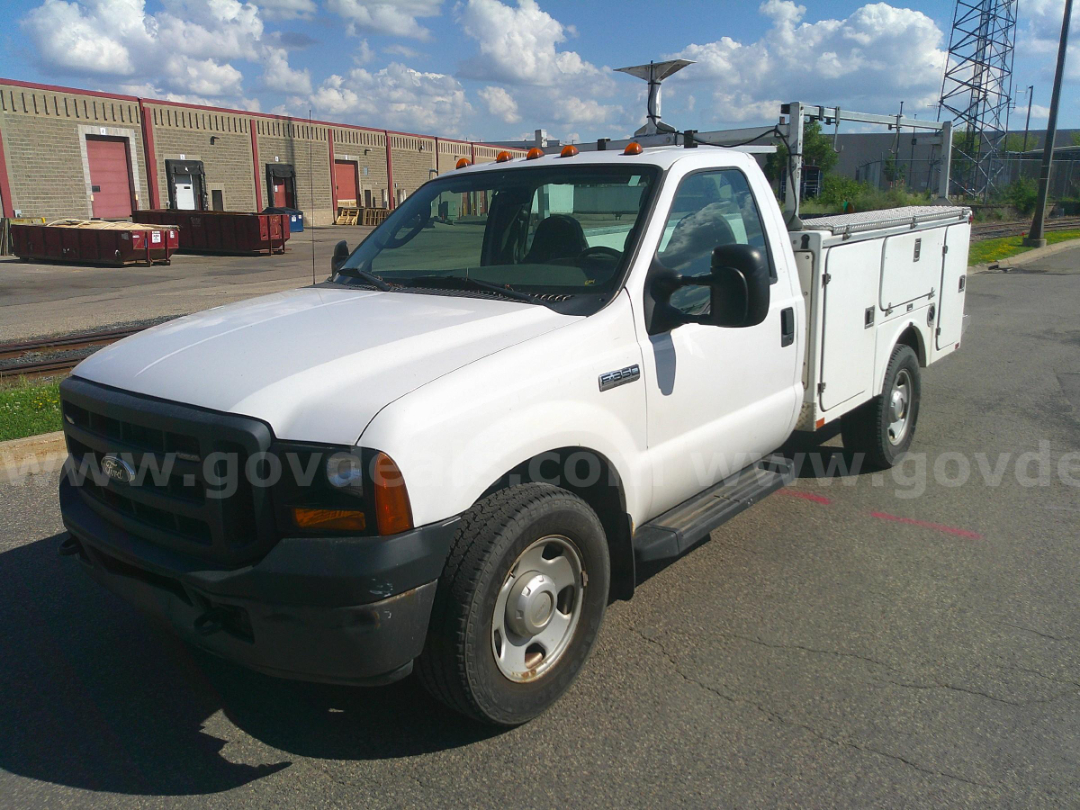
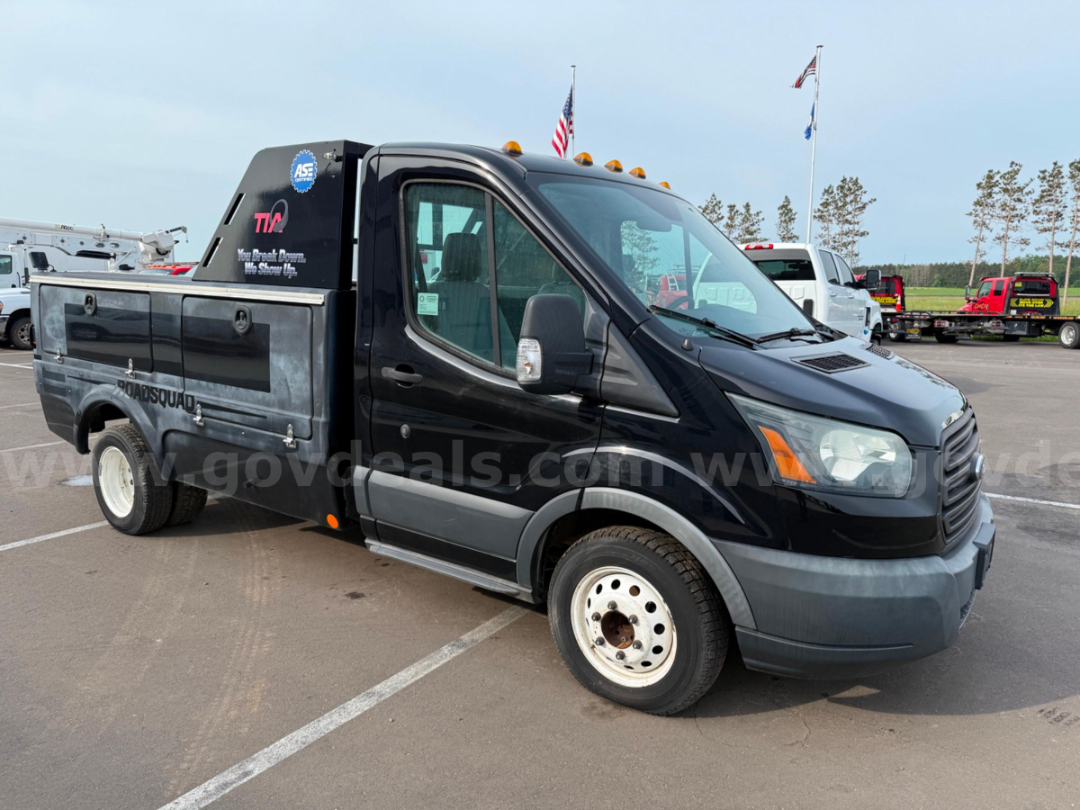


Have used ford commercial truck to sell? List it here to reach thousands of buyers.
Used Ford Commercial Trucks in Minnesota
For Minnesota buyers, rust, cold-weather operation, and seasonal equipment matter as much as engine and mileage. A used Ford truck with a plow, dump insert, service body, liftgate, or compressor can save a lot of setup cost, but the chassis condition underneath the upfit is what determines long-term value. Check cab corners, rocker panels, frame rails, spring hangers, brake and fuel lines, wiring, and bed mounts for corrosion. If the truck has seen municipal snow duty, inspect the front suspension, steering components, plow mount, charging system, and transmission cooling closely. On utility and bucket units, pay attention to PTO operation, hydraulic leaks, boom service records, and any insulation or dielectric testing requirements if the truck will be used in line work.
Ford trucks in this category often show up with engines like the 5.4L V8, 6.2L gas V8, 6.8L V10, 7.3L gas V8, Power Stroke diesel options, and in older medium-duty models, commercial engines paired with manual or automatic transmissions. The right spec depends on the job. A service truck benefits from payload balance, axle rating, onboard storage, and PTO or inverter capacity. A dump truck needs the right hoist, body material, side height, and GVWR for the material being moved. A bucket or reach-all truck should be evaluated by working height, side reach, boom manufacturer support, and chassis stability. Transit-based service units are also common for tire service, mobile repair, and roadside assistance where lower step-in height and urban maneuverability are priorities.
A good used Ford truck purchase usually comes down to matching the chassis class and upfit to the work cycle, then verifying maintenance history and hours, not just odometer miles. Fleet-owned trucks can be attractive because they are often serviced on schedule, but idle time, PTO hours, and jobsite use still affect wear. Review tire date codes, brake condition, GVWR tags, axle ratings, and any signs the truck has been overloaded. If the truck carries specialized equipment such as cranes, liftgates, air compressors, or plows, confirm model numbers, rated capacities, and replacement part support. The strongest value is usually found in a truck that already fits the job without requiring a major re-body or drivetrain compromise.
Frequently Asked Questions about Used Ford Commercial Trucks in Minnesota
What should I inspect first on a used Ford truck in Minnesota?
Start with rust and chassis condition. Minnesota trucks often see snow, salt, and freeze-thaw cycles, so frame rails, cab mounts, rocker panels, brake lines, fuel lines, suspension hangers, wiring, and body attachment points deserve close inspection. After that, verify drivetrain operation, brake performance, steering play, and the condition of any vocational equipment such as plows, dumps, cranes, or liftgates.
Are gas or diesel Ford trucks better for used vocational truck buyers?
It depends on duty cycle, payload, and annual mileage. Gas engines are often a practical fit for municipal, contractor, and local service work because acquisition cost can be lower and maintenance can be simpler. Diesel engines make more sense for heavier loads, more frequent towing, and higher annual use where torque and fuel efficiency under load matter more. On a used truck, overall maintenance history is usually more important than choosing gas or diesel on name alone.
What is the advantage of buying a used Ford truck with an existing service body or dump body?
An existing upfit can reduce total cost and get a truck into service faster, especially if the body already matches the job. Service bodies with drawers, compressors, inverters, cranes, or liftgates can be expensive to add later. Dump bodies with hoists, spreader setups, or plow gear also carry real value. The buyer still needs to confirm that the body installation is sound, the hydraulic or electrical systems work correctly, and the chassis has enough remaining life to justify the upfit.
How important are engine hours on used Ford utility and municipal trucks?
Engine hours can be just as important as mileage, and in some cases more important. Utility trucks, bucket trucks, and service trucks often spend long periods idling to power hydraulics, charge systems, or support jobsite operations. A truck with moderate miles but very high idle or PTO hours may have more wear than the odometer suggests. If hour data is available, compare it to the mileage and look for maintenance records that reflect that operating pattern.
What Ford truck classes are commonly used for vocational work?
Ford vocational trucks commonly range from light-duty F-250 and F-350 models up through F-450, F-550, F-650, and older F-700 or F-800 medium-duty units. Lighter chassis are common for service bodies, utility bodies, small dumps, and contractor use. Heavier chassis are better suited for larger dumps, bucket trucks, equipment hauling, and applications where higher GVWR, stronger axles, and more body capacity are required.