
Used Ford Service/Utility Trucks For Sale in Minnesota
Browse used Ford service and utility trucks in Minnesota, including F-350 and Transit work-ready bodies for maintenance, repair, and field service.
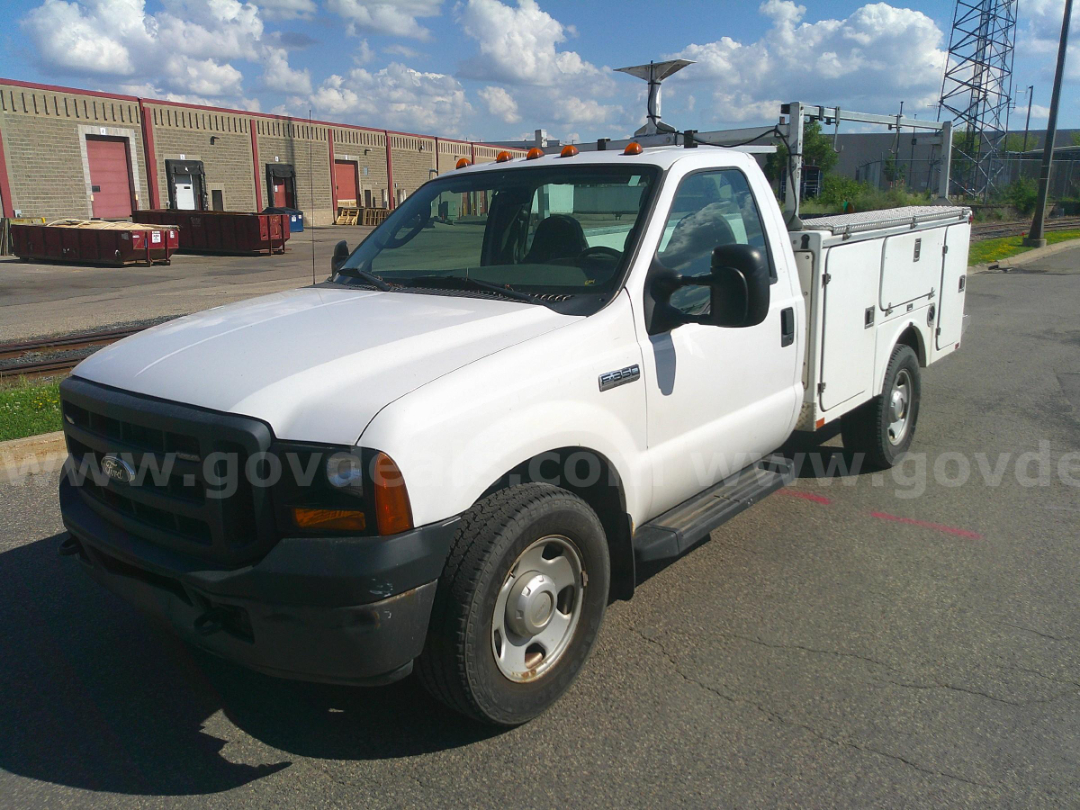
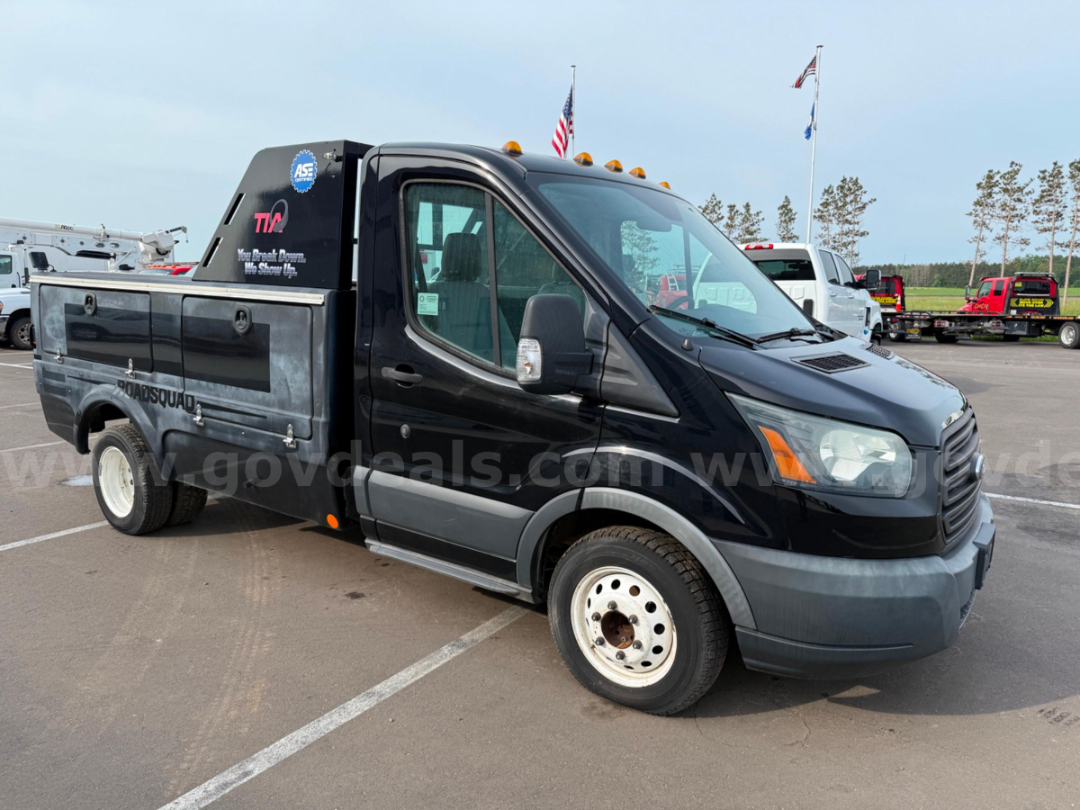

Have used ford service/utility truck to sell? List it here to reach thousands of buyers.
Used Ford Service/Utility Trucks in Minnesota
The first buying decision is usually chassis size and body style. A Ford F-350 service truck is common for municipal work, contractor fleets, electricians, plumbers, and light mechanic service where payload, towing, and PTO-style accessory support matter. A Transit utility body makes sense when tighter urban maneuverability, lower step-in height, and enclosed van-based packaging are more important than raw chassis capacity. On used units, pay attention to engine type, cab configuration, GVWR, axle rating, 2WD versus 4WD, and whether the body is steel, aluminum, or fiberglass. In Minnesota, 4WD can be a major advantage for winter service calls, unpaved job sites, and snow-season traction.
Upfit condition matters as much as the truck itself. A well-spec'd service truck may include a Reading or similar service body, crane, compressor, inverter, hose reels, drawer packages, liftgate, plow, or tire-service equipment. Buyers should inspect compartment doors, latches, seals, shelving mounts, and corrosion around the body floor, wheel housings, and rear step bumper. On crane-equipped trucks, verify crane model, lift capacity, outriggers if equipped, and any inspection or service records. On utility units with generators, inverters, air systems, or hydraulic accessories, confirm operating hours, wiring quality, and how cleanly the accessories integrate with the truck chassis. For ex-municipal and government units, maintenance intervals are often a strong point, but idle hours, PTO use, and cold-weather exposure still need close review.
For used Ford service trucks, the best value usually comes from matching the body layout to the actual job. A telecom or electrical contractor may prioritize secure side packs and inverter power. A tire-service or roadside-assist unit may need reels, liftgate capacity, and organized consumables storage. A mechanic or facilities crew may focus on crane rating, compressor output, and workbench space. Check wheelbase-to-body balance, remaining payload after the upfit, and how much of the truck's life was spent driving versus idling on site. A clean Ford service truck with the right compartments, proven maintenance history, and a body that still opens, seals, and locks properly will usually outperform a cheaper unit that needs immediate body and accessory repairs.
Frequently Asked Questions about Used Ford Service/Utility Trucks in Minnesota
What is the difference between a Ford service truck and a regular pickup with a utility topper?
A Ford service truck uses a purpose-built utility or service body with exterior compartments, internal shelving, and work-focused upfit options that a standard pickup bed cannot match. Service bodies are designed to carry tools, parts, reels, compressors, cranes, and other jobsite equipment in organized, lockable storage. A pickup with a topper may work for lighter trades, but it usually offers less compartment access, less secure storage, and fewer integrated options for commercial field service.
Is a Ford F-350 or Ford Transit better for a used utility truck in Minnesota?
It depends on the job. A used Ford F-350 is generally the better choice when you need higher payload, towing capability, available 4WD, and support for heavier service bodies or accessories like cranes and plows. A used Ford Transit utility truck is better suited to urban service routes, roadside assistance setups, and applications where maneuverability, lower loading height, and enclosed access are more important. In Minnesota, buyers often lean toward the F-350 for snow, uneven job sites, and heavier year-round service demands.
What should I inspect first on a used Ford service body truck?
Start with the body and upfit, not just the cab and engine. Check compartment floors, hinges, locks, door seals, and any visible rust at the body mounts, rocker areas, and rear structure. Then verify that all installed equipment works as intended, including cranes, compressors, inverters, liftgates, plows, hose reels, and lighting. After that, review engine hours if available, idle time, transmission behavior, brake condition, tire wear, and maintenance records. A sound chassis with a worn-out body can still become an expensive repair project.
Are ex-government Ford utility trucks a good buy?
They can be, especially when maintenance records are available and the truck was serviced on a schedule. Government and municipal fleets often maintain brakes, fluids, tires, and steering components consistently, which is a real advantage in the used market. The tradeoff is that these trucks may have significant idle time, seasonal plow use, or body corrosion from winter service exposure. Buyers should evaluate both mileage and hours, along with the condition of the service body and any mounted equipment.
What common upfits are found on used Ford service and utility trucks?
Common upfits include steel or fiberglass service bodies, adjustable shelving, drawer units, ladder racks, trailer brake controllers, inverters, work lights, compressors, hose reels, liftgates, cranes, and snowplows. Some trade-specific units may be configured for tire service, mobile repair, facilities maintenance, or roadside assistance. The best used truck is usually the one with an upfit that closely matches your day-to-day work, because adding or reconfiguring service equipment after purchase can be costly.