
Used 2021 Ford Commercial Trucks For Sale
Browse used 2021 Ford trucks including F-150, Super Duty, chassis cab, dump, utility, and pickup configurations for work-ready fleet use.
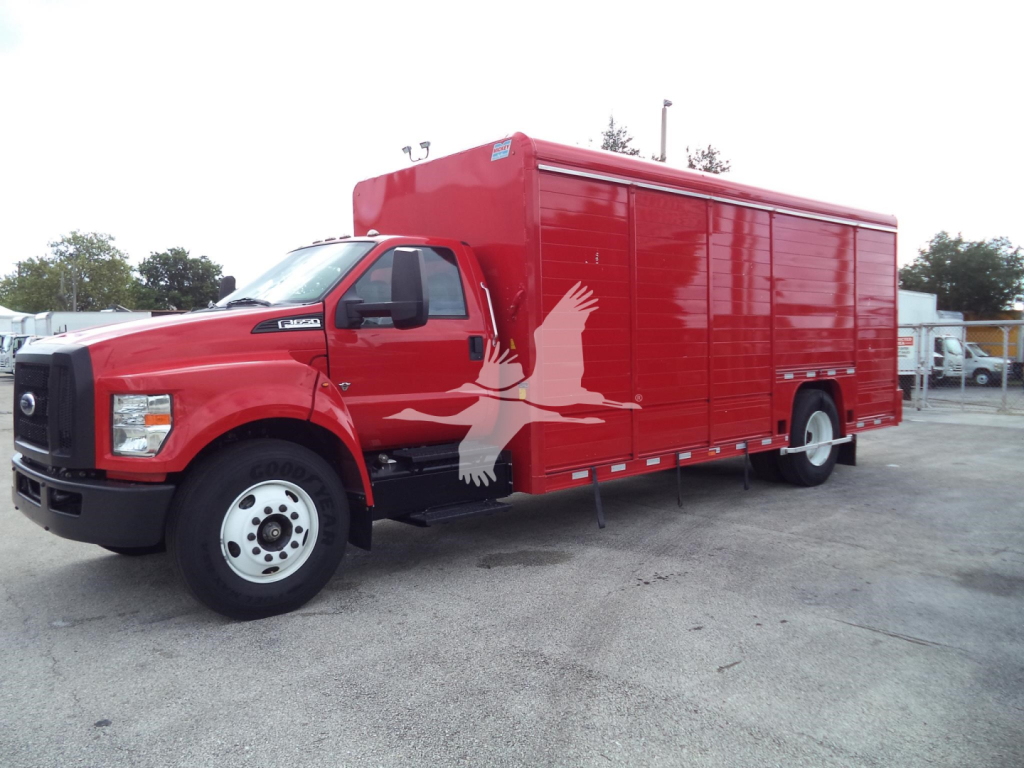
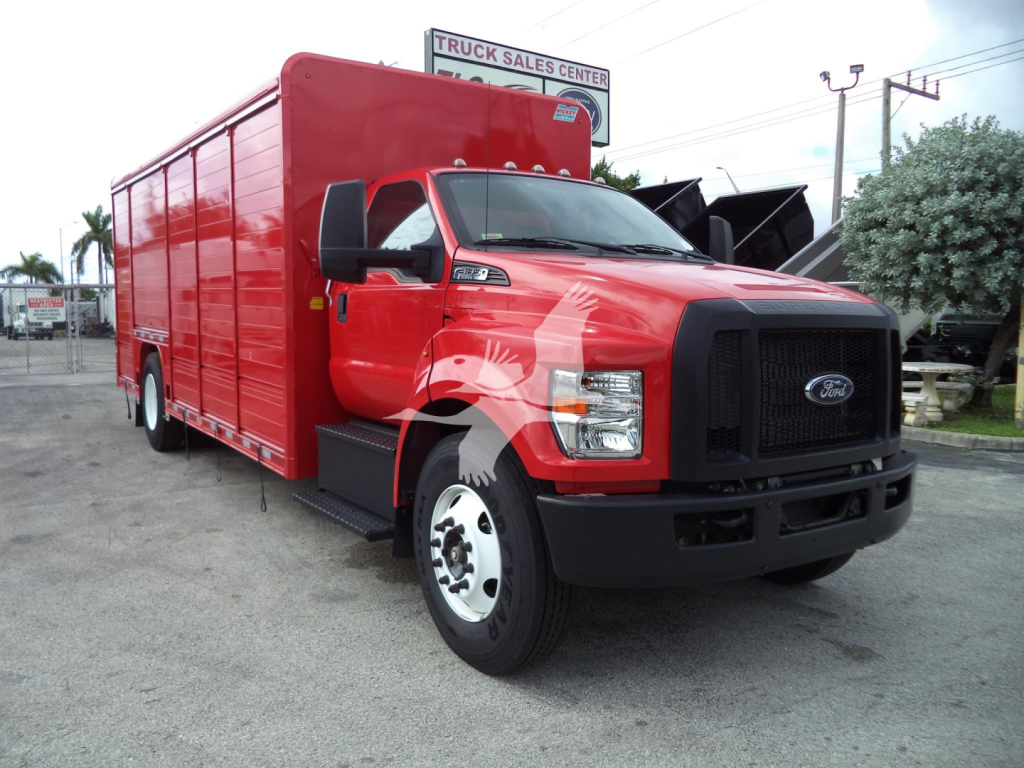
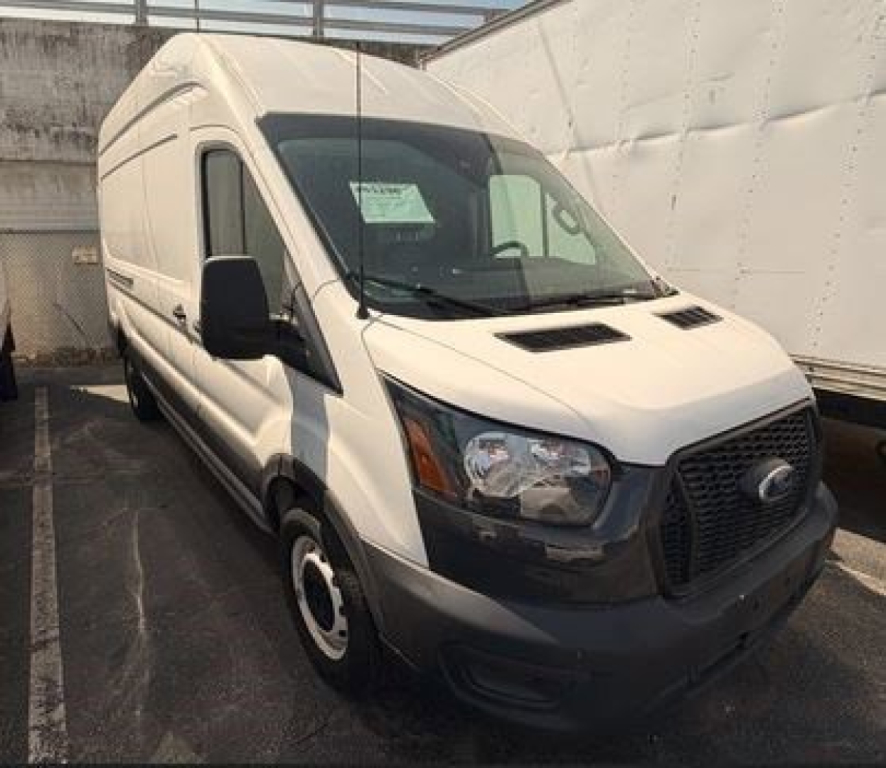
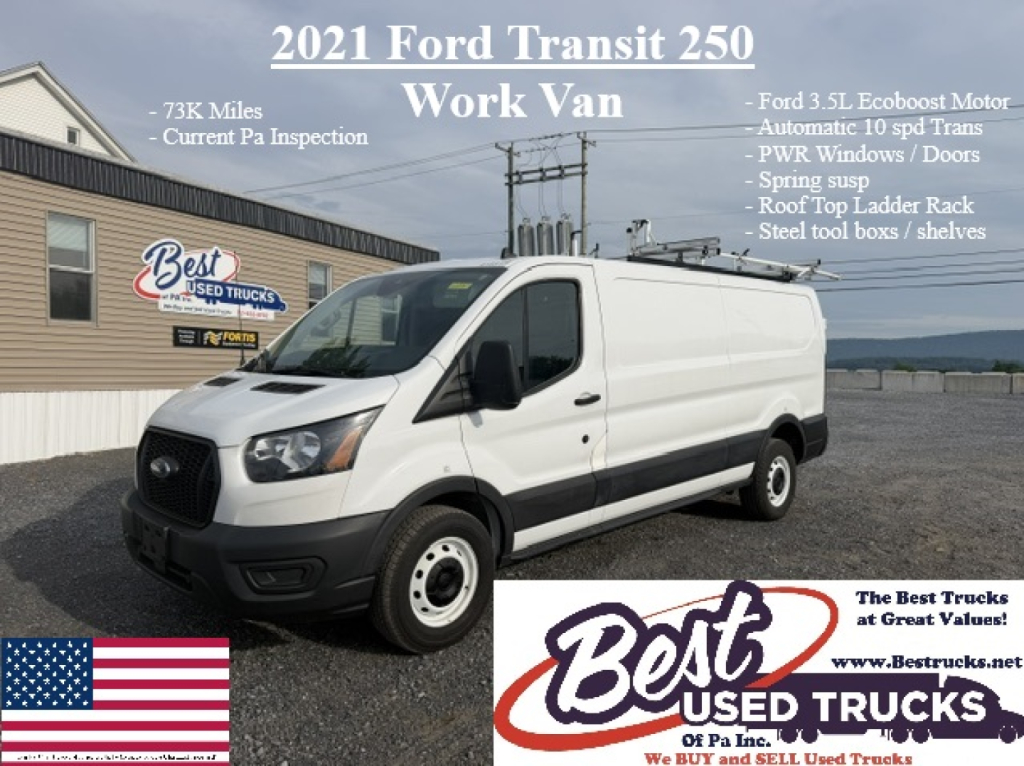
Selling a used 2021 ford commercial truck? List your used 2021 ford commercial truck for sale and reach thousands of commercial buyers.
Used 2021 Ford Commercial Trucks
Engine and drivetrain choice are central on 2021 Ford trucks. In the F-150 range, common engines include the 5.0L V8, EcoBoost gas options, and hybrid powertrains in some configurations. In Super Duty applications, the 6.2L gas V8, 7.3L gas V8, and 6.7L Power Stroke diesel are the major engines buyers tend to evaluate. Diesel usually makes the most sense for higher annual mileage, heavier towing, or hydraulic body work that benefits from strong torque. Gas engines can be a practical fit for municipal, contractor, and local-route work where lower acquisition cost and simpler maintenance are bigger priorities. Transmission type, rear axle ratio, 4x2 versus 4x4, and cab layout all affect payload, towing, service access, and total operating cost.
For vocational buyers, upfit quality and compatibility deserve a close look. On a used 2021 Ford truck, body builder integration, frame condition, electrical routing, and PTO or hydraulic setup can determine how easily the truck goes to work. Service bodies should be checked for compartment condition, latch wear, and inverter or compressor integration. Dump and landscape setups should be reviewed for hoist rating, floor thickness, side construction, tarp system, and hitch equipment. Utility and municipal trucks may also include plows, tool storage, warning lights, brake controllers, ladder racks, or trailer wiring. On chassis cab units, confirm wheelbase and cab-to-axle dimensions match the body or future upfit requirements.
Condition still comes down to the same hard-use items fleet buyers watch on any used work truck: engine hours if available, idle time, brake life, tire condition, suspension wear, rust, accident history, and signs of overloading. A 2021 model can still present very differently depending on whether it came from municipal service, a contractor fleet, or lighter private use. Buyers comparing listings should pay attention to GVWR labels, hitch ratings, body manufacturer tags, maintenance records, and any emissions-system history on diesel units. When the intended job is clear, a used 2021 Ford truck can be a strong value in pickup, medium-duty, and vocational service because parts support, service network depth, and body-builder familiarity remain strong across the Ford commercial lineup.
Frequently Asked Questions about Used 2021 Ford Commercial Trucks
What are the most common 2021 Ford truck models buyers look for in commercial use?
The most common 2021 Ford commercial truck models include the F-150 for lighter-duty pickup work and the Super Duty line such as F-250, F-350, F-450, and F-550 for heavier payload, towing, and chassis cab applications. The right model depends on the job. An F-150 may fit general field service or supervisor use, while an F-350 through F-550 is more typical for utility bodies, dump bodies, landscape beds, tow setups, and other vocational upfits.
Is a 2021 Ford gas engine or diesel engine better for a used work truck?
It depends on duty cycle, annual mileage, and body type. Gas engines are often a strong choice for local fleets, contractors, and municipal users who want lower upfront cost and simpler service. Diesel is usually preferred when the truck sees frequent towing, higher GVW operation, longer route miles, or demanding hydraulic applications where low-end torque matters. Buyers should compare not just engine type, but also axle ratio, transmission, and expected payload or trailer weight.
What should I check on a used 2021 Ford chassis cab or vocational truck?
Focus on the truck and the upfit as a package. Confirm GVWR, axle ratings, wheelbase, and cab-to-axle dimensions. Inspect the frame for modifications, corrosion, and signs of hard service. Review PTO operation if equipped, hydraulic lines, electrical integration, and body attachment points. On dump, service, and utility trucks, check hoists, compartments, latches, lighting, trailer wiring, and any added equipment such as plows or compressors. A clean body installation and documented maintenance history usually matter more than appearance alone.
Are 4x4 2021 Ford trucks worth the extra cost on the used market?
For many buyers, yes, but only if traction is a real operating requirement. A 4x4 setup is valuable for construction access, snow work, utility service, rural property maintenance, and off-pavement operation. It typically adds weight, complexity, and acquisition cost compared with 4x2. If the truck will spend most of its life on pavement with consistent loads, a 4x2 may deliver better payload efficiency and lower operating cost. The decision should be based on route conditions, seasonality, and jobsite access.
How important is the body manufacturer on a used 2021 Ford work truck?
It is very important because the body often determines service life, resale value, and repair cost. A well-known body builder with good parts support can make a used Ford truck easier to maintain and easier to reconfigure later. Buyers should look at steel versus aluminum construction, hoist or lift ratings, compartment layout, latch quality, corrosion protection, and how cleanly the body interfaces with the chassis. On vocational trucks, the upfit can be just as important as the Ford chassis underneath it.