
Used Ford Cab and Chassis Trucks For Sale
Shop used Ford cab and chassis trucks including F-350, F-450, F-550 and E-Series cutaway models built for upfit work and fleet service.
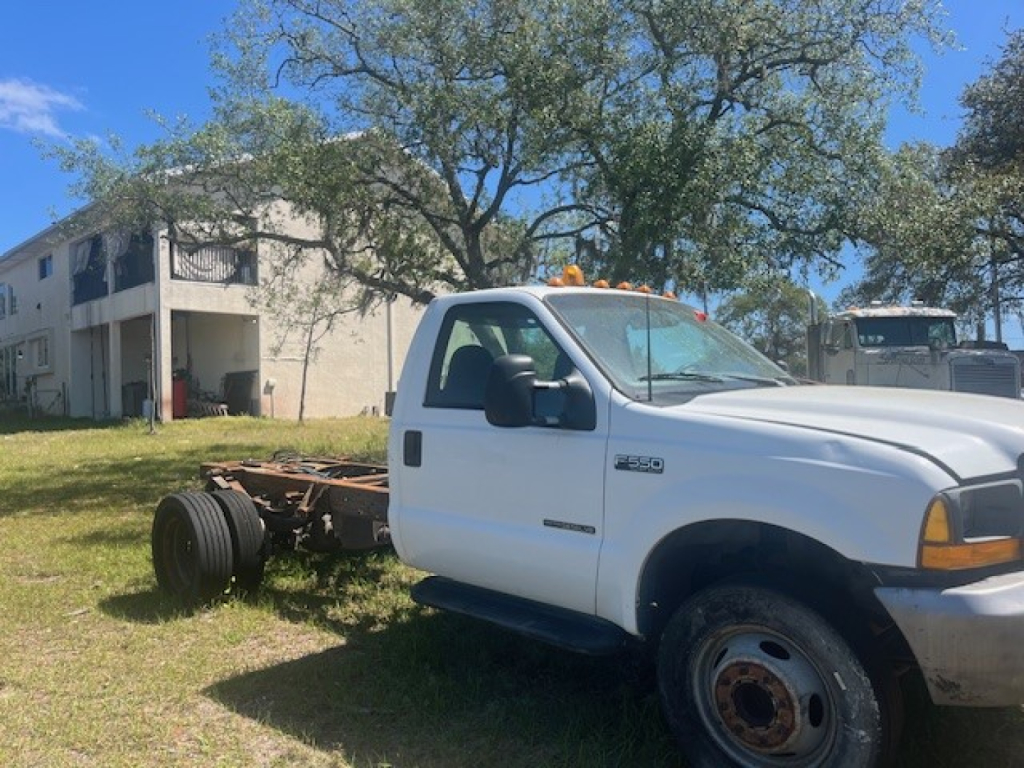
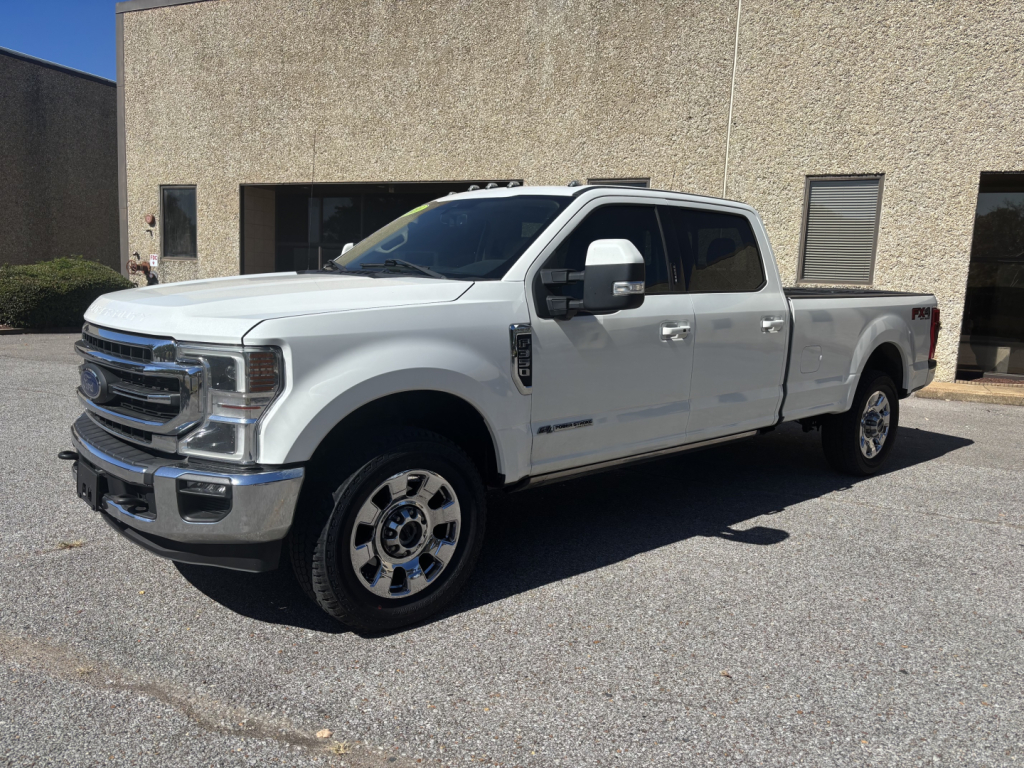
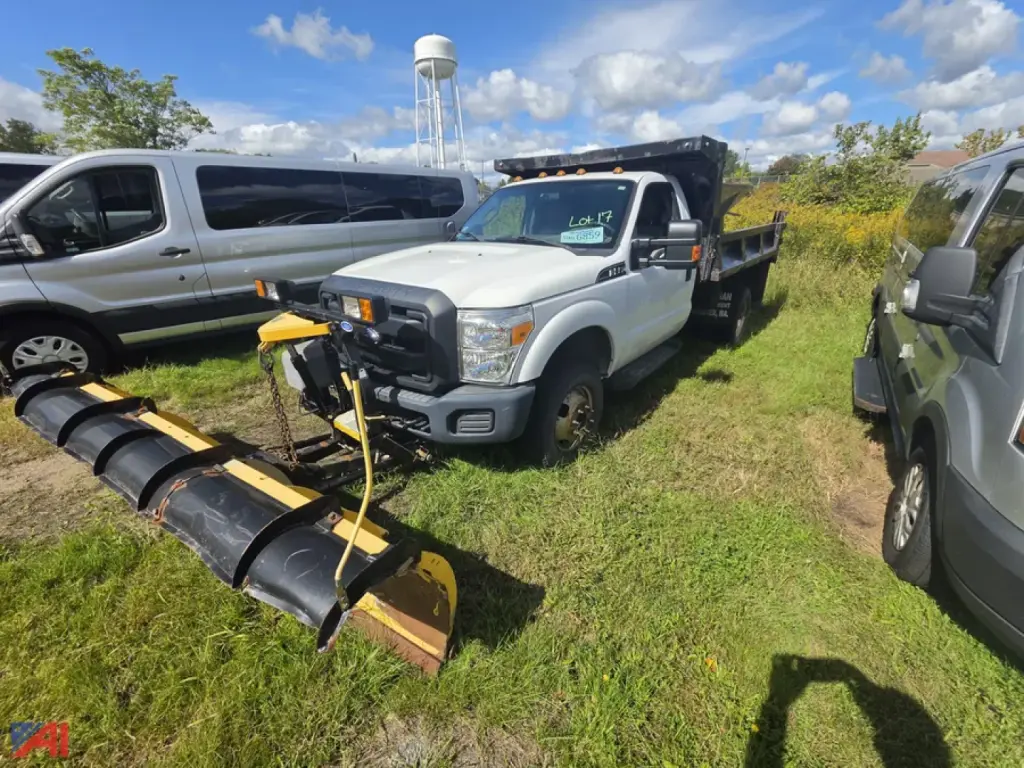
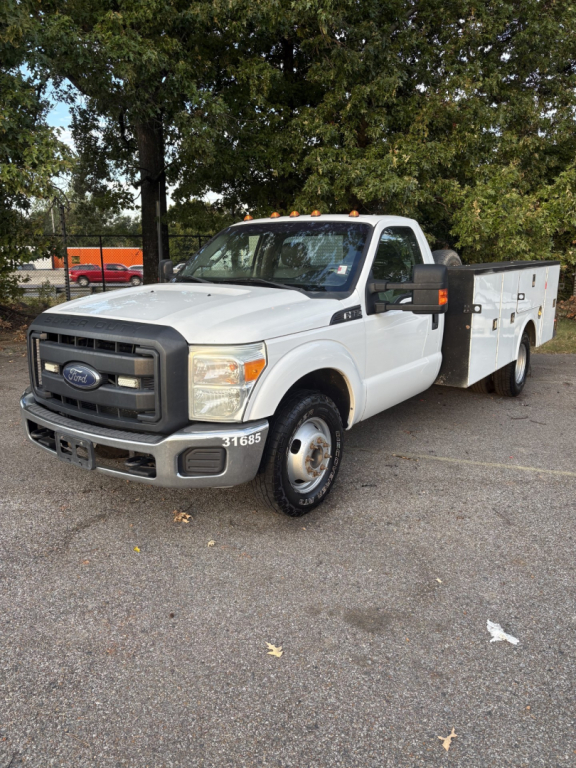
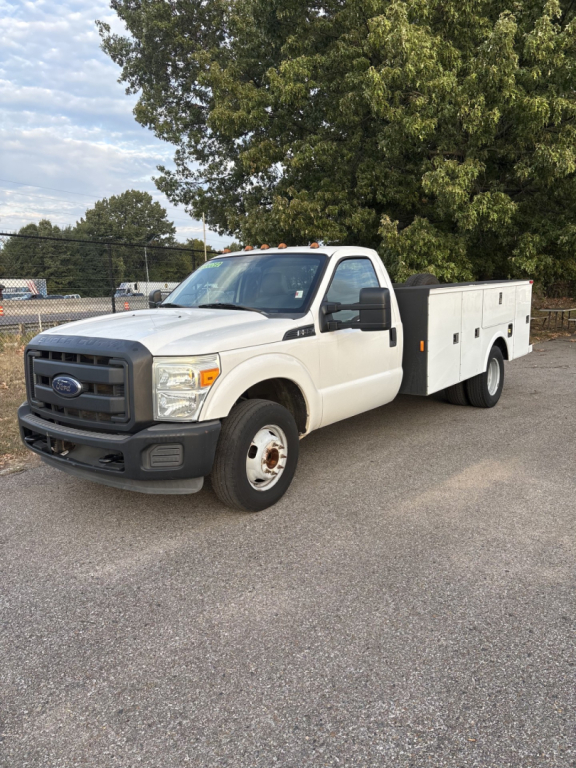
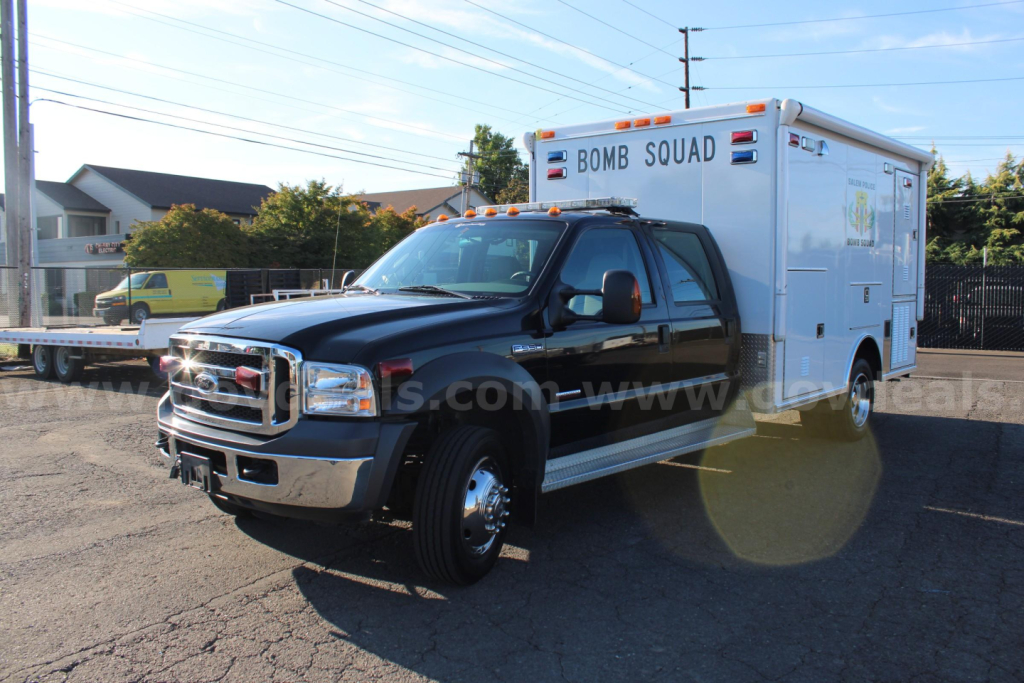
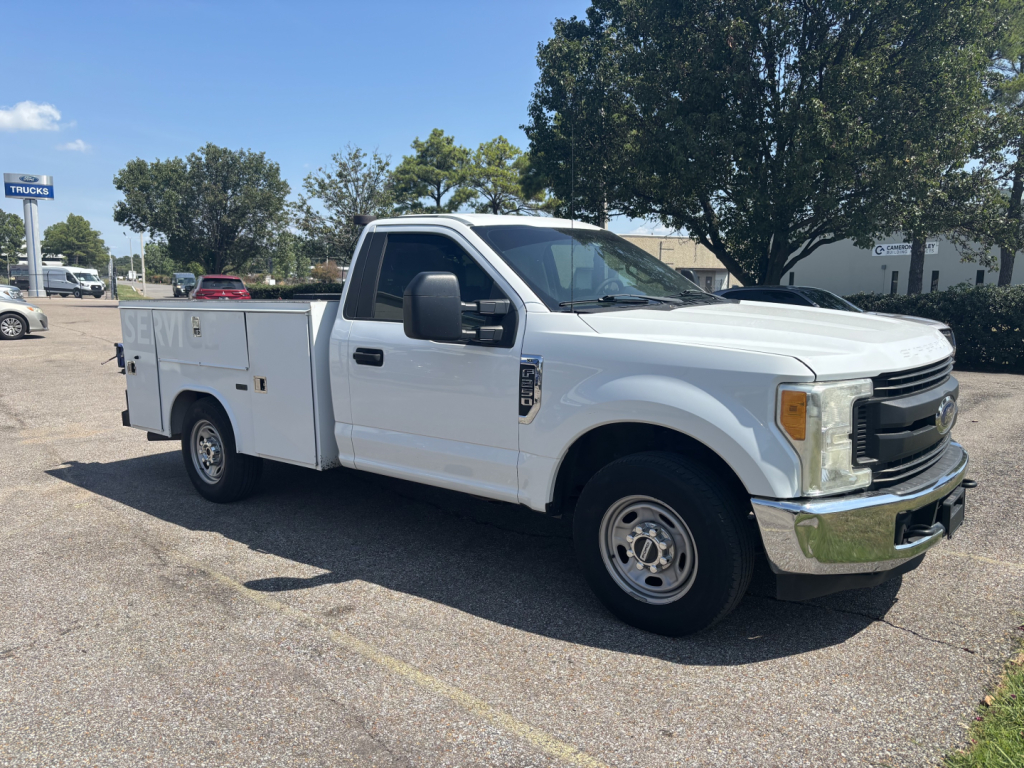
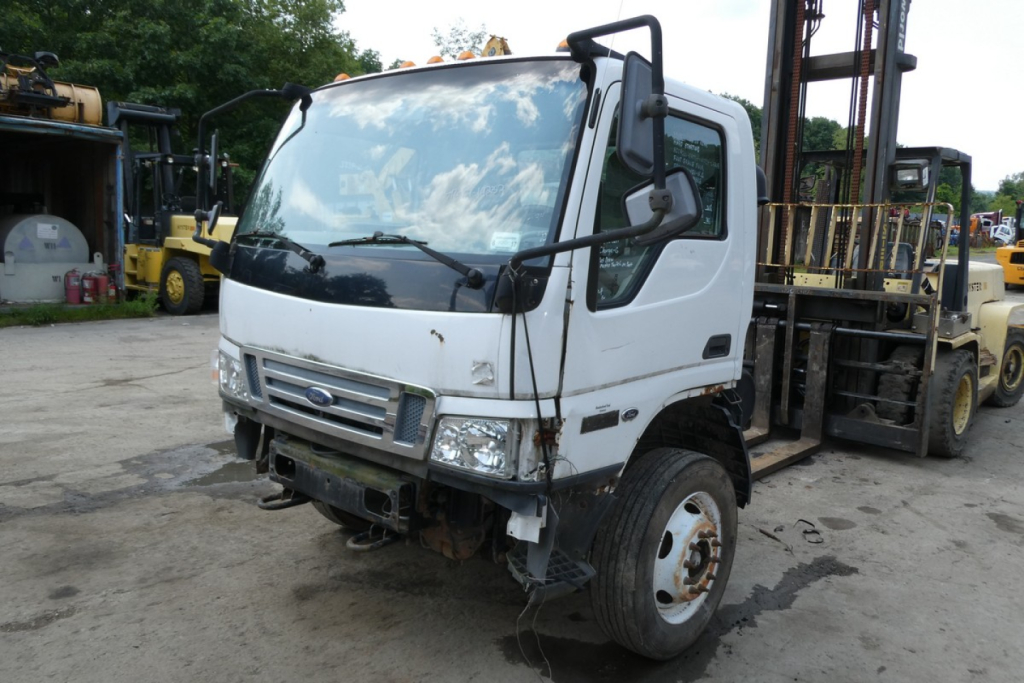

Selling a used ford cab and chassis truck? List your used ford cab and chassis truck for sale and reach thousands of commercial buyers.
Used Ford Cab and Chassis Trucks
On the pickup-based side, Ford F-Series cab and chassis trucks are common in contractor, municipal, utility, towing, and hot shot applications. The F-350 fits lighter service body and flatbed work, while the F-450 and F-550 are more common when higher payload ratings, heavier rear suspensions, and commercial upfits are required. Diesel 6.7L Power Stroke trucks are widely sought for torque and towing, especially in trailer-heavy work, while gas engines can make sense for lower annual miles, lighter loads, and fleets that want simpler emissions-related maintenance. Common buyer checkpoints include rear axle ratio, 4x2 versus 4x4, fuel tank size, PTO compatibility, crew cab versus regular cab layout, and whether the frame has already been drilled or modified for a prior body.
Ford E-Series cutaway models fill a different role. These chassis are often selected for box trucks, parcel delivery bodies, ambulances, mobile workshops, shuttle buses, and food or service units. The cutaway design gives upfitters a straightforward platform with a stripped rear chassis section behind the cab, and buyers should pay close attention to GVWR, rear overhang, body length, and front axle loading. Gas V8 power is common in this segment, and the appeal is usually packaging, service access, and widespread parts support rather than maximum tow performance. On used units, the condition of the electrical system, cooling system, brakes, and any prior body installation work matters as much as mileage.
A good used Ford cab and chassis truck should be evaluated as both a truck and an upfit platform. Frame condition, rust, idle hours, maintenance history, injector and turbo health on diesel models, transmission behavior under load, and signs of overload or poor body mounting all deserve a close look. Buyers replacing an existing vocational truck should confirm wheelbase, cab-to-axle dimension, and axle ratings before assuming a body swap will be simple. Ford chassis cabs remain popular because parts availability is strong, service networks are broad, and the platform covers everything from light commercial delivery to medium-duty vocational work.
Frequently Asked Questions about Used Ford Cab and Chassis Trucks
What is the difference between a Ford cab and chassis truck and a regular pickup?
A Ford cab and chassis truck is built to accept a commercial body such as a flatbed, service body, utility body, dump bed, box van, or other vocational upfit. Unlike a standard pickup with a factory bed, a chassis cab has a straight frame section behind the cab and is rated with body installation in mind. It also often uses different frame dimensions, axle ratings, and wheelbase options than a pickup of similar model designation.
Which used Ford cab and chassis model is best for heavier upfits?
For heavier upfits, buyers typically move from an F-350 into an F-450 or F-550 because those models generally offer higher GVWR, stronger rear suspension capacity, and better suitability for larger service bodies, contractor beds, and towing setups. The right choice still depends on body weight, payload, trailer weight, and axle requirements. A truck that looks similar on paper can become the wrong platform if the body and cargo push the rear axle or frame beyond its intended use.
Are Ford E-Series cutaway models good for box trucks and specialty bodies?
Yes. Ford E-Series cutaway chassis are widely used for box trucks, shuttle buses, parcel delivery units, service vans, and specialty commercial bodies. Their main advantage is packaging efficiency and a chassis layout designed for body builders. When buying used, it is important to inspect how the existing body was mounted, check for frame corrosion or rear overhang stress, and verify that the GVWR matches the intended cargo or passenger use.
What should I inspect first on a used Ford diesel chassis cab?
Start with maintenance records, engine hours if available, cold-start behavior, injector performance, turbo response, transmission operation, and any warning lights or stored fault codes. On 6.7L Power Stroke trucks, buyers should also look for signs of cooling system issues, fuel system contamination, emissions-system neglect, and excessive idling. Because many chassis cabs spend their lives in vocational service, frame wear, PTO-related modifications, and evidence of chronic overloading are just as important as odometer miles.
Why do wheelbase and cab-to-axle dimensions matter so much on a chassis cab?
Wheelbase and cab-to-axle dimensions determine what body can be installed and how properly the finished truck will balance its load. If those dimensions are wrong, the body may not fit correctly, axle loading may be off, and the truck can end up with poor handling or reduced usable payload. Buyers planning to transfer an existing body should match these measurements before purchase rather than relying only on model name or GVWR.