
Used Ford Water Trucks For Sale
Shop used Ford water trucks, from medium-duty tank trucks to service-body jetting units for dust control, washdown, utility, and municipal work.
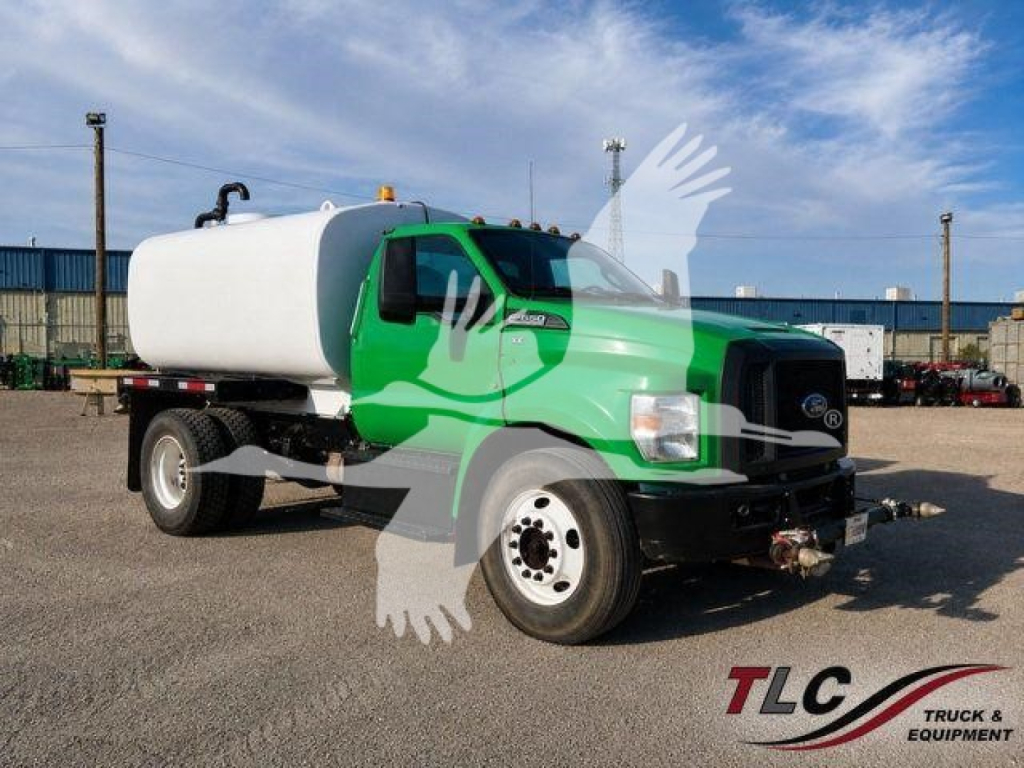
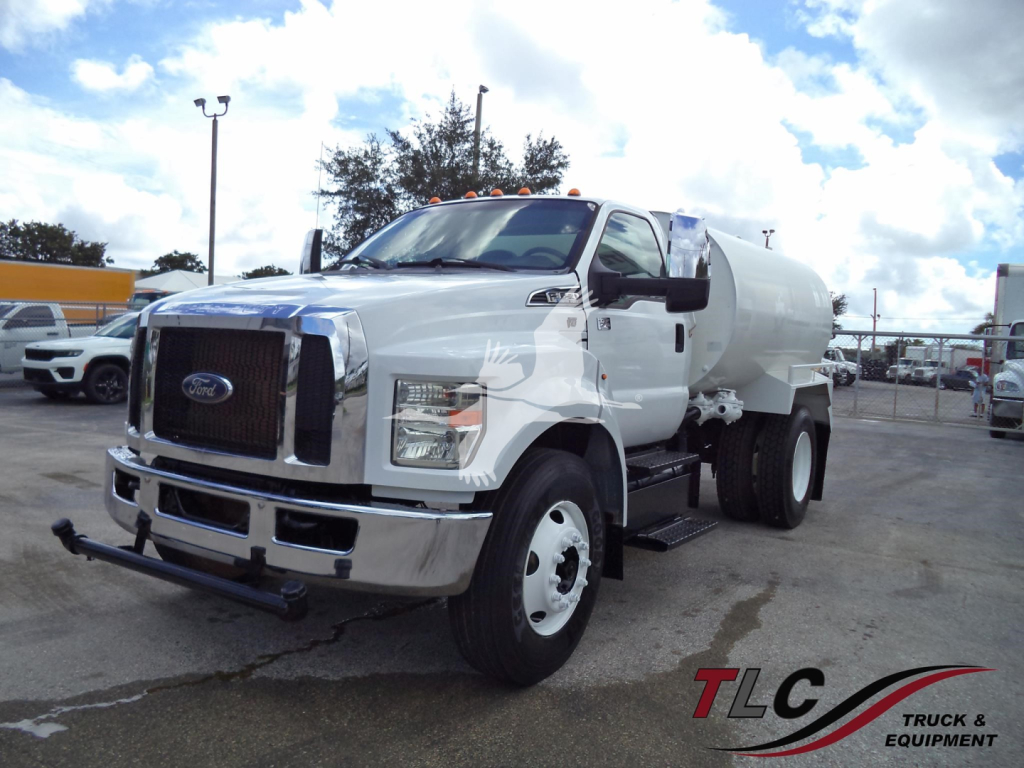
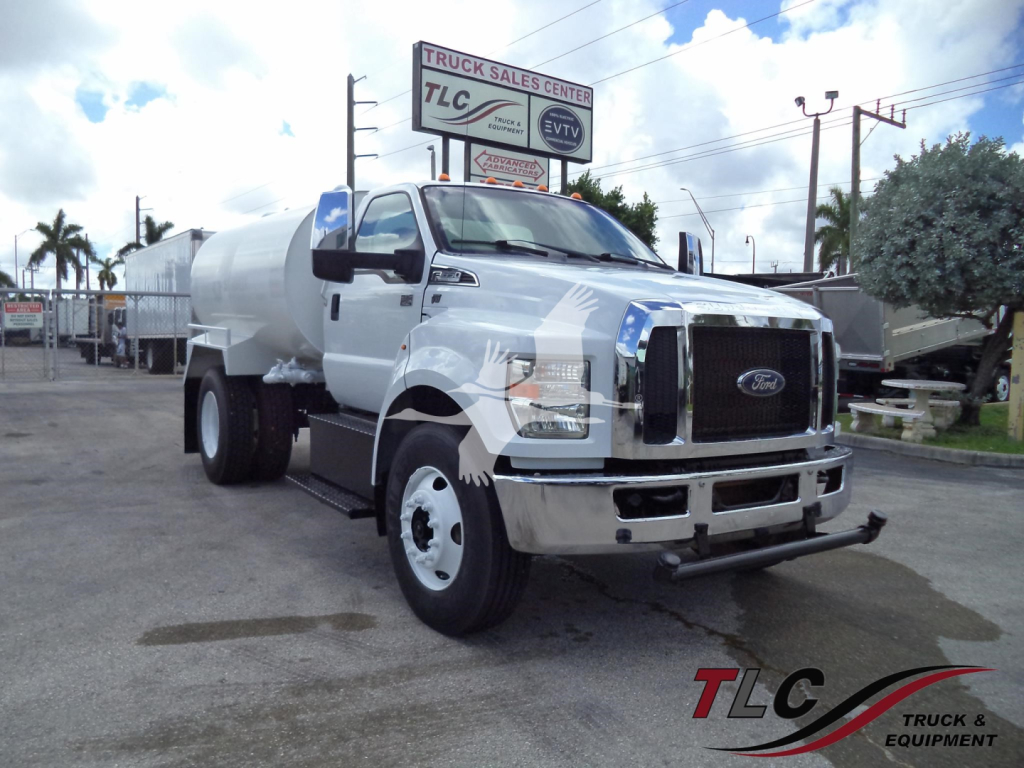
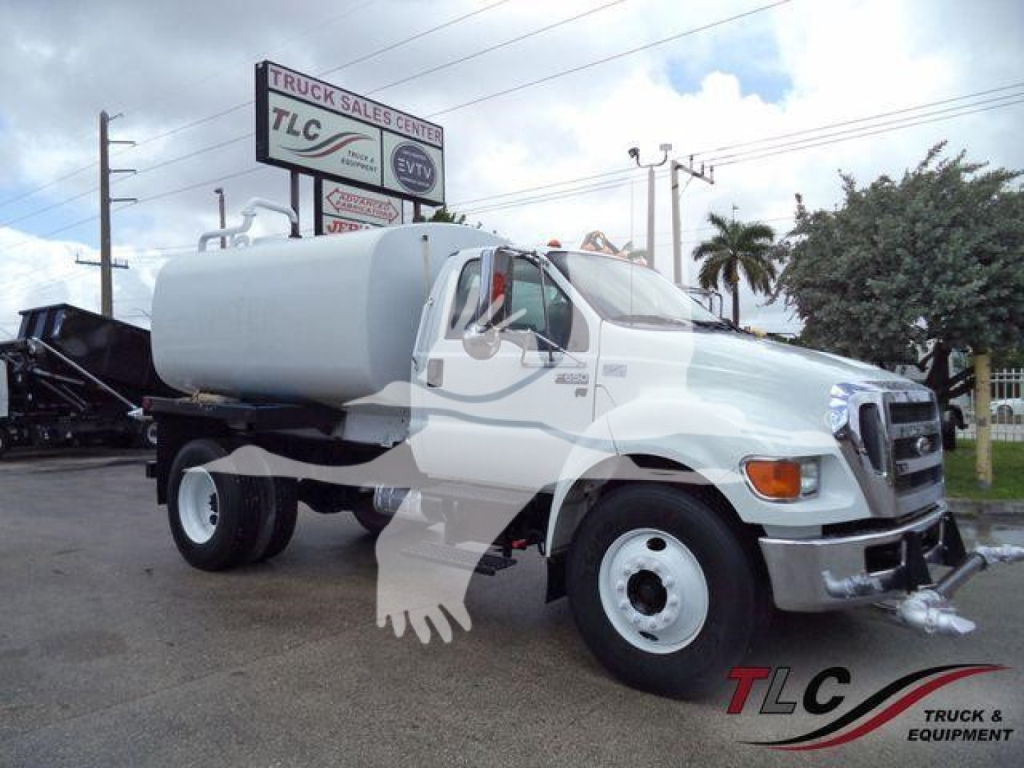
Selling a used ford water truck? List your used ford water truck for sale and reach thousands of commercial buyers.
Used Ford Water Trucks
The first buying decision is usually chassis size and water capacity. A medium-duty or heavy-duty Ford water truck may carry several thousand gallons, making it suitable for gravel roads, earthmoving sites, and general dust suppression. A lighter Ford chassis with a few hundred gallons is a different tool altogether, better matched to spot watering, line flushing, sewer jetting, washdown, or right-of-way maintenance. Buyers should look closely at axle ratings, suspension type, frame condition, PTO setup if equipped, and whether the truck was built as a dedicated tanker or fitted later with a skid or service package.
Tank and pump specs matter as much as the truck itself. Common items to inspect include tank material, internal baffling, pump type, spray heads, hose reels, plumbing layout, and valve condition. If the truck will be used on active jobsites, pay attention to pump output, rear and side spray coverage, and refill speed. For jetting or pressure-wash applications, the key numbers are water capacity, PSI, GPM, hose length, and engine or hydraulic drive configuration. Used municipal units can be a good value, but buyers should confirm how the equipment was maintained, whether the tank has corrosion or cracking, and if seasonal winterization was done properly.
Older Ford water trucks remain popular because parts support for many chassis and driveline components is still manageable, and the layouts are usually straightforward to service. The right unit depends less on badge and more on matching the truck to the work cycle. A road maintenance crew may prioritize gallon capacity and spray pattern control, while a utility department may care more about pressure, hose reach, and compact maneuverability. Reviewing tank size, pump performance, brake setup, transmission type, and overall chassis wear will tell you more than the model year alone.
Frequently Asked Questions about Used Ford Water Trucks
What are used Ford water trucks commonly used for?
Used Ford water trucks are commonly used for dust control, road spraying, construction site watering, washdown work, landscape support, and municipal or utility maintenance. Larger tank trucks are typically used on dirt roads, quarries, and jobsites where gallon capacity and spray coverage matter most. Smaller Ford units, especially Super Duty chassis with skid-mounted systems, are often used for sewer jetting, pressure washing, line flushing, and spot watering.
What should I check first on a used Ford water truck?
Start with the tank, pump, and chassis as a system. Check tank condition for rust, cracks, poor repairs, and secure mounting. Inspect the pump, plumbing, valves, hose reels, and spray heads for leaks or damage. Then review the chassis for frame corrosion, suspension wear, brake condition, PTO or hydraulic function, and axle ratings. A water truck can look serviceable while still needing major tank or pump work, so the body equipment deserves as much attention as the engine and transmission.
How do I choose the right tank size on a Ford water truck?
Choose tank size based on haul distance, refill access, surface area to be treated, and legal operating weight. A larger tank increases productivity on roadwork and dust suppression jobs but also adds weight that affects payload, braking, and off-road mobility. Smaller-capacity Ford water trucks are easier to maneuver and better suited for service work, urban routes, and applications where pressure or hose access matters more than total gallons carried.
Are older Ford water trucks still practical to own and maintain?
Yes, many older Ford water trucks are still practical when the truck has been maintained and the equipment is straightforward. Older vocational Ford chassis are valued for simple mechanical systems and familiarity in agricultural, construction, and municipal fleets. The main concern is not age by itself, but the condition of the tank, pump, plumbing, frame, and driveline. A well-kept older truck can be more useful than a newer unit with neglected water system components.
What is the difference between a Ford water truck and a Ford jetter truck?
A Ford water truck usually refers to a truck carrying water for spraying, dust suppression, or general transport, often with gravity or pump-fed spray bars and nozzles. A Ford jetter truck is built around high-pressure water delivery for cleaning or clearing lines, catch basins, drains, or sewer systems. Jetter setups are defined more by PSI, GPM, hose capacity, and reel arrangement, while standard water trucks are usually evaluated by tank capacity, pump flow, and spray coverage.