
Water Trucks For Sale
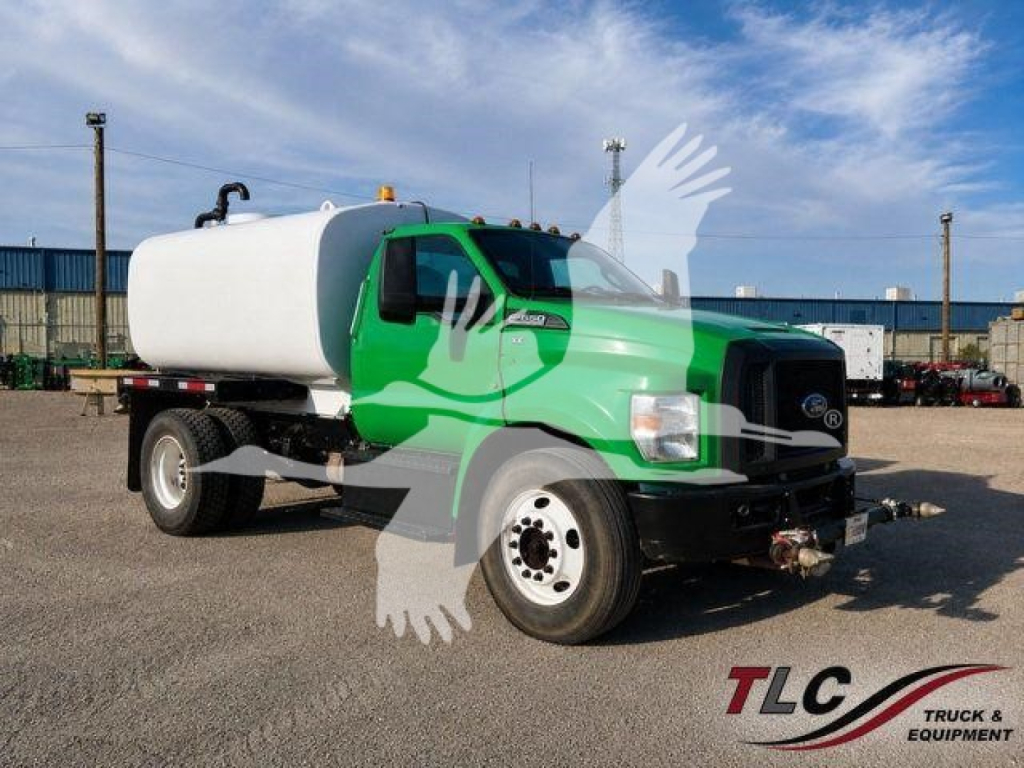
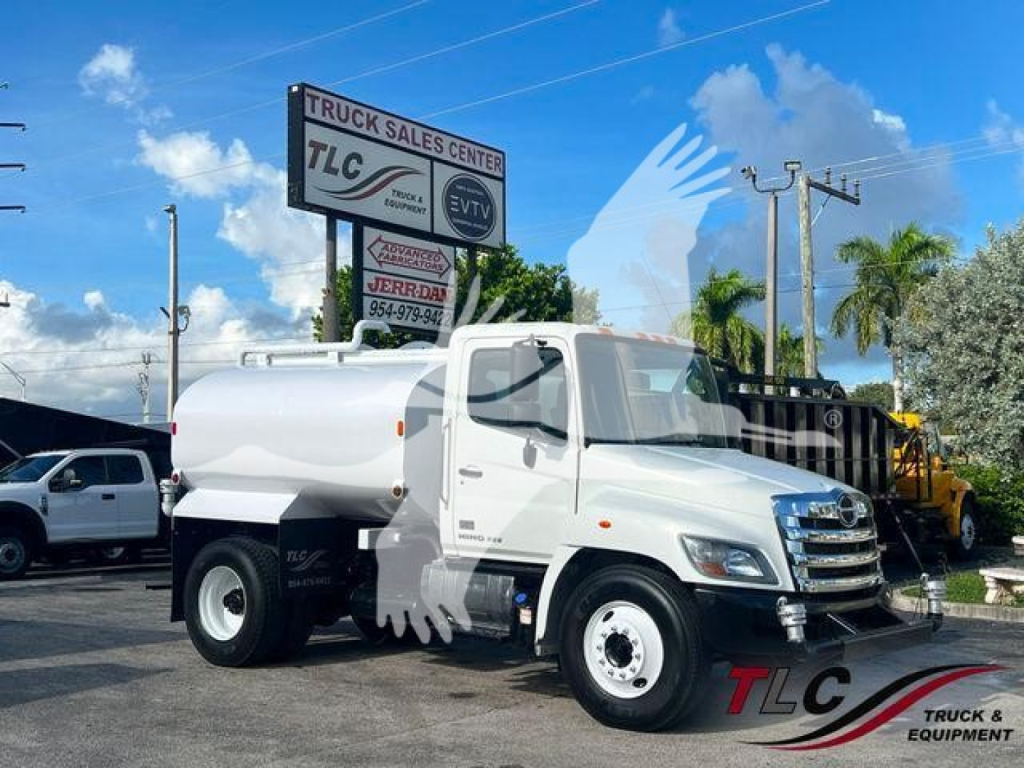
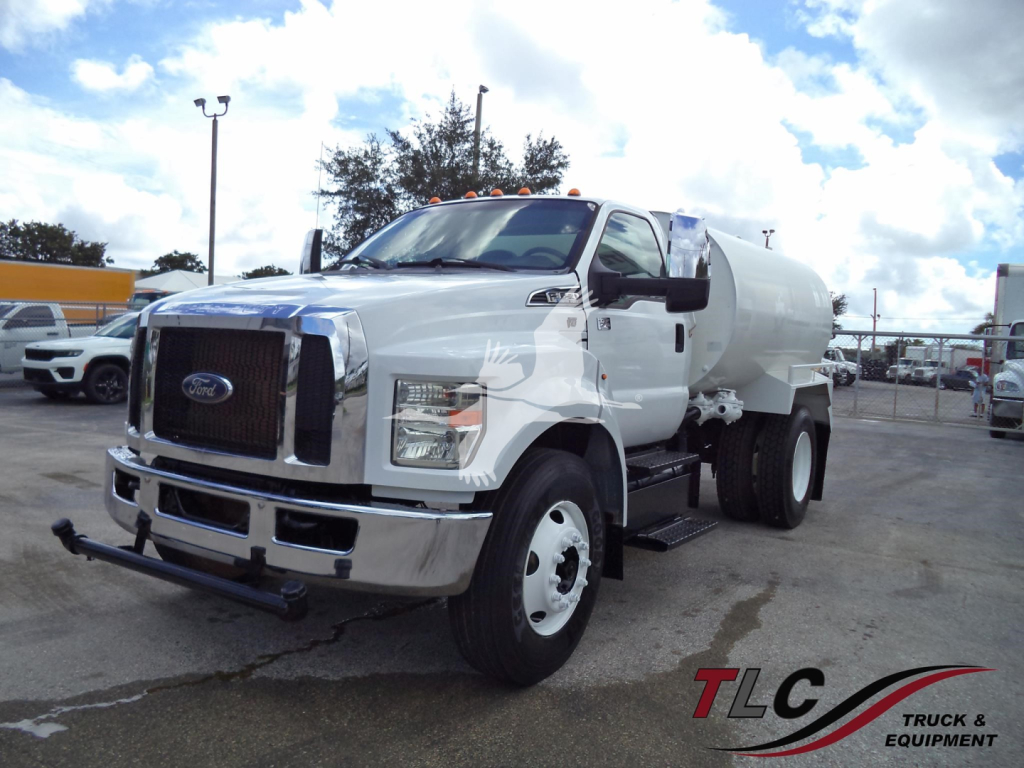
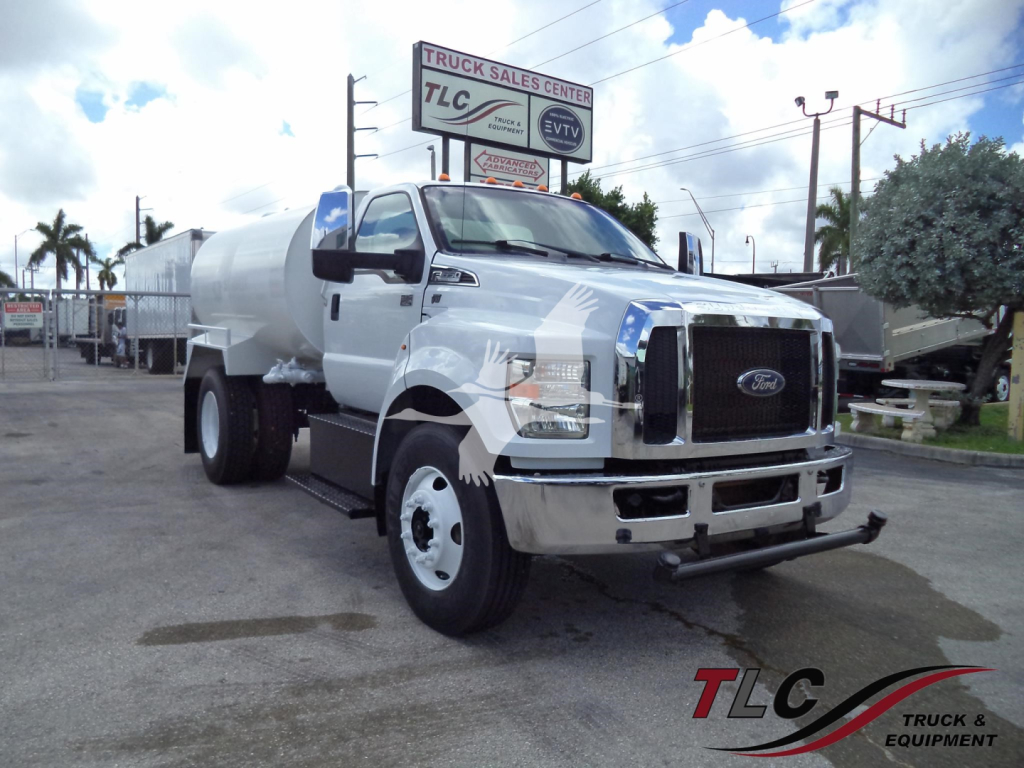
Water trucks for dust control, compaction, and fire support. Compare 2,000-10,000 gal tanks, pumps, spray systems, and on or off-road chassis.
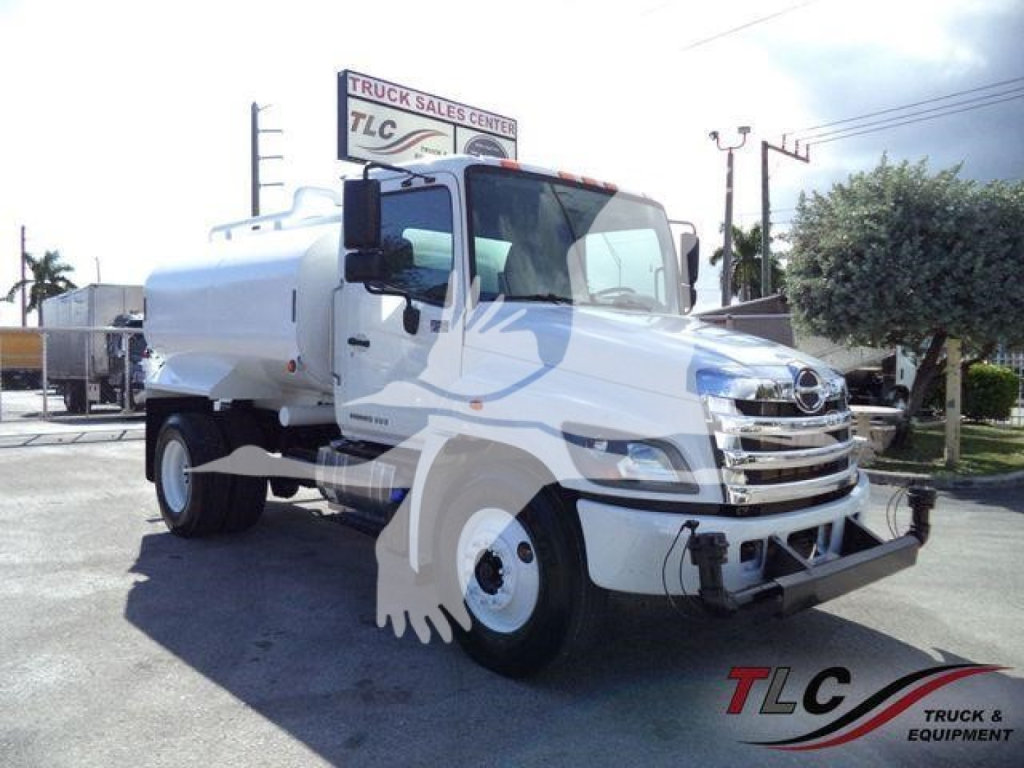
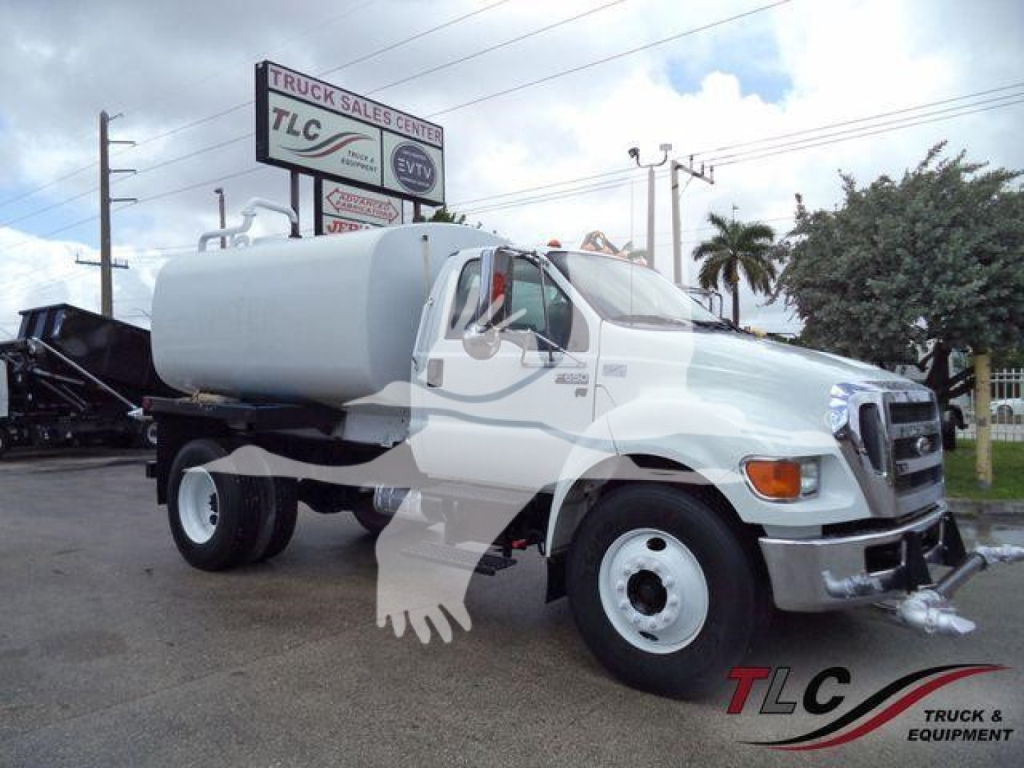
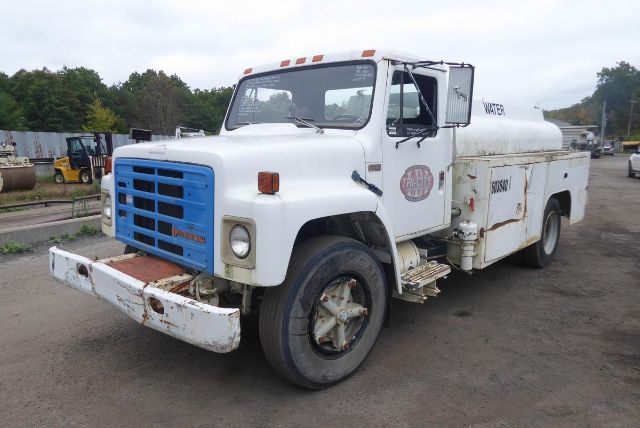
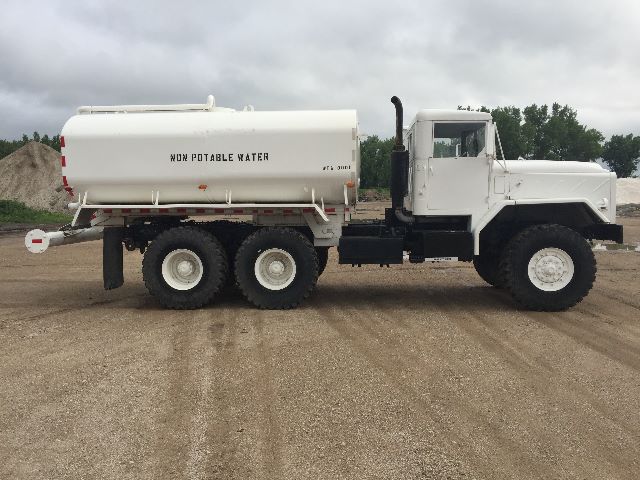
Selling a water truck? List your water truck for sale and reach thousands of commercial buyers.
Water Trucks
Tank construction and plumbing determine performance and service life. Elliptical tanks lower the center of gravity and improve stability compared with round profiles. Carbon steel is durable and economical but needs quality coatings; stainless increases corrosion resistance and potable compatibility at a higher cost; aluminum saves weight and resists rust but is more vulnerable to impact damage. Anti-surge baffles and compartmented tanks control water movement that can upset handling. Common plumbing is 3 or 4 inch with a self-priming centrifugal pump sized for high flow at moderate pressure, feeding front, mid, and rear spray bars, side nozzles, and an optional roof or rear water cannon. Air or electric valves with in-cab controls let the operator meter zones and patterns, and a hydrant fill with air gap and backflow protection keeps municipalities satisfied. Drafting capability with suction hose and strainer adds flexibility on remote sites.
Most vocational builds use a PTO-driven or hydraulic-driven pump, eliminating a separate engine and simplifying refueling. Allison 3000 or 4000 series automatics dominate for slow-speed site work, though manuals still appear on budget builds. For off-pavement traction, look for 6x4 with locking differentials, low axle ratios, and heavy-duty suspension such as walking beam or rubber block; on-road municipal duty favors air-ride for ride quality. Spec tires to the terrain, add an engine brake for downhill control, and verify DOT lighting, fenders, ladders, handrails, and non-slip catwalks for safe filling and maintenance. Backup cameras, work lights, and cab-mounted spray controllers cut cycle times and reduce rework.
Applications drive options. Dust control and compaction call for wide spray coverage and consistent flow; a flow meter can document usage and help chargebacks. Fire support benefits from a high-flow monitor, hose reels, and quick-reconnect hydrant fittings. Pipeline testing and plant work often require higher pressure and accurate metering. Potable service needs NSF-approved tank linings or stainless, food-grade hoses, sealed manways, and confirmed backflow prevention at the fill point. In cold regions, ask for insulated tanks, heated pump boxes, recirculation or drain-down manifolds, and low-point drains to prevent freeze damage. In hot, arid regions, capacity and fast refill hardware reduce cycle time between water points.
Also known as: Water Tanker Truck, Water Tank Truck
Frequently Asked Questions about Water Trucks
How much tank capacity do I need in a water truck?
Start with cycle time and road width. Small grading and subdivision projects run well with 2,000 to 2,500 gallons on a single axle, which keeps turning radius tight and curb weight low. Highway and plant sites usually benefit from 3,000 to 4,000 gallons on a tandem, balancing coverage and legal axle weights. Quarries and mines that never touch public roads can jump to 7,000 to 10,000 gallons on articulated carriers to reduce trips. Always verify loaded axle weights, stopping distance, and slope conditions before increasing capacity.
Which tank material is best for a water truck?
Carbon steel remains the value pick for non-potable dust control and compaction, provided the interior is coated and the exterior is maintained. Stainless steel adds corrosion resistance and is the preferred choice when cross-using for potable water or in coastal and chemical environments, but it increases upfront cost. Aluminum shaves weight to free up payload on single axles and resists rust, yet it dents more easily off-road and can be more difficult to repair. For the most stable handling, choose an elliptical, baffled design regardless of material.
Should I choose a PTO-driven pump or an auxiliary engine pump?
Most fleets prefer PTO-driven or hydraulic-driven centrifugal pumps for simplicity and lower fuel burn, since the truck engine already powers the system. Auxiliary engine-driven pumps can deliver high flows independent of engine RPM and let operators spray while stationary without idling the main engine as high, but they add another engine to maintain and refuel. Self-priming centrifugal pumps in the 3 or 4 inch class are common for dust control because they move high volumes at moderate pressure; positive displacement pumps are uncommon unless higher pressure is required for specialized tasks.
Can a water truck be used for potable water delivery?
Yes, but the truck must be built or converted for sanitary service. That means NSF-certified tank lining or stainless steel, dedicated potable-only hoses and fittings, sealed manways, smooth welds, and a documented sanitation process. Many municipalities also require an air gap or approved backflow preventer when filling from hydrants, and operators may need permits. Mixing potable and non-potable service on the same tank is rarely worth the risk.
What is the difference between on-road and off-road water trucks?
On-road water trucks are built on DOT-compliant Class 6 to 8 chassis with road speeds, lighting, brakes, and emissions equipment suitable for public highways, typically carrying 2,000 to 5,000 gallons. Off-road units ride on rigid or articulated earthmoving carriers with high ground clearance, heavy-duty suspensions, and 7,000 to 10,000 gallon tanks, trading highway legality for stability on rough haul roads. If your routes include any public road, stay with a highway chassis; if production is limited by rough terrain cycle times, consider an articulated water truck.