
Water Trucks For Sale in Florida
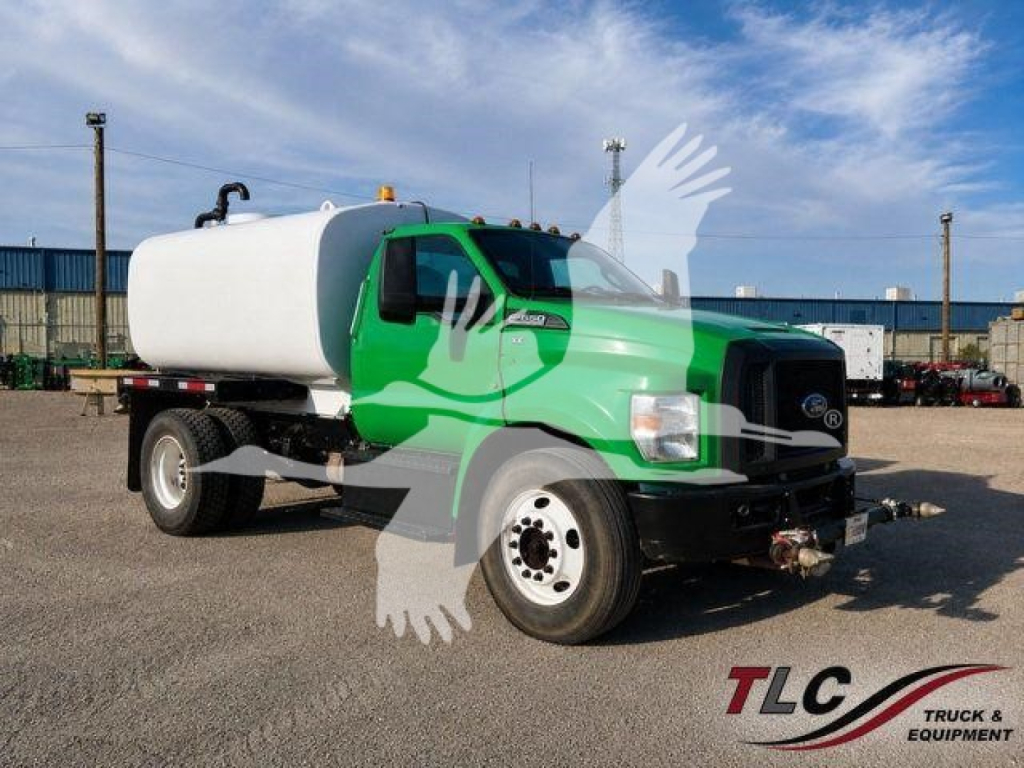
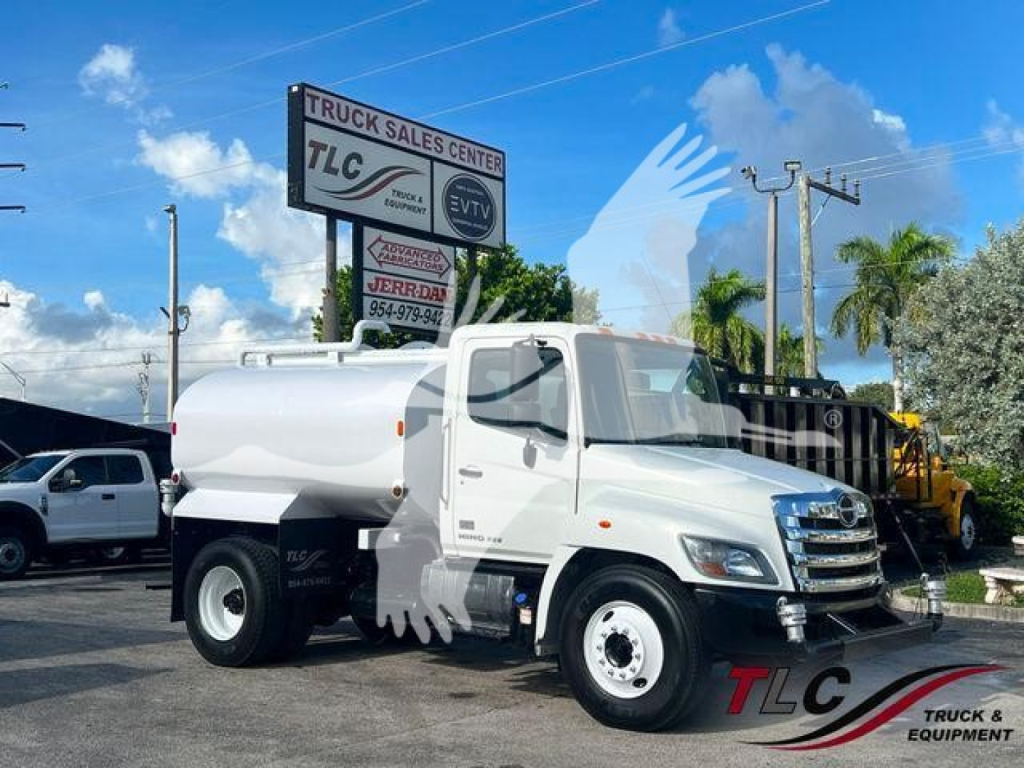
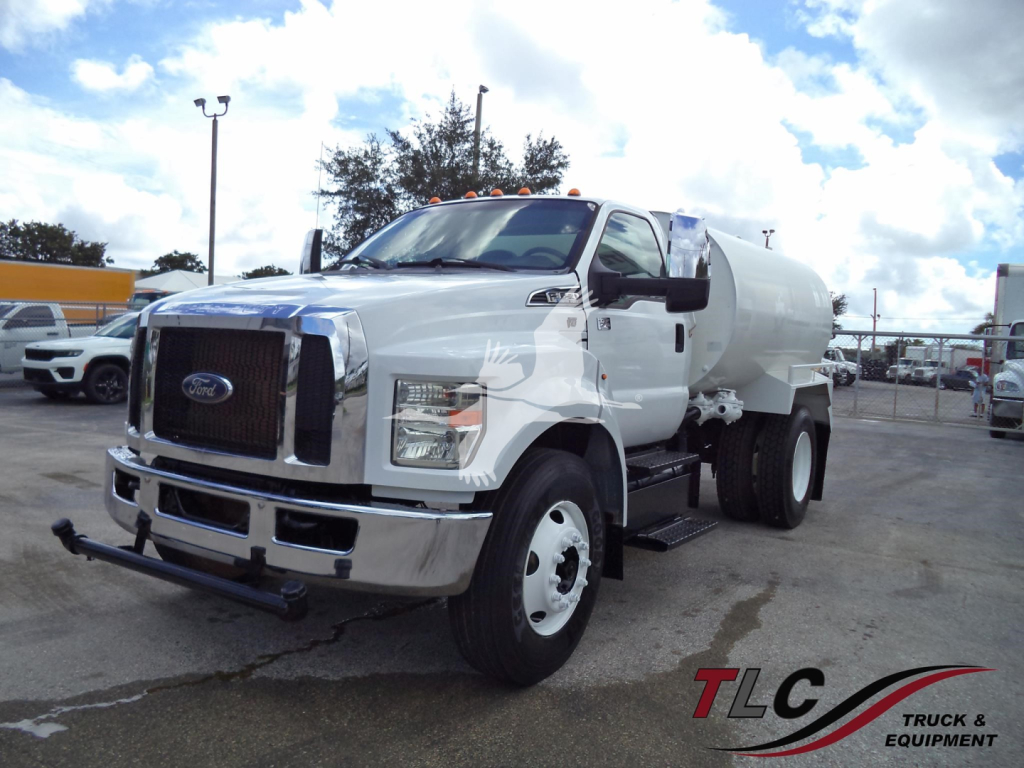
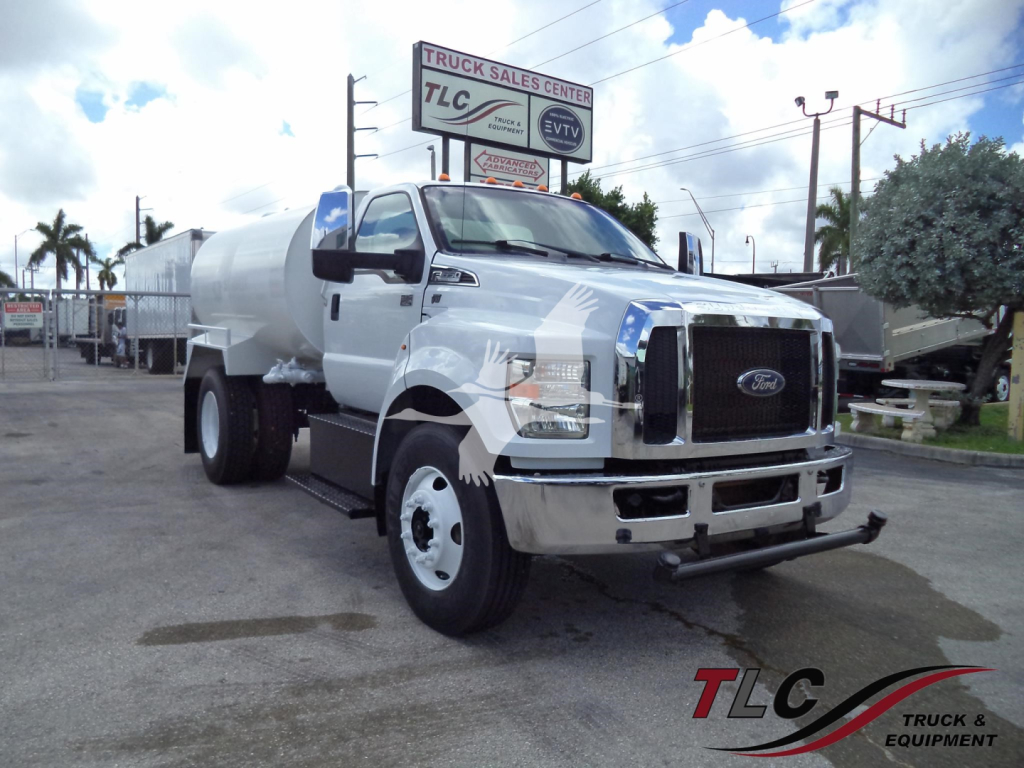
Used water trucks for sale in Florida, including 2,000-gallon models for dust control, site watering, road work, and municipal applications.
Selling a water truck? List your water truck for sale and reach thousands of commercial buyers.
Water Trucks in Florida
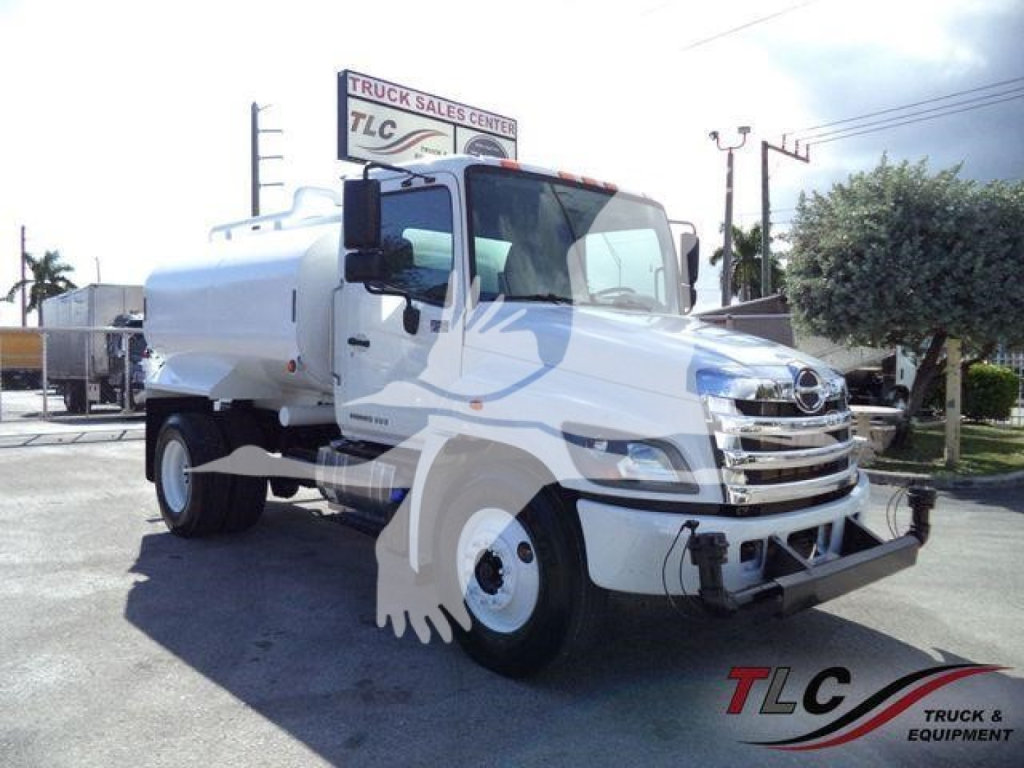
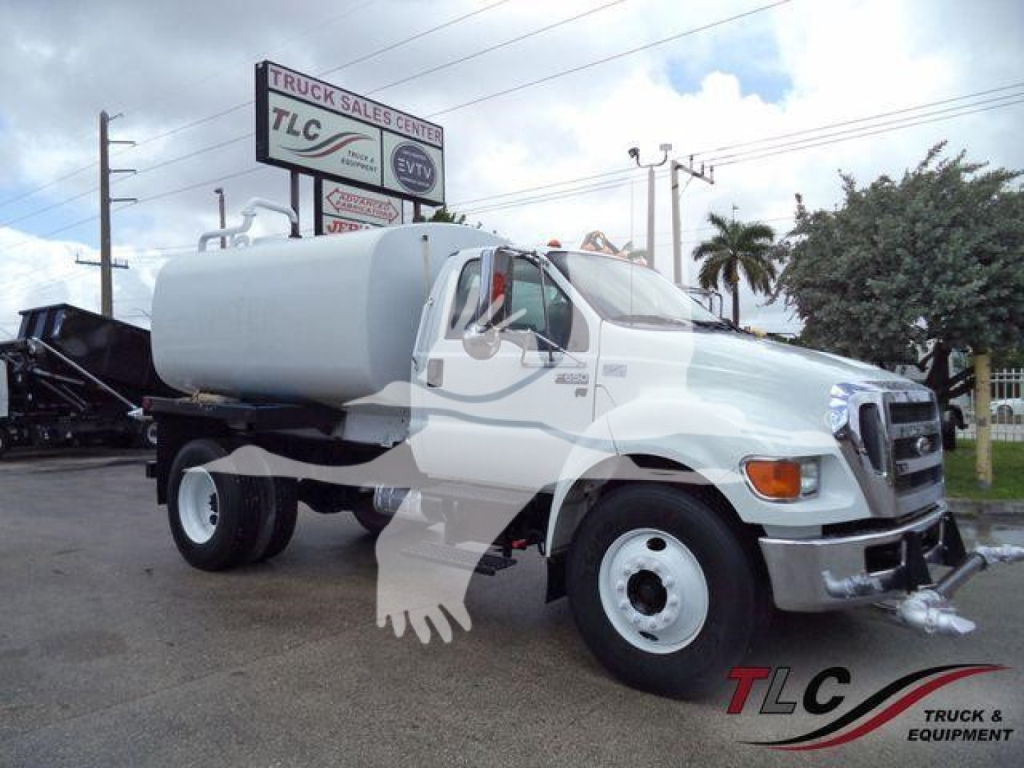
A 2,000-gallon water truck is a practical size for many contractors because it balances payload, maneuverability, and operating cost. On medium-duty chassis such as a Ford F-650 or Hino 338, this setup is well suited for tighter job sites and urban routes where a larger tandem-axle truck can be harder to place. Typical specs in this range include GVWRs from around 25,999 to 33,000 pounds, spring suspension, 11R22.5 tires, and automatic transmissions. Diesel engines are common for fleet duty cycles, but gasoline units still show up in this category and can make sense for lighter annual use, simpler maintenance preferences, or operations with shorter route patterns.
The upfit matters as much as the truck underneath it. A good water truck body usually includes a steel tank with internal coating or lining for corrosion resistance, baffling to control surge, a PTO pump sized for both spray and hose work, and multiple discharge points. Front spray heads help with approach coverage, rear spray is standard for roadway or yard application, and a rear spray bar improves even distribution. A hose reel adds flexibility for washing equipment, watering specific areas, or reaching spots where the truck cannot back in safely. Tank construction, plumbing layout, valve access, and pump serviceability all affect long-term uptime.
For Florida buyers, rust prevention, cooling performance, and jobsite versatility should be part of the decision. Frequent exposure to heat, humidity, and standing water puts extra importance on tank coating condition, frame cleanliness, and the state of plumbing components, seals, and spray nozzles. Check wheelbase against the body length and turning needs of your work zone, and confirm that axle ratings match the intended payload when the tank is full. A well-matched water truck should deliver reliable spray control, predictable handling under load, and a body configuration that fits the kind of dust control or watering work you do every day.
Frequently Asked Questions about Water Trucks in Florida
What size water truck is best for construction and dust control work?
A 2,000-gallon water truck is a common choice for small to mid-size construction sites, paving support, and dust control because it offers a good balance of capacity and maneuverability. It carries enough water for routine spraying without the size, axle requirements, and site access limitations that come with larger tandem-axle units. The right size depends on haul distance, refill access, site acreage, and how often the truck will be used for continuous spraying versus spot application.
What features should I look for on a used water truck?
The most important features are tank condition, pump operation, spray system layout, and chassis ratings. Buyers should inspect the tank for corrosion, lining failure, leaks, poor repairs, and signs of internal contamination. Confirm the PTO engages properly, the pump builds pressure, the spray heads function evenly, and the hose reel works as intended. It is also important to check baffling, valve condition, plumbing integrity, axle ratings, and whether the full tank weight stays within the truck's GVWR.
Are steel tank water trucks a good choice?
Steel tank water trucks are widely used because they are durable, repairable, and well suited for jobsite use. A properly coated or lined steel tank can provide long service life, but condition matters more than material alone on a used unit. In humid climates like Florida, buyers should pay close attention to interior lining condition, exterior corrosion, weld quality, and the state of mounts and supports. A clean, well-maintained steel tank can be an excellent long-term choice.
Do I need a CDL to operate a water truck?
That depends on the truck's GVWR and local operating rules. Many medium-duty water trucks are built at 25,999 pounds GVWR specifically to stay below the federal CDL threshold, while others are rated at 26,001 pounds or more and may require a CDL. Buyers should verify the actual door-tag GVWR, axle ratings, and any state or municipal requirements tied to the application. Licensing, endorsements, and insurance requirements can differ based on how the truck is used.
Why is wheelbase important on a water truck?
Wheelbase affects turning radius, body fit, weight distribution, and how the truck handles a moving liquid load. A shorter wheelbase can help on tighter sites, but it still needs to match the tank and equipment layout correctly. If the wheelbase is not well matched to the upfit, the truck may have poor balance, limited hose reel access, or awkward spray equipment placement. Buyers should look for a combination that supports stable handling when the tank is full and practical maneuvering at the jobsite.