
Ford Water Trucks For Sale
Shop Ford water trucks with tank and jetting configurations for dust control, washdown, utility work, and municipal fleet applications.
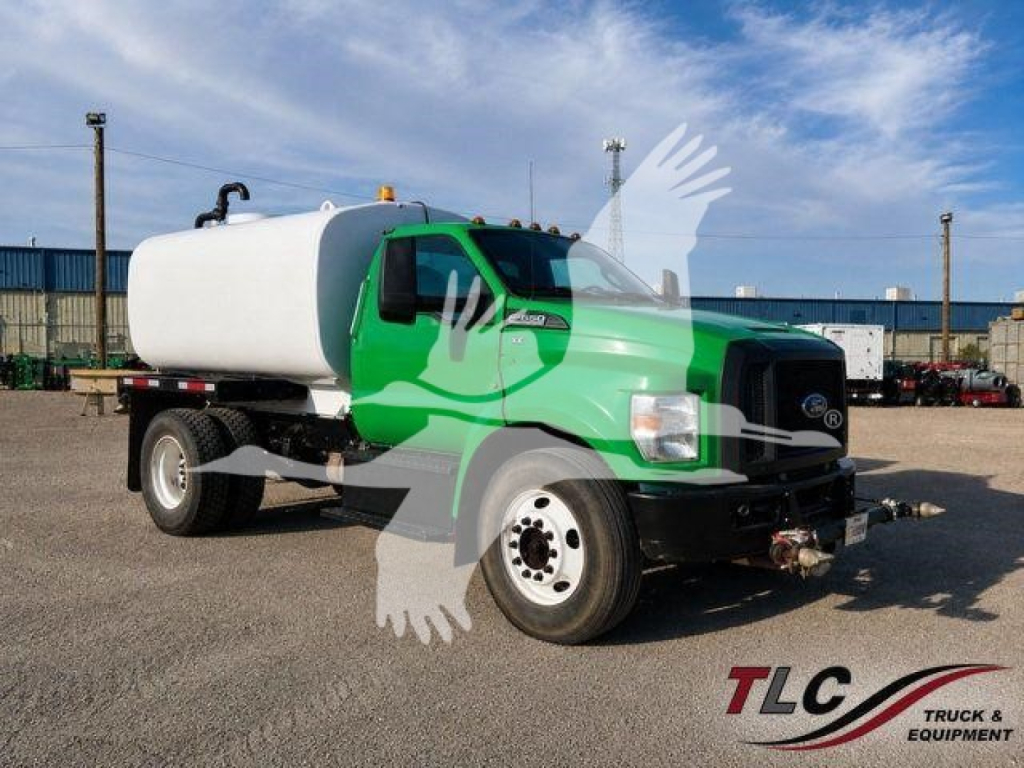
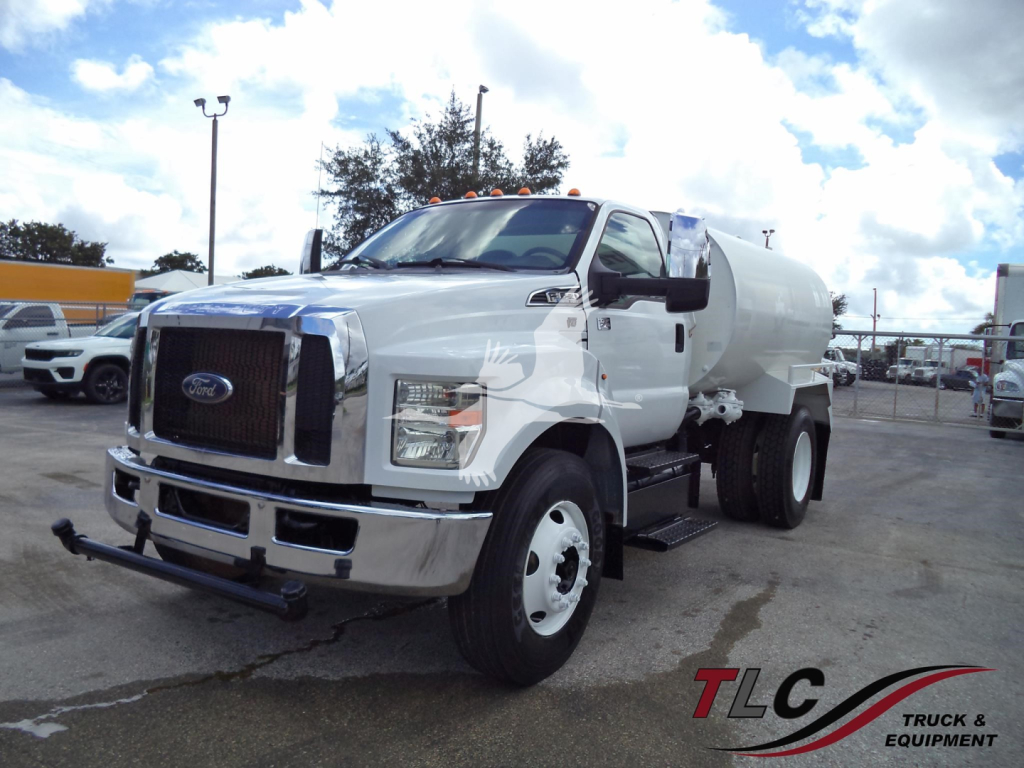
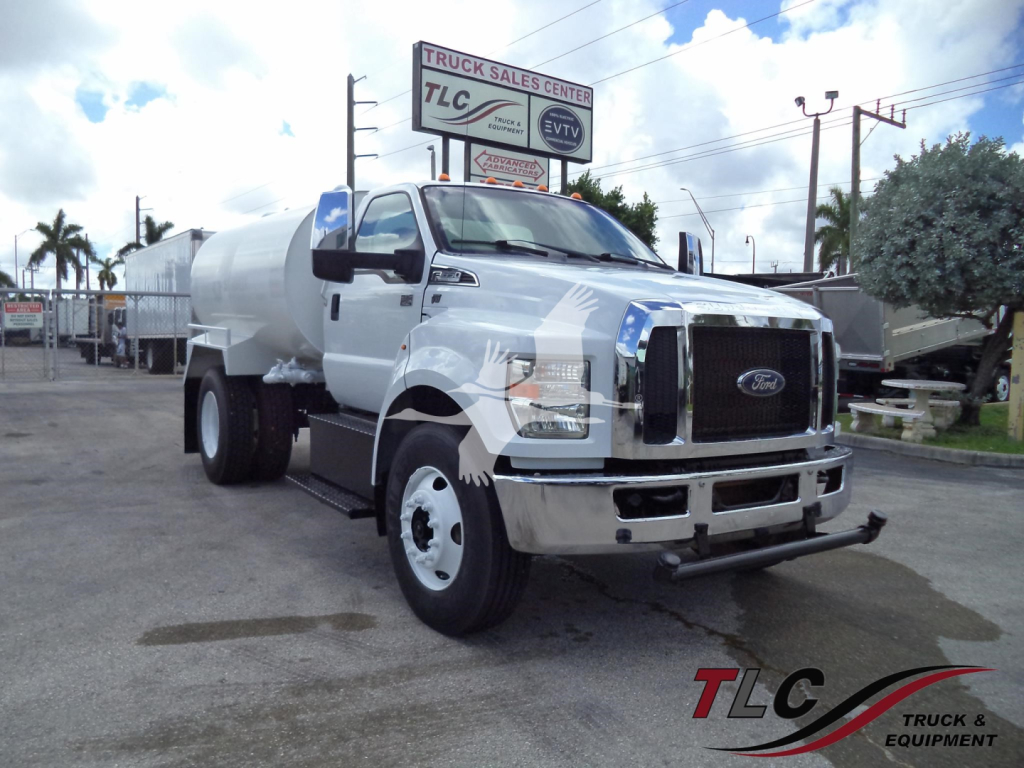
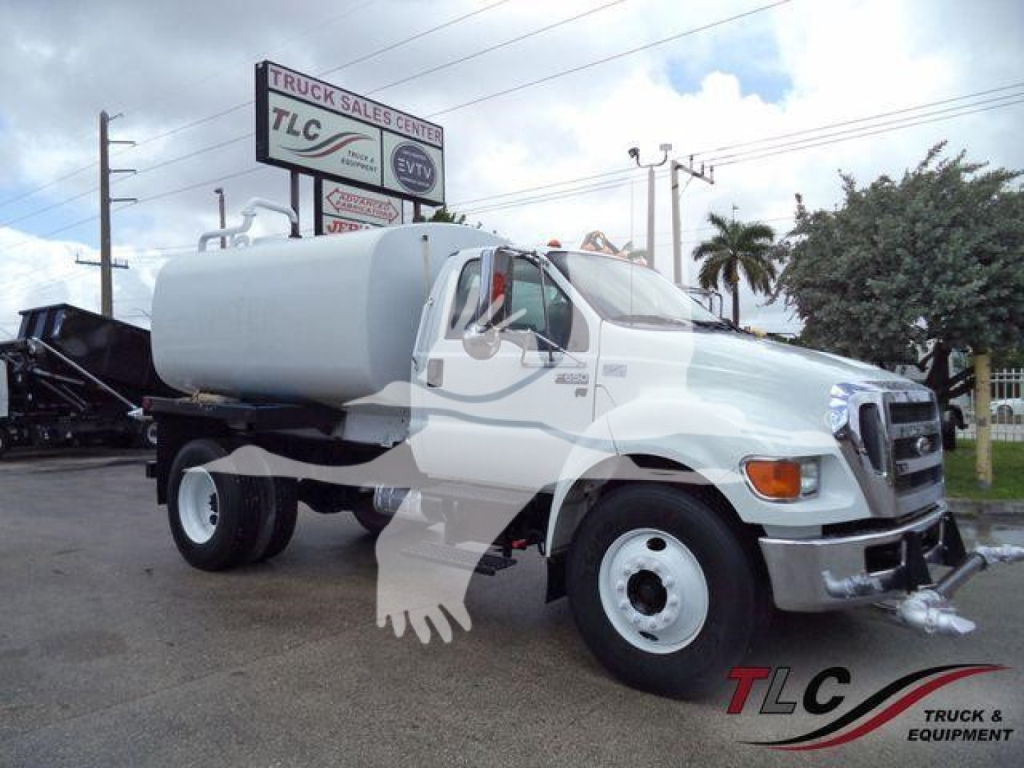
Selling a ford water truck? List your ford water truck for sale and reach thousands of commercial buyers.
Ford Water Trucks
The first decision is usually tank and pump configuration. Buyers comparing Ford water trucks should look at usable tank capacity, baffling, pump type, spray system layout, and whether the unit is built for gravity flow, pressure spray, or high-pressure jetting. Smaller units may carry a few hundred gallons with a skid system, hose reel, and pressure washer or sewer jetter package. Larger trucks may use a dedicated water tank with rear, side, and front spray heads for road wetting and dust suppression. PTO-driven pumps are common on traditional water trucks, while auxiliary engine-driven skid systems are often found on service-oriented builds.
Chassis class and operating environment are just as important as the tank. Ford Super Duty water trucks are easier to run in tight urban areas, treatment plants, campuses, and utility corridors. Heavier Ford models, including older vocational platforms, are more appropriate for construction sites, county roads, quarries, and agricultural work where payload and ruggedness outweigh ride quality or cab amenities. Buyers should confirm axle ratings, brake type, transmission spec, wheelbase, and turning radius, especially if the truck will operate on uneven job sites or in stop-and-go municipal service.
Condition on a water truck is often defined more by the body system than the badge on the hood. Tank corrosion, pump wear, plumbing leaks, valve condition, hose reel function, and spray bar performance can be more important than cosmetic appearance. It also pays to check for signs of internal tank rust, cracked mounts, winterization damage, and outdated controls. On older Ford water trucks, parts support for the chassis should be weighed alongside the replacement cost of pumps, nozzles, plumbing, and any specialty jetting equipment. A well-matched Ford water truck can be a practical fit for fleets that need a straightforward vocational chassis for dust suppression, washdown, hydro support, or municipal maintenance.
Frequently Asked Questions about Ford Water Trucks
What are Ford water trucks commonly used for?
Ford water trucks are commonly used for dust control, road wetting, construction site support, washdown, utility maintenance, and municipal service work. Smaller Ford chassis are often configured with pressure-wash or jetting skids for sewer cleaning, facility maintenance, and line flushing. Larger vocational Ford trucks are more often used for hauling water and applying it through spray heads or bars on roads, lots, and job sites.
What should I check first on a used Ford water truck?
Start with the water system, not just the chassis. Tank condition, pump operation, plumbing integrity, valve function, spray head performance, and hose reel condition usually have the biggest impact on usability and repair cost. After that, confirm the Ford chassis specifications including GVWR, axle ratings, transmission, brake system, and wheelbase to make sure the truck matches the intended job and legal operating weight.
How do I choose between a smaller Ford F-Series water truck and a larger Ford vocational model?
A smaller Ford F-Series unit is usually the better fit for tight-access work, municipal maintenance routes, plant service, and jetting or washdown applications where maneuverability is critical. A larger Ford vocational truck makes more sense when the job requires more gallons, longer run time between fills, or a dedicated spray setup for dust suppression and road work. The right choice depends on where the truck will operate, how much water the application consumes, and whether the truck needs pressure, volume, or both.
Are Ford water trucks usually set up with spray systems or jetting systems?
Both setups are common, but they serve different purposes. Spray-system water trucks are built for distributing water through front, side, or rear nozzles for dust control and surface wetting. Jetting systems use high-pressure pumps, hose reels, and specialized plumbing for cleaning lines, culverts, equipment, or hard surfaces. Buyers should verify which system is installed because a truck built for one application may require significant modification to perform the other.
What maintenance issues are common on older water trucks?
Older water trucks often show wear in pumps, seals, valves, plumbing joints, and tank mounts. Corrosion inside the tank and in low-point plumbing is common, especially if the truck was not properly drained or winterized. On the chassis side, older vocational trucks may also need attention to brake components, steering parts, electrical wiring, and driveline seals. A careful inspection should include both the truck and the complete water delivery system.