
Used Ford Commercial Trucks For Sale in Virginia
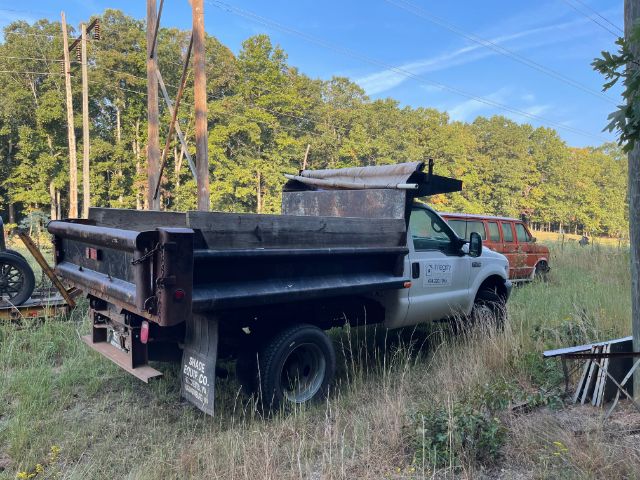
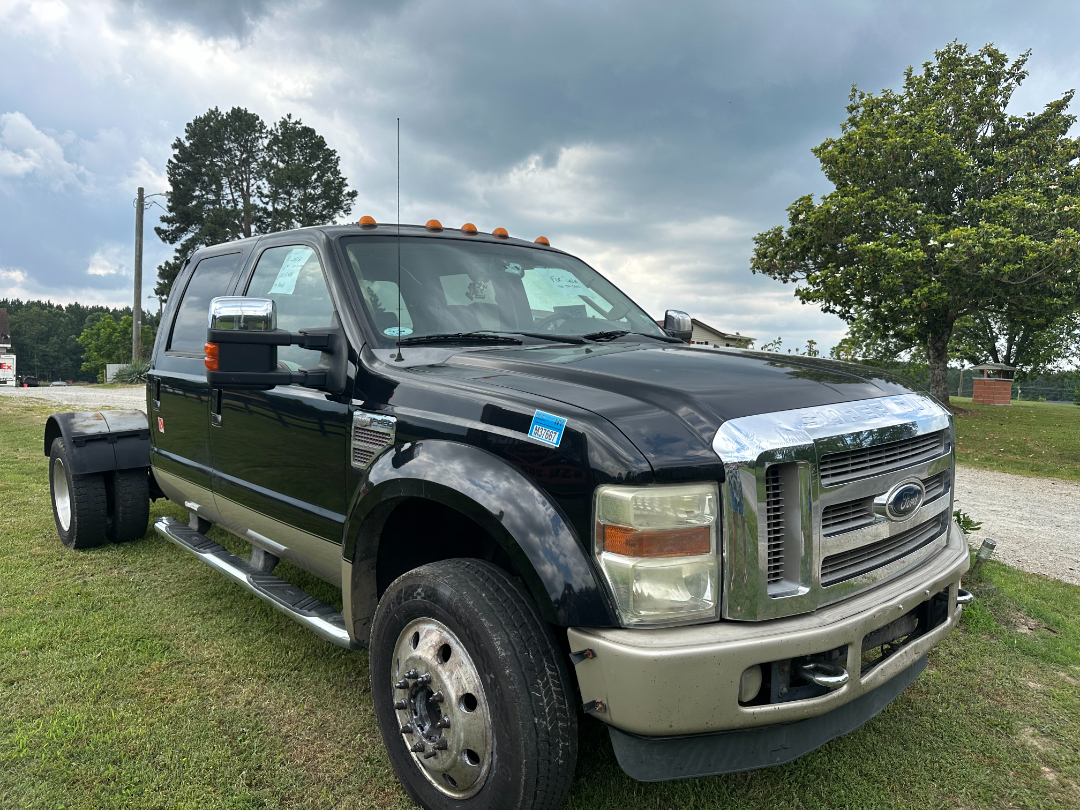
Browse used Ford trucks in Virginia, including F-350 and F-450 work trucks, dump trucks, service bodies, and other commercial setups.

Have used ford commercial truck to sell? List it here to reach thousands of buyers.
Used Ford Commercial Trucks in Virginia
On the used market, Ford work trucks in this class are often found with gas or diesel V8 engines, automatic transmissions, and either 2WD or 4WD. A diesel F-350 or F-450 is typically favored for heavier towing, sustained load work, and utility applications, while gas-powered trucks can make sense for shorter routes and lower annual miles because maintenance is often simpler. Body upfit matters as much as the chassis. Service and utility bodies should be checked for compartment condition, rust at mounting points, PTO operation if equipped, ladder racks, receiver hitch rating, and any signs of frame drilling or modification. On dump configurations, pay close attention to hoist condition, bed floor wear, hinge points, and hydraulic leaks.
Virginia buyers should also factor in corrosion exposure, especially on trucks that may have seen winter road treatment, municipal use, or coastal operation. Frame condition, cab corners, rocker panels, brake lines, bed crossmembers, and wiring repairs deserve a close inspection. On higher-mile Super Duty trucks, common decision points include front-end wear, ball joints, steering play, injector or turbo history on diesel units, cooling system service, and proof of regular maintenance. A truck with documented engine replacement, brake work, suspension repairs, or fleet service records can be more valuable than a lower-priced unit with limited history.
The best used Ford truck is usually the one whose axle rating, wheelbase, and upfit match the work without forcing immediate reconfiguration. A service truck needs usable compartment layout and clean electrical integration. A dump truck needs a solid hoist and bed, not just a clean cab. An auto carrier or tow-oriented setup needs the right rear axle, hitch equipment, and brake capacity. Ford trucks remain popular because they are easy to source, familiar to operators, and available in many vocational configurations, but buyers still need to evaluate the truck as a complete work platform rather than just a badge and model year.
Frequently Asked Questions about Used Ford Commercial Trucks in Virginia
What should I look for first on a used Ford work truck?
Start with the truck’s intended application and confirm the chassis is matched to the body and load. Check GVWR, axle ratings, drivetrain, cab style, wheelbase, and body condition before focusing on cosmetic items. On a used Ford F-350 or F-450, service history is especially important, along with front suspension wear, brake condition, frame rust, and any signs of electrical modifications from prior upfits.
Is a diesel or gas Ford truck better for commercial use?
It depends on duty cycle. Diesel Ford trucks are generally better for frequent towing, heavier payloads, and long operating hours because they deliver stronger low-end torque and tend to suit sustained commercial use. Gas trucks can be a practical choice for local service work, lighter hauling, and lower annual mileage where lower acquisition cost and simpler maintenance matter more than maximum pulling power.
Are used Ford F-350 and F-450 trucks good choices for service and utility bodies?
Yes, these models are widely used for service and utility applications because they offer strong chassis capability, broad upfit compatibility, and excellent parts availability. The key is to inspect the body as closely as the truck. Tool compartments, latches, shelving, ladder racks, hitch equipment, and wiring for lights or inverters all affect real jobsite value. A clean chassis with a worn-out body can become expensive quickly.
What problems are common on older used Ford commercial trucks?
Common issues vary by engine and model year, but buyers often find front-end wear, steering looseness, brake and suspension repairs, rust on frames and body mounts, and deferred maintenance on cooling or transmission systems. Diesel units may also require close review of injector, turbo, emissions, and fuel system history. On vocational trucks, hydraulic systems, PTO components, and body mounting hardware are frequent inspection points.
Does location in Virginia matter when buying a used Ford truck?
Yes. A Virginia truck may have lower corrosion than units from harsher northern markets, but condition still depends on where and how it was used. Coastal exposure, winter road treatment, and municipal or utility service can all accelerate rust and electrical wear. It is smart to inspect the undercarriage, brake lines, frame, wiring, and body mounts carefully, even if the cab and paint present well.