
Used Ford Commercial Trucks For Sale in North Carolina
Have used ford commercial truck to sell? List it here to reach thousands of buyers.
Used Ford Commercial Trucks in North Carolina
Engine and driveline specs matter more than badge alone. Many used Ford commercial trucks in this class are powered by diesel engines, including the 6.7L Power Stroke in lighter chassis applications and Cummins-powered setups in medium-duty models like the F-650 and F-750. Buyers should compare horsepower and torque against the body installed, especially on dump trucks and utility trucks carrying compressors, cranes, generators, or reel carriers. Transmission type is another key checkpoint. Automatic transmissions are common in fleet service, while some older medium-duty trucks use manual gearboxes that may appeal to buyers who want simpler driveline service. Brake type also matters. Hydraulic brakes can be fine for lighter applications, but air brakes are often preferred on heavier GVWR trucks and on trucks that see regular commercial road use with higher loads.
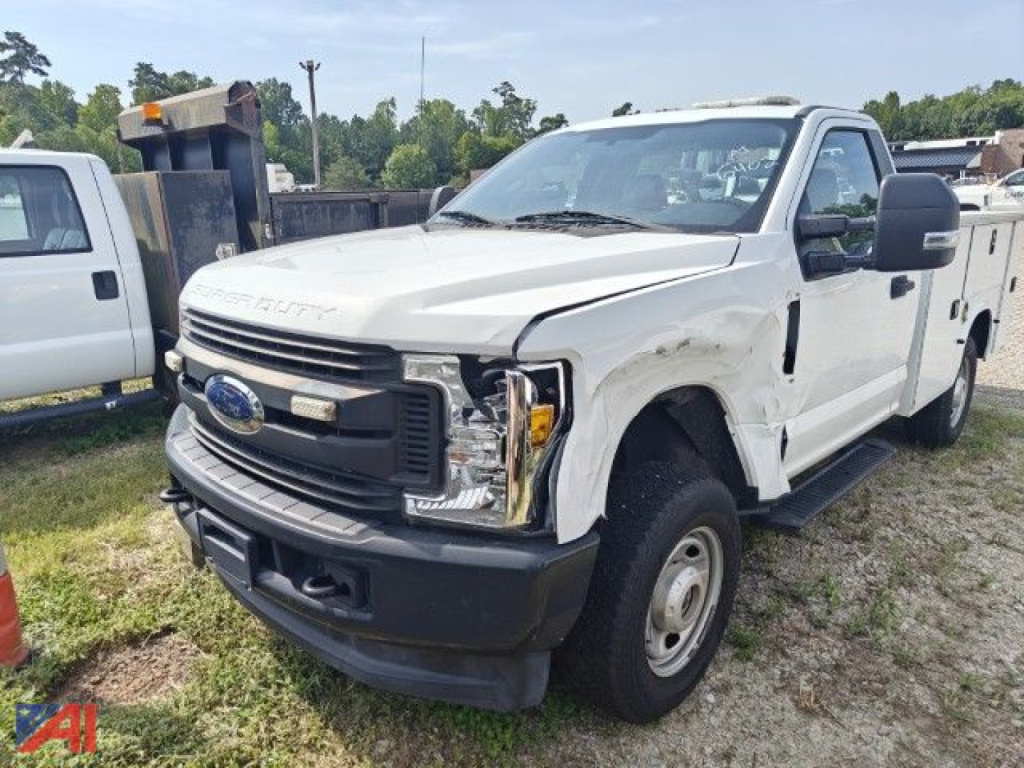
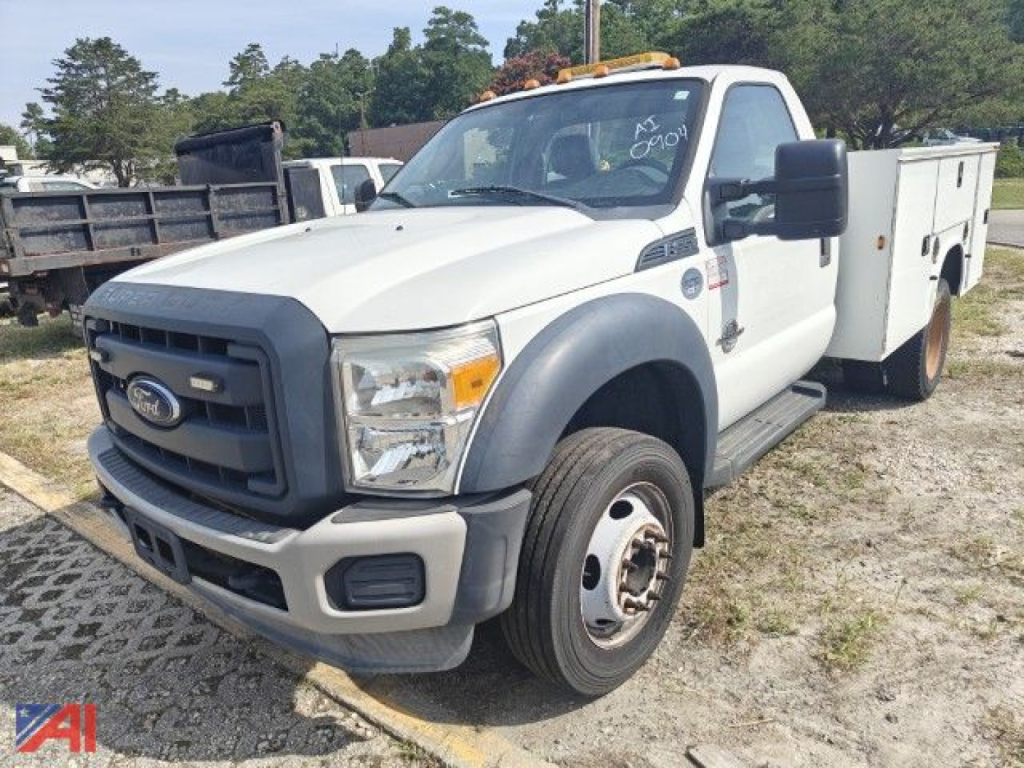
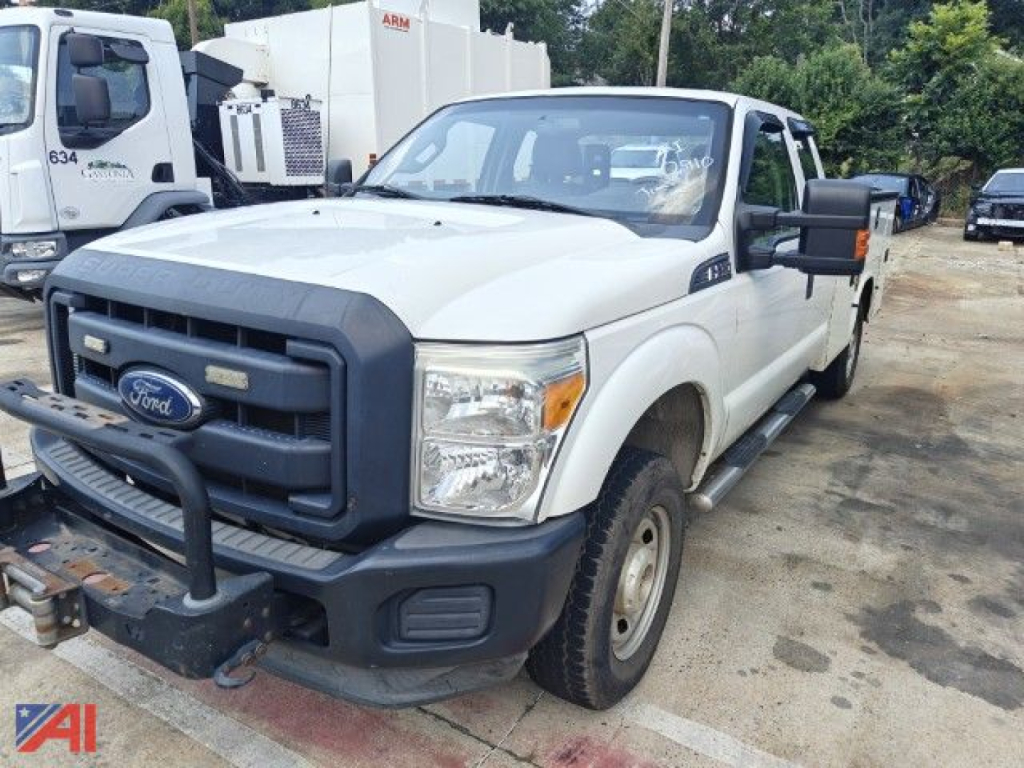
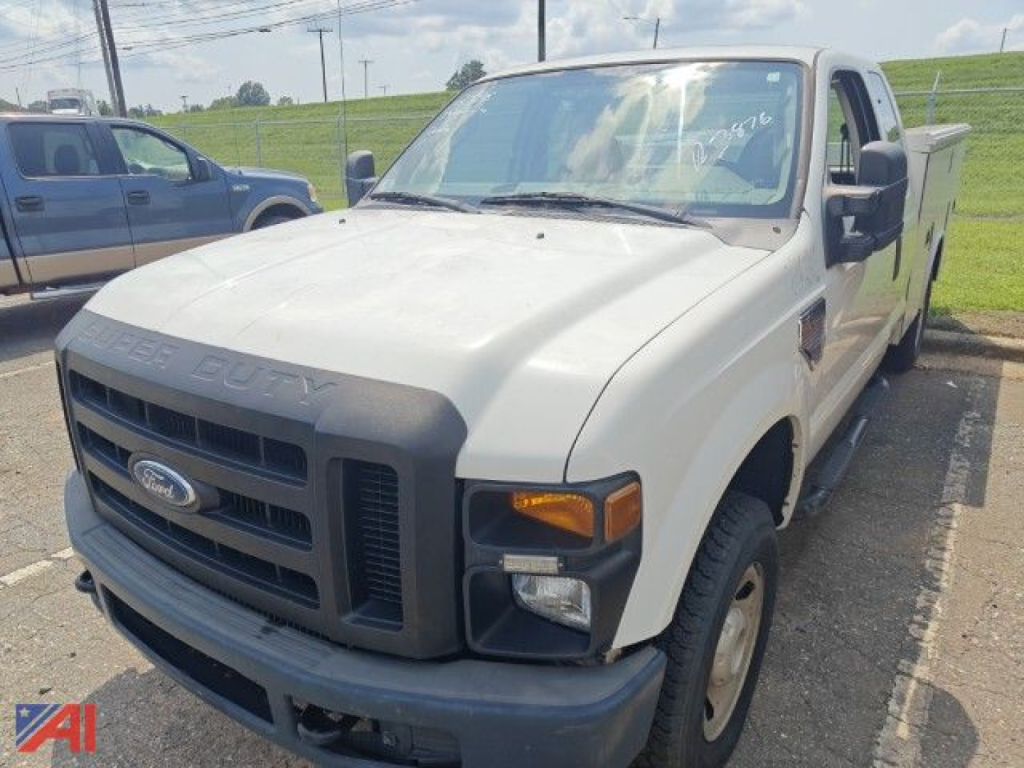
Body and chassis condition usually tells the real story on a used Ford truck. A service truck should be checked for compartment corrosion, latch wear, PTO function, and signs of overload around the body mounts and rear suspension. On dump trucks, inspect hoist operation, floor thickness, hinge points, and the condition of the tailgate hardware. Frame rust, prior upfit drilling, and electrical add-ons should be reviewed closely, especially on older fleet units from utility or municipal service. In North Carolina, trucks that have worked in construction, tree service, or coastal environments may show different wear patterns than inland delivery or county fleet units. Tire condition, spring packs, front axle wear, and steering play are worth checking because they directly affect operating cost after purchase.
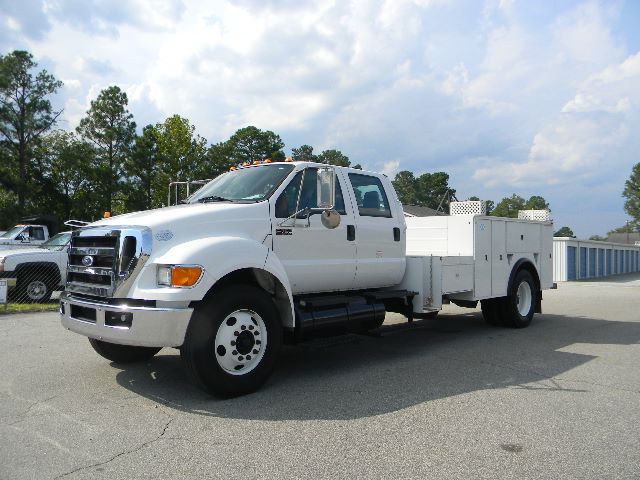
Ford trucks remain popular because parts support is broad, body-builder compatibility is strong, and the model range fits a lot of commercial niches. A used Ford chassis can be a practical option for buyers who need a ready-to-work vocational truck without stepping into a larger Class 8 platform. The best units are matched to the job, not just the price. Verify GVWR, wheelbase, cab configuration, PTO capability, and actual upfit dimensions before comparing listings. That is especially important with crew cab service trucks, 4x4 dump trucks, and medium-duty utility units where one truck may look similar to another but perform very differently once loaded.
Frequently Asked Questions about Used Ford Commercial Trucks in North Carolina
What are the most common used Ford truck models for commercial work?
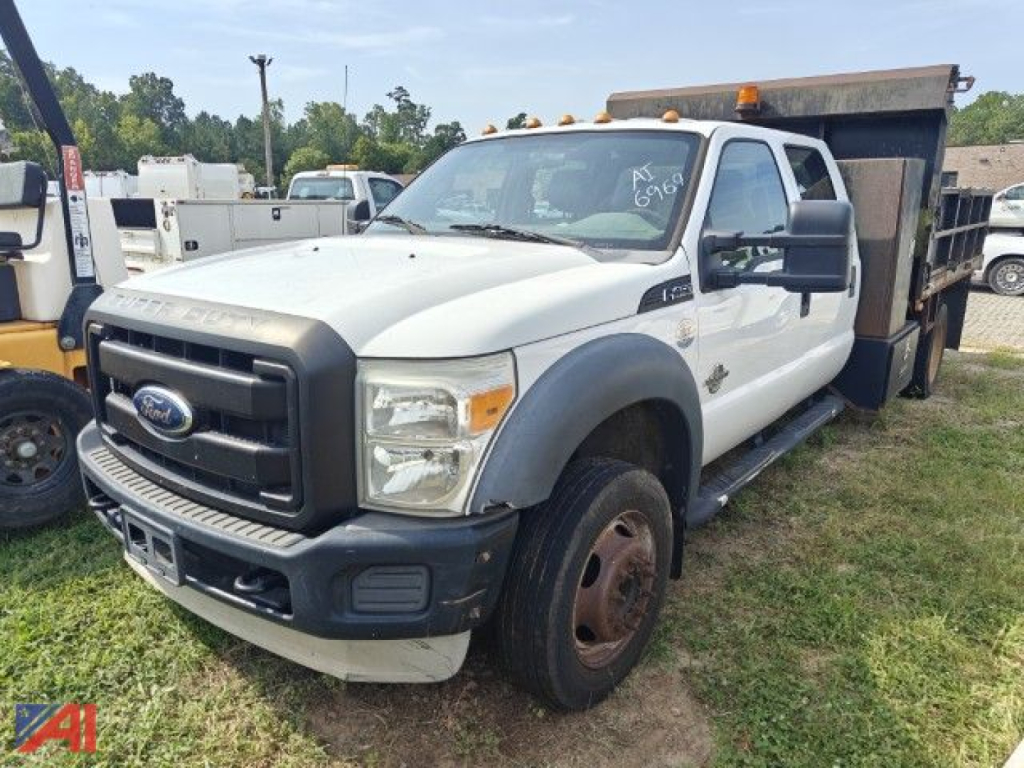
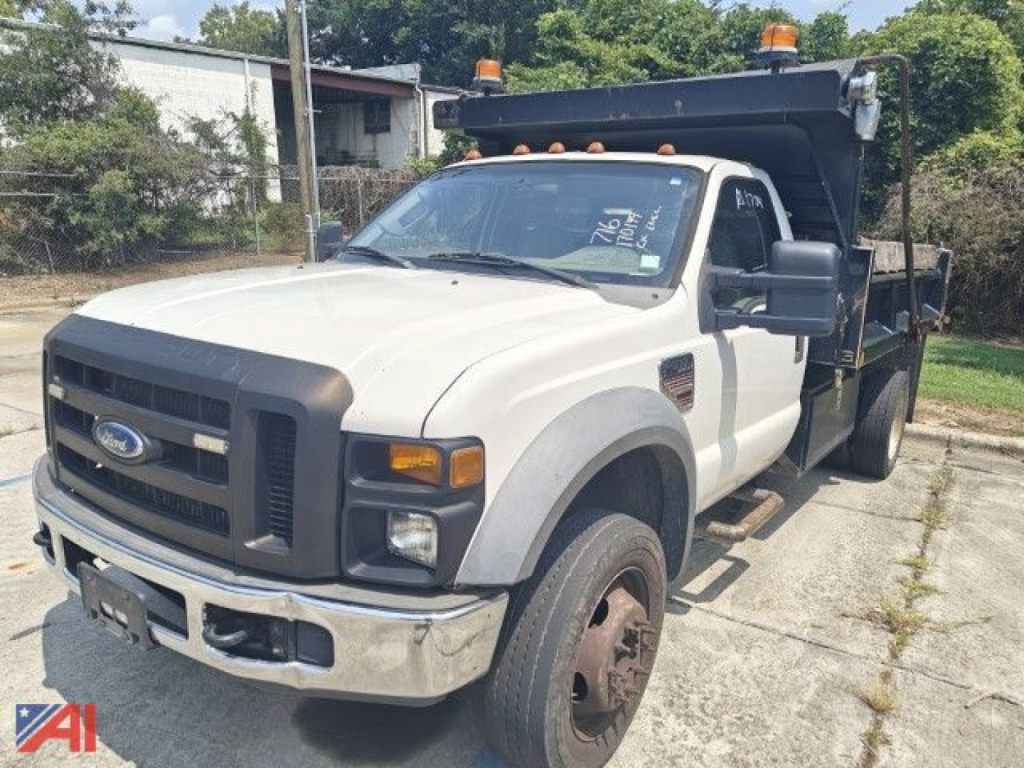
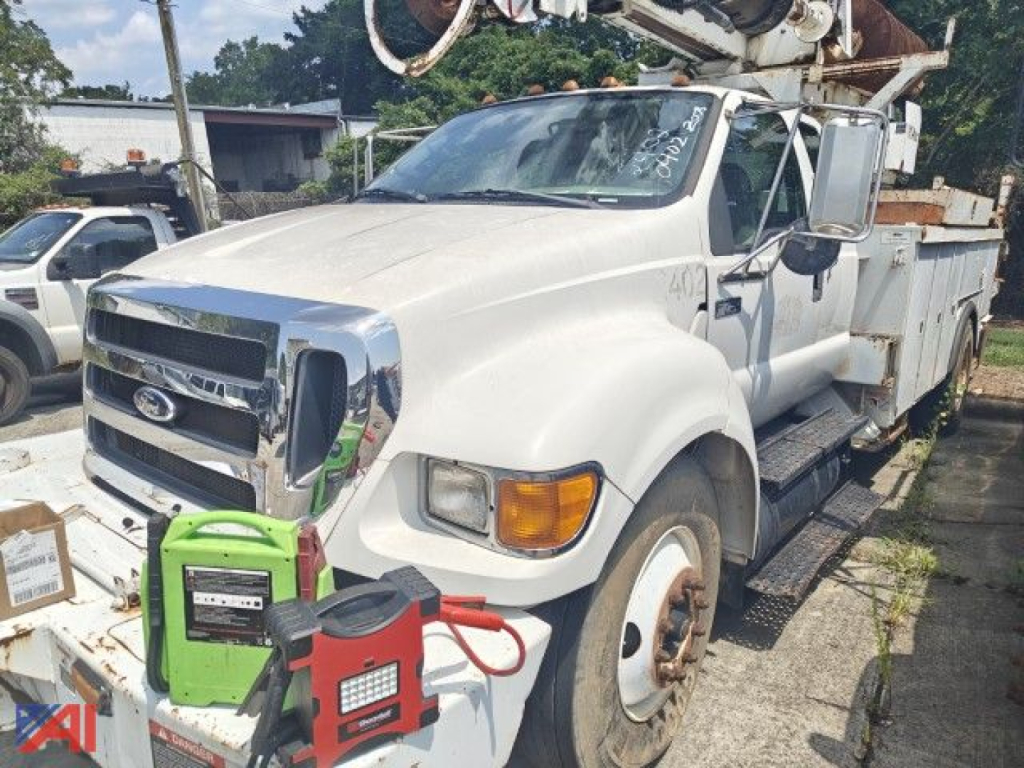
The most common used Ford commercial trucks are the F-550, F-650, and F-750. The F-550 is often used for dump bodies, small flatbeds, service bodies, and 4x4 contractor applications. The F-650 and F-750 are medium-duty trucks typically used for heavier utility bodies, larger dumps, box trucks, rollback carriers, and municipal fleet work. The right model depends on GVWR, axle capacity, and the body or equipment already installed on the chassis.
What should I inspect first on a used Ford dump or service truck?
Start with the frame, suspension, and the body itself. On a dump truck, inspect the hoist, bed floor, hinges, tailgate hardware, and PTO operation. On a service or utility truck, check compartment structure, door latches, body mounts, wiring, and any onboard equipment such as compressors, pumps, or reel carriers. Then review engine hours if available, transmission operation, brake type, tire wear, and any signs of fleet-related repairs or corrosion.
Are Ford F-650 and F-750 trucks available with Cummins engines?
Yes. Many medium-duty Ford trucks, especially certain F-650 and F-750 model years, were spec'd with Cummins diesel engines. That is a major consideration for buyers who prefer a widely supported medium-duty powertrain with strong service familiarity across commercial repair shops. Engine make, horsepower, transmission pairing, and emissions system condition should all be verified on the specific truck because specs vary significantly by year and application.
Is a 4x4 Ford F-550 a good choice for North Carolina jobsite work?
A 4x4 Ford F-550 can be a strong fit for North Carolina contractors, utility crews, and municipal users who deal with soft ground, gravel access roads, storm response, or uneven jobsites. It offers more mobility than a 2WD chassis while still supporting dump, flatbed, and service body applications. Buyers should still confirm front axle rating, tire setup, transfer case operation, and how the added 4x4 weight affects payload.
How important is brake type on a used Ford medium-duty truck?
Brake type is important because it affects licensing, service requirements, and how the truck fits the intended workload. Hydraulic brakes may be suitable on lighter commercial applications, especially closer to pickup-based chassis use. Air brakes are common on heavier F-650 and F-750 trucks and are often preferred for higher GVWR operation, repeated stop-and-go duty, and vocational use with heavier bodies. The truck's actual weight rating and operating environment should guide that decision.