
Used Ford Service/Utility Trucks For Sale in North Carolina
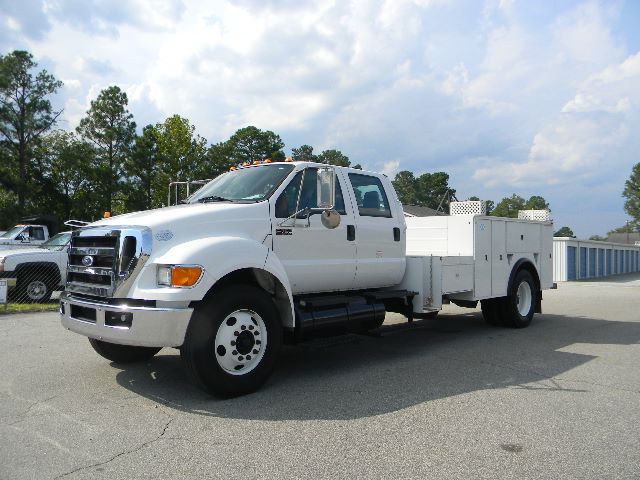
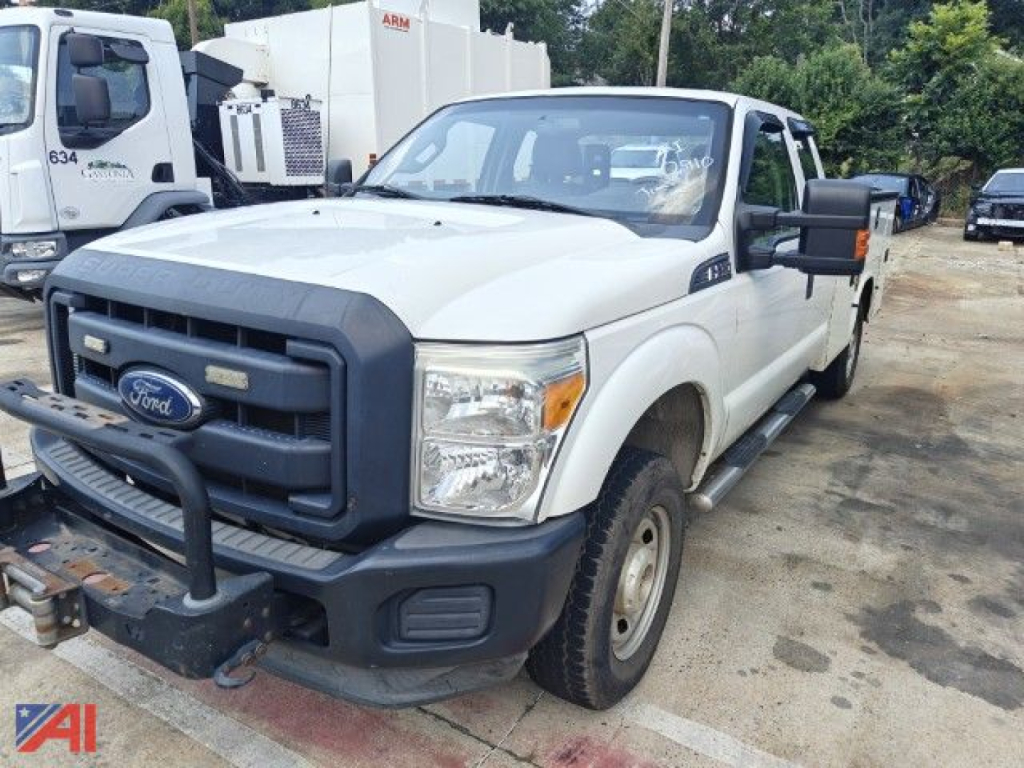
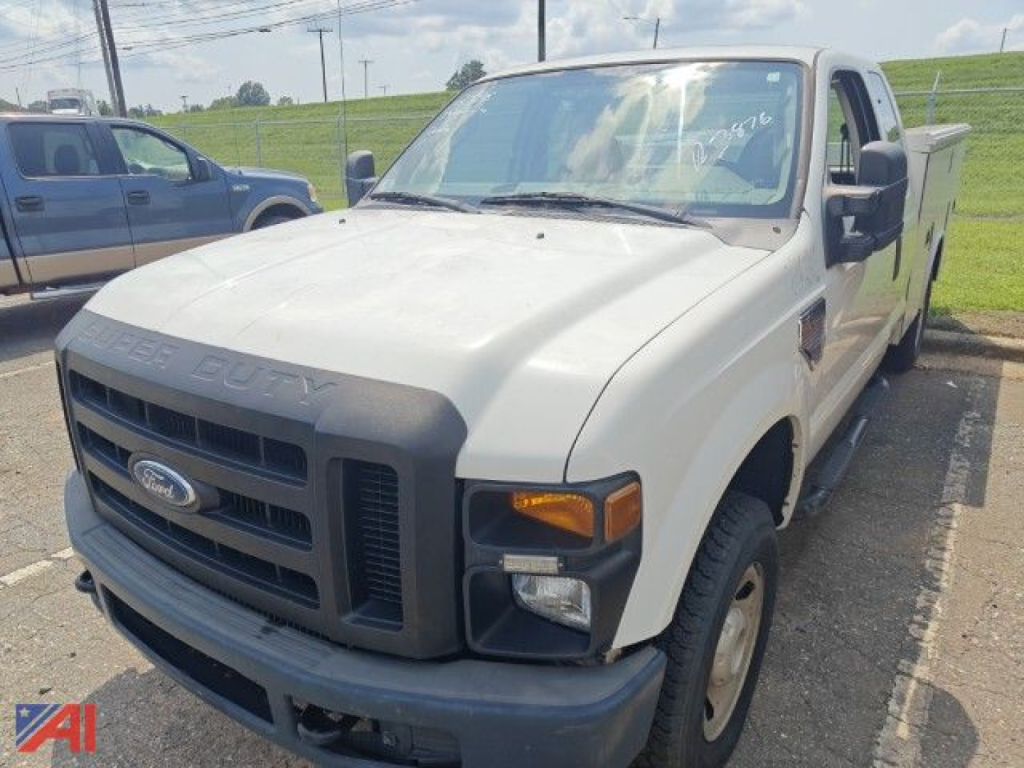
Have used ford service/utility truck to sell? List it here to reach thousands of buyers.
Used Ford Service/Utility Trucks in North Carolina
The main buying decision usually starts with chassis size. A used Ford F-250 or F-350 service truck fits lighter-duty work where maneuverability, lower operating cost, and easier access to residential or urban job sites matter most. An F-450 or F-550 Super Duty utility truck is more appropriate when the body carries compressors, generators, welders, pipe racks, or heavier drawer systems. On the upper end, an F-650 or F-750 service truck can support larger utility bodies, reel carriers, fuel and lube equipment, cranes, and higher GVWR requirements. Buyers should match the body and axle ratings to the actual service load, not just the engine or cab badge.
On used units, the body condition is just as important as the truck itself. Check compartment floors, door hinges, slam latches, weather seals, and any rust around the body mounts, wheel wells, and rear step bumper. Utility trucks often spend their lives idling, carrying tools, and making short service calls, so PTO operation, alternator output, battery condition, and electrical integrity matter more than odometer reading alone. If the truck has a compressor, inverter, crane, reel carrier, ladder rack, or jobsite lighting, confirm that each accessory works properly and that the upfit wiring has been done cleanly. Crew cab versus regular cab is another practical decision, especially for North Carolina fleets running multi-person field crews.
Ford service trucks can be found with gas or diesel powertrains depending on model year and GVWR, and buyers should think in terms of maintenance history, emissions complexity, and daily route profile. A lighter gas-powered Super Duty may make sense for shorter local runs and lower annual miles, while a diesel F-550 or F-750 is often better suited to heavier payloads and sustained vocational use. Also pay attention to wheelbase, cab-to-axle length, body length, suspension type, brake system, and hitch setup if towing is part of the job. A well-matched used Ford utility truck can replace a pickup and trailer combination, improve tool security, and keep technicians productive with everything organized on the truck.
Frequently Asked Questions about Used Ford Service/Utility Trucks in North Carolina
What is the difference between a Ford service truck and a Ford utility truck?
The terms are often used interchangeably, but both generally refer to a work truck with an enclosed compartment body mounted behind the cab. A service truck usually describes a mechanic or contractor-style body with side compartments for tools, parts, and equipment. A utility truck can mean the same thing, though in some fleets it may also refer to units built for telecom, electrical, or municipal work with added racks, reels, cranes, or specialized accessories. The important distinction is the body configuration, payload capacity, and installed equipment rather than the name alone.
Which used Ford chassis is best for a service body?
It depends on the weight of the upfit and how the truck is used. Ford F-250 and F-350 models are common for lighter contractor bodies and general field service. F-450 and F-550 Super Duty trucks are better for heavier utility bodies, larger enclosed compartments, cranes, compressors, and towing. Ford F-650 and F-750 models are typically chosen when the service body is part of a heavier vocational build with higher GVWR, air brakes, or larger onboard equipment. The best choice is the chassis that leaves enough legal payload after the body and tools are installed.
What should I inspect first on a used Ford utility truck?
Start with the service body and the upfit equipment because those items are expensive to repair or replace. Look closely at rust, compartment integrity, door operation, latch condition, and body mount areas. Then inspect the chassis for suspension wear, brake condition, tire wear, and any signs the truck has been overloaded. If the truck has a generator, compressor, crane, inverter, work lights, or reel carrier, test each function. Fleet-maintained trucks can be good candidates in this category, but idle hours, electrical wear, and jobsite use patterns matter as much as mileage.
Are diesel or gas engines better in a used Ford service truck?
Neither is automatically better. A gas engine can be a practical fit for lighter-duty local service work with lower annual mileage, simpler maintenance, and less emissions-system complexity. A diesel is often the better match for heavier loads, more towing, and medium-duty applications such as an F-550, F-650, or F-750 that sees sustained vocational use. Buyers should compare maintenance records, operating hours, payload demands, and route type before deciding, because the right engine depends on the work cycle more than the badge on the hood.