
Used 2000 Ford Commercial Trucks For Sale
Used 2000 Ford trucks, F-450 to F-750. Compare engines, floor strength, tare weight, insulation, and corrosion to match payload and route needs.
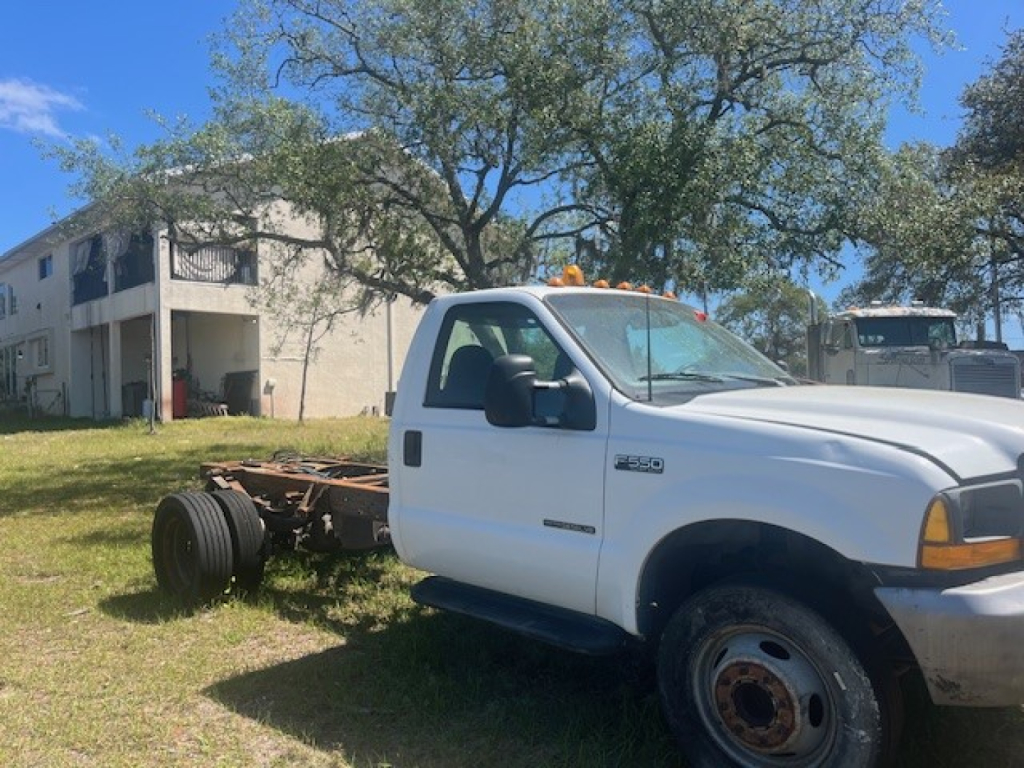
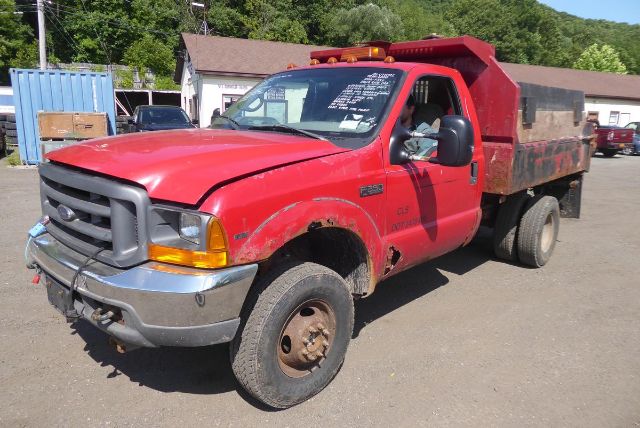
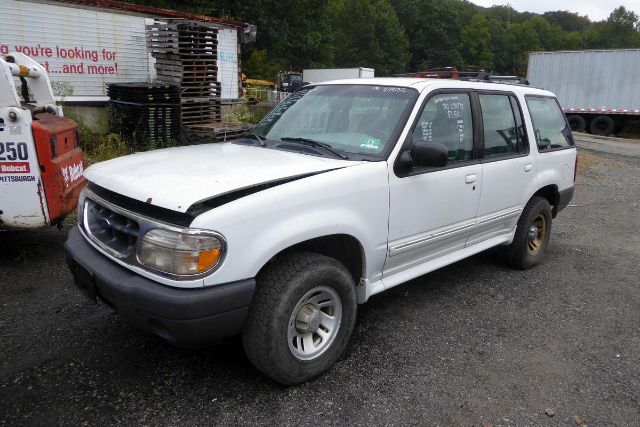

Selling a used 2000 ford commercial truck? List your used 2000 ford commercial truck for sale and reach thousands of commercial buyers.
Used 2000 Ford Commercial Trucks
Body construction is what preserves value. For dry van and reefer trucks, check floor strength at the rear third, high stress from forklift traffic shows quickly. Extruded aluminum duct floors or heavy plank floors with 12 inch or tighter crossmember spacing carry repeated pallet hits better, composite scuff liners at 12 inches or 24 inches keep walls intact, logistics posts or e track should be straight and tight. On dumps and flatbeds, verify frame RBM, crossmember condition, headboard integrity, stake pockets, and tie downs. Tare weight varies widely, aluminum wheels, aluminum or composite bodies, and single fuel tanks reduce empty weight and raise payload; steel bodies, liftgates, and long wheelbases add weight but may be necessary for the route.
Thermal integrity matters on 2000 era reefer trucks. Foam insulation loses R value if water intrudes, inspect for waviness, interior staining, and door seal compression set. Look for consistent box thickness, tight rear frame, straight hinges, and floor channels free of crushed sections, all influence temperature recovery and fuel burn. Thermo King SB series and Carrier Supra units from that time can still perform if condenser coils are clean, belts and mounts are solid, and run hours are reasonable; verify set point pull down from 35 to 0 degrees under load, check drain tubes and the return air path, and confirm controller alarms are clear. For dry freight boxes, keep water out, roof bows and skin repairs should be uniform and sealed, preventing floor rot and added tare from trapped moisture.
Corrosion resistance is a deciding factor as these trucks age. Ford cabs of this vintage can rust at cab corners, rocker panels, and door bottoms, frames collect scale at spring hangers, rear crossmembers, and behind fuel tank straps. Aluminum sheet and post bodies with stainless rear frames and galvanized crossmembers hold up better, hardware should be stainless where possible. Inspect brake lines, air tanks, and S cam housings for rust, and check aluminum tanks for pitting near straps. A clean wiring harness with intact loom and tight grounds prevents intermittent faults in Allison TCMs and electronic diesels. With the right spec match, a used 2000 Ford F 450 through F 750 can deliver solid payload, stable floors, reliable thermal performance, and manageable tare weight at a favorable total cost of ownership.
Frequently Asked Questions about Used 2000 Ford Commercial Trucks
Which engines and transmissions are most common on 2000 Ford medium duty trucks, and how do they compare?
The 7.3L Power Stroke diesel is prevalent on F 450 and F 550, known for durability and simple emissions, it has modest horsepower by today’s standards but strong low end torque. F 650 and F 750 commonly use the Cummins ISB 5.9 or Caterpillar 3126, both provide higher GVWR coverage and good parts availability. Allison 2000 and 3000 series automatics are common in city work for ease of use, manuals reduce weight and driveline loss, helpful for fuel economy and grade pulling if the driver is comfortable rowing gears.
How much payload can an F 650 or F 750 carry, and what affects it most?
Payload depends on GVWR, curb weight, and body equipment. A 26,000 GVWR F 650 box truck with aluminum body and single 50 gallon tank can often net 9,000 to 11,500 pounds, a steel body, liftgate, and longer wheelbase may drop that several hundred to over a thousand pounds. Above 26,000 GVWR, full air brakes, heavier axles, and two speed rears can push payload higher, but tare increases with those components. Wheelbase, axle ratio, suspension type, and tire load ratings all influence the safe and legal payload.
What should I look for in the floor of a 2000 Ford box or reefer truck?
Focus on rear floor condition and crossmember spacing, that is where forklifts stress the structure. Aluminum duct floors on reefers should have intact channels and no soft spots, dry vans with hardwood or laminated floors should show tight fasteners, no cupping, and consistent scuff liner protection. Look for daylight at the sill, moisture staining, and nail pull through which indicate weakening. A documented forklift rating or spec from the body builder is ideal, otherwise assess for repairs, weld quality, and straight thresholds to predict remaining service life.
Are air brakes or hydraulic brakes better on a 2000 Ford truck?
Air brakes support higher GVWRs and provide consistent stopping with proper maintenance, they add components like air dryers, chambers, and valves which increase tare weight and upkeep. Hydraulic brakes are simpler and lighter, often used on non CDL 26,000 GVWR builds, they can be cost effective for local routes but require careful attention to calipers, lines, and fluid condition. Choose based on GVWR needs, route profile, and shop familiarity with each system.
How do I evaluate thermal integrity on a used 2000 Ford reefer truck?
Inspect insulation continuity, door seal compression, and floor integrity first, then evaluate the refrigeration unit. Verify quick pull down to set point with a partial load, check for uniform air return, clean evaporator and condenser cores, and confirm the controller shows no active alarms. Review run hours and service records, look for oil residue at compressor shaft seals and hose crimps, and confirm drains are clear so water does not saturate the floor insulation and add hidden weight.