
Used 2000 Ford Commercial Trucks For Sale in New York
Browse used 2000 Ford trucks for sale in New York, including pickup, utility, bus, and work truck models built for commercial service.
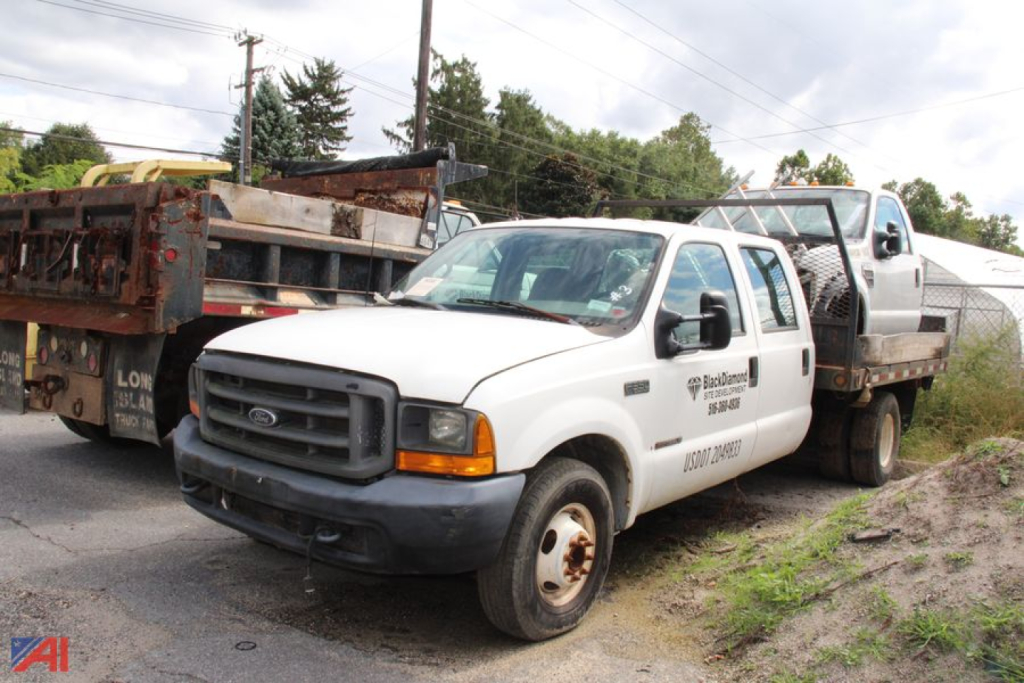
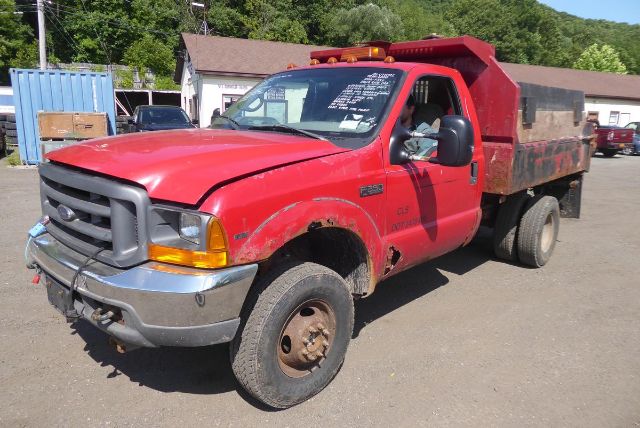
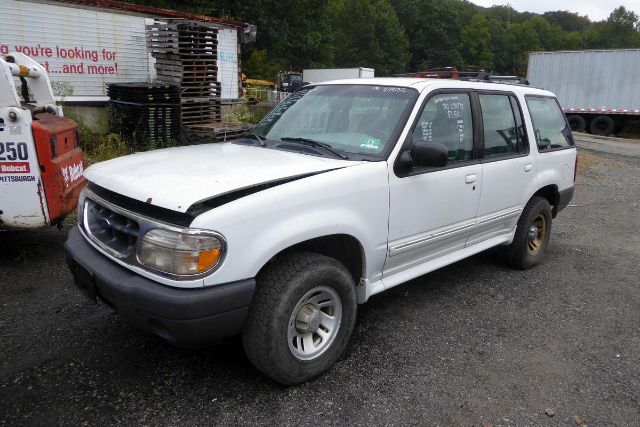
Looking for the easiest place to sell your used 2000 ford commercial truck? List it here to reach thousands of buyers.
Used 2000 Ford Commercial Trucks in New York
Powertrain choice is usually one of the first filters. In 2000 Ford truck applications, common engines included gasoline V8 options such as the 5.4L Triton and larger commercial gas engines, along with diesel options in heavier Super Duty models and cab chassis configurations. Transmission type, rear axle ratio, and 2WD versus 4WD matter just as much as engine size, especially for snow work, towing, utility service, and stop-and-go municipal use. In New York, corrosion is a major buying factor, so frame condition, cab corners, brake lines, spring hangers, fuel tank straps, plow mount areas, and body attachment points deserve close inspection.
Ford trucks from this period were often ordered for specific vocational work, which means body and chassis compatibility is critical. Buyers looking at service trucks should verify compartment condition, PTO or auxiliary electrical setup, fuel transfer equipment, and payload capacity. For dump or landscape applications, check hoist operation, floor and sidewall thickness, hinge wear, and signs of frame stress. On bus or cutaway models, pay attention to wheelchair lifts, HVAC performance, seating layout, door hardware, and any remaining compliance requirements for passenger service. Cab-to-axle measurement, wheelbase, and GVWR determine whether the truck can support the body you need without costly rework.
A used 2000 Ford truck is typically best suited for local hauling, property maintenance, municipal backup duty, contractor use, farm work, or seasonal operations where a simpler mechanical platform is an advantage. Parts availability is still generally workable on many Ford truck platforms from this period, but buyers should expect age-related needs such as suspension wear, steering play, wiring repairs, and interior deterioration. Service history, idle hours where applicable, title status, and evidence of commercial maintenance usually tell you more than paint or mileage alone. The best choice in this category is the one with the right vocation, the cleanest chassis, and specifications that fit the workload without pushing the truck past its design limits.
Frequently Asked Questions about Used 2000 Ford Commercial Trucks in New York
What should I check first on a used 2000 Ford truck?
Start with frame condition, drivetrain health, and whether the truck was built for the intended application. On New York trucks, rust is often the deciding factor, so inspect the frame rails, crossmembers, brake and fuel lines, cab mounts, rocker panels, and suspension attachment points. Then confirm engine performance, transmission operation, axle noise, steering response, and brake feel. If the truck has an upfit such as a utility body, dump body, plow, or bus equipment, verify that the body components work properly and that the chassis ratings support the installed equipment.
Are used 2000 Ford trucks still good for commercial work?
They can still be productive commercial trucks if the chassis has been maintained and the application is realistic. Many 2000 Ford trucks were built on durable work-oriented platforms that are well suited for local service, contractor duty, municipal backup use, farm work, and seasonal operations. Buyers should not expect modern ride quality, electronics, or emissions systems, but many operators value the simpler design and familiar serviceability. The truck needs to be evaluated on mechanical condition, rust level, and body integrity rather than model year alone.
Which specs matter most when comparing 2000 Ford trucks for sale?
GVWR, wheelbase, cab-to-axle measurement, engine, transmission, rear axle ratio, drivetrain configuration, and body type are the key specifications. Those numbers determine payload capacity, towing ability, body compatibility, turning radius, and jobsite performance. For example, a 4WD pickup set up for plowing serves a very different role than a 2WD E-Series cutaway or a Super Duty chassis with a utility body. Matching the truck's ratings and layout to the actual workload is more important than choosing by nameplate alone.
Are parts still available for 2000 Ford trucks?
Parts support is generally still decent for many 2000 Ford truck platforms, especially common pickups, E-Series models, and Super Duty chassis. Routine service items, brake components, steering parts, suspension pieces, and many engine-related parts are still obtainable through aftermarket and OEM-oriented channels. Availability becomes less predictable with specialty body equipment, discontinued trim parts, and certain model-specific electronics. Buyers should factor in the condition of the truck's vocational equipment because body-related repairs can be more difficult than basic chassis service.
Is mileage the most important factor on a used 2000 Ford truck?
Mileage matters, but it is rarely the most important factor on an older work truck. A higher-mileage truck with strong maintenance records, a solid frame, and a properly functioning body can be a better buy than a lower-mileage truck with severe rust, neglected service, or long periods of idle time. Commercial use often causes wear in steering, suspension, hydraulics, electrical accessories, and chassis mounts regardless of odometer reading. Buyers should weigh mileage alongside service documentation, overall mechanical condition, and evidence that the truck was not overloaded or poorly repaired.