
Used Ford Passenger Van Trucks For Sale




Have used ford passenger van truck to sell? List it here to reach thousands of buyers.
Used Ford Passenger Van Trucks
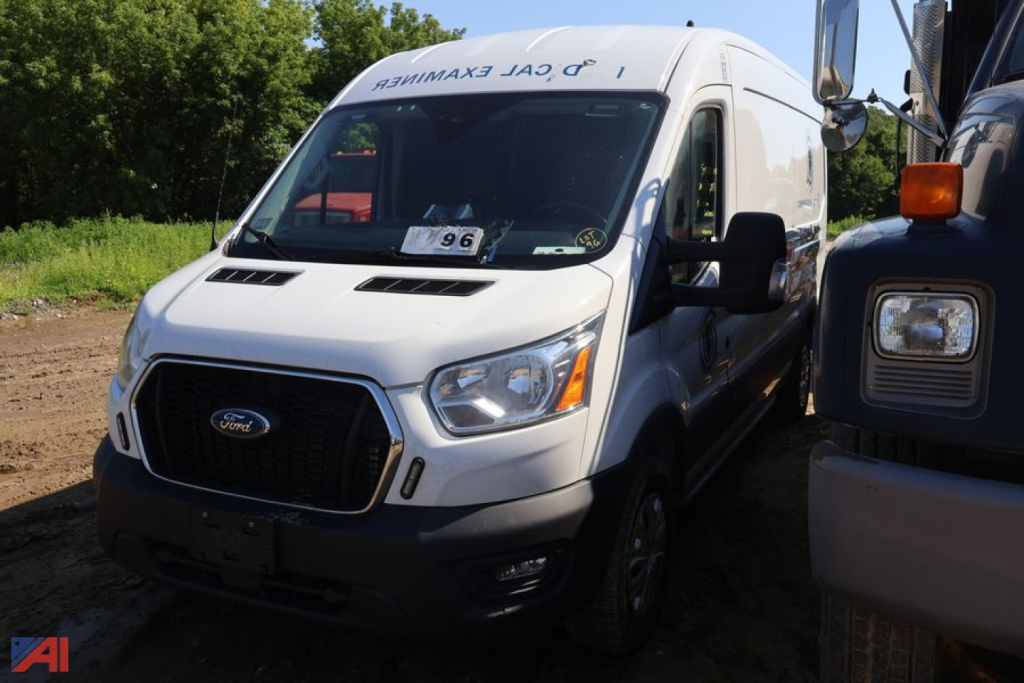
Ford Transit passenger vans are commonly equipped with gasoline EcoBoost or naturally aspirated gas engines, paired with an automatic transmission and either rear-wheel drive or all-wheel drive on newer models. A buyer comparing used units should pay close attention to seating condition, HVAC performance front and rear, door operation, suspension wear, and the service history for high-mile route use. Interior wear matters more in this class than in many cargo applications because seat mounts, flooring, step-in areas, and climate control systems see constant daily use. If the van was used for airport shuttle or medical transport, idle hours and stop-and-go duty cycles can tell you as much as odometer miles.
Accessibility equipment is another major consideration in this category. Some used Ford passenger vans are configured as wheelchair vans with lifts or ramps, tie-down systems, lowered floors, and modified entry points. These units need closer inspection of lift cycle condition, hydraulic or electric operation, door interlocks, and compliance-related equipment. Buyers should also verify seating capacity after any conversion, along with GVWR, axle ratings, and how the conversion affects cargo room behind the last row. For fleets running regulated passenger service, it is worth confirming emergency exits, warning labels, and any state or contract-specific equipment requirements.
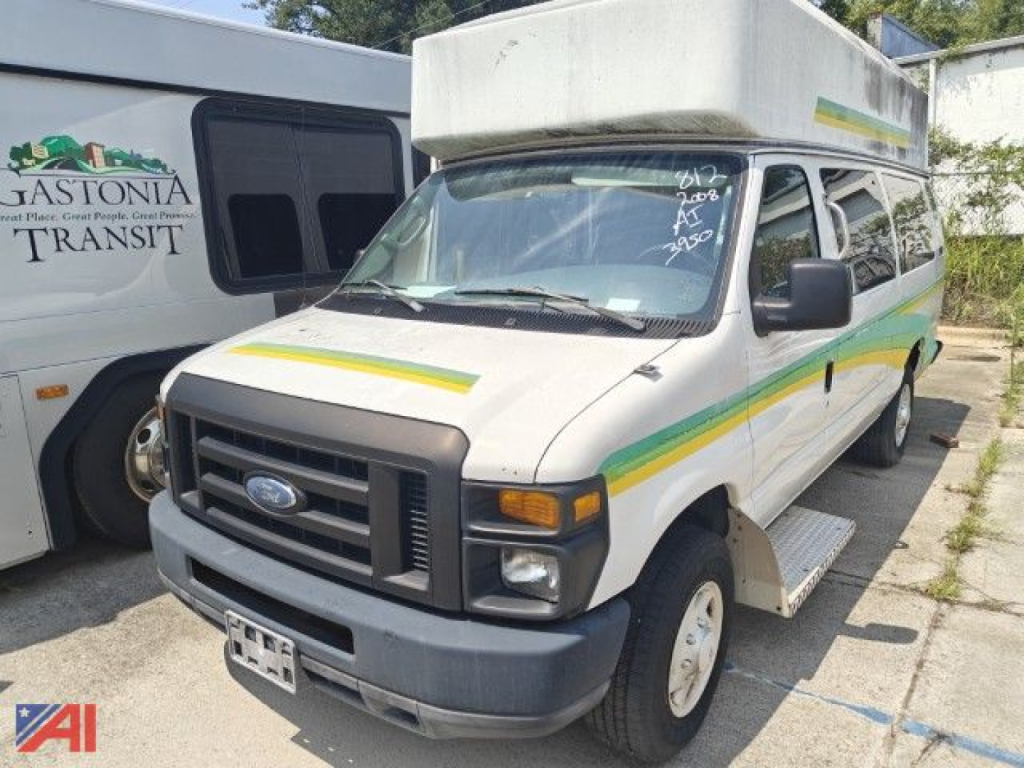
A well-matched used Ford passenger van should be evaluated for route type, passenger count, loading frequency, and driver familiarity as much as price. High-roof vans improve stand-up access and passenger movement, while lower-roof versions may fit parking structures and urban service better. Longer wheelbase models increase seating and luggage room but can be less maneuverable in tight lots. Buyers looking at this segment usually get the best long-term value by matching the van’s original build to the job instead of planning heavy reconfiguration after purchase.
Frequently Asked Questions about Used Ford Passenger Van Trucks
What should I look for when buying a used Ford passenger van?
Start with seating capacity, wheelbase, roof height, and door configuration to make sure the van fits the passenger count and route. Then inspect service records, transmission behavior, suspension condition, brake wear, tire wear patterns, HVAC performance, and interior condition. On high-use shuttle vans, step wells, seat frames, rear climate components, and sliding or rear door hardware often show the earliest signs of heavy service.
What is the difference between a Ford Transit passenger van and a wheelchair-accessible Transit?
A standard Ford Transit passenger van is built primarily for seated passenger transport, while a wheelchair-accessible Transit includes conversion equipment such as a lift or ramp, wheelchair securement points, modified flooring, and in some cases revised seating layouts. The accessible unit may carry fewer total passengers because space is allocated for mobility devices and maneuvering room. Buyers should inspect the conversion quality, lift function, interlock systems, and any maintenance documentation tied to the accessibility equipment.
Which Ford passenger van size is best for shuttle service?
That depends on passenger volume, luggage needs, and operating environment. A longer wheelbase and high-roof Transit generally works well for airport, hotel, and medical shuttle service because it improves interior access and usable space. A shorter or lower-roof configuration can be a better fit for urban routes, parking garages, and operations where maneuverability matters more than maximum capacity.
Are miles the most important factor on a used passenger van?
Not by themselves. A used Ford passenger van with higher highway miles and strong maintenance records can be a better buy than a lower-mile unit that spent years in stop-and-go shuttle duty with long idle periods. Passenger vans often accumulate wear in doors, seats, HVAC systems, brakes, and suspension before the odometer tells the full story. Usage pattern, maintenance history, and interior condition are usually better indicators of remaining service life.