
Passenger Van Trucks For Sale
Compare passenger van trucks for sale, including seating, GVWR, wheelbase, engine, rear HVAC, and shuttle transport use cases.
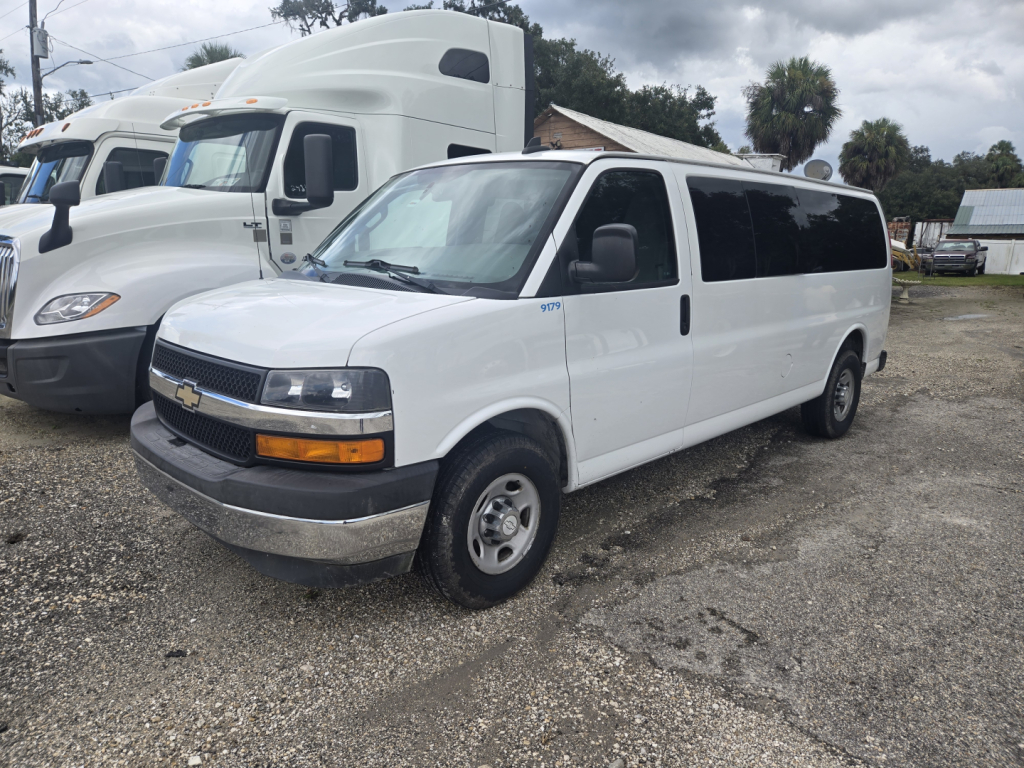
Selling a passenger van truck? List your passenger van truck for sale and reach thousands of commercial buyers.
Passenger Van Trucks
Capacity and body configuration matter more than most first-time buyers expect. Standard and extended wheelbase versions change both passenger count and luggage room, especially in airport, tour, and hotel shuttle applications where rear cargo space is still needed behind the last seat row. Many passenger vans are rated for 8, 12, or 15 occupants depending on seating layout and local regulations. Door configuration, step-in height, aisle width, and seat spacing all affect loading speed and day-to-day comfort. If the van will carry elderly passengers or frequent stop-and-go loads, pay close attention to grab handles, floor height, side door opening size, and the condition of entry steps and interior trim.
On the chassis side, buyers should look at GVWR, wheelbase, engine type, transmission history, axle ratio, and brake condition just as closely as they would on any light-duty commercial truck. Gas V8 and V6 platforms are common in this class, though some fleets prioritize diesel options for higher annual mileage. Rear air conditioning and heat are important on longer bodies, and electrical load can increase if the unit has aftermarket mobility equipment, shuttle signage, or auxiliary lighting. Suspension wear, tire age, and alignment condition matter because these vans often spend years in city service with frequent curbside stops. A clean service record, especially for cooling system, transmission, brakes, and steering components, usually tells you more than mileage alone.
For regulated passenger service, compliance should be part of the purchase review. Depending on seating count and use, a passenger van may fall under DOT, state, school, church, or livery requirements, and some operations need ADA accessibility or wheelchair lift equipment. Buyers should confirm VIN-based seating configuration, title status, door and emergency exit labeling, and any prior fleet decommissioning notes. If the application involves mixed passenger and baggage duty, measure usable rear storage with all seats installed instead of relying on brochure capacity. The best passenger van for sale is the one that fits the route, passenger count, entry needs, and maintenance profile without forcing compromises in safety or uptime.
Also known as: Passenger Wagon
Frequently Asked Questions about Passenger Van Trucks
What should I check first when buying a used passenger van truck?
Start with seating capacity, wheelbase, and intended use, then verify the mechanical condition. Passenger vans work hard in stop-and-go service, so transmission operation, brake wear, steering play, suspension condition, and HVAC performance should be reviewed carefully. Interior condition also matters because worn seat mounts, damaged belts, broken trim, and inoperative rear climate controls can be expensive to correct. Service records are especially valuable on fleet-maintained units.
How many passengers can a passenger van legally carry?
That depends on the factory seating configuration, any modifications, and the regulations that apply to the operation. Many full-size passenger vans are configured for 8, 12, or 15 occupants, but legal use can vary by state, school, church, shuttle, or for-hire requirements. Buyers should confirm the actual seat count shown for that VIN, make sure all seating positions have proper restraints, and check if a CDL, DOT registration, or other operating authority is triggered by the number of passengers carried.
Are extended passenger vans better than standard wheelbase models?
Extended models are often a better fit when the route requires both full seating and cargo room for luggage, equipment, or personal items. They can improve usefulness in airport, hotel, and group transport service, but they also take more room to park and can be less convenient in tight urban areas. Standard wheelbase vans are easier to maneuver and may be a better match for church, medical, or local crew transport where baggage space is less important.
What engine is best in a passenger van, gas or diesel?
For many buyers, a gas engine is the practical choice because acquisition cost, parts availability, and maintenance familiarity are usually better in the light-duty van market. Diesel can make sense for higher annual mileage or specific fleet standardization goals, but it may bring added emissions-system complexity and higher repair costs depending on model and duty cycle. The right choice depends on route length, idle time, technician support, and total cost of ownership rather than fuel economy alone.