
2016 Passenger Van Trucks For Sale
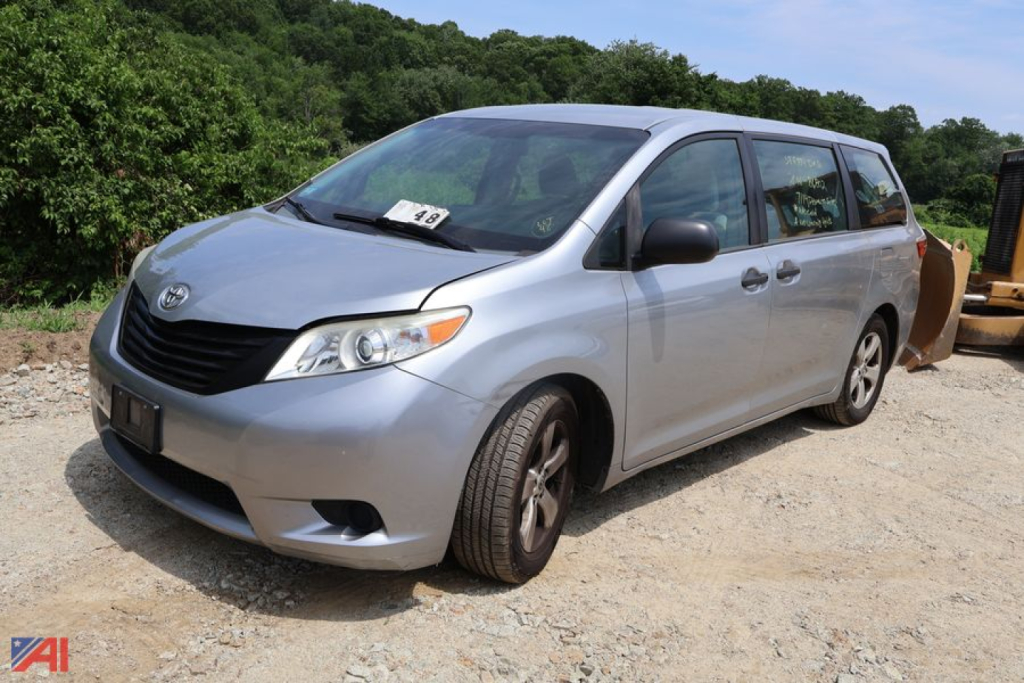
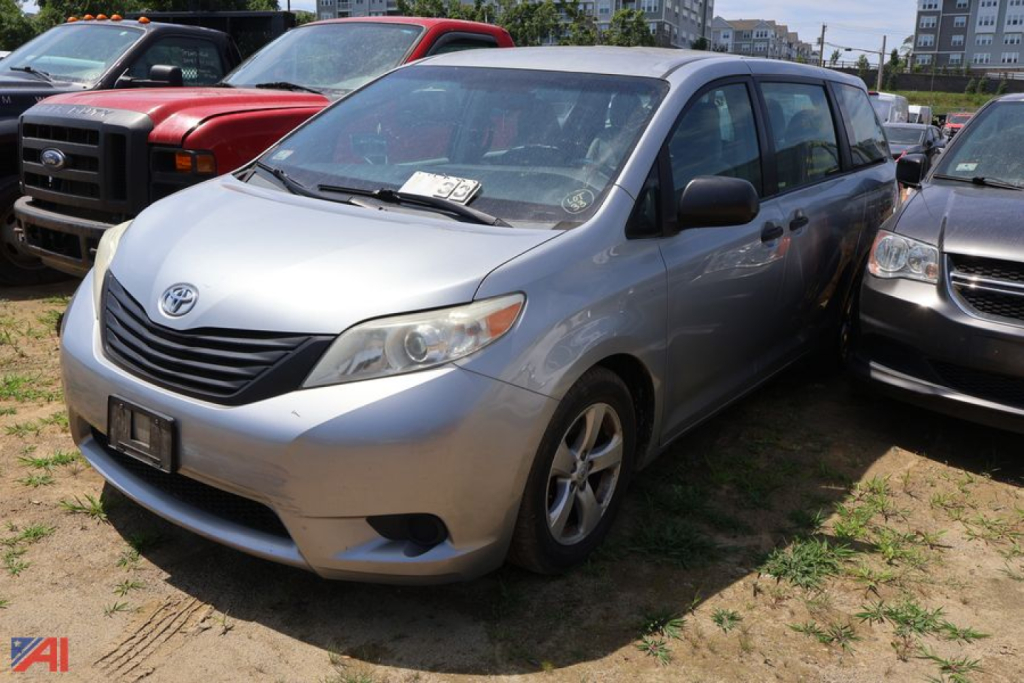
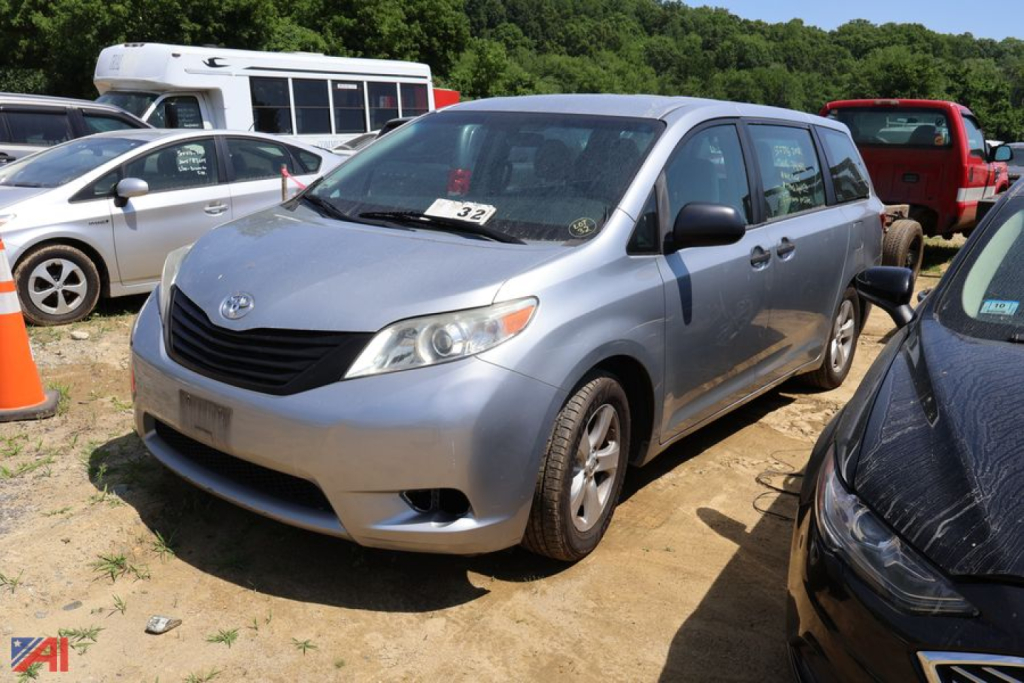
Have 2016 passenger van truck to sell? List it here to reach thousands of buyers.
2016 Passenger Van Trucks
For many 2016 passenger vans, especially minivan-style units, the biggest advantages are low floor height, sliding side doors, car-like drivability, and easier urban maneuvering. A 2016 Toyota Sienna is a good example of what buyers in this class often look for: V6 gas power, automatic transmission, front-wheel drive or available all-wheel drive, three-row seating, and a reputation for long service life when maintenance has been kept up. Front-wheel drive models generally offer simpler driveline packaging and good foul-weather performance with the right tires, while all-wheel drive can matter in snow-belt fleets or hilly service areas. Buyers should also compare seat configurations carefully, since removable or folding rear seating changes both passenger count and usable cargo space.
Condition matters more than badge alone in this category. Passenger vans accumulate wear differently than cargo vans because doors, seat tracks, latches, HVAC systems, and interior trim see constant use. Inspect power sliding doors, rear hatch operation, air conditioning performance in all rows, seat belt condition, tire wear patterns, and suspension behavior under load. If the van served a public agency or institutional fleet, maintenance records can be especially valuable because they help verify oil change intervals, brake service, cooling system work, and transmission maintenance. On a 2016 model, buyers should also pay attention to rust in northern climates, underbody corrosion, and the overall condition of the cabin since passenger comfort directly affects usability and resale.
A well-matched 2016 passenger van can cover a wide range of duty cycles, from family and executive transport to airport, healthcare, and community shuttle work. The best choice usually comes down to route length, average passenger count, climate, and how often the rear seats need to be reconfigured. Buyers comparing listings should focus on mileage, seating layout, drivetrain, service history, and evidence of consistent fleet care. In this class, a clean interior, properly functioning HVAC, smooth transmission operation, and safe passenger access points are often more important than cosmetic extras.
Frequently Asked Questions about 2016 Passenger Van Trucks
What should I look for first when buying a 2016 passenger van?
Start with seating configuration, access, and maintenance history. A passenger van must fit the actual number of riders you carry while still leaving enough room for bags, mobility aids, or equipment behind the last row. After that, check the condition of sliding doors, seat mounts, rear HVAC, brakes, tires, and suspension. A documented service history is especially important on a 2016 unit because it helps confirm the condition of the engine, transmission, cooling system, and other high-use components.
Is a 2016 minivan-style passenger van practical for commercial or fleet use?
Yes, for many operations it is a practical and cost-effective choice. Minivan-based passenger vans are commonly used for healthcare transport, hotel runs, municipal service, caregiver organizations, and small shuttle work because they are easier to drive, easier to park, and lower to the ground than full-size vans. They are best suited to lighter passenger loads and shorter to medium routes where comfort, easy entry, and fuel efficiency matter more than maximum capacity.
How important is all-wheel drive on a 2016 passenger van?
All-wheel drive is valuable if the van operates in snow, ice, steep grades, or rural routes where traction is a regular concern. In regions with milder weather, front-wheel drive is often fully adequate and can be simpler to maintain. The right choice depends on route conditions, not just preference. Tire quality also makes a major difference, so drivetrain should be evaluated together with the van's tire condition and replacement plan.
What are the most common wear areas on used 2016 passenger vans?
The most common wear points are power sliding doors, seat fabric or vinyl, seat tracks, latches, rear hatch struts, brakes, tires, and suspension components. Passenger vans also see heavy use in climate control systems because all rows must stay comfortable, so front and rear HVAC performance should be checked carefully. On older units from northern states, underbody rust and brake line corrosion deserve close inspection.
Are 2016 passenger vans better for people transport than a cargo van with added seats?
In most cases, yes. A factory-built passenger van is designed around occupant safety, entry and exit convenience, rear climate distribution, side trim, seat belt integration, and proper seating layout. A cargo van that has been modified with seats may not deliver the same comfort, visibility, or finish quality, and buyers should verify how any conversion was completed. For repeated passenger use, the factory passenger configuration is usually the more dependable and easier-to-operate option.