
Passenger Van Trucks For Sale in Massachusetts
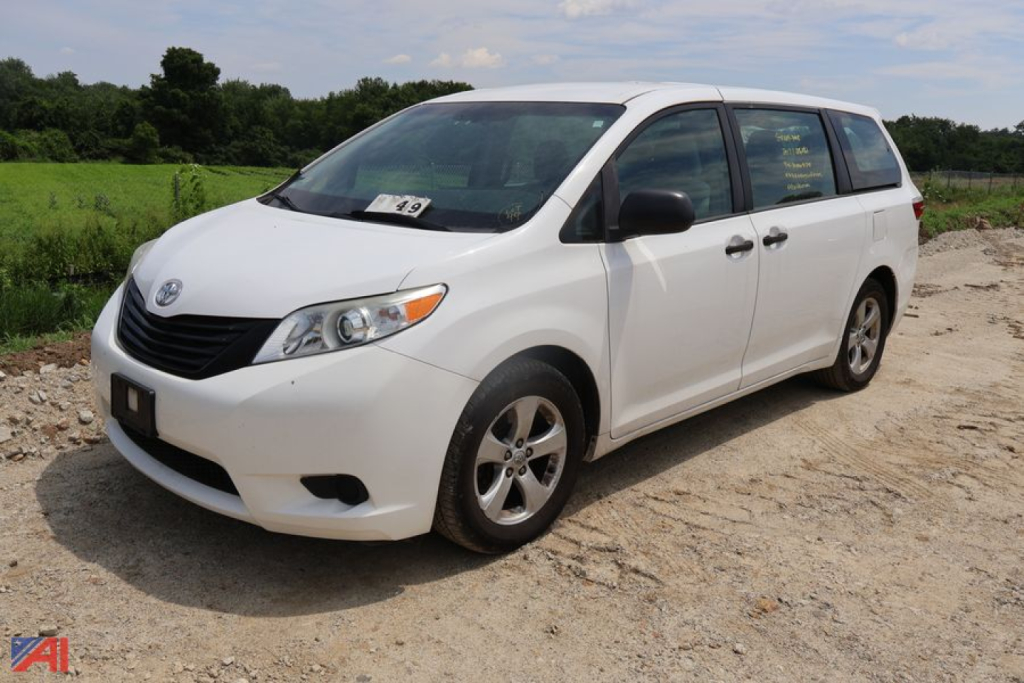
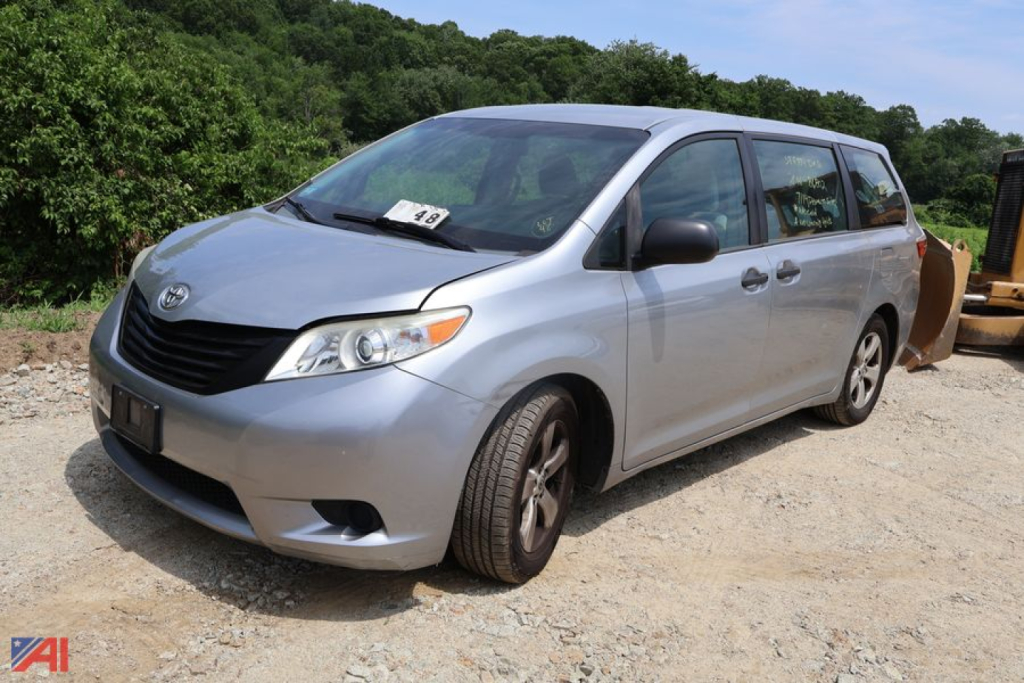
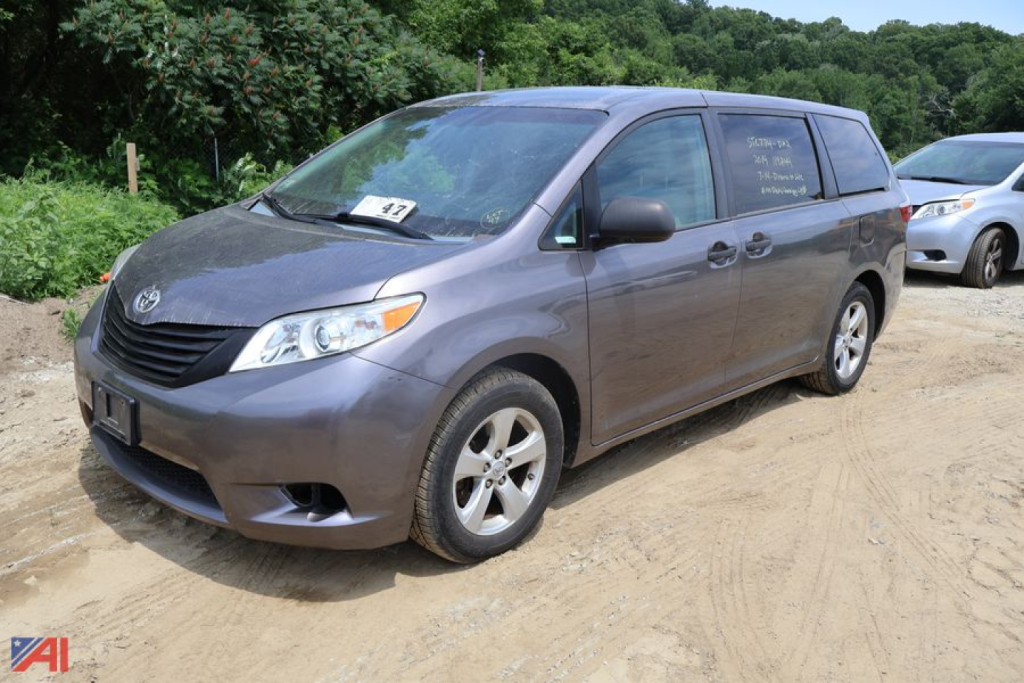

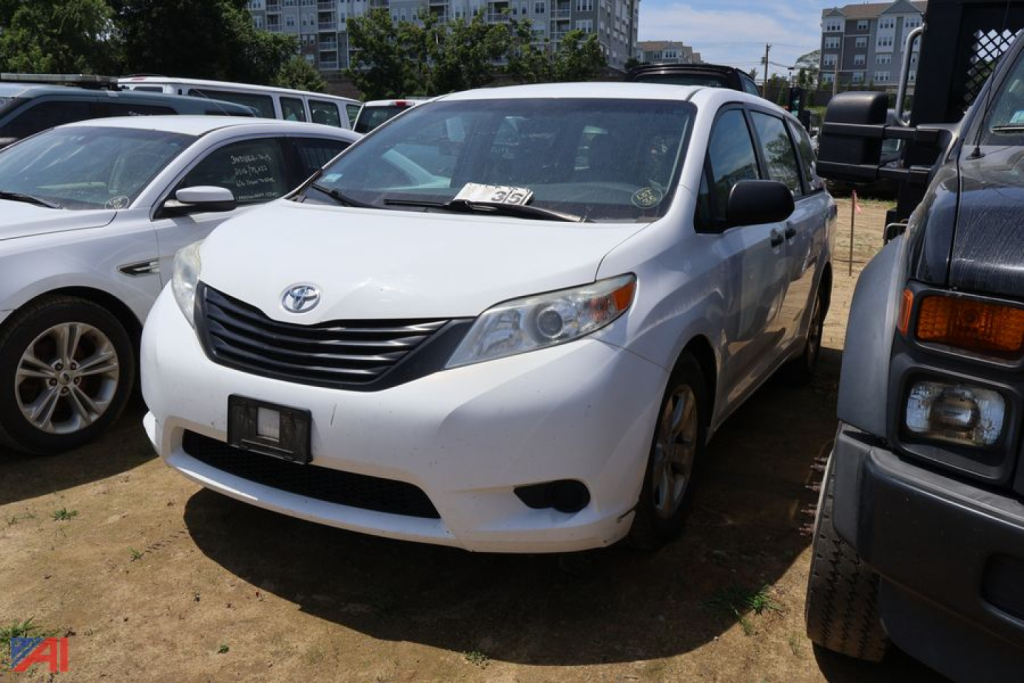
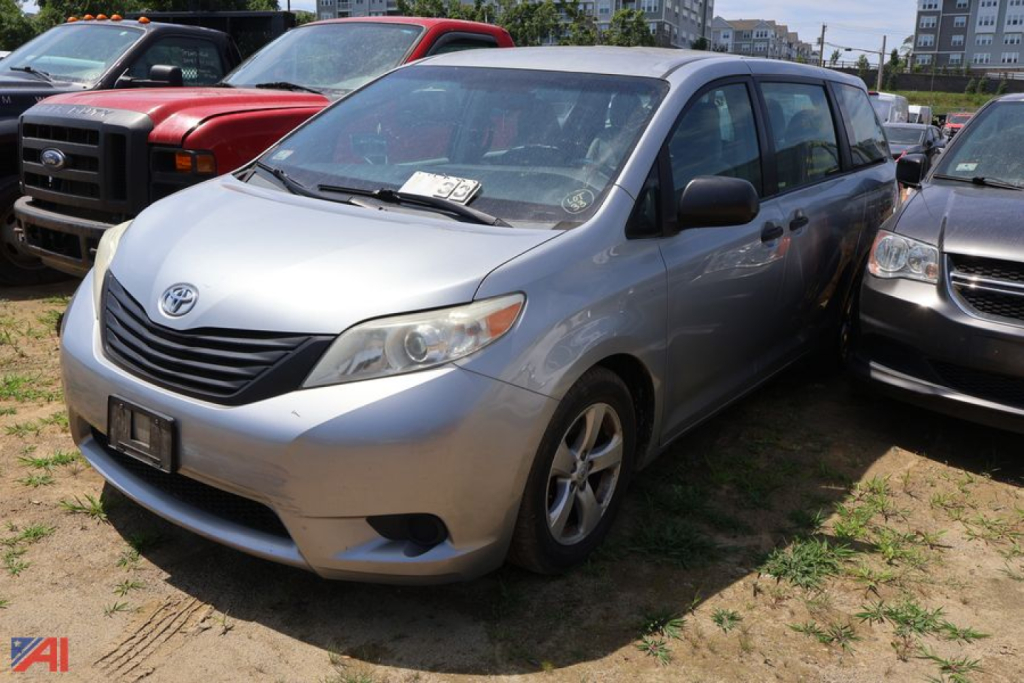
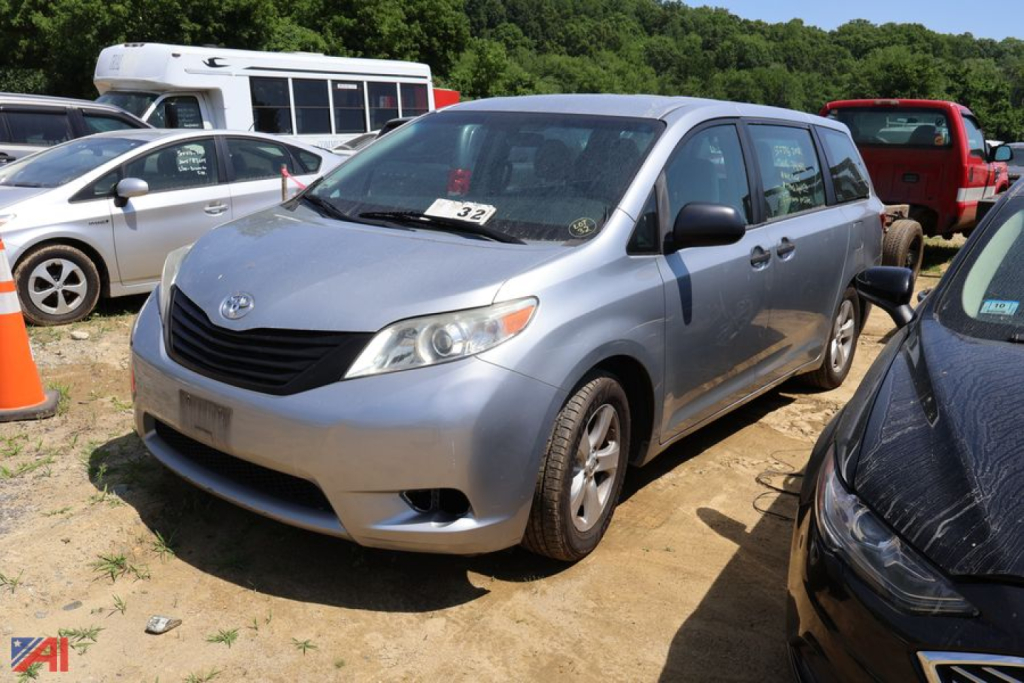

Have passenger van truck to sell? List it here to reach thousands of buyers.
Passenger Van Trucks in Massachusetts
The most important buying decisions in this class are passenger capacity, interior configuration, and maintenance history. Many passenger vans have removable or fold-flat rear seating, which can make a big difference if the vehicle needs to alternate between carrying people and light cargo. Dual sliding side doors, low step-in height, and rear climate controls matter in real-world use, especially for elderly passengers, school-age riders, or repeated stop-and-go loading. If the van will spend time in tight urban areas around Massachusetts, overall length, turning radius, and parking ease can be more important than maximum capacity.
Powertrain choice in the passenger van category is usually centered on gasoline V6 engines paired with automatic transmissions, with front-wheel drive being common in minivans. That setup generally offers predictable winter-road manners, reasonable fuel economy, and lower running costs than heavier full-size van platforms. Buyers should pay close attention to sliding door operation, power liftgate function, HVAC performance front and rear, suspension wear, brake condition, and signs of heavy fleet use inside the cabin. Rust inspection also matters in Northeast service areas, particularly around rocker panels, subframes, door bottoms, and rear liftgate edges where road salt can accelerate corrosion.
A good passenger van should match the route, the rider count, and the operating environment without adding unnecessary size or cost. For shuttle work, look at ingress and egress, seat comfort, and visibility. For mixed-use ownership, flexibility of the cabin often matters more than raw capacity. In this category, the best value usually comes from a van with a clean service record, consistent tire wear, intact interior trim, and passenger features that still work as intended after years of daily use.
Frequently Asked Questions about Passenger Van Trucks in Massachusetts
What is the difference between a passenger van and a minivan?
A passenger van is a broad category that includes both minivans and larger full-size vans designed to carry multiple occupants. Minivans typically seat seven or eight passengers, use a lower floor, and are easier to maneuver in city traffic and parking lots. Full-size passenger vans usually carry more people and offer greater interior volume, but they take up more space and can cost more to operate.
What should I inspect first on a used passenger van in Massachusetts?
Start with rust, maintenance records, and interior condition. In Massachusetts, road salt can affect rocker panels, underbody components, door seams, brake lines, and suspension hardware. After that, check sliding doors, rear hatch operation, air conditioning performance in all seating rows, tire wear, brake feel, and signs that the van has seen hard stop-and-go fleet use.
Are front-wheel drive passenger vans a good choice for New England use?
Front-wheel drive passenger vans are a strong fit for many New England buyers, especially in minivan configurations. They usually provide stable traction in rain, slush, and light snow while keeping operating costs lower than heavier rear-wheel drive platforms. Tire quality still matters significantly, and a proper winter tire setup can make more difference than drivetrain alone in day-to-day cold-weather performance.
How many passengers can a typical passenger van carry?
Capacity depends on the platform. Most minivans carry seven or eight passengers, while full-size passenger vans can carry significantly more depending on wheelbase, seating layout, and applicable regulations. Buyers should confirm the actual installed seating configuration rather than assuming capacity from the model name alone, since some fleet units may have seats removed or reconfigured.
What makes a passenger van a good fit for shuttle or non-emergency transport work?
A strong shuttle or light transport van needs easy entry, dependable rear climate control, comfortable seating, good visibility, and a cabin layout that allows quick loading and unloading. Low step-in height and wide sliding door openings are especially useful when carrying elderly passengers, children, or riders who need extra time getting in and out. Reliability and predictable maintenance costs are usually more important than luxury features in this application.