
Ford Passenger Van Trucks For Sale
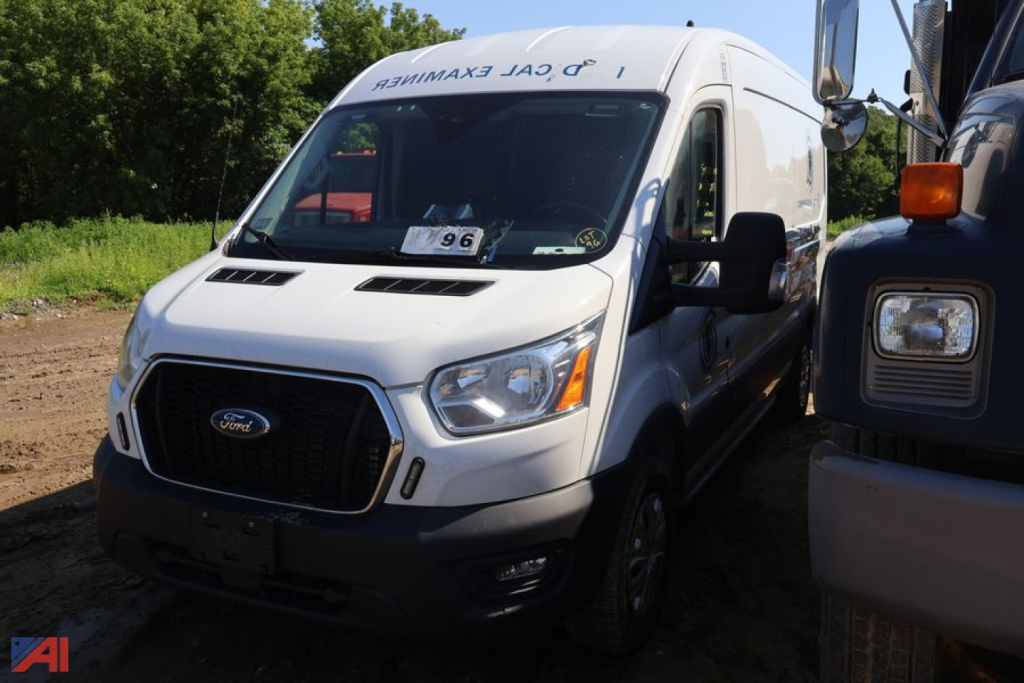

Have ford passenger van truck to sell? List it here to reach thousands of buyers.
Ford Passenger Van Trucks
The most important buying decision is matching seating, interior height, and entry access to the route. A high-roof Transit gives better walk-through room for shuttle and assisted-transport applications, while lower-roof versions can make more sense where parking garages, urban loading zones, or airport structures limit clearance. Pay close attention to wheelbase, rear overhang, GVWR, door configuration, and step-in height. Buyers moving passengers all day should also evaluate rear HVAC performance, insulation, window configuration, and how easy the interior is to clean and reconfigure. For ADA or senior transport, inspect lift cycle history, ramp geometry, wheelchair securement tracks, and the condition of the floor around anchor points.
Powertrain and operating cost matter because these vans often spend long hours in stop-and-go service. Ford Transit passenger vans are commonly found with gasoline engines and automatic transmissions, and buyers should compare mileage, idle hours, service records, and cooling system condition closely. Rear axle ratio, tire load rating, brake wear, and suspension condition all affect how the van handles a full passenger load. If the van will run airport, campus, or medical routes, look closely at visibility, backup camera integration, side glass coverage, and the condition of sliding and rear door hardware, since those components see heavy daily use.
A good Ford passenger van should be evaluated as both a people mover and a commercial asset. Seat mount integrity, flooring condition, airbag status, warning light history, and body corrosion are core checks on any used unit. For fleet buyers, the details that usually separate one van from another are maintenance consistency, conversion quality on mobility units, and how well the layout supports fast loading and unloading. When the body length, roof height, seating plan, and access equipment match the job, a Ford passenger van can cover high-frequency routes with lower operating complexity than a larger bus platform.
Frequently Asked Questions about Ford Passenger Van Trucks
What should I look for first when buying a used Ford passenger van?
Start with the intended passenger count, route type, and access needs. Those three factors determine the right wheelbase, roof height, door layout, and seat configuration. After that, inspect maintenance records, transmission operation, rear HVAC performance, tire condition, brake wear, and any signs of heavy shuttle use such as worn door tracks, damaged flooring, or loose seat mounts.
Are Ford Transit passenger vans good for wheelchair and ADA transport?
Yes, many Ford Transit passenger vans are used for wheelchair and ADA service because the platform is commonly upfitted with lifts, ramps, lowered floors, and securement systems. The key is to evaluate the conversion itself, not just the Ford chassis. Buyers should inspect lift operation, securement track condition, restraint hardware, interior clearance, and documentation on the accessibility equipment installer and service history.
What roof height is best for a Ford passenger van?
The best roof height depends on where and how the van operates. High-roof models improve passenger movement inside the cabin and are especially useful for shuttle and assisted-transport work. Low- and medium-roof models can be a better fit when garage clearance, airport structures, or tighter urban routes are part of the job. Interior standing room should be balanced against total vehicle height and route restrictions.
How many passengers can a Ford passenger van carry?
Capacity varies by configuration, wheelbase, and seating layout. Some units are set up for smaller crew or mixed cargo-passenger use, while others are configured with multiple rows for full shuttle duty. Accessibility conversions may reduce total seating because space is allocated for mobility equipment and wheelchair positions. Buyers should confirm actual legal seating capacity from the door label, build data, and current interior layout rather than relying on a generic model description.
What are the common wear points on Ford passenger vans used in shuttle service?
Common wear points include sliding and rear door hardware, seat frames and mounts, flooring, rear climate control components, suspension parts, brakes, and tires. Vans in frequent stop-and-go passenger service also tend to accumulate idle time, which makes engine cooling system condition and maintenance history important. On mobility units, lift mechanisms, wiring, anchor points, and the floor structure around securement areas deserve extra scrutiny.