
Used 2013 Ford Commercial Trucks For Sale
Browse used 2013 Ford trucks with common specs, cab options, diesel and gas engines, GVWR ranges, and vocational body considerations.
Selling a used 2013 ford commercial truck? List your used 2013 ford commercial truck for sale and reach thousands of commercial buyers.
Used 2013 Ford Commercial Trucks
On 2013 Ford trucks, powertrain selection is a major decision. The 6.7L Power Stroke diesel is common in Super Duty applications and remains popular for towing, higher mileage routes, and heavier payload work. Gas engines can still make sense for shorter routes, seasonal use, and lower annual miles because acquisition cost and service complexity are often lower. Buyers should look closely at transmission operation, PTO compatibility on chassis cab models, 4x2 versus 4x4 driveline layout, and rear axle gearing if the truck will spend time under load or pulling equipment. On used units, maintenance history is critical, especially for cooling system service, fuel system condition, front-end wear, brakes, and any signs of hard municipal or contractor use.
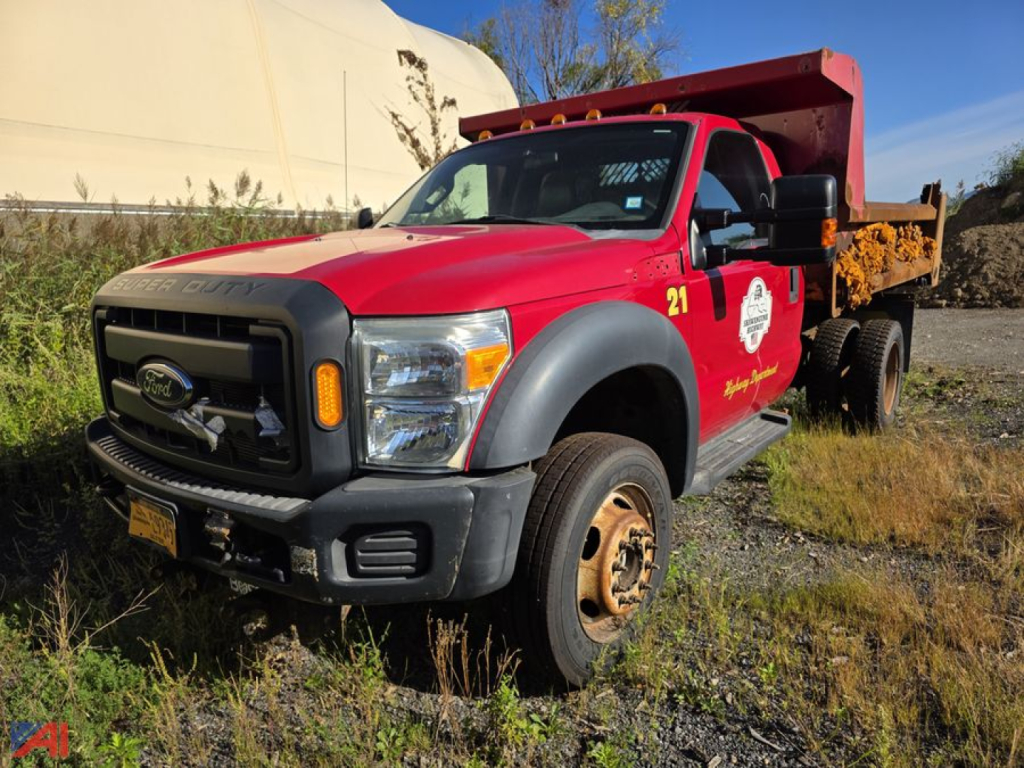
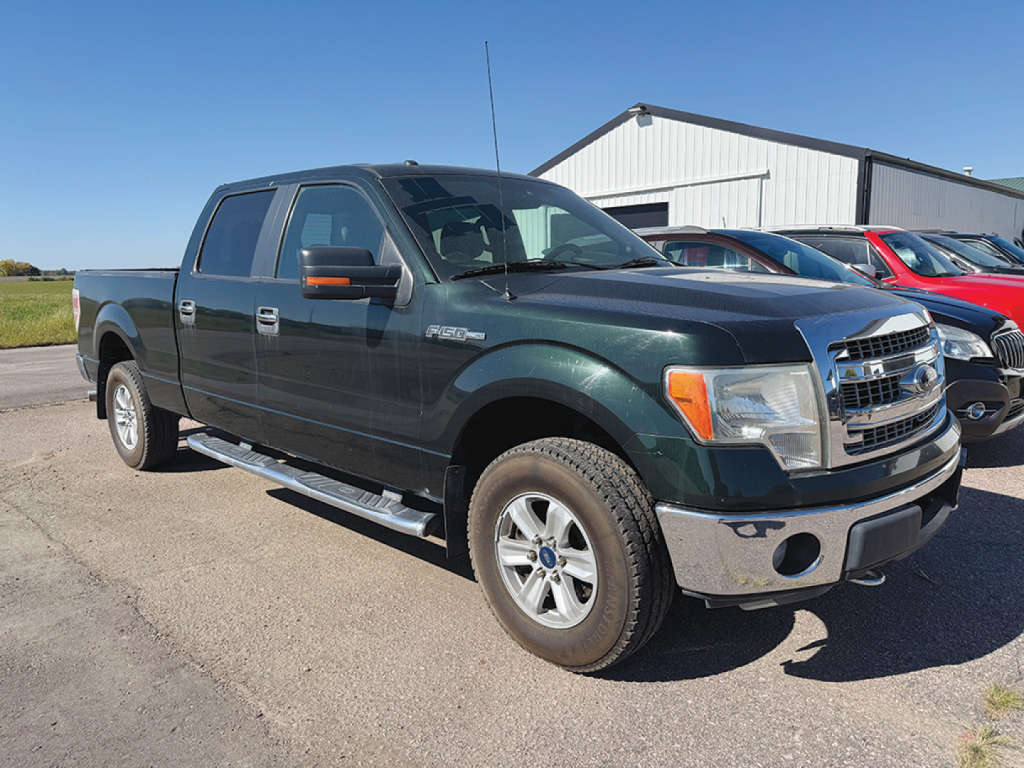
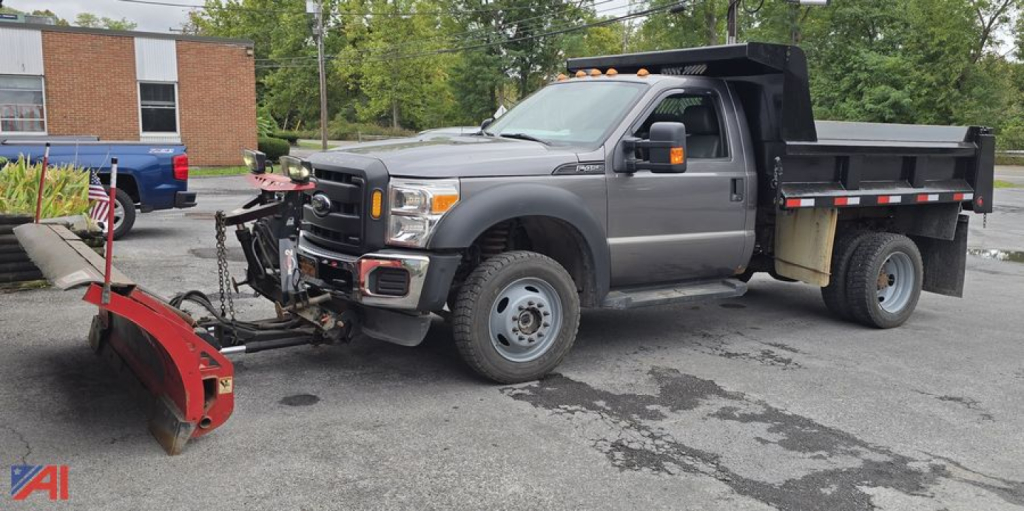
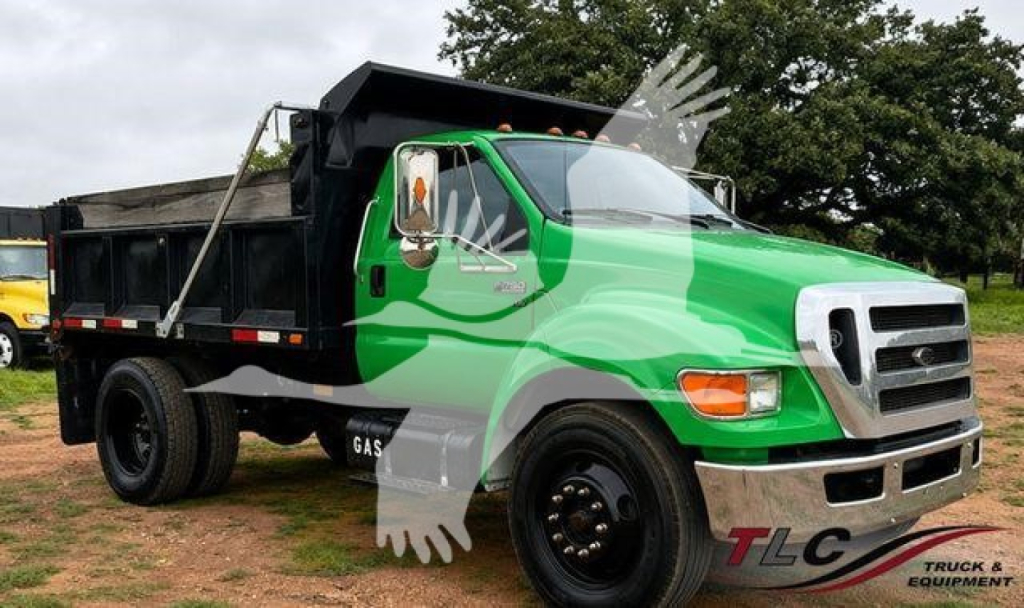
Cab and chassis configuration will affect both usability and resale. Regular cab trucks generally maximize body length on a given wheelbase, while SuperCab and crew cab layouts add passenger space but reduce available frame for the body. On F-450 and F-550 models, common commercial specs include dual rear wheels, spring suspension, automatic transmissions, and GVWR ratings that fit service bodies, landscape dumps, stake beds, mechanics trucks, and small roll-off applications. If the truck has an upfit, inspect hoists, hydraulic pumps, trailer brake controls, hitches, electrical connections, and body mounting points. Rust on beds, crossmembers, cab corners, and rear spring hangers can be more important than odometer reading on older vocational equipment.
A 2013 Ford truck can be a practical buy when the spec matches the job. Contractors often prioritize 4x4 capability, diesel torque, and trailer capacity, while delivery and municipal buyers may focus more on wheelbase, turning radius, idle history, and service access. Ford trucks from this era are widely supported in the aftermarket, which helps with parts availability for brakes, suspension, steering, and body-related repairs. The best value usually comes from a truck with a clear service record, a body designed for its intended duty cycle, and axle, suspension, and GVWR ratings that leave enough margin for real-world payload.
Frequently Asked Questions about Used 2013 Ford Commercial Trucks
What are the most common 2013 Ford truck models used in commercial service?
The most common 2013 Ford commercial trucks are typically Super Duty models such as the F-250, F-350, F-450, and F-550, plus E-Series cutaway and stripped chassis units. F-350 through F-550 trucks are especially common in vocational roles because they can be configured with service bodies, flatbeds, dumps, utility bodies, and towing equipment. The best model depends on the required GVWR, payload, cab size, and whether the truck will carry a permanent upfit.
Is the 6.7L Power Stroke a good engine choice in a used 2013 Ford truck?
The 6.7L Power Stroke is a strong choice for buyers who need towing performance, diesel torque, and better suitability for heavier duty cycles. It is common in F-Series commercial chassis and generally fits applications with higher annual mileage or sustained payload demands. On a used truck, the engine should be evaluated alongside service records, idle time, fuel system condition, cooling system maintenance, and overall truck spec because maintenance history often matters more than the engine badge alone.
What should I inspect first on a used 2013 Ford chassis cab or vocational truck?
Start with the truck's actual working components, not just the cab and engine. Confirm GVWR, axle ratings, wheelbase, PTO setup if equipped, and the condition of the body or upfit. Then inspect for frame corrosion, bed or body rust, hydraulic leaks, wiring quality, brake condition, steering play, suspension wear, and tire wear patterns. A dump, service body, or flatbed truck can look usable at a glance but still need expensive repairs in hoists, pumps, crossmembers, or body mounts.
Are gas or diesel 2013 Ford trucks better for commercial use?
Gas trucks can be a smart fit for lighter duty work, shorter trips, and fleets that want lower entry cost and simpler maintenance. Diesel trucks are usually better suited for towing, heavier payloads, and applications where low-end torque and longer operating cycles matter. The better option depends on route length, annual mileage, loaded weight, and how often the truck idles or powers auxiliary equipment.
Why do wheelbase and cab style matter so much on a 2013 Ford truck?
Wheelbase and cab style determine how the truck fits the jobsite, the body length it can carry, and how weight is distributed across the axles. A regular cab may allow a longer service body or dump body on the same chassis, while a crew cab gives more interior space but reduces available frame length. These choices affect maneuverability, upfit options, turning radius, and sometimes resale demand in specific vocational segments.