
Used Ford Commercial Trucks For Sale in Tennessee
Used Ford commercial trucks in Tennessee, from F-250 to F-750. Compare gas vs diesel, GVWR, brakes, and specs for dump, box, service, and rollback.
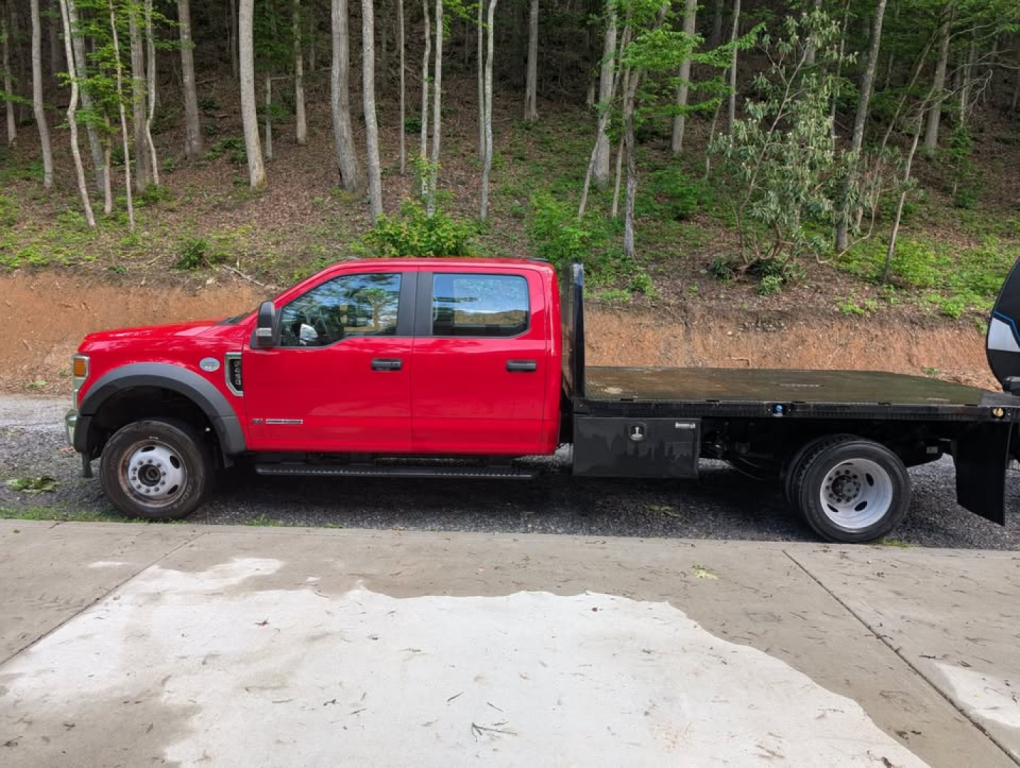
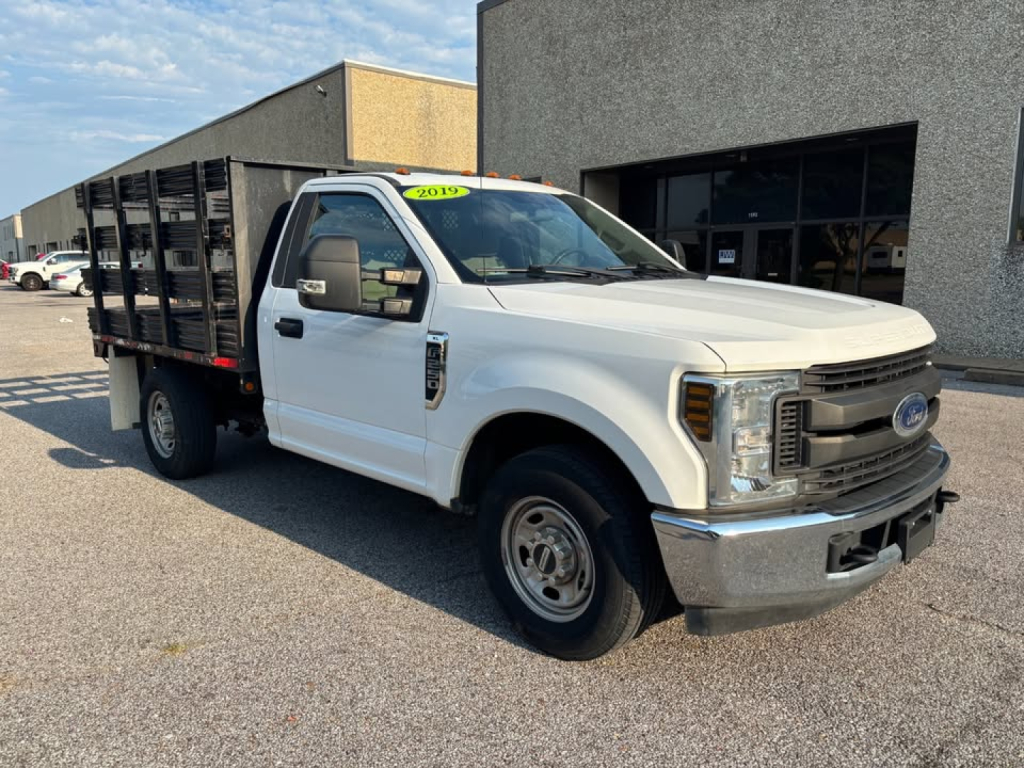
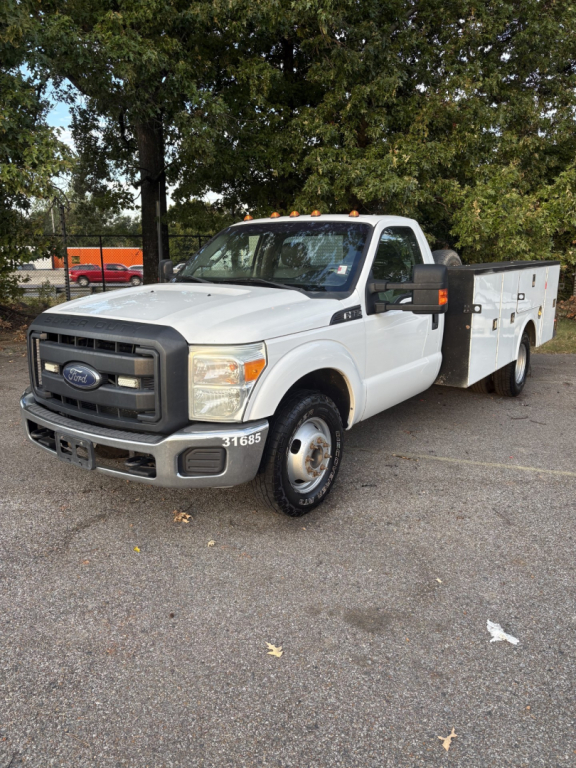
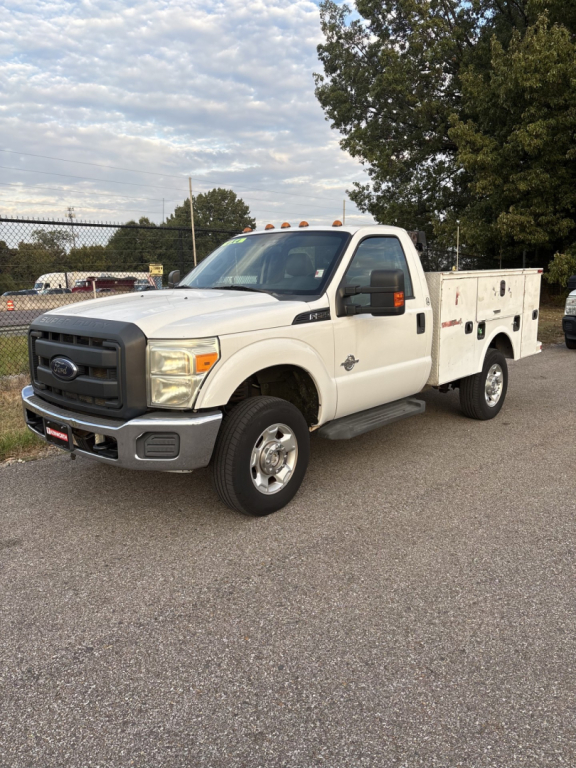
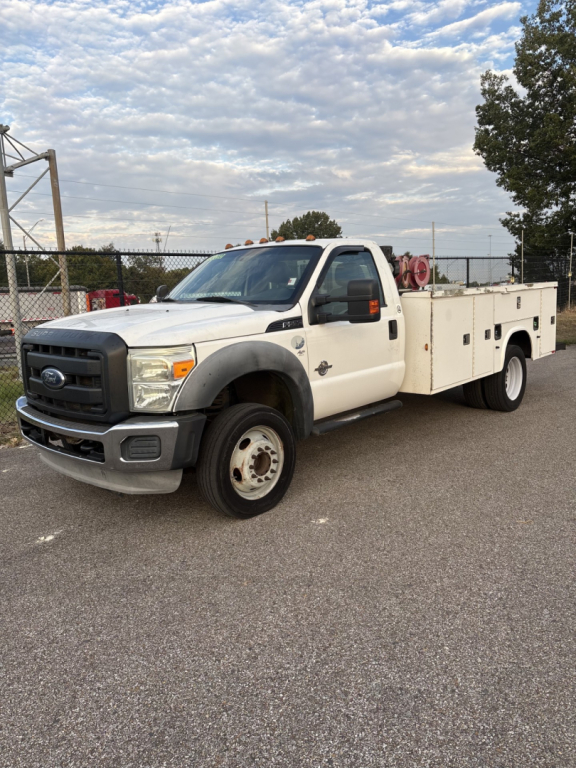
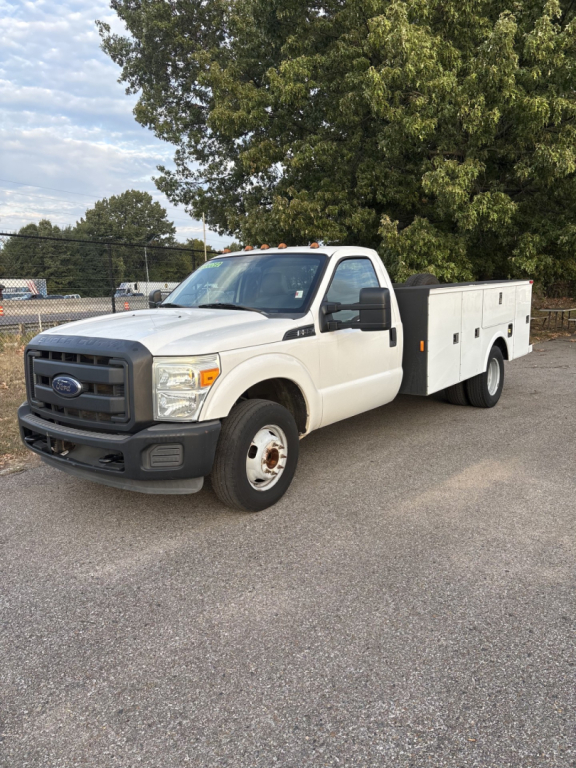
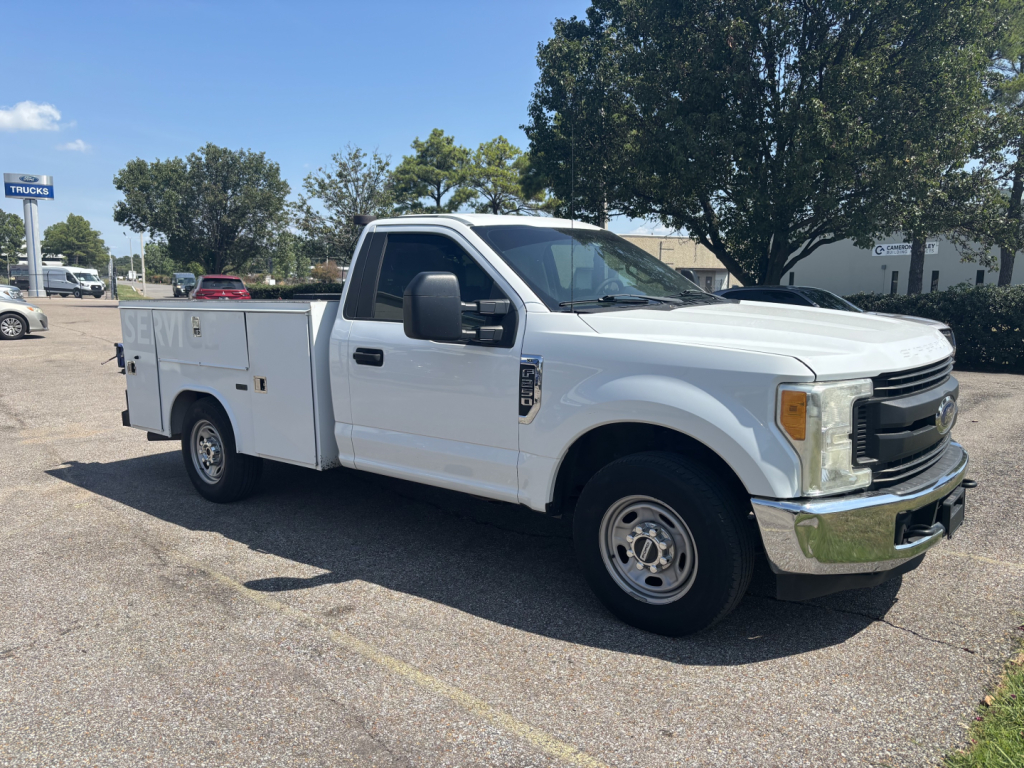
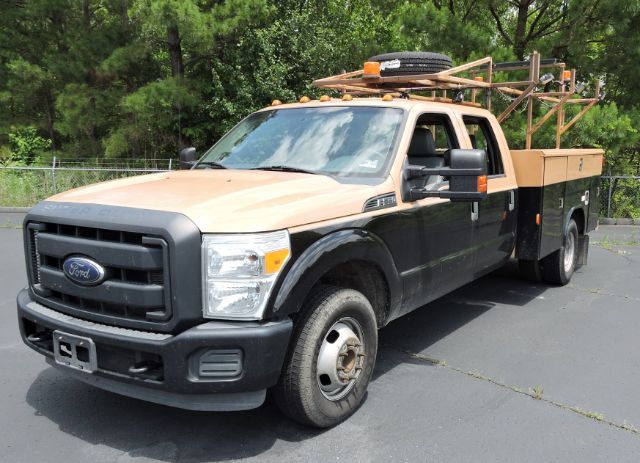
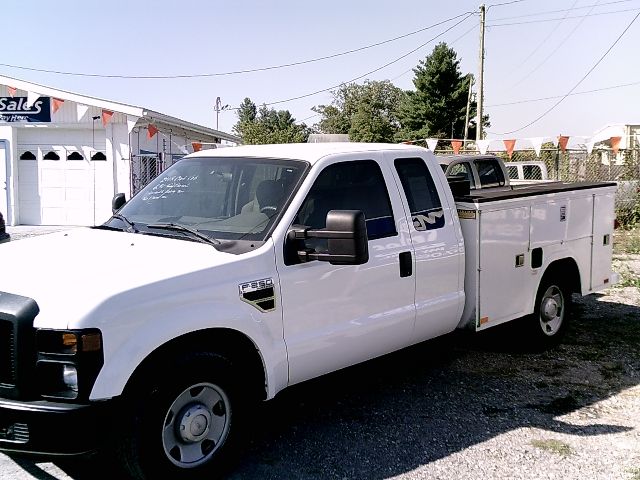

Selling a used ford commercial truck? List your used ford commercial truck for sale to reach thousands of commercial buyers.
Used Ford Commercial Trucks in Tennessee
Ford’s commercial lineup covers F-250 through F-750. Super Duty chassis cabs in the F-350 to F-550 range are common for service bodies, dumps, utility, cranes, and small rollbacks, with 4x2 or 4x4, 19.5 inch rubber, and TorqShift automatics. Newer Super Duty models run 10-speed TorqShift; earlier models use a 6-speed. Many provide factory PTO provisions and upfitter switches. The F-600 bridges to medium duty with GVWR up to 22,000 for non-CDL payload headroom. F-650 and F-750 serve 16 to 26 foot van bodies, heavier dumps, reefers, and tow units, typically in 4x2 with 22.5 inch wheels and either hydraulic or air brakes. TorqShift HD automatics are common on these, with Allison found on some older builds. Air-ride rears appear on select units; spring suspensions dominate for durability and lower maintenance.
Route profile in Tennessee influences configuration. For Nashville and Memphis urban delivery, a non-CDL F-650 at 25,999 GVWR with hydraulic brakes and a 16 to 18 foot box is a popular balance of payload and maneuverability. For Appalachian foothills and job sites, a 4x4 F-550 dump or service truck with higher axle ratios and the diesel exhaust brake helps with grade control. Rollbacks and wreckers see constant duty along the I-24 and I-40 corridors, where cooling package condition and transmission service history matter. Reefers supporting produce or healthcare should be checked for box insulation, door seals, and reefer hour meters. Tennessee’s moderate winters and limited road salt can mean cleaner frames than northern units, but still inspect crossmembers, spring hangers, and cab mounts.
On any used Ford truck, verify GVWR against CDL needs, brake system type, and tire size for operating cost. Check PTO hour meters versus odometer, body wiring integrity at the bulkhead, and that the cab-to-axle suits the installed body. Review diesel aftertreatment history for forced regens, DPF ash loading, and NOx sensor replacements. For box trucks, look at floor wear, scuff liners, and liftgate cycle counts. For dumps, inspect hinge pins, hoist cylinders, and subframe alignment. Steering components, kingpins, and wheel seals on 22.5 inch setups deserve a close look. Many newer F-series support Ford telematics, which can streamline maintenance and driver behavior monitoring for multi-unit operators.
Frequently Asked Questions about Used Ford Commercial Trucks in Tennessee
What GVWR and licensing considerations apply to used Ford medium-duty trucks in Tennessee?
A CDL is generally required at 26,001 pounds GVWR and above, which captures many F-650 and most F-750 configurations. Non-CDL builds are commonly set at 25,999 GVWR with hydraulic brakes. If the truck has air brakes, you will need to test to remove the air brake restriction on your CDL. Combination weight ratings and towed equipment can also trigger CDL requirements, so confirm GCWR and state rules before purchase.
Should I choose the 6.7L Power Stroke diesel or the 7.3L gas V8 for my routes?
Pick diesel for heavy payloads, frequent highway miles, grades, and when you want an exhaust brake and better fuel economy under load. Diesel adds DEF and DPF systems that need proper regen, especially in stop-and-go work. Choose the 7.3L gas for lower upfront cost, simpler emissions hardware, consistent short-haul or PTO-intensive duty, and easier cold starts without DEF. Fuel cost, idle time, and maintenance capability should guide the choice.
Are Ford F-650 and F-750 available with air brakes and 22.5 inch tires?
Yes. Many F-650 and F-750 trucks are spec’d with 22.5 inch wheels and can be found with either hydraulic or air brakes. Air brakes offer better heat management on repeated stops and are favored for heavier bodies and frequent grades, but add inspection and maintenance complexity. Hydraulic brakes are common on non-CDL builds and can reduce operating costs for urban and suburban routes.
What wheelbase and cab-to-axle do I need for a 16 to 18 foot box body?
A typical 16 foot van body often pairs with a cab-to-axle in the 120 inch range, while 18 to 20 foot bodies commonly use 138 to 150 inches, depending on frame layout and liftgate equipment. Exact dimensions vary by body builder, axle placement, and fuel/DEF tank packaging. Always confirm against the body manufacturer’s chart and the specific chassis RAWR, wheelbase, and overhang limits.
What are key inspection points on used Ford diesel trucks with aftertreatment?
Scan for active and historical fault codes, check DPF ash load, verify successful regen history, and review invoices for EGR, turbo, and NOx sensor work. Inspect DEF lines and tank heaters, look for exhaust leaks that can upset sensor readings, and evaluate oil analysis if available. A healthy exhaust brake function and clean cold starts without excessive smoke are good signs. Tie this to the truck’s duty cycle to judge remaining life.