
Used Sewer Rodder - Septic Trucks For Sale
Used sewer rodder and septic trucks for pumping, jetting, and wastewater service. Compare tank size, vacuum pump capacity, chassis, and CDL needs.
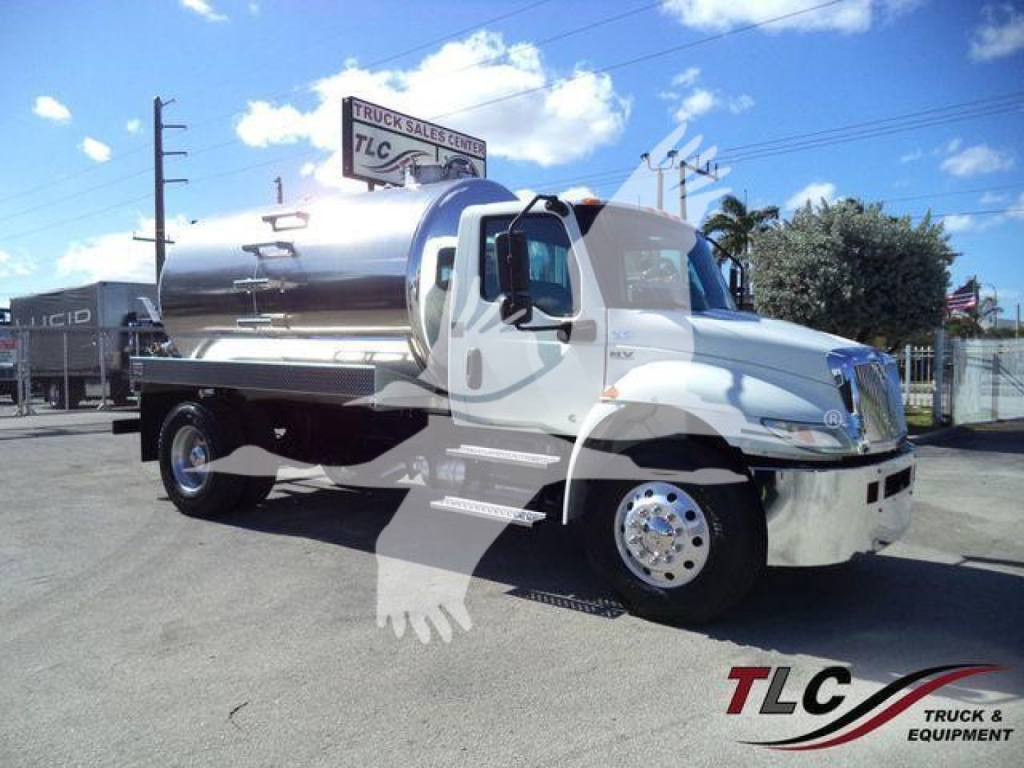
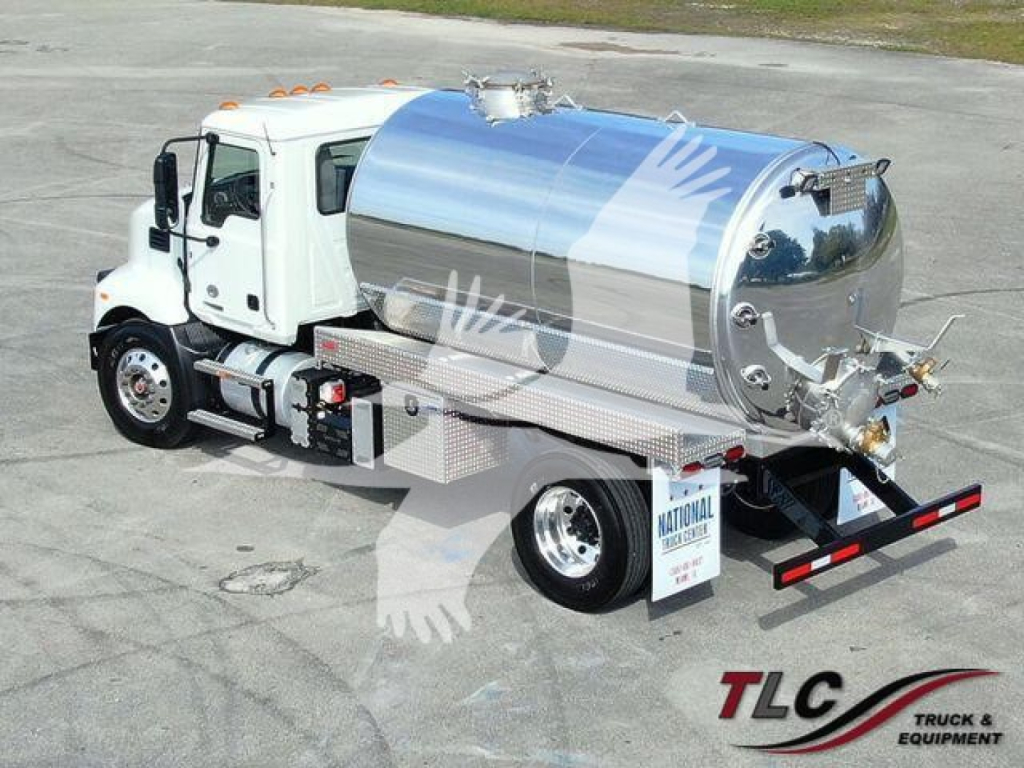
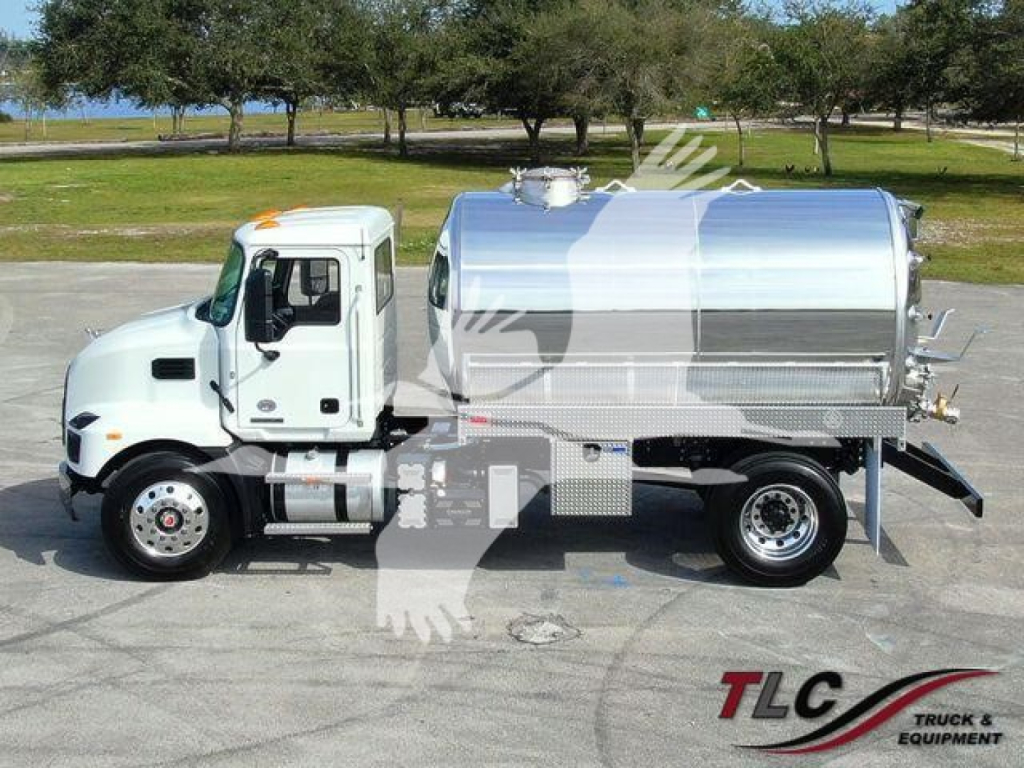
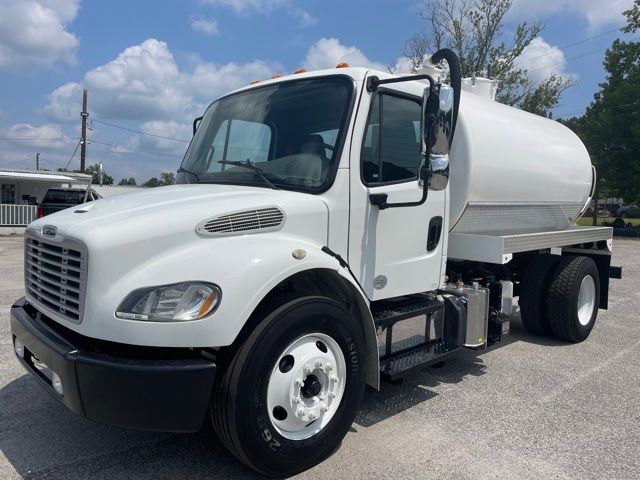
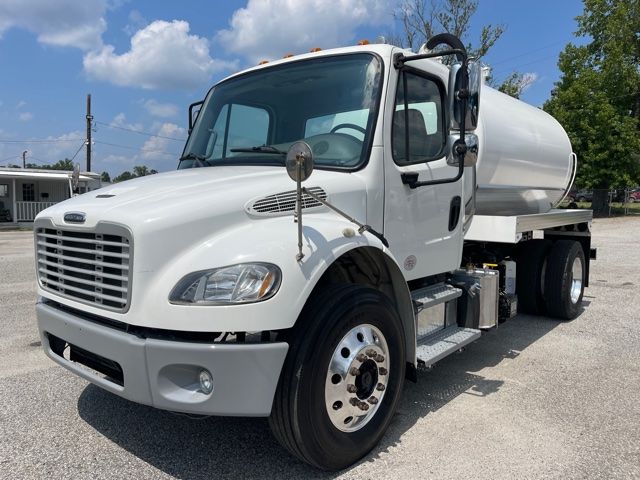
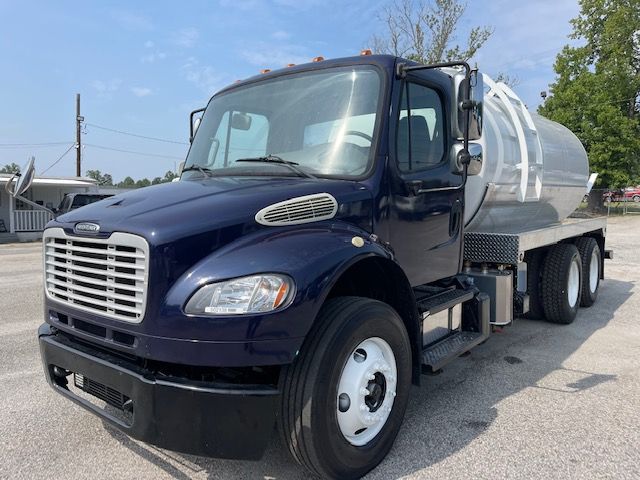
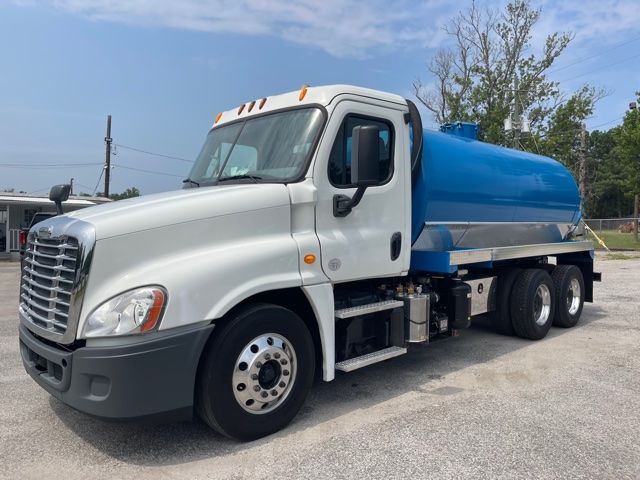
Selling a used sewer rodder - septic truck? List your used sewer rodder - septic truck for sale and reach thousands of commercial buyers.
Used Sewer Rodder - Septic Trucks
Tank size and vacuum pump output tell you how the truck will perform in the field. For septic pumping, a 2,500 gallon setup can be a practical balance between maneuverability and payload, especially for residential routes, tighter driveways, and rural service calls. Larger 3,500 gallon units reduce dump trips and make more sense for commercial accounts, lift stations, and heavier daily volume. Vacuum pumps in the 380 CFM range are common on these trucks and are suitable for routine pumping service, but buyers should also look at hose storage, hose length, discharge plumbing, shutoff systems, and tank construction. On used equipment, tank age matters just as much as truck age, especially if a chassis has been paired with a newer replacement tank and pump package.
The term sewer rodder can also overlap with combination sewer cleaners, but not every septic truck is a true combo unit. Some are straight vacuum trucks designed mainly for pumping, while others may include jetting capability for cleaning sewer lines, catch basins, and blocked drains. If jetting is part of the work, confirm water capacity, reel setup, pressure and flow ratings, and how the body is configured for rodder service. If the truck is primarily a septic pumper, focus more on vacuum pump condition, tank integrity, PTO operation, valves, seals, and evidence of regular service. A fresh DOT inspection, clean PTO engagement, and documented pump or tank replacement can add real value on a used truck.
The best used sewer rodder or septic truck is the one matched to route density, disposal access, and jobsite constraints. Under-CDL units can be easier to staff and may lower compliance burdens, but they give up payload and can increase trips in busy markets. Larger tandem trucks carry more and often suit municipal contractors and dedicated septic fleets, but they need room to maneuver and careful attention to axle ratings and bridge laws. Buyers should check frame condition, corrosion around tank mounts, vacuum pump hours if available, interior wear, and the overall quality of any refurbishment. A clean used truck with a sound tank, strong pump, and sensible gallon capacity can be a cost-effective way to add pumping or sewer service capacity without the lead time and expense of a new build.
Frequently Asked Questions about Used Sewer Rodder - Septic Trucks
What is the difference between a septic truck and a sewer rodder truck?
A septic truck is typically focused on vacuum recovery and liquid waste transport from septic tanks, grease traps, portable toilets, and similar applications. A sewer rodder truck may include jetting equipment used to clean and clear sewer lines in addition to vacuum capability. Some listings in this category are straight vacuum trucks, while others are closer to combination sewer cleaners, so buyers should verify whether the truck includes a water system, hose reel, and jetting pump or is set up only for pumping.
What tank size is common on a used septic or sewer rodder truck?
Used trucks in this class often range from about 2,500 gallons on medium-duty single-axle chassis up to 3,500 gallons or more on larger tandem-axle setups. A 2,500 gallon tank is common for residential septic routes and jobs where access is tight. A 3,500 gallon truck is better suited for higher-volume commercial work, municipal service, or routes where reducing dump trips is important. Tank capacity should always be considered alongside axle ratings, wheelbase, and local weight laws.
What vacuum pump capacity should I look for on a used septic truck?
Many used septic trucks are equipped with vacuum pumps in the general range of 380 CFM, which is a workable size for routine pumping service. The right pump depends on tank size, hose length, elevation changes, and the type of material being recovered. Pump condition matters as much as rated output, so buyers should ask about rebuild history, oiling system condition, PTO operation, and whether the truck maintains strong vacuum under load.
Can an under-CDL septic truck handle commercial work?
An under-CDL septic truck can handle certain commercial accounts, but capacity becomes the limiting factor. These trucks are attractive because they can simplify hiring and reduce some regulatory burdens, yet smaller tanks mean more frequent disposal trips on larger jobs. For mixed residential and light commercial routes, they can be a smart fit. For high-volume septic, municipal, or industrial pumping, a larger truck usually provides better productivity.
What should I inspect on a used sewer rodder or septic truck before buying?
Start with the tank, vacuum pump, PTO, valves, and plumbing because those components drive the truck's earning ability. Check for corrosion, patch repairs, leaks, weak tank mounts, and signs of poor fabrication on replacement equipment. Review the chassis like any other vocational truck by looking at engine service history, transmission operation, suspension, brakes, and frame condition. It is also smart to confirm hose condition, reel function if equipped, and whether the tank and pump are original or recently replaced.