
Used 2013 Sewer Rodder - Septic Trucks For Sale
Browse used 2013 sewer rodder and septic trucks. Compare tank size, vacuum pump capacity, chassis specs, and service applications.
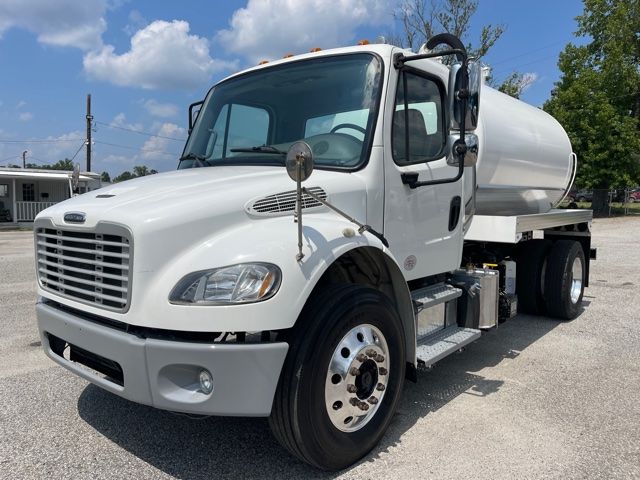
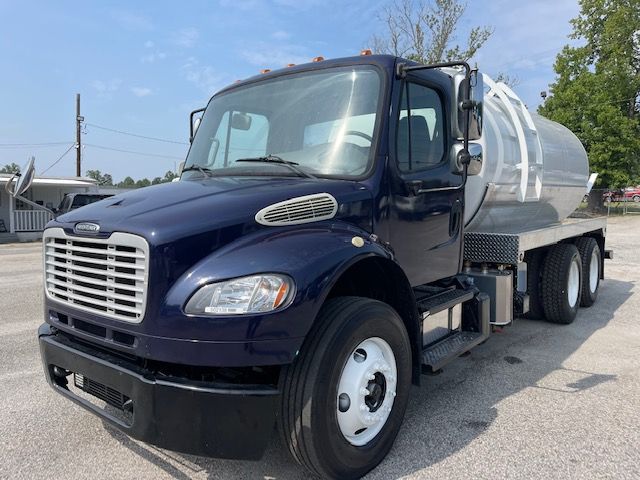
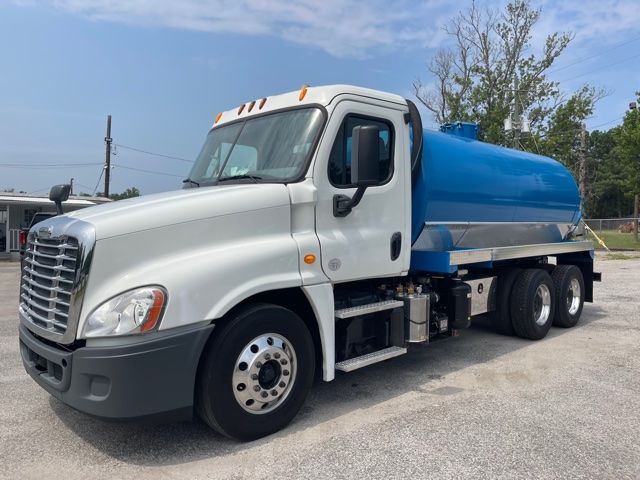
Selling a used 2013 sewer rodder - septic truck? List your used 2013 sewer rodder - septic truck for sale and reach thousands of commercial buyers.
Used 2013 Sewer Rodder - Septic Trucks
Vacuum performance is the next major decision point. Many 2013 septic and rodder trucks are equipped with positive displacement vacuum pumps in the range of roughly 300 to 400 CFM, which is a practical range for septic tank pumping, wet well cleanup, and general liquid waste recovery. A buyer should look closely at pump brand, hours, rebuild history, and whether the tank and plumbing are original or recently replaced. Newer replacement tanks, fresh hose packages, and updated valves can add real value because corrosion, internal tank condition, and leaks are major cost drivers on older vacuum equipment. For sewer rodder applications, also confirm jetting capability, hose reel condition, water system capacity, and nozzle support, since some trucks in this category are strictly vacuum units while others are combination service trucks.
On a used 2013 chassis, condition matters as much as specification. Check frame rails, suspension, PTO operation, hydraulic functions, and the full vacuum system under load. Review axle ratings against the tank size and intended payload, especially on tandem-axle units carrying 3,500 gallons or more. Cab condition, mileage, DOT inspection records, and evidence of regular engine and transmission service all tell you how the truck was treated. Emissions equipment from this era should also be inspected carefully, particularly on trucks used for stop-and-go municipal or residential routes where idle time can be high.
The best 2013 sewer rodder-septic trucks are matched to the work they actually perform. A smaller single-axle unit can be a strong fit for residential septic pumping, tighter access points, and lower operating cost. A larger tandem setup is better suited for municipal contracts, commercial pumping, and higher-volume daily service. Buyers should also evaluate hose storage, rear work lights, washdown systems, discharge plumbing, and hitch setups if the truck may tow support equipment. A well-specified used septic truck can still be a productive revenue unit if the tank, pump, PTO, and chassis are all aligned with the job cycle.
Frequently Asked Questions about Used 2013 Sewer Rodder - Septic Trucks
What tank size is common on a used 2013 sewer rodder or septic truck?
A common range is about 2,500 to 3,500 gallons, with smaller tanks often found on single-axle trucks and larger tanks more common on heavier tandem-axle setups. The right size depends on the type of work, disposal turnaround time, road weight limits, and whether maneuverability or maximum payload matters more in daily service.
What vacuum pump capacity should a buyer expect on a 2013 septic truck?
Many used units from this period fall in the 300 to 400 CFM range, which is adequate for general septic pumping, liquid recovery, and grease trap work. Pump condition is more important than the rated number alone, so buyers should verify rebuild history, oiling system condition, vacuum performance under load, and parts support for the specific pump model.
How do I tell if a 2013 sewer rodder-septic truck is a true combination unit?
A true combination unit should have both a functioning vacuum recovery system and a dedicated high-pressure water jetting system. That includes a water tank or split tank arrangement, high-pressure pump, hose reel, jetting hose, and controls for sewer cleaning. Some trucks are labeled broadly in this category but are configured only for vacuum pumping, so the presence of rodder equipment should be confirmed directly.
What should I inspect first on a used 2013 septic truck?
Start with the vacuum tank, pump, and PTO because those are the most expensive service components unique to the truck's application. Check for tank corrosion, patched areas, valve wear, plumbing leaks, weak vacuum performance, and any signs of contamination or poor maintenance. After that, review chassis mileage, engine service records, transmission operation, suspension, brakes, and axle ratings.
Can a 2013 septic truck be configured to stay under CDL limits?
Some medium-duty units with smaller tanks can be built or operated in an under-CDL range, but that depends on GVWR, axle ratings, tank size, and how the truck is actually loaded. Buyers should verify the door tag, registered weight, and legal operating weight with a full load because liquid waste is heavy and can quickly push a truck beyond lighter-duty thresholds.