
Used 2013 Sewer Rodder - Septic Trucks For Sale in Georgia
Shop used 2013 sewer rodder and septic trucks in Georgia. Compare tank size, vacuum pump capacity, chassis, PTO setup, and CDL requirements.
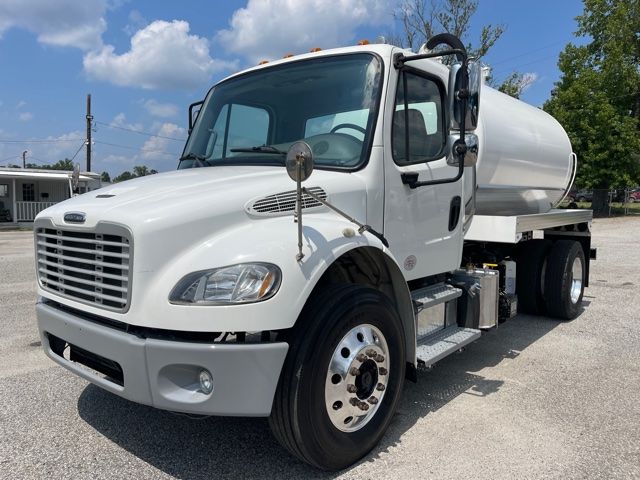
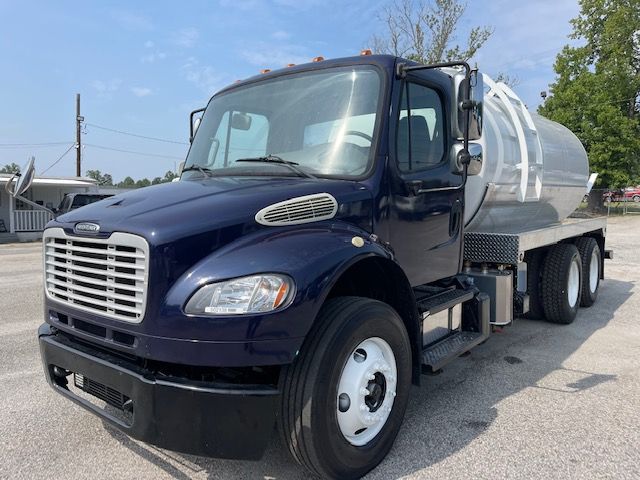
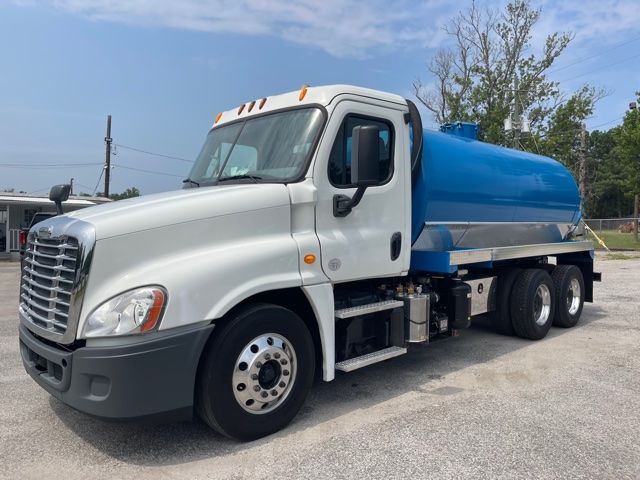
Selling a used 2013 sewer rodder - septic truck? List your used 2013 sewer rodder - septic truck for sale and reach thousands of commercial buyers.
Used 2013 Sewer Rodder - Septic Trucks in Georgia
The biggest decision is matching capacity to route density and disposal turnaround. A 2,500 gallon septic truck can make sense for residential pumping, tighter neighborhoods, and operators trying to stay lighter and more maneuverable. A 3,500 gallon setup gives more productivity per trip but brings added axle loading, a larger physical footprint, and stricter attention to suspension, brake condition, and legal GVWR. On a used 2013 truck, inspect the vacuum tank carefully for shell condition, weld quality, baffles, rear door seal integrity, and evidence of corrosion around mounting points. If the tank is newer than the chassis, verify how the installation was done, including PTO integration, subframe mounting, plumbing layout, and relief protection.
Pump performance matters as much as tank size. Many trucks in this class run a vacuum pump in the NVE607 range, often around 380 CFM, which is a common fit for septic and general vacuum service. Buyers should confirm pump hours if available, check for oil carryover, listen for abnormal bearing noise, and verify the truck pulls and holds vacuum properly under load. Hose condition, hose reel setup, discharge plumbing, shutoff protection, and valve accessibility all affect daily productivity. A truck that has been recently serviced and DOT inspected can be attractive, but septic equipment should still be evaluated as a working system, not just as a roadworthy chassis.
For Georgia operators, heat, humidity, and stop-and-go route work put real stress on cooling systems, PTO components, and cab condition. A clean interior and strong A/C are not minor details on a truck that spends all day in local service. Look closely at frame condition, wheelbase suitability, hitch equipment if used for support trailers, and parts support for the engine and transmission package. A well-spec'd used 2013 sewer rodder or septic truck can still be a cost-effective choice for owner-operators, municipalities, and environmental service companies that need proven vacuum capability without stepping into the price of a newer build.
Frequently Asked Questions about Used 2013 Sewer Rodder - Septic Trucks in Georgia
What is the typical tank size for a used 2013 sewer rodder or septic truck?
Many used 2013 septic trucks in this category fall in the 2,500 to 3,500 gallon range. A 2,500 gallon tank is common for residential septic service and tighter local routes because it keeps the truck more maneuverable and may help with weight management. A 3,500 gallon tank increases productivity between dumps, but buyers need to pay closer attention to axle ratings, legal GVWR, and overall chassis condition.
How much vacuum pump capacity is common on these trucks?
A common setup in this class is a vacuum pump around 380 CFM, which is suitable for many septic pumping and general vacuum service applications. Pump condition is more important than the headline number alone. Buyers should verify that the pump builds vacuum correctly, check for leaks in the plumbing, inspect the lubrication system, and confirm that relief and shutoff protections are functioning as intended.
Can a 2013 septic truck be operated without a CDL?
Some units are marketed as under CDL, but that depends on the truck's actual GVWR, tank size, fluid weight, and how it is equipped. A buyer should not rely on a label alone. The correct approach is to verify the door sticker, axle ratings, tank capacity, and expected loaded operating weight to determine whether the truck fits non-CDL use in its intended application.
What should I inspect first on a used sewer rodder or septic truck?
Start with the tank, pump, and PTO system because those are the specialized revenue-producing components. Inspect the tank shell, rear door, seals, valves, hose setup, and mounting structure for corrosion, cracks, or poor repairs. Then evaluate pump operation, plumbing integrity, and PTO engagement. After that, inspect the base truck like any other used commercial chassis, including engine, transmission, brakes, suspension, tires, cooling system, and service records.
Are 2013 Freightliner M2 septic trucks still a practical choice?
Yes, they can be a practical choice because the M2 is a common medium-duty platform with broad parts availability and familiar service support. Many are equipped with Cummins diesel engines and either manual or Allison automatic transmissions, both of which are widely understood in the market. The value comes down to the condition of the vacuum system, the quality of any tank replacement or upfit work, and how well the truck's weight and wheelbase match the job.