
Used Sewer Rodder - Septic Trucks For Sale in Georgia
Used sewer rodder and septic trucks for sale in Georgia, including vacuum tank trucks built for septic pumping, sewer cleaning, and municipal service.
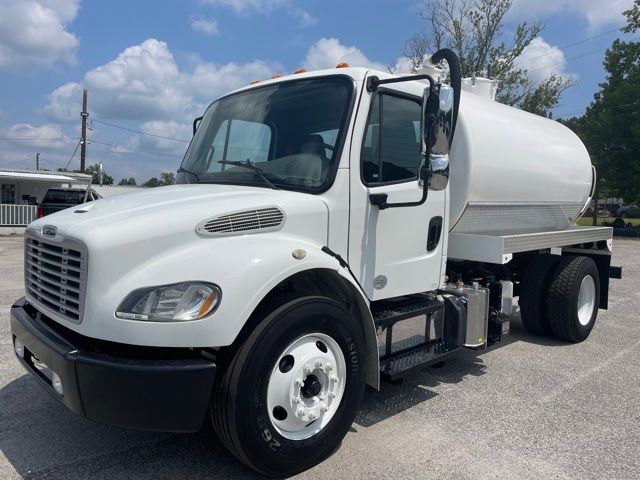
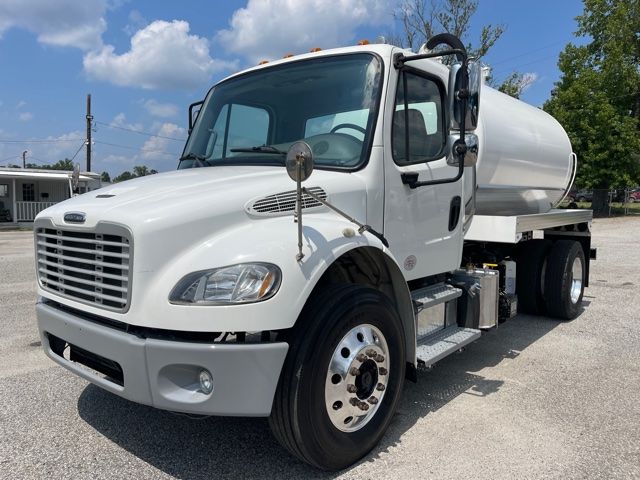
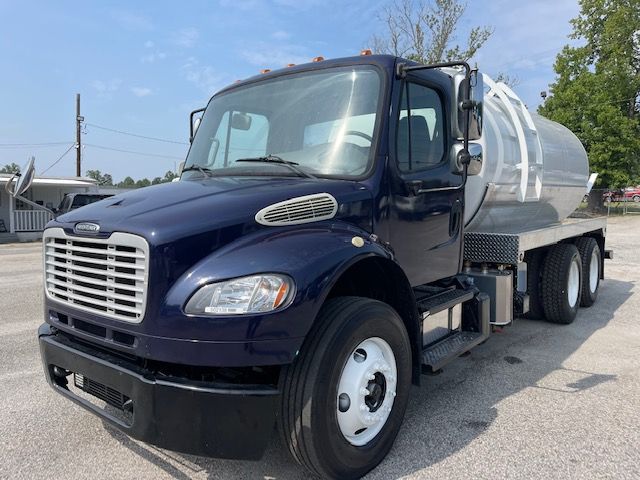
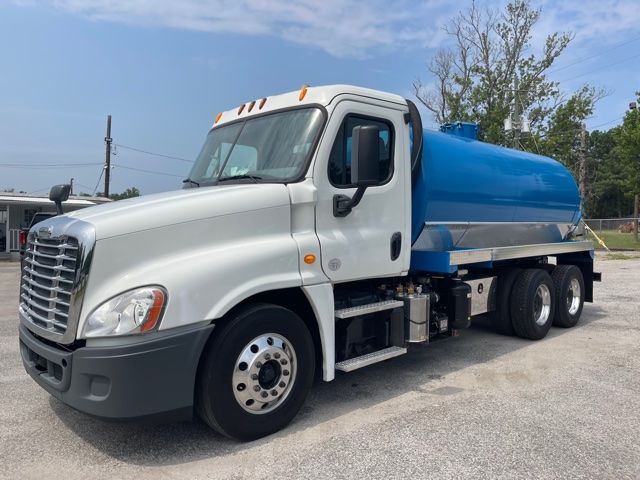
Selling a used sewer rodder - septic truck? List your used sewer rodder - septic truck for sale and reach thousands of commercial buyers.
Used Sewer Rodder - Septic Trucks in Georgia
A buyer comparing used septic trucks should look closely at the vacuum system, not just the cab and mileage. Pump brand and condition, tank construction, hose capacity, valves, shutoffs, and sight glasses all affect uptime. Many operators want 100 feet of vacuum hose or more, a usable discharge setup, and a tank layout that gives easy access for daily washdown and maintenance. If the truck will handle heavier commercial pumping or longer rural routes, tandem-axle configurations and larger tanks can improve productivity. For residential septic work, an under-CDL setup can be attractive because it opens the door to more driver flexibility and easier operation in tighter neighborhoods and job sites.
The chassis matters just as much as the tank package. Freightliner M2 models are common in this class because they balance serviceability, visibility, and vocational upfit compatibility. Engines such as the Cummins ISB or ISC, paired with an Allison automatic or a manual transmission, are typical on used units. Buyers should verify GVWR, axle ratings, suspension condition, PTO operation, and brake performance, especially on trucks that spend time on uneven driveways, soft ground, and stop-and-go municipal routes. A clean DOT inspection, recent service records, and evidence of pump or tank replacement can add real value on a used sewer rodder truck.
This equipment category is also referred to as a septic truck, vacuum truck, vac truck, or sewer cleaning truck, though true sewer rodders may include additional jetting components depending on the build. The right truck depends on the mix of septic pumping versus line cleaning work. If the truck will mainly move waste from tanks and pits, vacuum performance and legal capacity are the priority. If sewer maintenance is part of the job, buyers should confirm rodder or jetting capability, water capacity, hose reel condition, and the pressure system spec. A well-matched used sewer rodder or septic truck can deliver strong daily revenue, but only if the tank, pump, chassis, and job application are aligned.
Frequently Asked Questions about Used Sewer Rodder - Septic Trucks in Georgia
What is the difference between a septic truck and a sewer rodder truck?
A septic truck is primarily built to vacuum and transport liquid waste from septic tanks, grease traps, pits, and similar containment systems. A sewer rodder truck is generally configured for cleaning sewer lines and may include a high-pressure water jetting system, hose reel, and water tank in addition to vacuum capability. Some used trucks in this category are straight vacuum units, while others are combination units, so buyers should confirm whether the truck is equipped for pumping only or for both pumping and line cleaning.
What tank size is common on a used sewer rodder or septic truck?
Common tank sizes on used septic and vacuum trucks often fall in the 2,500 to 3,500 gallon range, especially on medium-duty and tandem-axle chassis. Smaller tanks can be useful for residential routes, under-CDL operation, and tighter access. Larger tanks usually make more sense for commercial accounts, municipal work, and areas where disposal runs are longer. The right tank size depends on payload limits, axle ratings, and how often the truck will need to dump during a normal workday.
How important is CFM on a septic or vacuum truck?
CFM is a key measure of vacuum pump airflow and directly affects how quickly the truck can load material. A pump rated around 380 CFM is common for general septic service and offers a practical balance of performance and cost on many used units. Buyers should not look at CFM alone, though. Pump condition, vacuum level, PTO function, plumbing layout, and the type of waste being handled all influence real-world performance.
Should I choose an under-CDL septic truck or a larger tandem-axle unit?
An under-CDL septic truck can reduce driver qualification issues and is often easier to maneuver in residential areas, mobile home parks, and confined sites. A larger tandem-axle truck usually provides more tank capacity and better productivity for commercial, industrial, or municipal applications. The tradeoff is that larger trucks may bring higher operating costs, stricter driver requirements, and reduced access in tight locations. Buyers should match chassis size to route density, disposal distance, and the type of accounts they plan to service.
What should I inspect on a used sewer rodder or septic truck before buying?
The most important inspection points are the vacuum pump, tank condition, PTO operation, hoses, valves, seals, and any jetting components if equipped. Buyers should also evaluate frame condition, suspension, brake system, tire wear, axle ratings, and service history on the chassis. On the tank side, look for corrosion, poor repairs, leaks, damaged baffles, and worn shutoff systems. A used truck with recent pump service, documented DOT work, and a sound tank can be a much better value than a lower-priced unit with hidden vacuum system problems.