
Used Commercial Trucks For Sale in Alabama
Shop used trucks for sale in Alabama. Compare specs, payload, tare weight, corrosion history, floor strength, and thermal integrity for your routes.
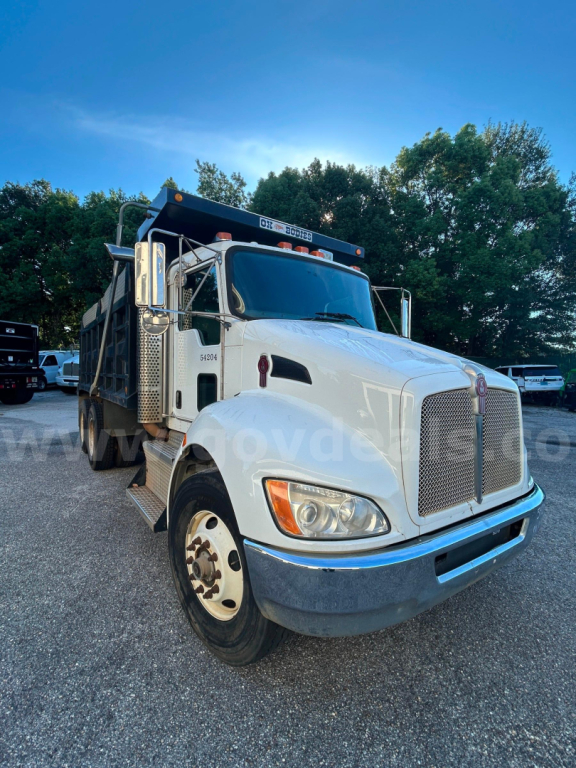
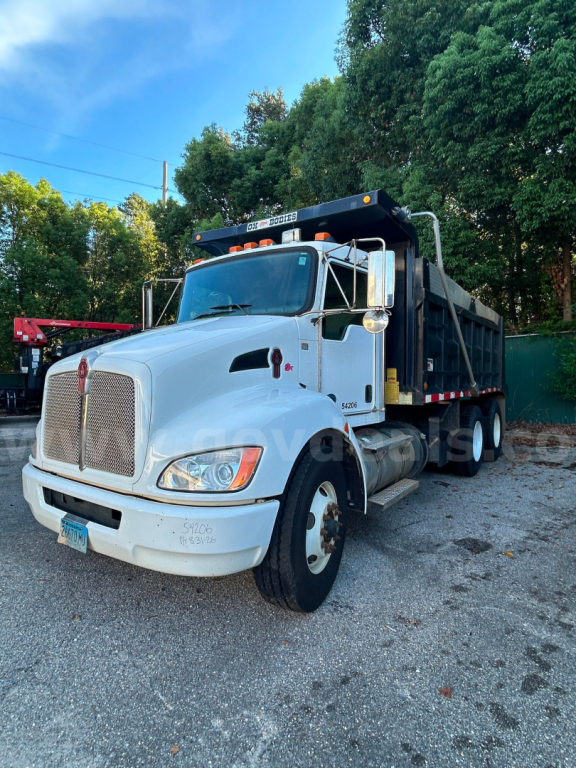
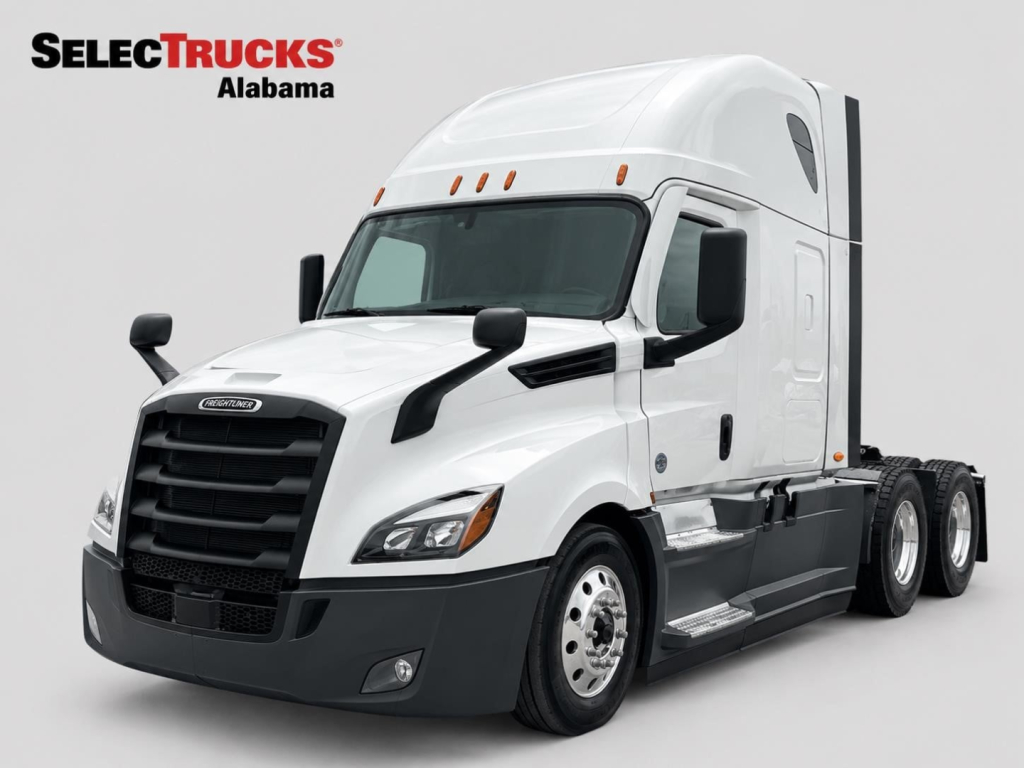
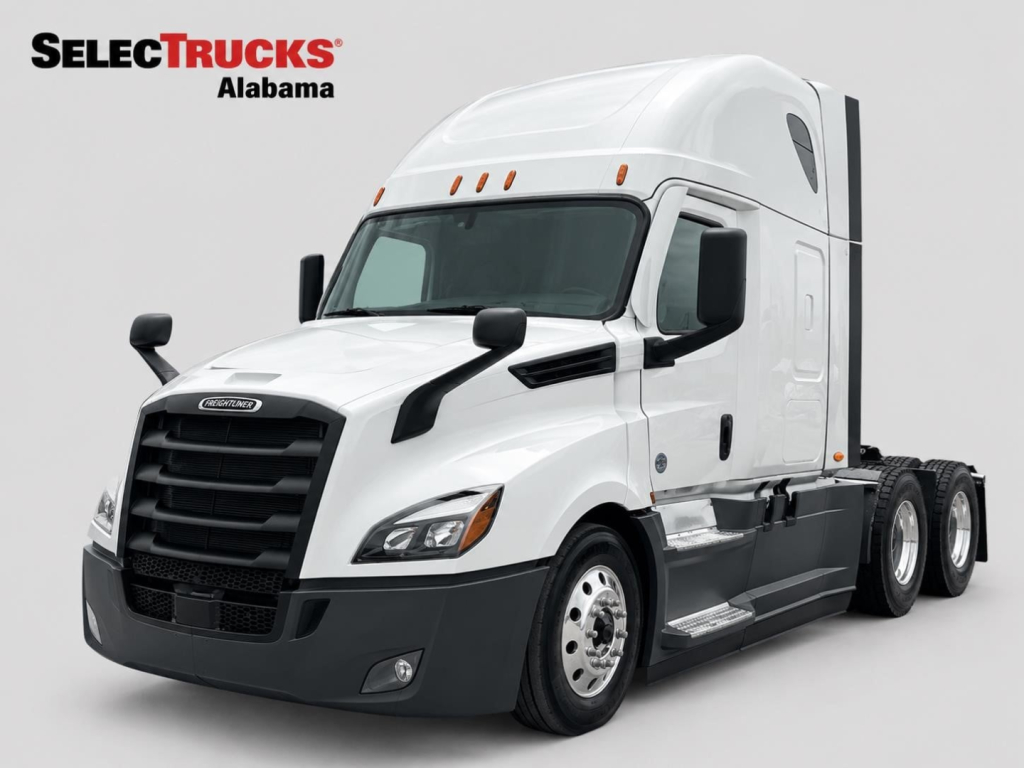
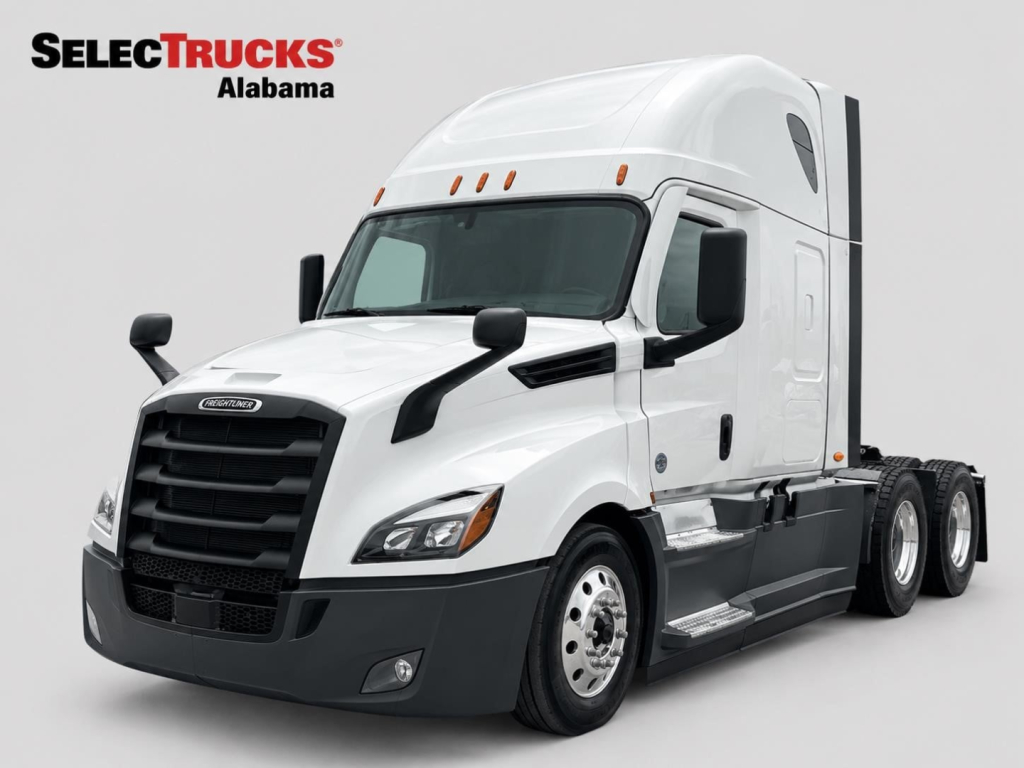
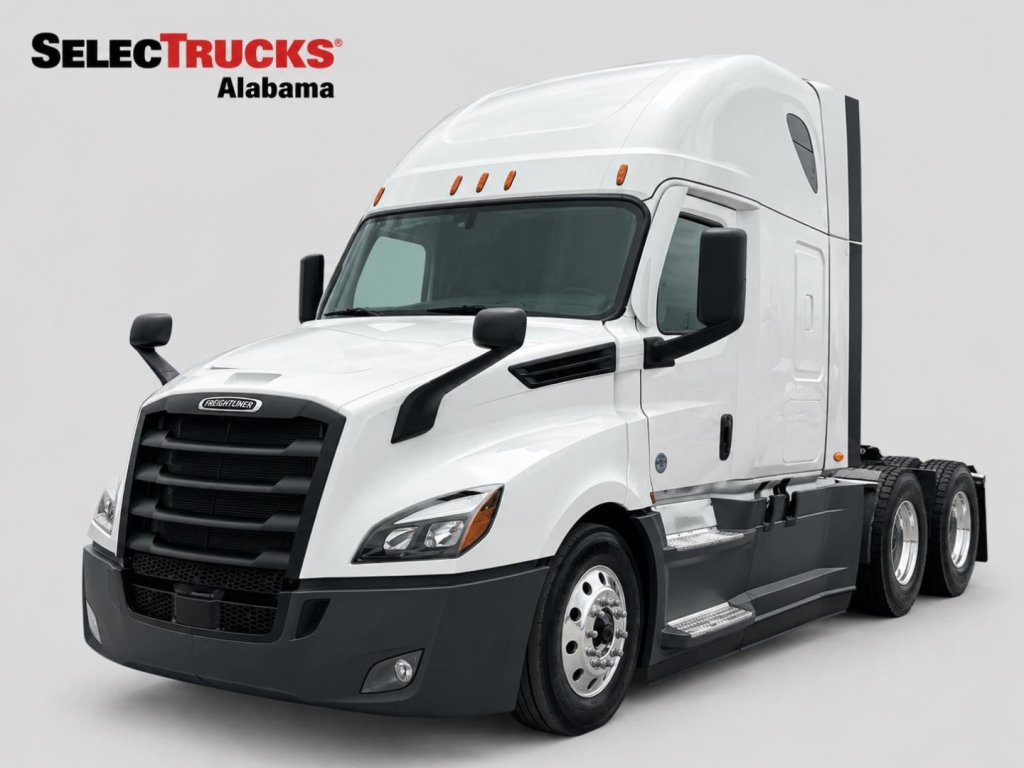
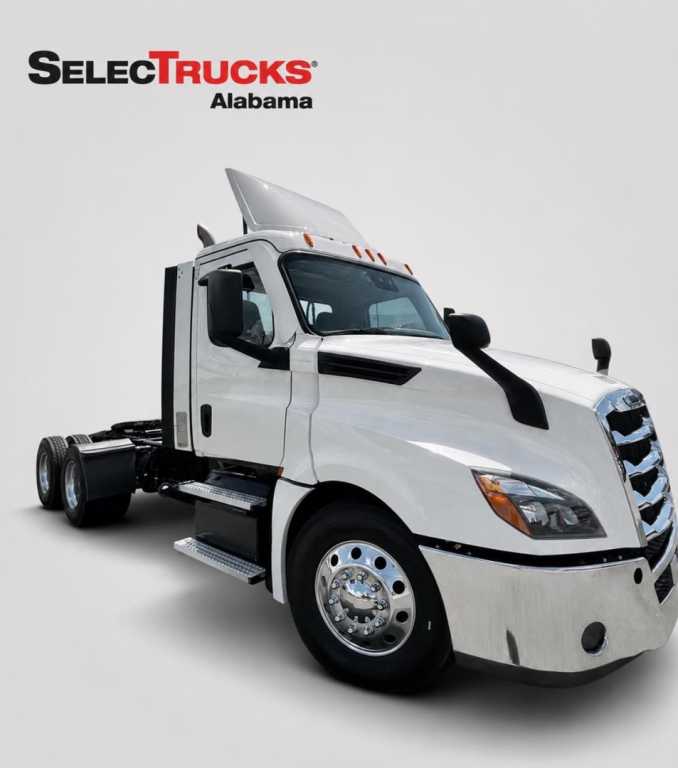
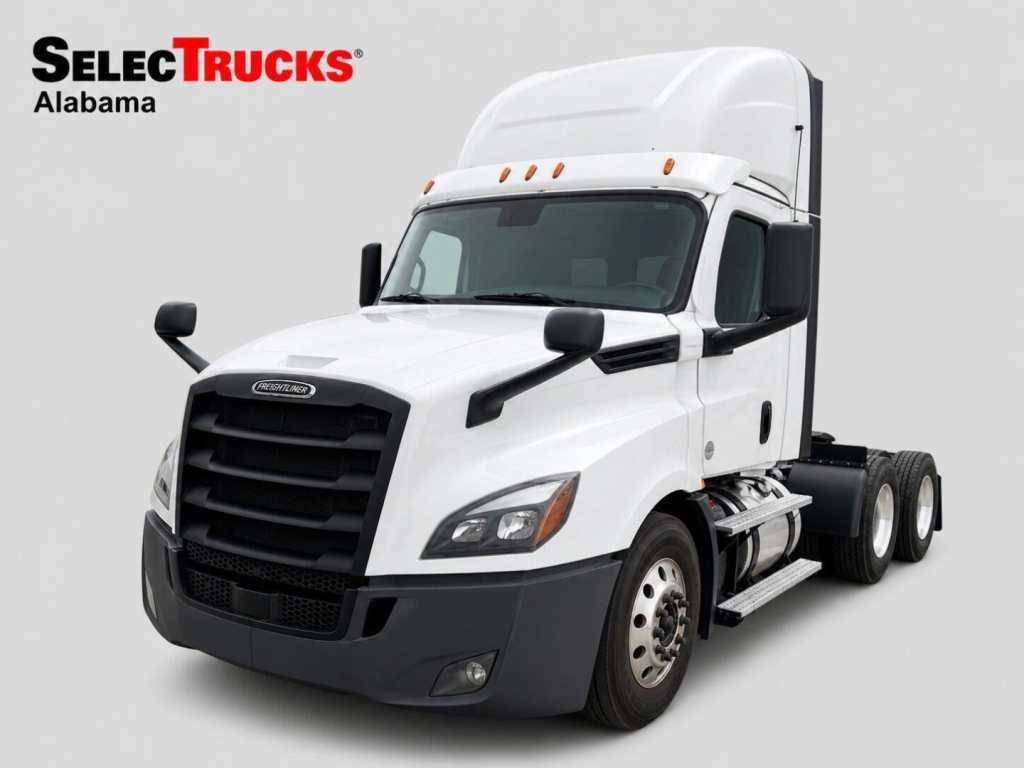
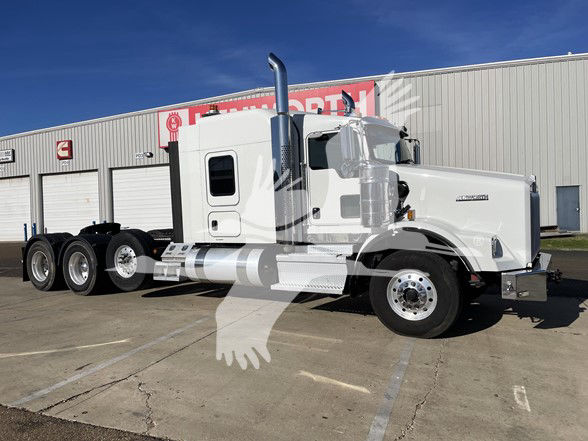
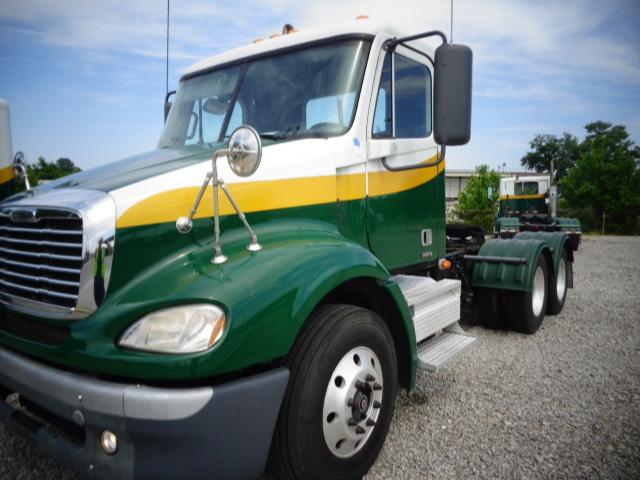
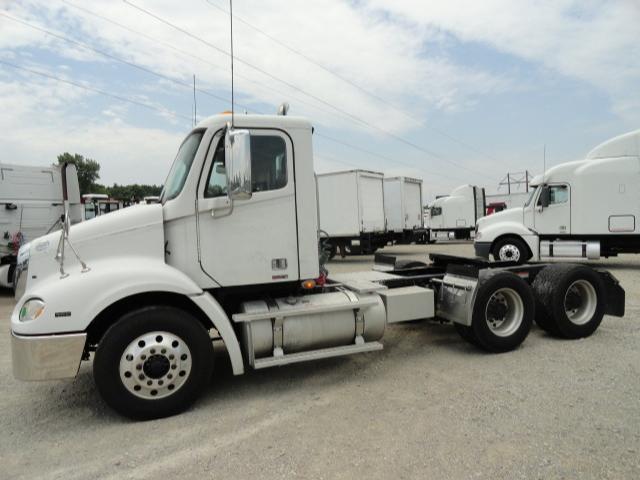
2021 Freightliner Cascadia 126
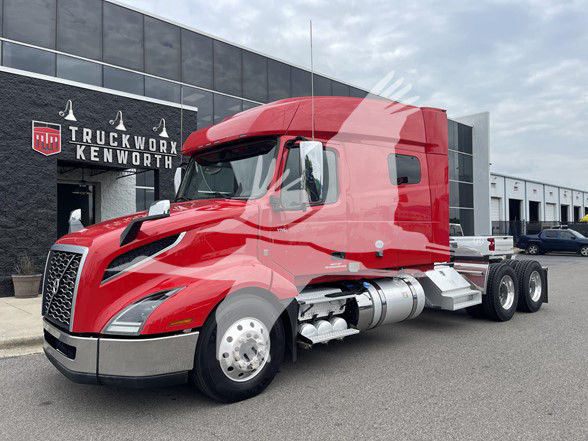
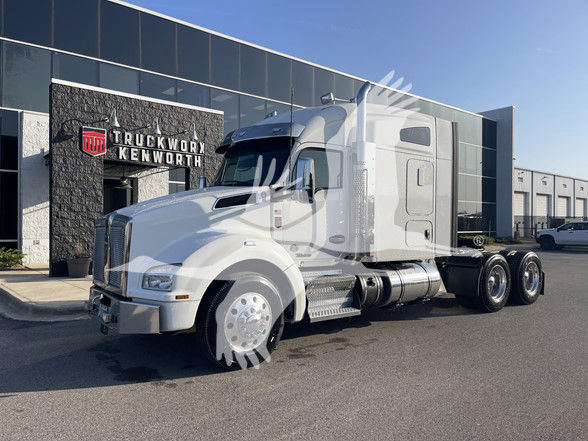
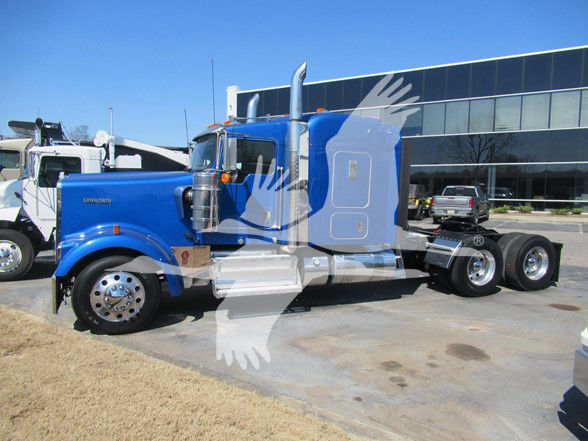
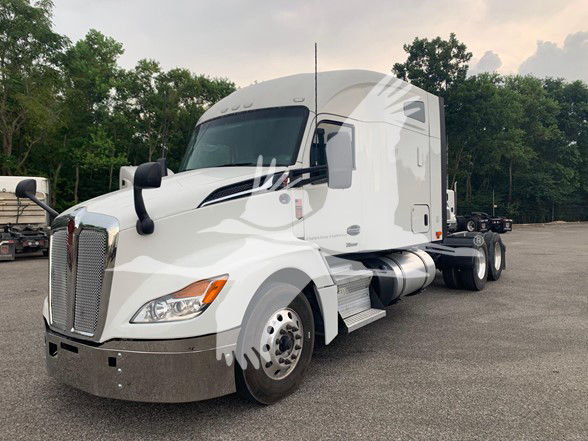
Selling a used commercial truck? List your used commercial truck for sale and reach thousands of commercial buyers.
Used Commercial Trucks in Alabama
Powertrain spec drives operating cost. Match engine torque to your average GCW and terrain, and pair it with transmission type and axle ratio that keep the engine in its most efficient band. Automated manuals dominate for fuel economy and driver retention, while 10 to 13 speed manuals still appeal for control and service simplicity. Inspect aftertreatment components, DPF, DOC, SCR, and DEF system, check for recent cleanings and fault history. In Alabama heat, cooling performance matters, confirm radiator, charge air cooler, and fan operation, and look for leaks around EGR connections. Review maintenance logs, oil analysis if available, and compare idle hours to odometer for a realistic picture of wear.
Body integrity determines uptime and resale. On van and reefer straight trucks, floor strength depends on crossmember spacing, 12 inch centers are typical, 10 inch for heavier duty, floor type, hardwood laminate or aluminum, and a fork truck rating if you load with a lift. Verify scuff liners, 12 to 24 inch height protects walls, door tracks, and threshold plates. On dumps, check floor and tailgate thickness, AR400 or Hardox plate resists abrasion, pay attention to hinge pins, hoist cylinder mounts, and frame to body interface for cracks. Flatbeds benefit from aluminum decks for lower tare, steel for higher point load tolerance. For crane or service trucks, inspect outriggers, subframe, and PTO plumbing.
Thermal integrity is critical on refrigerated straight trucks. Look for uniform insulation thickness, tight door seals, smooth interior liners without penetrations, and clean drain tubes, then confirm reefer unit hours, service records, and pull down performance. Cab HVAC should cool quickly at idle and cruise, test blower speeds, blend doors, and APU or bunk heater if fitted. Corrosion resistance is generally favorable inland in Alabama, however coastal units around Mobile may show galvanic corrosion on aluminum and fasteners, so inspect frame flanges, crossmembers, suspension hangers, brake chambers, fuel tank straps, and electrical connectors. A clean frame with intact paint and minimal scaling reduces future repair risk and helps preserve resale value.
Frequently Asked Questions about Used Commercial Trucks in Alabama
How should I evaluate corrosion on a used truck from Alabama?
Start with frame rails and crossmembers, look for flaking, deep pitting, or swollen rivet heads. Check suspension hangers, fifth wheel or body mounts, brake chambers and slack adjusters, fuel tank straps, and battery boxes. Inland Alabama trucks often show light surface rust only, while coastal units can have galvanic corrosion on aluminum and fasteners. Inspect wiring looms and connectors for green corrosion, and look behind wheel end hub caps for water intrusion.
How do I balance tare weight and durability on a work truck or box truck?
Choose aluminum components to cut tare weight, wheels, tanks, crossmembers, and sometimes decks, which increases payload and improves fuel economy. If you run heavy point loads or rough jobsites, keep steel where it matters, body subframes, crossmembers under dock plates, and dump floors. Match suspension to the job, air ride protects cargo and rides lighter, steel spring is tougher off road. The goal is the lightest spec that still meets your floor strength and duty cycle demands.
What defines floor strength on a used box or reefer truck, and how do I verify it?
Floor strength comes from crossmember spacing, material, and design. Hardwood laminated floors handle pallet jacks well, aluminum plank floors shed moisture and weight. Tighter crossmember spacing increases point load capacity. Look for a fork truck rating plate if you load with lifts, examine dock impact areas, rear threshold, scuff liners, and sill for crush or rot. From underneath, sight along crossmembers for sag, cracked welds, or loose fasteners.
What should I check to confirm thermal integrity on a refrigerated straight truck?
Inspect door seals for compression set, look for smooth, unbroken interior liners, and verify insulation thickness in walls, floor, and ceiling. Side doors should close square and latch tightly. Check drain tubes for clogs, then run the reefer to confirm it pulls down and holds setpoint under load. Review unit hours, service records, and controller alarms. Poor insulation or leaking doors force longer run time, which raises fuel and maintenance costs.
Which axle ratio works best for mixed Alabama routes and how does it affect performance?
For highway dominant routes with moderate grades, a fast ratio in the 2.47 to 2.85 range paired with an overdrive or direct drive transmission can keep RPM low and fuel economy high. For heavier local work or hilly northern Alabama, a mid range ratio around 3.08 to 3.36 offers better launch and gradeability. Always evaluate the ratio together with tire size, top gear, and your cruise speed, target the engine’s peak efficiency island on your most common route.