
Used 2022 Commercial Trucks For Sale in Alabama
Shop used 2022 trucks for sale in Alabama, including sleeper and vocational models with modern specs, emissions systems, and fleet-ready options.
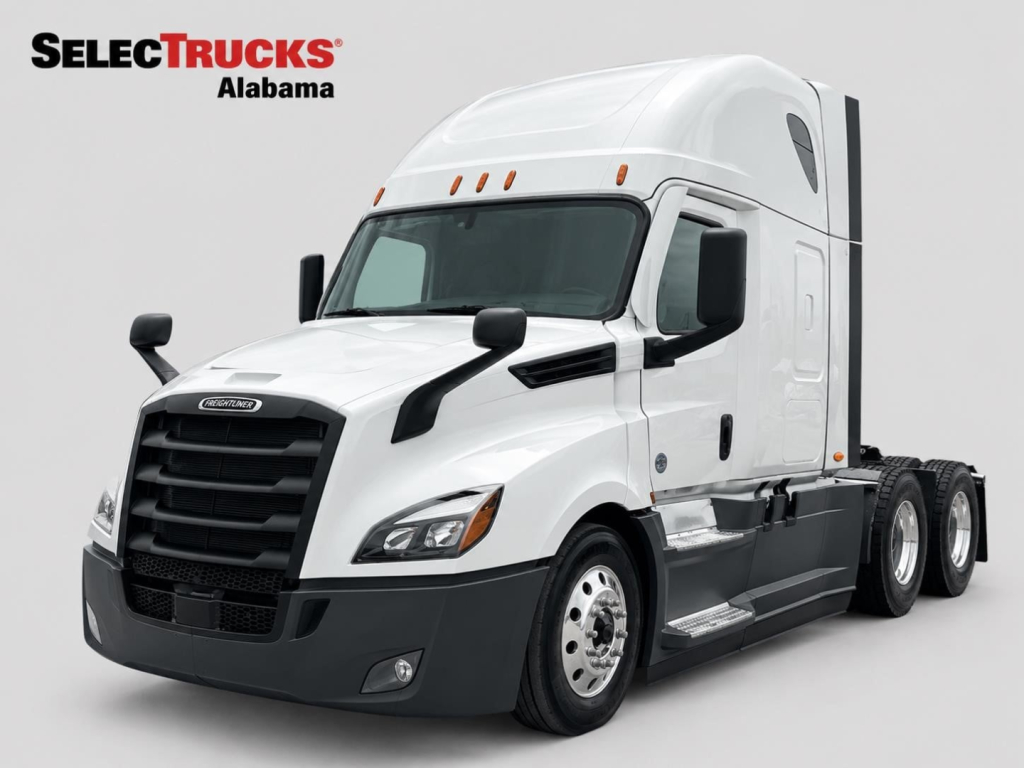
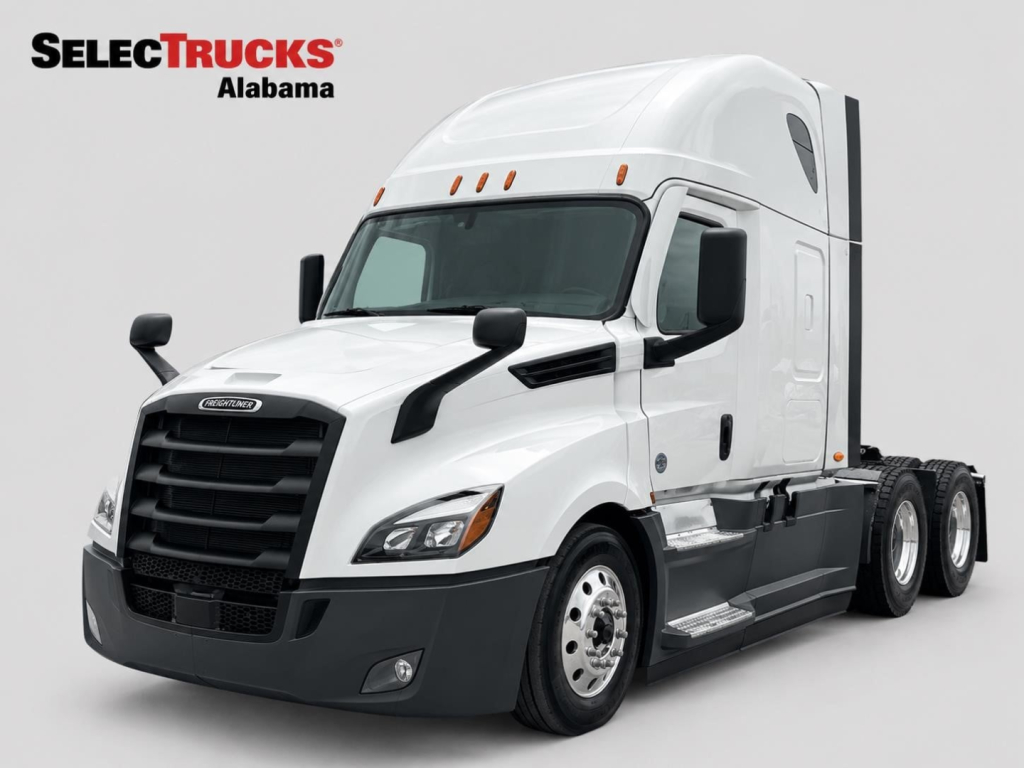
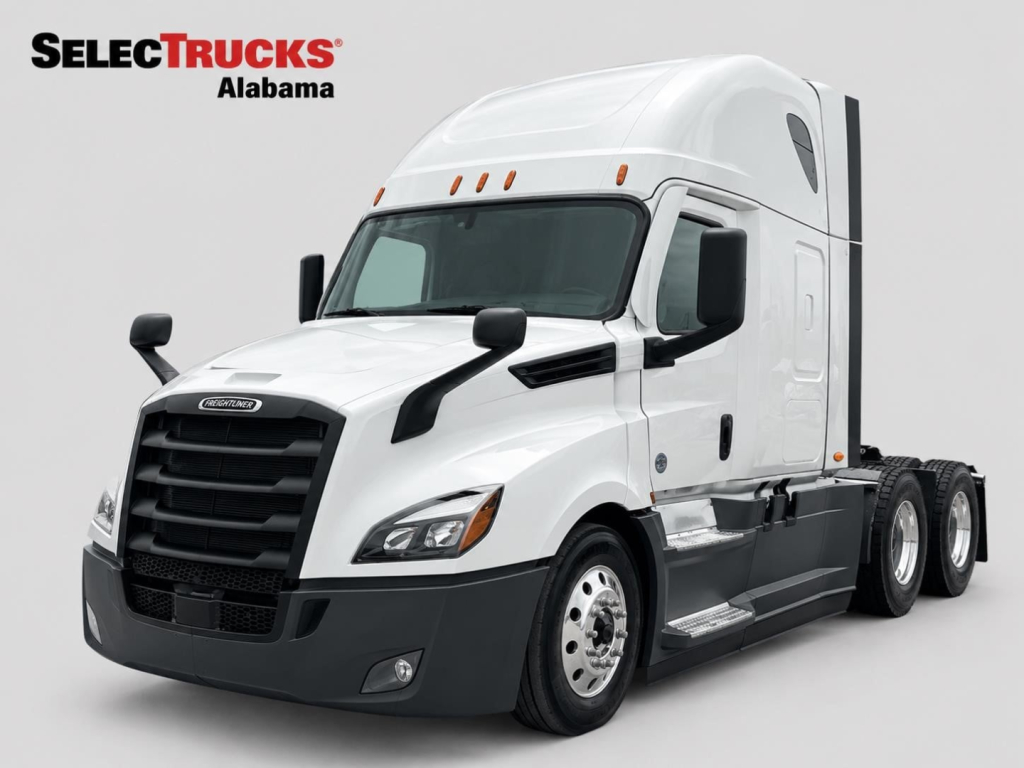
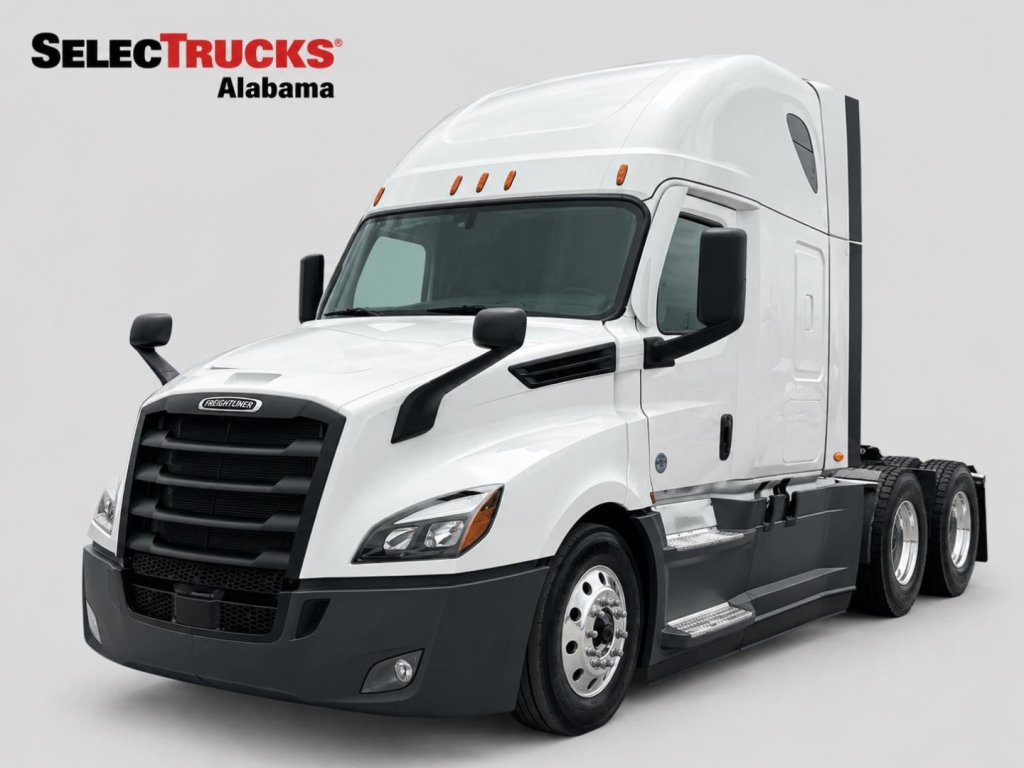
Selling a used 2022 commercial truck? List your used 2022 commercial truck for sale and reach thousands of commercial buyers.
Used 2022 Commercial Trucks in Alabama
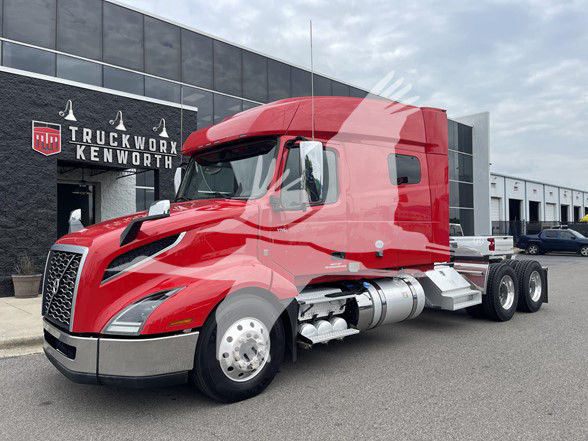
A buyer comparing 2022 trucks should start with application before brand. In Alabama, that usually means deciding between highway freight and vocational work. Sleeper tractors such as Freightliner Cascadia and Volvo VNL models are often spec'd with Detroit DD15 or Volvo D13 engines, 12-speed AMTs, 40,000 lb rear axles, and ratios like 3.08 or 2.64 to balance cruise RPM and fuel economy. Vocational trucks in the same year can include dump, refuse, service, or municipal configurations where axle ratings, PTO compatibility, frame strength, wheelbase, and body installation matter more than aerodynamics. If the truck will run mixed routes, pay close attention to gearing, suspension type, and cab configuration because those choices affect payload, maneuverability, and driver comfort every day.
For used 2022 trucks, emissions and maintenance history are just as important as engine make and mileage. These trucks typically use advanced aftertreatment systems with DPF, SCR, and DEF, so service records carry real weight. Fleet-maintained units can be attractive because PM intervals, software campaigns, and warranty work are often documented. Buyers should still review idle hours, fault history, tire condition, brake life, transmission calibration, and signs of uneven wear in suspension or steering components. On highway tractors, look at kingpin-to-rear-axle settings, wheelbase, and fuel tank placement to make sure the truck will scale properly with the trailers and freight you plan to pull.
Alabama buyers also benefit from thinking about terrain, climate, and lane profile. Trucks running I-20, I-65, and I-85 corridors need a spec that handles highway speed efficiently but still manages grades and stop-and-go freight around ports, distribution hubs, and industrial corridors. A 2022 truck can be a smart fit for carriers upgrading out of older pre-automated fleets, owner-operators wanting newer safety tech, or vocational operators replacing aging iron with something that offers better uptime. The best used 2022 truck is the one whose axle ratings, powertrain, cab layout, and maintenance background match the work first, not just the badge on the hood.
Frequently Asked Questions about Used 2022 Commercial Trucks in Alabama
What should I look for when buying a used 2022 truck in Alabama?
Start with the truck's intended job, then verify the core spec matches it. For a highway tractor, review engine horsepower, transmission type, rear axle ratio, wheelbase, sleeper size, fuel capacity, and fifth wheel setup. For vocational trucks, focus more heavily on frame condition, PTO capability, axle ratings, suspension, body compatibility, and local-duty wear. On any used 2022 truck, maintenance records, emissions service history, tire and brake condition, and diagnostic fault data are critical because they tell you more about future operating cost than appearance alone.
Are 2022 trucks a good balance between price and technology?
Yes. A used 2022 truck often gives buyers modern safety and drivability features without the premium attached to a new unit. Many 2022 models include automated manual transmissions, adaptive cruise or collision mitigation, integrated engine and transmission controls, and improved aerodynamics. That makes this model year attractive for fleets and owner-operators who want better fuel economy, easier driver onboarding, and a more current cab environment while still shopping in the used market.
How many miles is too many on a used 2022 semi truck?
Mileage has to be judged alongside engine hours, maintenance quality, and application. A 2022 highway tractor with 350,000 to 450,000 miles can still be a solid candidate if it has documented preventive maintenance, clean diagnostics, and no signs of neglect. A lower-mile truck is not automatically better if it has excessive idle time, poor service history, or repeated emissions issues. The better question is whether the truck's condition, service records, and component life support your operating plan for the next several years.
What engines and transmissions are common in used 2022 trucks?
In the 2022 model year, buyers will commonly find integrated powertrains such as Detroit DD15 engines paired with DT12 automated transmissions and Volvo D13 engines paired with I-Shift. These combinations are popular in sleeper tractors because they are built around fuel efficiency, predictive shifting logic, and driver-friendly operation. In other truck categories, engine and transmission choices vary by vocation, but the trend in 2022 remained centered on automated shifting, electronic controls, and tighter powertrain integration.
Why does axle ratio matter on a used 2022 truck?
Axle ratio directly affects cruise RPM, launch feel, gradeability, and fuel economy. Ratios such as 2.64 or 3.08 are common on late-model highway tractors built for fuel-efficient linehaul work, especially when paired with 12-speed AMTs and downsped engines. A vocational or heavier mixed-service truck may need a shorter ratio for better low-speed performance and PTO operation. Buyers should match axle ratio to terrain, trailer weight, average speed, and duty cycle instead of assuming one ratio works for every route.