
Used International Trucks For Sale in Alabama
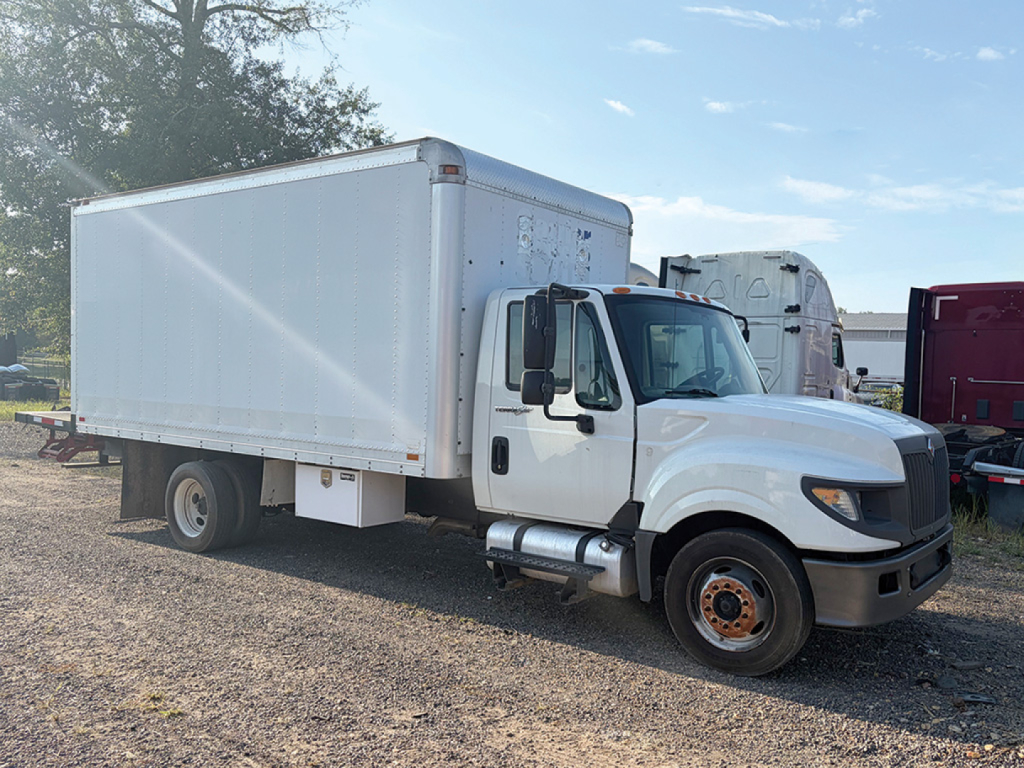
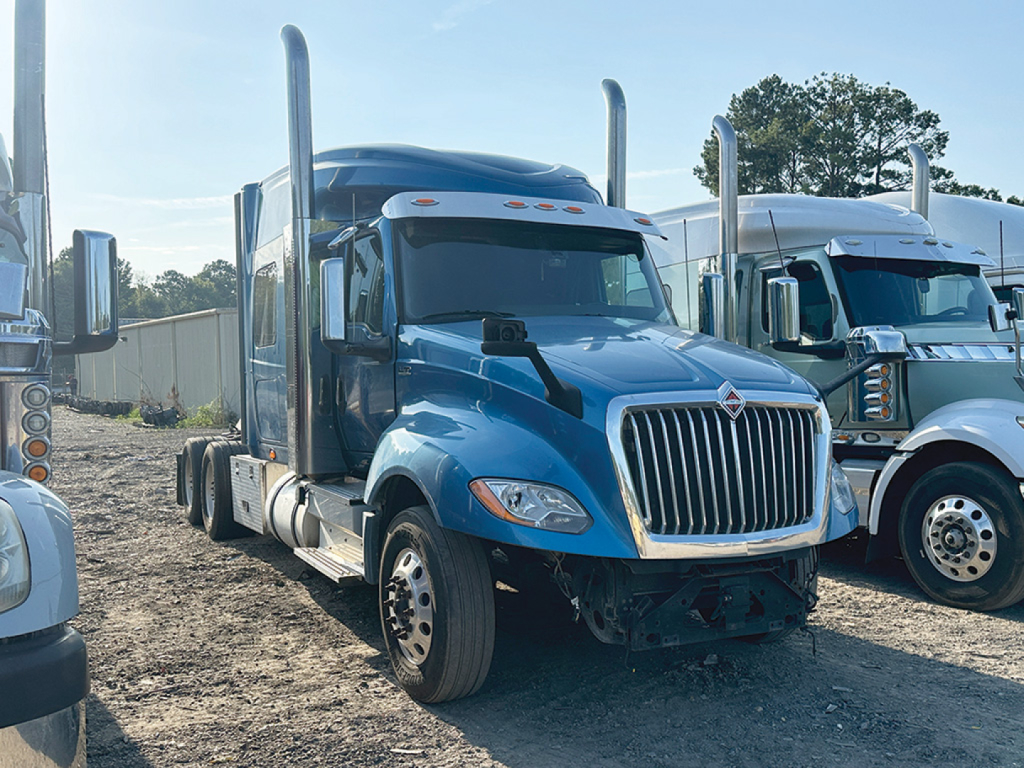
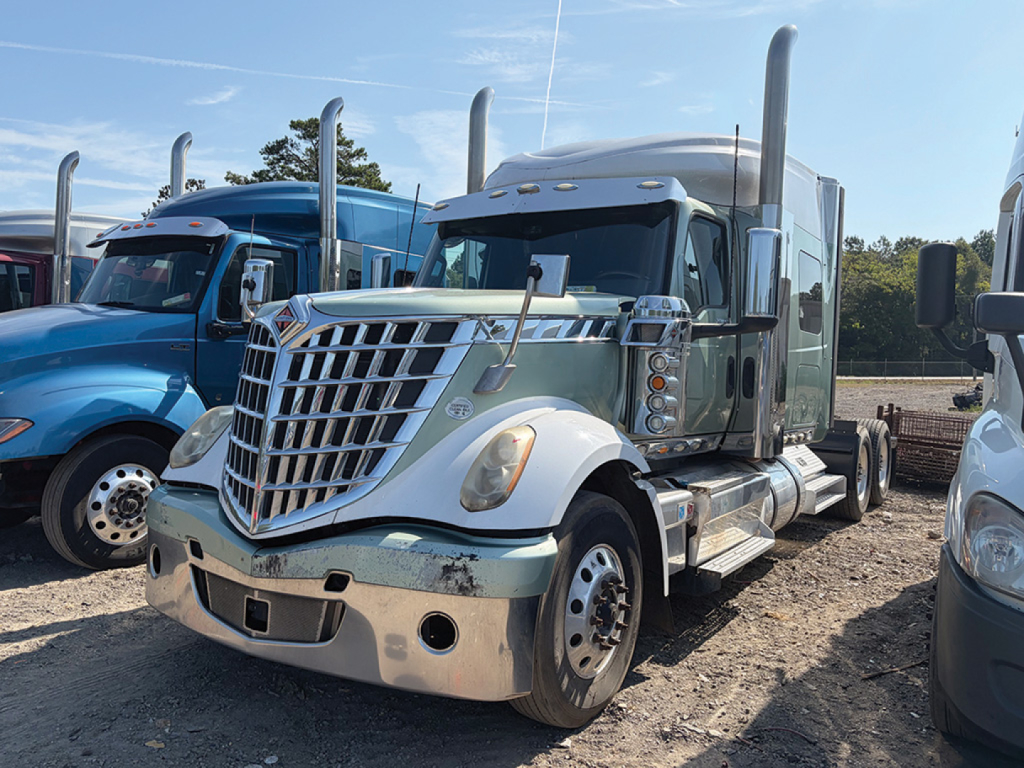
Browse used International trucks for sale in Alabama, including medium-duty and vocational models built for delivery, dump, utility, and fleet work.

Have used international truck to sell? List it here to reach thousands of buyers.
Used International Trucks in Alabama
For many buyers, the first decision is medium-duty versus severe-duty use. The 4300 class is widely used for local and regional applications, including box delivery, flatbed work, landscaping, municipal duty, and lighter dump or equipment hauling roles. Heavier International platforms move into tougher vocational work where axle ratings, frame strength, suspension type, PTO compatibility, and body integration matter more than cab features alone. Engine and drivetrain specs vary by year, but used International trucks commonly appear with diesel powerplants, Allison automatic transmissions, air or hydraulic brake setups, and single-axle or tandem configurations. On a vocational truck, buyers should look closely at GVWR, wheelbase, rear axle ratio, PTO operation, hoist condition, body mounting, and signs of frame corrosion or prior overload use.
Alabama buyers should also pay attention to the truck's service history and how it was used. A former municipality, utility department, or government fleet truck may show lower miles but higher idle hours, while a contractor-owned unit may have harder body and suspension wear. In this region, heat, humidity, and jobsite exposure can affect wiring, hydraulics, cooling systems, and cab condition, so inspection should include electrical accessories, A/C performance, hydraulic lines, and any rust around the body, crossmembers, spring hangers, or underbody equipment. If the truck carries a dump body, grapple, crane, or other vocational equipment, check cylinder seals, pump engagement, control valves, and the condition of hinges, pins, and subframe components.
A good used International truck is usually defined by the match between chassis spec and actual workload. Buyers comparing listings should focus on axle capacity, transmission type, engine rating, body condition, brake system, tire wear pattern, and documentation of maintenance or recent repairs. Cab layout, turning radius, visibility, and ease of entry also matter on local stop-and-go routes or municipal duty cycles. When the spec is right, a used International can be a cost-effective work truck for Alabama operations that need a proven platform for delivery, construction support, utility service, agriculture, or general fleet use.
Frequently Asked Questions about Used International Trucks in Alabama
What are the most common used International truck models buyers see in Alabama?
The most common used International trucks on the market include medium-duty models such as the 4300 and 4400, along with older 4700 and 4900 series trucks and newer MV or HV platforms. These trucks are frequently configured for dump, box, flatbed, utility, grapple, and municipal applications. The exact model matters less than how the chassis was spec'd, including GVWR, wheelbase, axle ratings, brake system, and transmission choice.
Is an International 4300 a good choice for vocational work?
An International 4300 can be a solid vocational truck when the application matches the chassis limits. It is commonly used for local delivery, service bodies, lighter dump setups, landscaping, municipal work, and general-purpose fleet duty. Buyers should confirm that the frame, suspension, axle ratings, PTO setup, and body installation are appropriate for the intended payload and operating conditions, especially if the truck has been used in construction or material handling.
What should I inspect first on a used International truck?
Start with the truck's basic chassis and drivetrain condition, including engine operation, transmission shifting, brake type and performance, steering play, suspension wear, tire condition, and any active warning lights. On a vocational unit, inspect the body, hydraulic system, PTO function, frame rails, crossmembers, wiring, and signs of cracking, rust, or prior repairs. Service records, idle hours, and evidence of fleet maintenance are often as important as mileage on a work truck.
Are used government or municipal International trucks worth considering?
Government and municipal International trucks can be attractive because they are often maintained on schedule and may have documented service histories. However, lower mileage does not always mean lower wear. Many fleet trucks accumulate long idle time, repeated stop-and-go use, and heavy PTO or hydraulic operation. Buyers should evaluate engine hours, electrical condition, body wear, hydraulic performance, and corrosion rather than relying on odometer reading alone.
What specs matter most when comparing used International trucks for sale?
The most important specs depend on the job, but buyers should usually compare GVWR, axle configuration, engine rating, transmission, wheelbase, brake system, suspension, PTO capability, and body type. On a dump or grapple truck, hoist condition, hydraulic components, frame strength, and rear axle capacity are critical. On a delivery or service truck, cargo body condition, liftgate setup, maneuverability, and cab comfort may matter more.