
Used 2020 Commercial Trucks For Sale in Alabama
Browse used 2020 trucks for sale in Alabama, including highway and vocational models with specs that fit regional haul, municipal, and fleet work.
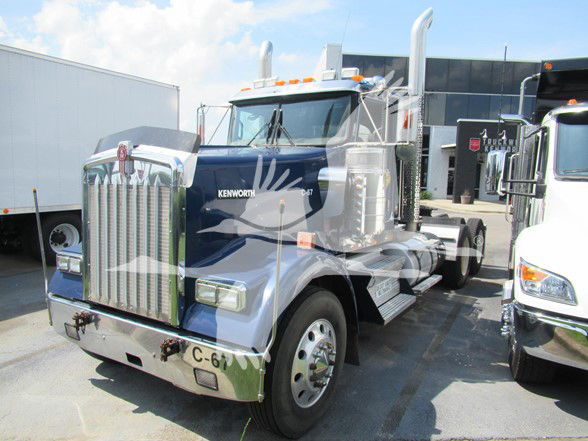
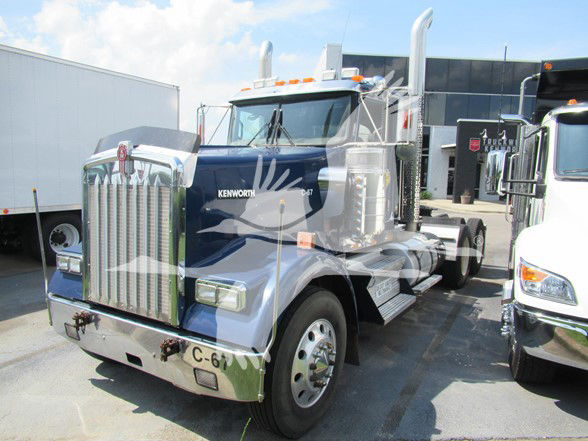
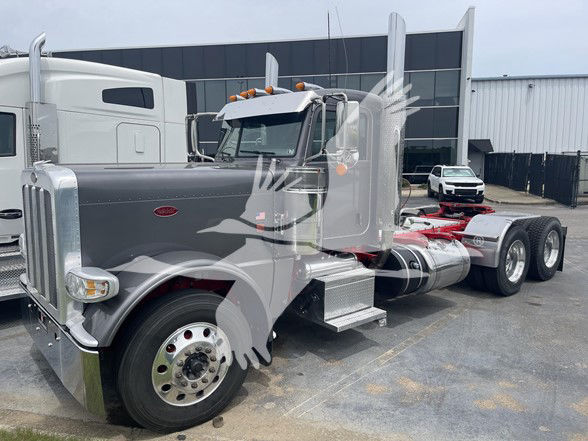
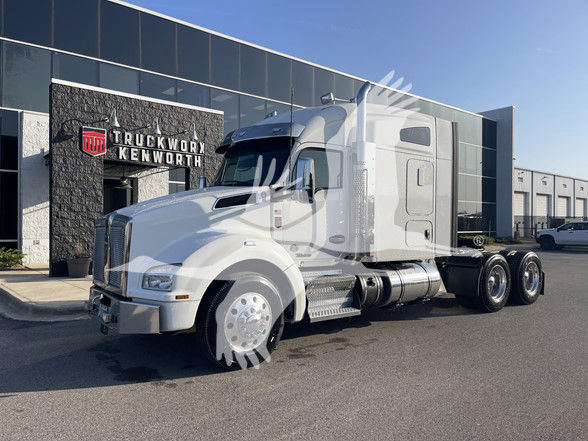
Selling a used 2020 commercial truck? List your used 2020 commercial truck for sale and reach thousands of commercial buyers.
Used 2020 Commercial Trucks in Alabama
The first buying decision is usually application, not brand. On-road buyers often focus on day cabs and sleeper tractors with 6x4 drivetrains, tandem axles, air ride suspension, and engines in the 350 to 505 horsepower range from Detroit, Cummins, or Paccar. Common specs include 12-speed AMTs, 40,000-lb rear axles, sliding fifth wheels, and fuel capacity sized for either regional or over-the-road service. Vocational buyers tend to look harder at PTO capability, front axle ratings, wheelbase, frame strength, suspension type, and body compatibility for dump, rollback, boom, refuse, or service truck use. A 2020 truck can also be a strong fit as a cab and chassis if the frame layout, axle spacing, and GVWR match the body you plan to install.
Condition matters more than age alone. A used 2020 truck should be evaluated around miles, engine hours, maintenance history, idle time, emissions system service, and evidence of prior vocational stress or fleet PM discipline. Alabama buyers should also pay attention to cooling system performance, A/C operation, tire condition, brake life, and corrosion around frame rails, battery boxes, and body mounts, especially on trucks that have seen mixed regional service. On highway tractors, look closely at drivetrain ratios, wheelbase, and sleeper configuration because those details affect payload, maneuverability, and fuel economy. On vocational units, inspect outriggers, hydraulic systems, PTO engagement, frame inserts, and any signs of cracking, overloading, or uneven body installation.
A good used 2020 truck is one with specs aligned to the work, not simply the lowest miles or the newest badge. Freight buyers may prioritize aerodynamics, collision mitigation systems, and powertrain commonality across the fleet. Local operators may prefer a shorter wheelbase day cab or medium-duty chassis for tighter access and easier servicing. Municipal and utility buyers often place more value on PTO setup, body controls, and axle capacity than on cab trim. The strongest purchase is usually the truck that matches route length, payload, trailer type, driver preference, and maintenance support in your region.
Frequently Asked Questions about Used 2020 Commercial Trucks in Alabama
What should I look for first when buying a used 2020 truck in Alabama?
Start with the intended job. A highway tractor, day cab, dump truck, boom truck, refuse truck, and cab and chassis all require different axle ratings, wheelbase, suspension, and PTO or body provisions. After confirming the truck fits the application, review maintenance records, miles, engine hours, emissions history, tire and brake condition, and any signs of frame or body stress. In Alabama, cooling system performance and air conditioning are also important due to long hot-weather operating periods.
Are 2020 model trucks a good value in the used market?
For many buyers, yes. A 2020 truck is new enough to offer modern drivetrains, safety technology, and better cab comfort than older units, but it is typically priced below newer late-model equipment. That makes 2020 model year trucks attractive for fleets balancing acquisition cost with uptime, fuel economy, and driver acceptance. The real value depends on specification, service history, and whether the truck was used in linehaul, regional, or heavy vocational duty.
What engine and transmission specs are common on used 2020 trucks?
Common specifications vary by truck class and application, but many used 2020 highway trucks in the market feature diesel engines from Detroit, Cummins, or Paccar in the approximate 350 to 505 horsepower range. Automated manual transmissions are very common, especially 10-speed and 12-speed setups, although manual transmissions still appear in some vocational trucks. Buyers should also verify rear axle ratio, suspension type, and fuel capacity because those specs have a major effect on job fit and operating cost.
How do I evaluate a used 2020 vocational truck differently from a highway tractor?
A vocational truck should be inspected beyond the cab and drivetrain. Check PTO operation, hydraulic system condition, body mounts, frame reinforcement, front axle rating, suspension type, and any application-specific components such as outriggers, hoists, packers, or booms. Vocational trucks often work at lower speed but under higher stress, so wear can show up in the frame, steering, brakes, and hydraulic components even if mileage is moderate. A highway tractor inspection should focus more heavily on aerodynamics, fifth wheel condition, driveline wear, emissions service, and sleeper or day cab configuration.
Why do wheelbase, axle setup, and fifth wheel configuration matter on a used truck?
These specs determine how the truck works in the real world. Wheelbase affects turning radius, bridge law flexibility, ride quality, and body or trailer compatibility. Axle setup influences payload capacity, traction, and legal operating limits. On tractors, a sliding fifth wheel can help with kingpin settings and trailer balance, while on straight trucks and cab and chassis units, axle placement and frame length affect what body can be installed. A truck with the wrong layout can be difficult or expensive to adapt, even if the price looks attractive.