
Used 2020 Conventional Daycab Trucks For Sale in Alabama
Shop used 2020 conventional daycab trucks in Alabama. Compare specs, wheelbases, engines, transmissions, and vocational setup options.
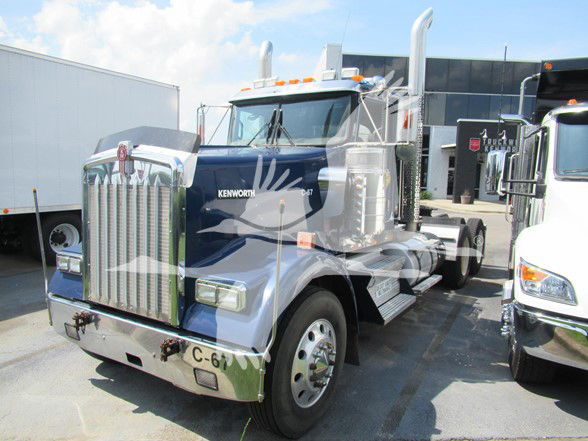
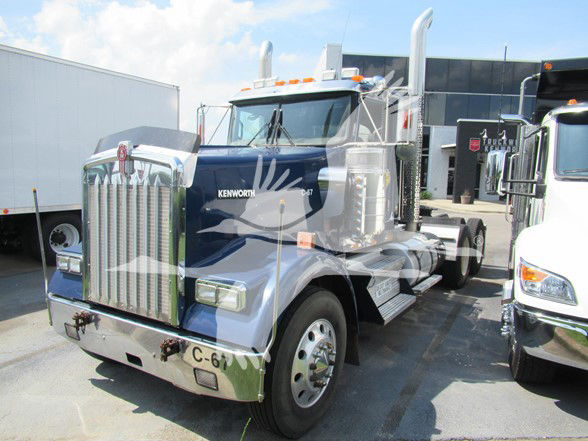
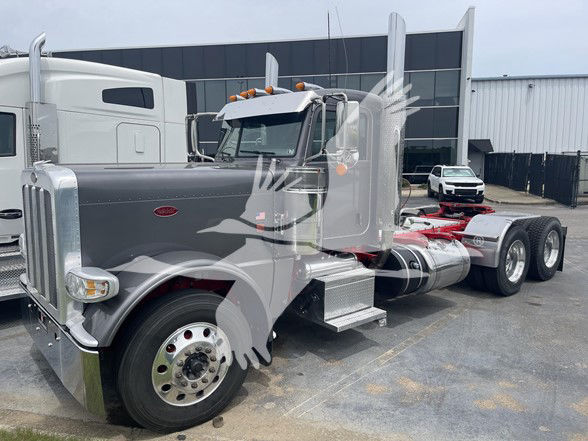
Selling a used 2020 conventional daycab truck? List your used 2020 conventional daycab truck for sale and reach thousands of commercial buyers.
Used 2020 Conventional Daycab Trucks in Alabama
For a 2020 model, the first buying decision is usually the drivetrain spec. Many trucks in this age range are equipped with big-bore diesel engines such as the Cummins X15 or PACCAR MX series, often paired with 10-speed, 13-speed, or 18-speed manual transmissions, with automated manuals also common in fleet service. Horsepower can range from the low 400s into the 500-plus hp segment depending on intended use. A lighter regional tractor may prioritize fuel economy and a direct-drive or overdrive highway setup, while a vocational or heavy-haul daycab may carry a higher horsepower rating, deeper rear axle ratio, full lockers, and a wet line kit for end dump, lowboy, or live-floor work. Front axle and rear axle ratings, suspension type, and fifth wheel position matter just as much as engine make when matching the truck to the job.
Used 2020 conventional daycab trucks should also be evaluated by wheelbase, frame layout, and existing vocational equipment. A shorter wheelbase helps in city delivery, terminal work, and tight jobsite access, while a longer wheelbase can improve ride quality and allow room for headache racks, hydraulic tanks, chain boxes, and deck plate arrangements. Buyers in Alabama often pay close attention to cooling system condition, A/C performance, brake wear, and tire condition because heat, humidity, and frequent stop-and-go service can expose weak points quickly. If the truck will run across state lines or under heavier gross combinations, it is worth checking emissions system service history, mileage, idle hours, PTO setup, and whether the truck has the right fuel capacity and axle configuration for the intended route structure.
Cab condition and spec details can affect long-term value more than many buyers expect. Look for seat wear, steering wheel play, dash warning history, suspension bushings, and signs of frame modification around the fifth wheel or rear of cab. Features such as air-ride suspension, aluminum wheels, power windows, collision mitigation, lane departure warning, and premium interior trim are common on some 2020 trucks and can improve driver retention on local fleets. The best used conventional daycab is not simply the one with the highest horsepower or the lowest miles. It is the truck whose axle ratings, gearing, cab layout, and maintenance record line up with the actual freight, trailer type, and daily operating radius.
Frequently Asked Questions about Used 2020 Conventional Daycab Trucks in Alabama
What is a conventional daycab truck best used for?
A conventional daycab truck is best used for regional and local hauling where the driver returns home daily and does not need a sleeper berth. Common applications include container drayage, tanker work, dump trailers, flatbed, dedicated route freight, construction support, and short-haul distribution. The conventional hood design also provides easier engine access for service and supports a wide range of axle, suspension, and wheelbase configurations.
What should I look for on a used 2020 conventional daycab?
Focus on the drivetrain match first, including engine rating, transmission type, rear axle ratio, and suspension capacity. After that, review mileage, engine hours, idle hours, emissions system history, brake and tire condition, and any signs of frame alteration or fifth wheel relocation. On a 2020 model, electronic fault history, aftertreatment service records, PTO operation, and A/C performance are especially important because those items can affect both uptime and operating cost.
Are 2020 daycab trucks good for heavy-haul or vocational work?
Some 2020 daycabs are well suited for heavy-haul or vocational service, but only if they were spec'd for that role. Buyers should verify horsepower, torque rating, transmission model, axle ratings, rear ratio, suspension capacity, and the presence of equipment such as a wet line kit, lockers, or a PTO. A long-hood conventional daycab with the right driveline can handle demanding trailer applications, while a fleet highway spec may be better suited to general freight and regional lanes.
Is a daycab better than a sleeper for Alabama regional operations?
For many Alabama operations, a daycab is the better fit when routes are local or regional and involve frequent stops, terminal turns, or jobsite access. A daycab typically reduces empty weight, simplifies maintenance, and improves maneuverability compared with a sleeper tractor. A sleeper becomes more practical when the operation includes overnight runs, extended out-of-state lanes, or customer schedules that keep the driver away from the terminal for long periods.
What cab and chassis specs matter most on a conventional daycab?
The most important cab and chassis specs are wheelbase, axle configuration, front and rear axle ratings, suspension type, fifth wheel setup, and available frame space for accessories. Those details determine how the truck handles, what trailers it can pull, and whether it can support equipment such as headache racks, hydraulic systems, or tool storage. Buyers should also confirm fuel capacity, turning radius, and kingpin-to-back-of-cab clearance to avoid trailer interference and operational limitations.