
Used Conventional Daycab Trucks For Sale in Alabama
Browse used conventional daycab trucks in Alabama. Compare specs, wheelbases, engines, transmissions, and vocational setups for regional hauling.
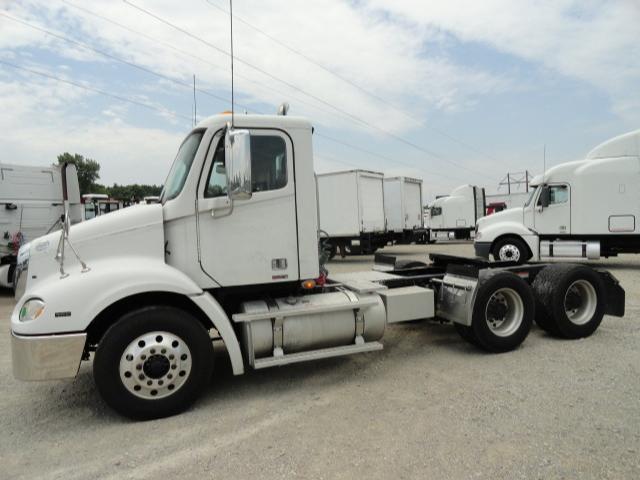
Selling a used conventional daycab truck? List your used conventional daycab truck for sale and reach thousands of commercial buyers.
Used Conventional Daycab Trucks in Alabama
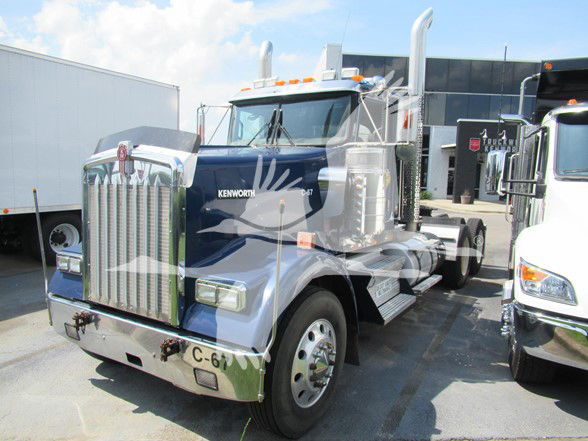
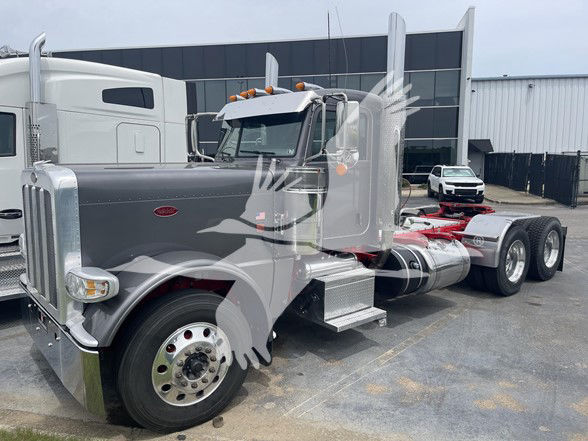
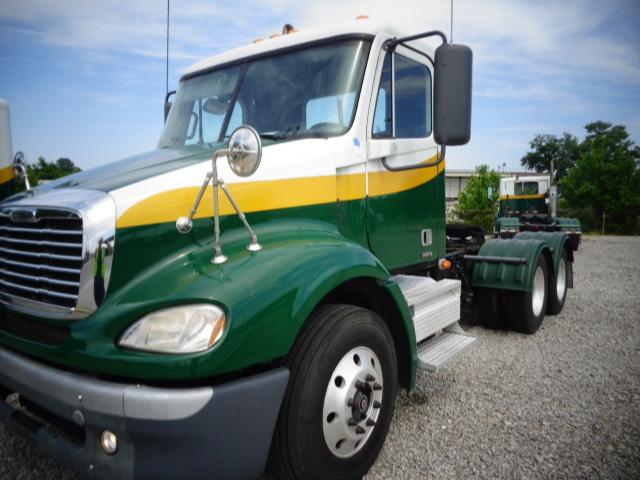
The first buying decision is usually application. A road-spec daycab for van or reefer work may have a lighter wheelbase, aerodynamic fairings, and a fuel-efficient engine in the 350 to 450 horsepower range paired with an automated manual or 10-speed. A heavier vocational or owner-operator style spec may use a longer hood platform such as a W900L or 389, with 475 to 510 horsepower, an 18-speed manual, higher rear axle ratings, and often a wet line kit for end dump or pneumatic trailer service. Common makes in this category include Freightliner, Kenworth, Peterbilt, and other Class 8 builders, with axle setups ranging from single axle to tandem axle depending on payload and bridge needs.
On a used conventional daycab, the key specs are wheelbase, front axle and rear axle ratings, suspension type, engine family, transmission, rear ratio, fifth wheel setup, and fuel capacity. Buyers should also look closely at frame condition, PTO provisions, emissions system history, and whether the truck has the right hookups for the intended trailer. For Alabama operations, cooling system condition, A/C performance, and corrosion around battery boxes, frame components, and air system hardware deserve attention because of heat, humidity, and year-round use. If the truck will work in tight yards, plants, or city routes, turning radius and bumper-to-back-of-cab measurement can matter as much as horsepower.
A used conventional daycab can be one of the most versatile trucks in a fleet when the spec matches the job. Aerodynamic fleet models tend to favor fuel economy and lower operating cost, while long-hood conventionals are often chosen for heavier vocational use, driver preference, and easier fitment of PTO and hydraulic equipment. Buyers comparing listings should focus less on brand alone and more on how the truck was configured, maintained, and operated. Service records, engine hours, current mileage, clutch or transmission condition, tire wear, and any evidence of frame modification will tell you more about long-term value than paint or trim.
Frequently Asked Questions about Used Conventional Daycab Trucks in Alabama
What is a conventional daycab truck?
A conventional daycab truck is a Class 8 tractor with a hood-forward engine layout and no sleeper compartment. It is designed for local, regional, and vocational work where drivers return daily or do not need overnight accommodations. Compared with sleeper tractors, daycabs typically weigh less, cost less to operate, and are easier to maneuver in tighter environments.
What should I check first on a used daycab truck?
Start with the truck's intended application and confirm that the wheelbase, axle ratings, engine, transmission, rear ratio, and fifth wheel position fit the trailers and loads you plan to pull. After that, review maintenance records, engine hours, emissions repairs, tire condition, suspension wear, and frame integrity. On trucks with PTO or wet kits, verify that the hydraulic setup is complete and compatible with your equipment.
Are daycab trucks good for Alabama operations?
Yes. Daycab trucks are a strong fit for Alabama freight lanes, industrial corridors, construction support, agricultural hauling, and port-related work because many routes are regional and do not require a sleeper. Heat and humidity make cooling system performance, air conditioning, and corrosion inspection especially important when evaluating a used unit in this market.
What engine and transmission specs are common in conventional daycabs?
Common engine ratings range from about 350 to 510 horsepower depending on whether the truck was built for fuel-efficient regional service or heavier vocational use. Transmissions often include 10-speed and 13-speed manuals, 18-speed manuals for heavy haul or vocational applications, and automated manual transmissions for fleet work. The right combination depends on terrain, gross weight, start-stop frequency, and whether the truck will power PTO-driven equipment.
Why do some buyers prefer long-hood daycabs like the Kenworth W900L or Peterbilt 389?
Long-hood conventional daycabs are often chosen for heavier-duty specs, owner-operator preference, service access, and compatibility with vocational setups such as wet line kits. They commonly carry larger horsepower ratings, heavier drivetrain components, and premium trim. The tradeoff is that they may have a larger turning radius and higher curb weight than an aerodynamic fleet daycab.