
Used Garbage Trucks For Sale in Alabama
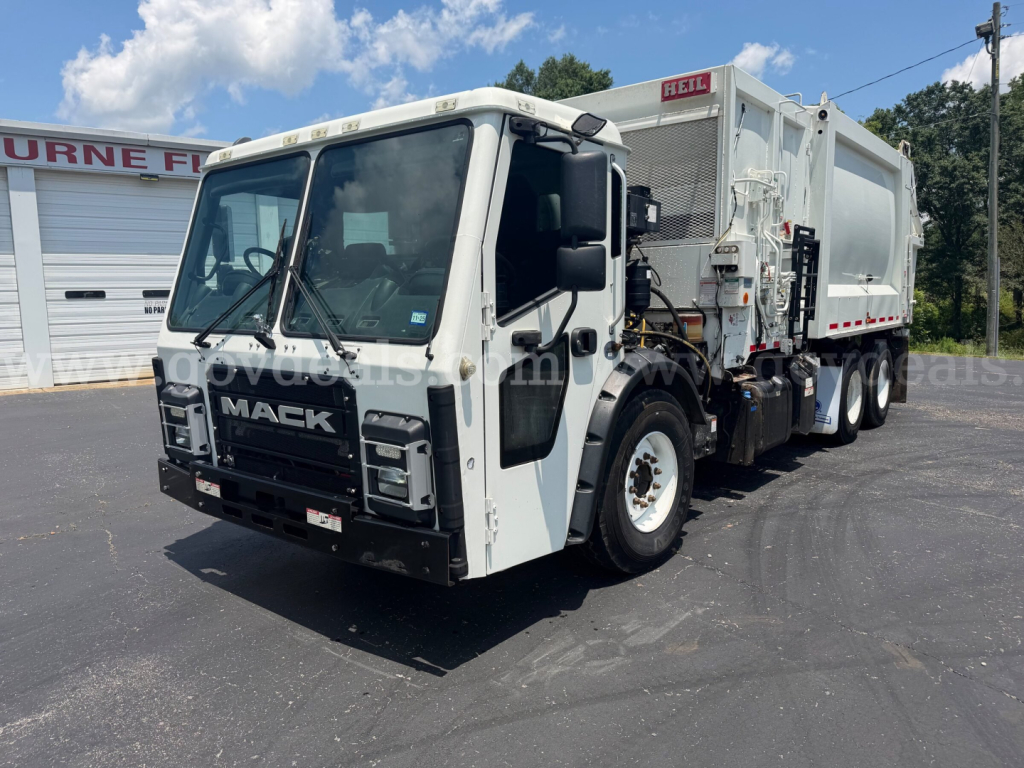
Have used garbage truck to sell? List it here to reach thousands of buyers.
Used Garbage Trucks in Alabama
A buyer comparing used garbage trucks should start with the body style and collection method. Rear loaders remain a practical choice for manual residential pickup and mixed waste routes. Automated side loaders are built around cart service and route speed, with the arm, joystick controls, and camera system being critical inspection points. Front loaders are more common on commercial and industrial accounts where container lifting cycles and front axle capacity matter. In Alabama, stop-and-go operation, heat, and high idle time can accelerate wear on cooling systems, hydraulics, steering components, and cab air conditioning, so service history carries real value on refuse equipment.
On the mechanical side, pay close attention to packer cycle operation, ejector function, cylinder seepage, arm bushings, and body floor wear. Refuse trucks live hard lives, and tailgate seals, hopper corners, crossmembers, and frame areas around body mounts often tell the real story. PTO engagement should be smooth, hydraulic pumps should build pressure consistently, and the body should cycle under load without hesitation. Also review axle ratings, suspension type, wheelbase, turning radius, and brake condition, especially if the truck will work tight residential streets or transfer heavier commercial loads. Engine hours and idle hours can be just as important as odometer mileage because refuse routes involve constant starts, stops, and hydraulic operation.
Used garbage trucks can offer strong value when the chassis and body are matched to the route instead of bought on age alone. A lower-cost unit with a worn packer body can become expensive quickly, while a well-maintained older truck may still fit a municipal backup role, seasonal leaf collection, or secondary route duty. Buyers in this category usually benefit from treating the truck as two assets in one: the cab and chassis, and the refuse body with all hydraulic and collection components. That approach makes it easier to compare listings, estimate refurbishment cost, and choose a truck that can stay productive in Alabama sanitation service.
Frequently Asked Questions about Used Garbage Trucks in Alabama
What types of used garbage trucks are most common?
The most common types are rear loaders, automated side loaders, front loaders, and less frequently roll-off style refuse units used in specialized applications. Rear loaders are common for manual residential service, side loaders are popular on automated cart routes, and front loaders are typically used for commercial dumpster pickup. The right choice depends on the route, crew size, container style, and the amount of stop-and-go collection work the truck will handle each day.
What should I inspect first on a used garbage truck?
Start with the refuse body and hydraulic system because those components usually drive repair cost. Inspect the packer, ejector, cylinders, hoses, tailgate, arm operation, hopper, body floor, and body mount areas for leaks, cracks, corrosion, and uneven wear. After that, review chassis condition, PTO function, cooling system performance, steering, brakes, suspension, and axle ratings. On refuse trucks, body condition and cycle performance often matter as much as engine condition.
How important are engine hours and idle hours on a used refuse truck?
They are very important because garbage trucks spend much of their life in low-speed, stop-and-go service with the PTO engaged. A truck may show moderate mileage but still have heavy engine and hydraulic wear from long idle periods and constant compaction cycles. Comparing odometer mileage with engine hours, PTO hours if available, and maintenance records gives a more accurate picture of how hard the truck has worked.
What body size is typical for a garbage truck?
Many used garbage trucks are equipped with bodies in the 20 to 32 cubic yard range, though capacity varies by application and body style. Residential rear loaders and automated side loaders often fall in the mid to upper part of that range, while route design, legal weight limits, and material density affect what size makes sense. A larger body can reduce trips to the landfill or transfer station, but axle ratings and local route conditions still have to support the payload.
Are used municipal garbage trucks a good option for buyers?
They can be, especially when maintenance records are available and the truck has been serviced on a scheduled fleet program. Municipal units often have predictable routes and documented upkeep, but they can also carry high idle time and significant wear from repetitive collection cycles. The best approach is to evaluate the truck by body condition, hydraulic performance, chassis health, and route fit rather than assuming any government or private fleet unit is automatically a better buy.