
Used Dump Trucks For Sale in Alabama
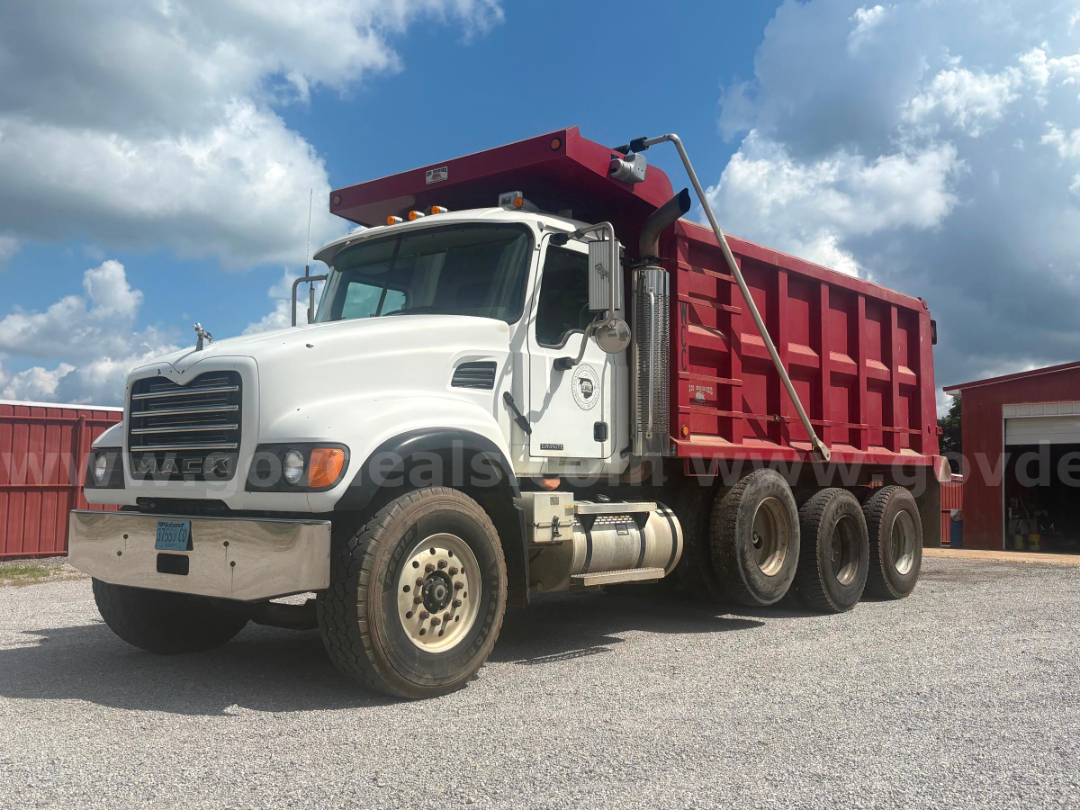


Have used dump truck to sell? List it here to reach thousands of buyers.
Used Dump Trucks in Alabama
Body and hoist details matter as much as the cab and engine. A dump truck can be equipped with steel or aluminum bodies, common body lengths from roughly 10 to 16 feet, high-lift or standard tailgates, air-operated gates, barn doors, asphalt tarping systems, and pintle hitches for towing equipment trailers. Contractors hauling rock or demo often prefer heavier steel bodies and reinforced floors, while asphalt and aggregate applications may benefit from body liners, tailgate seals, and clean hydraulic operation. Check the hoist, PTO, hydraulic pump, pins, hinges, and cylinder seals for leaks or slow cycle times. Also inspect the frame for cracks or plating near body mounts and suspension hangers, especially on older vocational trucks that have spent years on uneven jobsites.
Powertrain choices on used dump trucks typically range from medium-duty diesel engines in smaller single-axle trucks to big-bore diesels in tandem and severe-duty models. Allison automatic transmissions are popular for stop-and-go hauling, paving support, and municipal work because they reduce driver fatigue and simplify operation. Manual transmissions still appeal to some fleets for durability and driver preference, especially in older Mack and Freightliner dump trucks. Suspension is another key decision point. Camelback, walking beam, and heavy rear spring setups remain common for rugged service, while air ride can improve ride quality and help protect certain loads. A buyer should also evaluate brake type, locking differentials, steering play, front axle capacity, and tire condition, since these directly affect uptime and legal payload.
A used dump truck should be inspected like a revenue machine, not a general-purpose truck. Engine hours can matter as much as odometer miles because many dump trucks idle extensively around pavers, crushers, and loaders. Review maintenance records for clutch work, transmission service, injector or emissions repairs, and any history of electrical faults that affect throttle response or body controls. In Alabama, corrosion is usually less severe than in northern salt markets, but body rust, worn bed floors, hydraulic seepage, and sun-damaged interiors still show up regularly. The best fit is the truck whose axle spread, body capacity, engine rating, and hoist setup match the material and route you run every day.
Frequently Asked Questions about Used Dump Trucks in Alabama
What is the difference between a single-axle and tandem dump truck?
A single-axle dump truck usually has one rear drive axle and is better suited for lighter payloads, tighter turning areas, and urban or municipal work. A tandem dump truck has two rear drive axles, which increases legal payload capacity, improves traction, and makes it a better choice for aggregate, excavation, and heavier construction hauling. The right choice depends on the material being hauled, road weight limits, and how much maneuverability the job requires.
What should I inspect first on a used dump truck?
Start with the dump body and hydraulic system, then move to the frame, suspension, and driveline. Look for cracked welds, floor wear, tailgate damage, leaking cylinders, sloppy hinge points, and any signs the hoist struggles under load. After that, inspect axle ratings, spring packs or air suspension components, tire wear, PTO engagement, and transmission performance. Dump trucks often live hard lives, so structural condition is usually more important than cosmetic appearance.
Are automatic or manual transmissions better in a dump truck?
An automatic transmission is often preferred for stop-and-go hauling, paving work, and routes with frequent backing and jobsite maneuvering. It can reduce driver fatigue and help standardize operation across multiple drivers. A manual transmission can still be a solid option for buyers who want mechanical simplicity, lower acquisition cost on older trucks, or who have drivers comfortable with shifting in off-road conditions. The better transmission is the one that matches the truck’s daily route, driver pool, and maintenance plan.
How important are engine hours on a used dump truck?
Engine hours are very important because dump trucks often spend long periods idling while waiting at plants, loaders, and jobsites. A truck with moderate mileage can still have significant engine wear if it has accumulated high idle time. Hours help give context to the condition of the engine, PTO use, and overall duty cycle. When evaluating a used dump truck, compare hours, mileage, service history, and visible wear together rather than relying on one number alone.
What dump body features are worth paying for?
The best body features depend on the material being hauled. Heavy steel bodies, reinforced floors, and strong hoists are valuable for rock, scrap, and demolition debris. Air-operated tailgates, tarp systems, smooth liners, and sealed gates are useful for asphalt, sand, and finer aggregates. Pintle hitches, trailer air connections, and PTO compatibility also add value for fleets that tow equipment or want more jobsite flexibility. A good body spec improves cycle time, reduces cleanup, and can lower repair costs over the long term.