
Used Water Trucks For Sale
Browse used water trucks for hauling, dust control, soil compaction, washdown, and municipal service with tank, pump, spray, and chassis options.
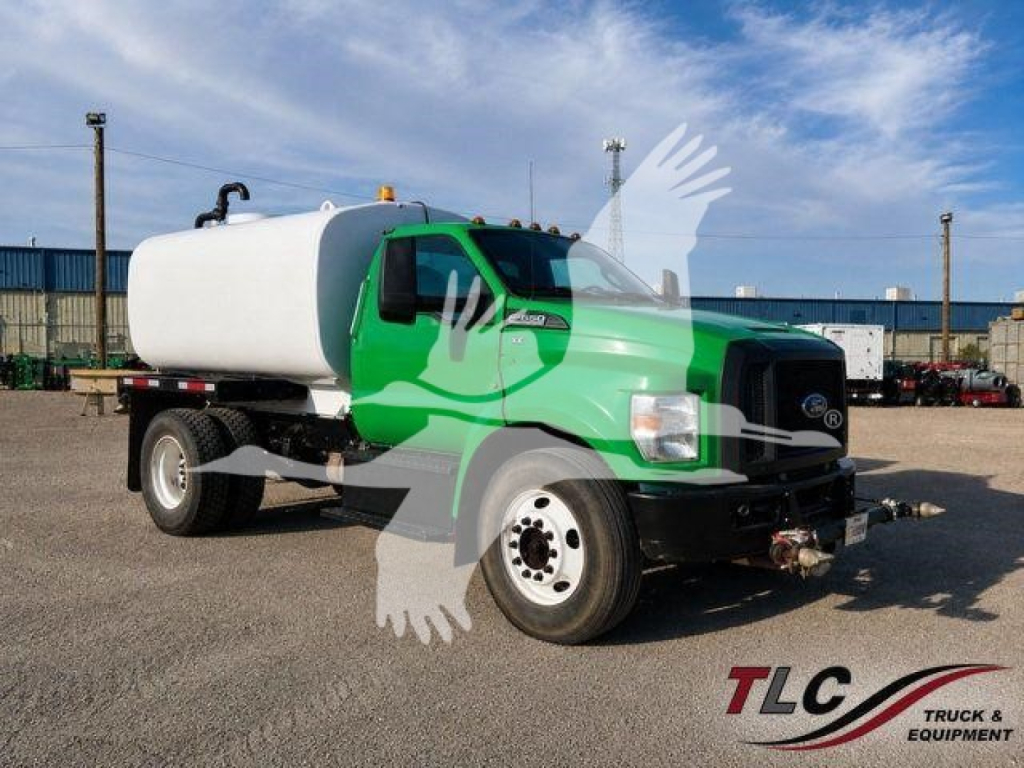
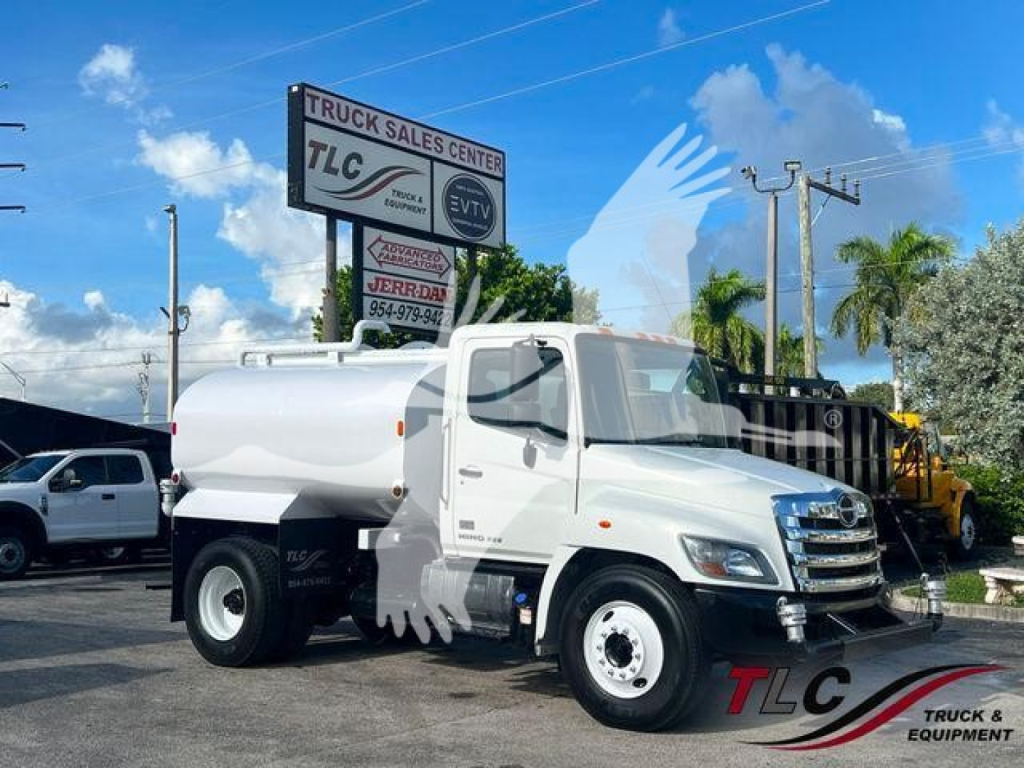
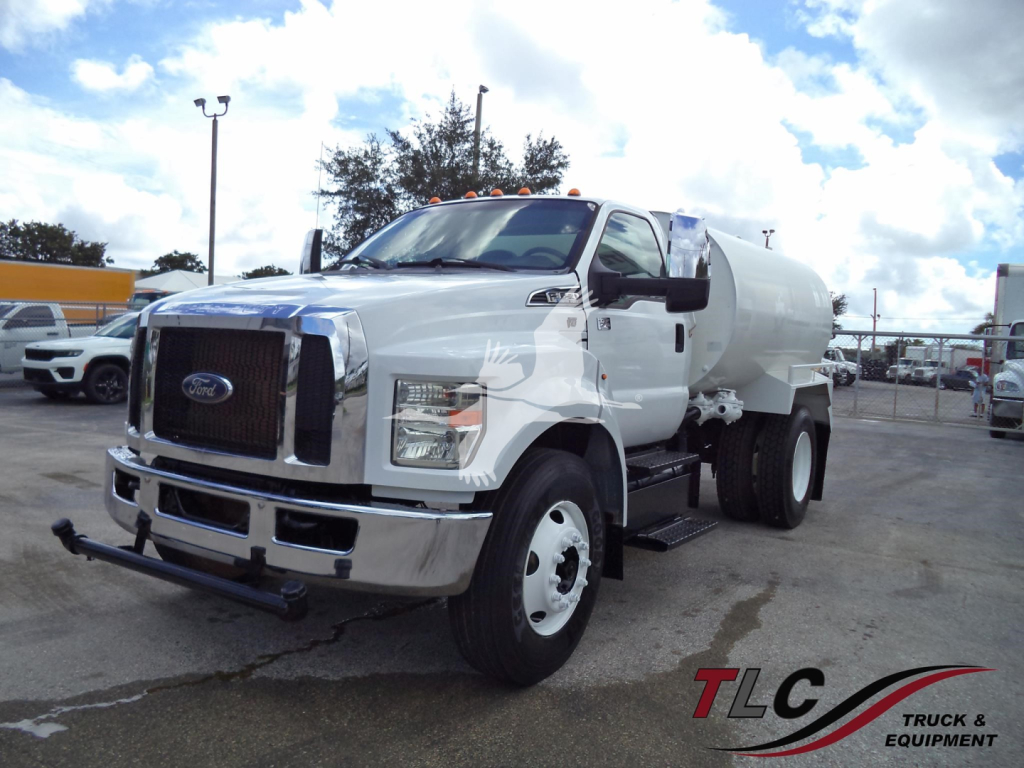
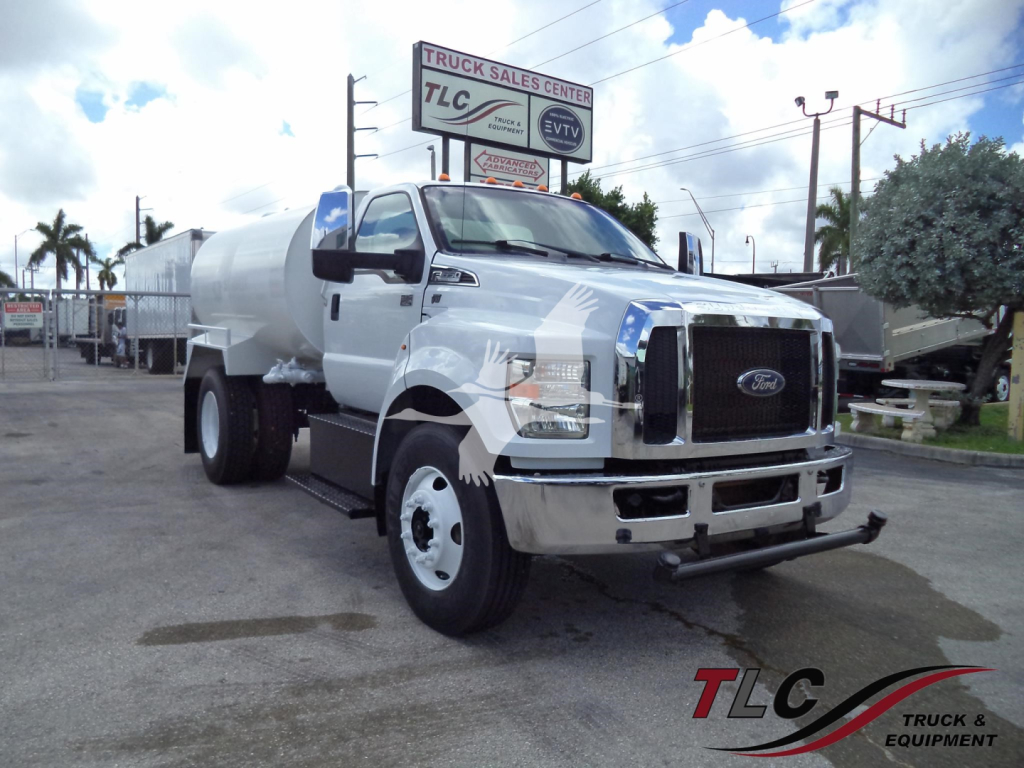
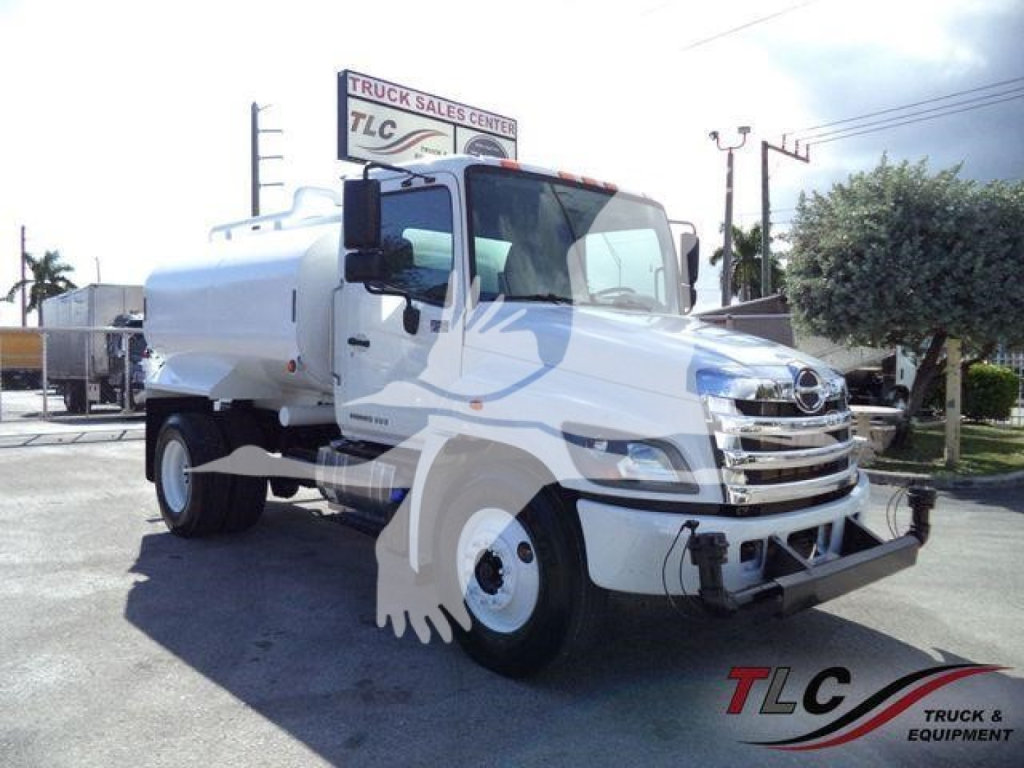
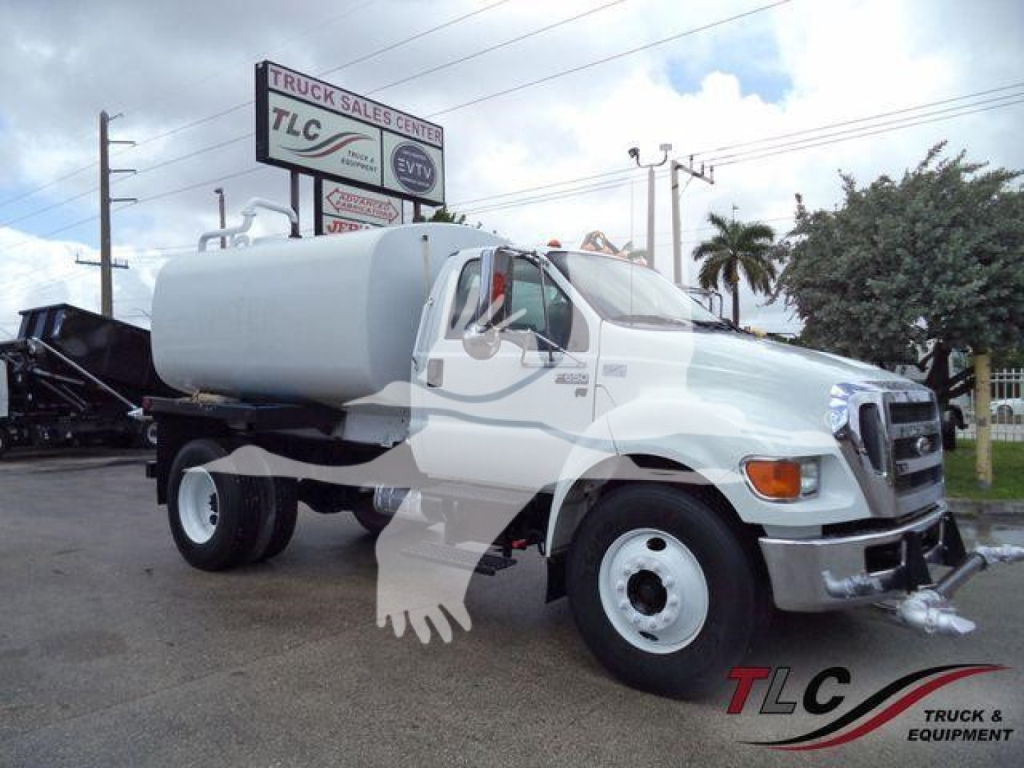
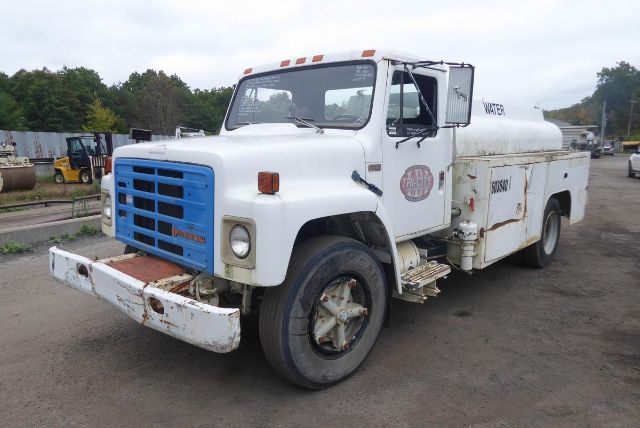
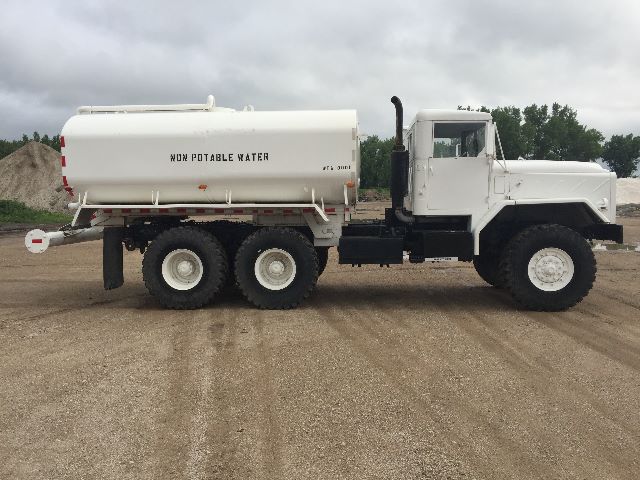
Selling a used water truck? List your used water truck for sale and reach thousands of commercial buyers.
Used Water Trucks
A buyer should start with application and legal weight. Water weighs about 8.34 pounds per gallon, so payload climbs fast. A 1,200 gallon tank adds roughly 10,000 pounds before pump, plumbing, hose reels, and chassis weight are counted. A 4,000 gallon setup adds over 33,000 pounds of water alone. That is why axle configuration, suspension, frame strength, and brake type are not secondary details on a water truck. Single-axle 4x2 trucks are common for lighter municipal and property maintenance work, while tandem and 6x6 configurations are better suited for off-road hauling, mine sites, logging roads, and soft-ground construction access. Buyers should also look at wheelbase, turning radius, and cab-to-axle dimensions if they plan to repurpose or replace the tank body.
Tank construction and water delivery equipment deserve as much attention as the engine and transmission. Common tank materials include steel, stainless, and aluminum, each with tradeoffs in corrosion resistance, repairability, and curb weight. Internal baffles are important for load control, especially on rough roads or when the truck operates partially full. Pump type, PTO setup, spray heads, gravity bars, hose reels, and cannon or monitor systems determine how useful the truck will be once it reaches the site. A basic dust-control truck may only need rear sprays and a fill port, while a municipal or utility unit may need high-pressure jetting, side sprays, hand lines, and hose storage. On used units, inspect the tank interior if possible, along with plumbing leaks, pump seal condition, PTO engagement, valve operation, and signs of corrosion around mounts and sump areas.
Condition on used water trucks often comes down to how the truck was stored and what kind of work it performed. Government and municipal units may have lower miles but long idle time, while construction trucks may show hard use in the suspension, driveline, and spray system. Freeze damage in pumps, cracked valves, worn nozzles, and rusted tank supports are common issues. If the truck has a removable tank or skid-mounted system, confirm mounting integrity and compatibility with the chassis. Engine hours can matter as much as odometer mileage on PTO-driven equipment. A good used water truck is one with the right tank capacity, legal GVWR, working pump system, and a chassis that still fits the route, terrain, and duty cycle.
Frequently Asked Questions about Used Water Trucks
What size water truck do I need?
The right size depends on haul distance, refill frequency, road conditions, and how the water is being applied. Smaller units around 300 to 1,500 gallons are common for property maintenance, light municipal work, and skid-mounted jetting or washdown applications. Mid-size and larger trucks in the 2,000 to 4,000 gallon range are more typical for dust control, grading support, and road work. Always calculate the full payload because water weighs about 8.34 pounds per gallon, and that weight must fit within the truck's axle ratings and GVWR.
What should I inspect first on a used water truck?
Start with the tank, pump, and plumbing, then move to the chassis. Check for internal and external tank corrosion, cracked welds, damaged baffles, leaking fittings, weak mounts, and signs of freeze damage. Operate the PTO, pump, spray heads, valves, and hose reels if possible. After that, inspect the frame, suspension, brakes, tires, and driveline because a full water load puts constant stress on the entire truck. On older units, tank and plumbing condition can be just as important as engine condition.
Are water trucks only used for dust control?
No. Dust suppression is one of the most common applications, but water trucks are also used for soil compaction support, road building, street washdown, landscaping, utility maintenance, sewer jetting support, and fire prevention in dry or remote work areas. Some units are simple tank trucks with spray bars, while others carry pressure-wash or jetting systems with hose reels and high-pressure pumps. The equipment mounted behind the cab usually tells you more about the truck's intended use than the chassis badge alone.
Is tank material important on a used water truck?
Yes. Steel tanks are common and durable, but they can be more prone to corrosion if maintenance has been inconsistent. Aluminum tanks reduce weight and resist rust, which can help on payload-sensitive applications. Stainless tanks are often preferred where corrosion resistance is critical, though repair costs may differ. Material choice affects curb weight, service life, and repair strategy, so buyers should inspect tank condition closely instead of assuming one material is automatically better in every application.
Do miles matter less than hours on a water truck?
In many cases, yes. Water trucks often spend significant time idling, operating PTO-driven pumps, or working at low speeds on jobsites, so engine hours can reveal use that mileage does not. A truck with modest miles but heavy PTO and idle time may have more wear in the pump system, engine accessories, and driveline than the odometer suggests. The best evaluation uses both mileage and hours, along with service records and a working inspection of the water system.